
What Is Chocolat About?
The premise of Chocolat in 269 words, with nothing given away. The full story follows below.
In the quiet, snow‑kissed hills of a French village in 1959, the ordinary rhythm of daily life is punctuated by the solemn observances of Lent. The narrow streets and stone façades exude a timeless, almost reverent stillness, while the looming presence of the church casts a long, moral shadow over the tightly‑knit community. Winter’s chill settles over the town, sharpening the contrast between the austere season and the warmth that is about to arrive.
Vianne Roch arrives with her young daughter, carrying a suitcase full of recipes, optimism, and a portable storefront that smells of cocoa and caramel. She sets up a modest chocolate shop in the center of the village, its crimson awning a bold splash of color against the muted rooftops. Her gentle confidence and the intoxicating aromas drifting from the shop promise a taste of indulgence that the locals have long denied themselves.
The shop quickly becomes a focal point for the village’s unspoken desires. the priest—a steadfast guardian of tradition—finds his authority subtly challenged by the simple act of offering sweet treats, while the conservative townsfolk, accustomed to restraint, feel an unexpected stirring beneath their orderly facades. The chocolate, rich and sensuous, serves as a metaphor for hidden passions and the yearning for something beyond the prescribed moral code.
As twilight falls each evening, the glow from the shop’s windows beckons both the curious and the cautious, hinting at a quiet rebellion that could reshape the community’s rigid expectations. The scent of chocolate lingers in the air, inviting speculation about how far the village will allow this delicate sweetness to melt the ice of convention.
What Happens in Chocolat?
The complete story of Chocolat, from the first scene to the last, in 583 words (about 3 minutes). Spoilers throughout.
Spoilers ahead
An adult woman named France walks along a road toward Douala in Cameroon, a journey that begins with the quiet practicality of a ride but quickly unfolds into something richer and more perceptive. She is picked up by William J. Park, an African American who has moved to Africa and is driving north to Limbe with his son. The ride becomes a moving stage for memory, and as they travel, France’s mind drifts back to a different time and place.
The film shifts into a vivid memory reel centered on Mindif, in the northern part of French Cameroon, dating to 1957. Here, France recalls her father, who served as a colonial administrator for the French Empire, and a childhood world where power and privilege were felt in almost every moment. The storytelling follows France’s perspective as she revisits early friendships and tense dynamics that would leave a lasting imprint on her later life.
A pivotal thread of the story concerns France’s close friendship with Protée, the “houseboy” who works within the Dalens household, and the charged, uneasy undercurrent of attraction between Aimée, France’s mother, and Protée. The narrative patiently renders the way boundaries—between self and other, master and servant, and cultures and ages—are felt more than spoken, creating an atmosphere of unease that persists beneath ordinary family life.
The plot thickens when Luc Segalen, a Western drifter who lodges with the Dalens after a small aircraft crashes nearby, enters the scene. He openly acknowledges Aimée’s attraction to Protée in the presence of other black servants, a moment that exposes fragile tensions and sets off a physical confrontation between Luc and Protée. Protée emerges triumphant in the fight, while Aimée sits nearby, unseen by the two men. In the aftermath, she attempts to pursue Protée again, but he rejects her advance. The conflict reaches a turning point when Aimée asks her husband to remove Protée from the house, and Protée is shifted from his in-house position to outdoor work in the garage as a mechanic, a change that underscores the shifting power dynamics at play.
Throughout these events, the film continually returns to a central vision: the horizon. France’s father explains its meaning in a memorable moment, describing the horizon as a line that is there but not there. It stands as a potent symbol for the boundaries that divide wealth and poverty, master and servant, white and black, colonizer and colonized, male and female. It is a line that is always visible, yet always just out of reach—an invisible boundary that characters confront but never fully cross.
In tone, the film blends personal memory with social reflection, inviting viewers to observe how intimate relationships are entangled with historical forces. The camera often lingers on small gestures and silences that reveal the unspoken rules and expectations that shape every interaction in the Dalens household and beyond. The coming-of-age thread sits alongside a meditation on colonial history, exposing how a young girl’s understanding of her world darkens and deepens as she learns where limits truly lie.
Ultimately, the narrative offers a thoughtful, patient meditation on how boundaries shape desire, loyalty, and identity. It is a story that refuses easy answers, choosing instead to illuminate the subtle, persistent lines that define who holds power, who is seen, and who is expected to stay within prescribed roles. The horizon remains a powerful, haunting image—an ever-present reminder of the gaps between what is desired and what can be attained within a world structured by history, hierarchy, and difference.
Chocolat Timeline: Every Key Event in Order
12 key events in the order they happen, from “Present-day road journey to Douala” to “Horizon as a lasting symbol”. 11 events name a place, across 8 locations.
- 1
Present-day road journey to Douala
France, now an adult, walks along a road toward Douala in Cameroon. She is picked up by William J. Park, an African American who has relocated to Africa, and is driving with his son toward Limbe. The ride frames the story as a memory-based journey.
When:present Where:Road to Douala, Cameroon
- 2
Flashback to Mindif, 1957
In a flashback, a young France lives in Mindif while her father serves as a French colonial administrator. The environment shows the colonial hierarchy shaping interactions between families and servants. The seeds of future conflicts are planted.
When:1957 Where:Mindif, northern Cameroon
- 3
France befriends Protée, the houseboy
France forms a close friendship with Protée, the Dalens' houseboy. She navigates the delicate dynamics of servitude and affection within the household. The bond foreshadows the boundaries that will be tested later.
When:1957 Where:Dalens household, Mindif
- 4
Tension between Aimée and Protée
The film reveals sexual tension between Aimée, France's mother, and Protée. Their flirtation is visible but unspoken, creating underlying unease in the house. This tension highlights fragile boundaries between master and servant and between white and black.
When:1957 Where:Dalens household
- 5
Luc Segalen arrives after a plane crash
Luc Segalen, a Western drifter, stays with the Dalens after a small aircraft crashes nearby. He becomes part of the household dynamics and notes Aimée's attraction to Protée in the presence of black servants. His presence unsettles the existing balance.
When:1957 Where:Dalens residence, Mindif
- 6
The fight between Luc and Protée
A confrontation erupts between Luc and Protée, which Protée wins. Aimée sits nearby unseen by the two, witnessing the clash. The fight intensifies the underlying tensions of race, power, and desire within the household.
When:1957 Where:Dalens residence
- 7
Aimée's seduction attempt and Protée's rejection
After Luc leaves, Aimée attempts to seduce Protée, who rejects her advances. She then asks her husband to remove Protée from the house. This turn cements Protée's precarious status within the Dalens' world.
When:1957 Where:Dalens residence
- 8
Protée is reassigned to outdoor work
Following the confrontation and the attempted seduction, Protée is moved from the indoor role to outdoor work in the garage as a mechanic. This shift marks a concrete enforcement of the family’s hierarchical boundaries. The change affects both his status and France's perception of the world.
When:1957 Where:Dalens residence – garage
- 9
The widening boundary between worlds
The film centers on the discomfort of France and Aimée as they try to move past established boundaries. The presence of native Africans and the hierarchical system amplifies the tension within the household. These boundaries threaten intimate ties and social order.
When:1957 Where:Dalens household
- 10
The horizon explained
Towards the end of the film, France's father explains the concept of the horizon. He says it is a line that exists but cannot be crossed—an emblem of the divisions between rich and poor, master and servant, coloniser and colonised, male and female. The horizon represents the elusive boundary that remains visible yet unattainable.
When:end of childhood memory Where:France's childhood home in Mindif
- 11
End of memory frame; present-day reflection
The memory of Mindif and the household dynamics continues to haunt France as she travels toward Douala. She reflects on how those early boundaries still shape the present. The journey itself becomes a meditation on how to live with unbridgeable divides.
When:present Where:Road to Douala, Cameroon
- 12
Horizon as a lasting symbol
The film closes with the horizon as a persistent symbol of social and personal limits that cannot be fully overcome. France's adult awareness ties back to her childhood lessons about power, desire, and belonging. The narrative leaves the viewer with the sense that some divides endure.
When:end
Who Are the Main Characters in Chocolat?
6 characters, among them France (adult), Protée and William J. Park (Kenneth Cranham): who each one is and the part they play in the story. 2 of them link to the actor’s page.
- F(
France (adult)
The central figure seen through a child's memory, France is a woman who bears witness to the colonial world she inhabits. Her experiences blend nostalgia and growing awareness of the power dynamics surrounding Protée and Aimée. The character embodies memory, introspection, and a dawning understanding of how boundaries are formed and enforced by class, race, and gender.
- 🎭 Protagonist
- 🧠 Memory
- 🌗 Perspective
-
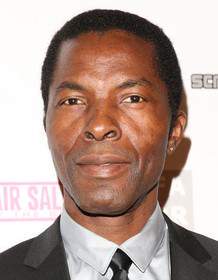
Protée
Played by Isaach De Bankolé
The Dalens' houseboy, Protée navigates the delicate balance of service and desire within a colonial household. His presence triggers conflicts that test loyalty, power, and restraint, and his confrontation with Luc Segalen marks a turning point in the household's dynamics. He is portrayed as strong and perceptive, aware of the social lines that define him.
- 🧍♂️ Servant
- 🔥 Tension
- ⚖️ Power dynamics
-

William J. Park (Kenneth Cranham)
Played by Kenneth Cranham
An African American who has moved to Africa, Park is traveling with his son toward Limbe and gives France a ride. He serves as an outsider's frame for the film's events, observing the colonial setting from a distance and prompting reflections on boundaries and belonging.
- 🚶♂️ Outsider
- 🚗 Traveler
- 🌍 Witness
- LS
Luc Segalen
A Western drifter who stays with the Dalens after a small plane crash, Segalen embodies the disruptive gaze of the outsider. He recognizes Aimée's attraction to Protée in the presence of other black servants, catalyzing the house's tensions. His presence exposes the fragility of the household's control.
- 🧭 Drifter
- 🗣️ Outsider
- 💬 Catalyst
- A
Aimée
France's mother, married into the colonial household, whose attraction to Protée destabilizes the family boundary between master and servant. Her secret advances and the ensuing conflict reveal the personal costs of desire within a rigid social order. Aimée's actions drive part of the film's central tension.
- 💃 Woman
- 🔥 Desire
- ⚖️ Boundaries
- FF
France's Father
The colonial administrator and father figure whose explanation of the horizon frames the film's central metaphor. He embodies the rationalized authority that maintains social divisions, even as personal dramas unfold around his household. His discourse about lines that exist but cannot be crossed anchors the narrative's critique of empire.
- 👨⚖️ Authority
- 🧭 Horizon
- ⚖️ Boundary
Where and When Is Chocolat Set?
Chocolat is set in Mindif, Douala, Limbe and Cameroon (1957). Here is why the time and place matter to the story.
When
1957
The narrative threads through a pivotal year in the late colonial era: Mindif in 1957, when Cameroon was part of the French Empire, and a subsequent journey toward Douala. The flashbacks to the young France juxtapose childhood innocence with the rigid social hierarchies of that era. The film uses memory to show how the era's rules govern present tensions. Time in Chocolat thus oscillates between a remembered childhood and an adult's encounter with a coerced social horizon.
Where
Mindif, Douala, Limbe, Cameroon
The film moves between Mindif, a northern town in the former French Cameroon, and the coastal cities of Douala and Limbe. Mindif's rural setting frames the childhood memories of France, while Douala and Limbe reveal the urban, port-side face of colonial power. The landscape—dust, roads, and the looming presence of colonial authority—serves as the backdrop for intimate power struggles inside the Dalens household. Through these spaces, the movie maps the social boundaries that separate rich from poor, master from servant, and white from black.
- 📍 Mindif
- 🌍 Cameroon
- 🌊 Douala
- 🌊 Limbe
What Are the Themes of Chocolat?
3 ideas the story keeps returning to, among them Power, Colonialism, Sexuality, Taboo and Boundaries, Horizon.
-
01
Power, Colonialism
The film dissects how colonial authority shapes daily life in Cameroon and within a settler family. A French administrator and his household enact an order that relies on labor, obedience, and racial separation. The tension between master and servant exposes the fragility of empire when desire and distrust intrude on formal roles. The horizon motif later underscores the stubborn persistence of these lines.
-
02
Sexuality, Taboo
Within the Dalens household, attraction crosses racial and gender boundaries, unsettling the privilege hierarchy. Aimée's attraction to Protée surfaces in secret, challenging normative behavior and the frame of respectable colonial life. Protée's awareness of these expectations highlights how power and desire traverse boundaries. The film uses these tensions to reveal the costs of crossing social borders.
-
03
Boundaries, Horizon
The horizon is a literal and metaphorical boundary: a line that exists but cannot be crossed. France's father explains it as a symbol of the divisions that keep colonizer, colonised, rich, and poor apart. Characters confront, resist, or reinforce these limits as they move toward Douala and Limbe. The motif recurs, reminding viewers that distance may alter appearance but not the underlying separation.
What Kind of Film Is Chocolat?
Melancholic in tone, with slow pacing and a moderate story, going by the plot summary.
- Tone
- Melancholic
- Pacing
- Slow
- Story
- Moderate
- Intensity
- Medium
- Ending
- Bittersweet
A slow-burning, melancholic drama seen through a child's eyes, creating an uncomfortable and atmospheric exploration of forbidden desire and racial tension within the oppressive colonial system.
- melancholic
- oppressive
- nostalgic
- tense
- uncomfortable
- atmospheric
- colonialism
- racism
- interracial attraction
- coming of age
Content notes: racism, colonial themes, sexual tension, emotional abuse.
Where to Watch Chocolat
Stream it on Criterion Channel. US availability and prices from JustWatch.
Stream 1
 Criterion Channel
 Streaming availability in the US, powered by