
Camera Buff 1979

Directed by
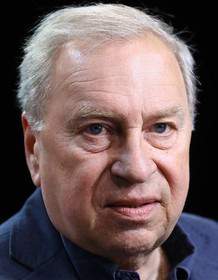
Jerzy Stuhr
Made by

Studio Filmowe Tor
Camera Buff Plot Summary
Read the complete plot summary and ending explained for Camera Buff (1979). From turning points to emotional moments, uncover what really happened and why it matters.
In the late 1970s, in Wielice, People’s Republic of Poland, factory worker Filip Mosz, Jerzy Stuhr, is a nervous new father and a devoted husband who begins filming his daughter’s first days with an 8mm camera. He believes, as he tells his wife, that he now has everything he ever wanted since his youth as an orphan, but a commission to document a jubilee celebration at the plant sparks a transformation that will slowly redraw the contours of his life.
When his film is shown, his superiors find the shot of a pigeon useless and the footage of several negotiators at a business meeting too probing. His boss instructs him to cut out the clips of entertainers being paid, the scenes of men going to the bathroom, and the business meeting itself. He is allowed to keep the pigeons only if the entertainers’ payment segment is removed. Filip submits the finished work to a festival and earns third prize, effectively second prize because the festival chose not to award a first prize that year, a distinction that only deepens his sense that art, in this climate, can grant him recognition while eroding other duties.
The achievement fuels a growing fixation on the world of cinephiles and on Anna Włodarczyk, an alluring, self-described amatorka [Anna Włodarczyk, portrayed by Ewa Pokas], who encourages his filmmaking and the possibilities it reveals. The Kraków TV station airs two of his films—one about a dwarf working at the factory and another about misallocated town renovation funds—sparking repercussions back at work. Filip’s boss confronts him: the project to build a new nursery school may be halted because of his exposé, and Stanisław Osuch, the head of the works council and Filip’s mentor Jerzy Nowak, faces the loss of his job as a consequence of the growing upheaval.
Driven by mounting pressure, Filip retrieves the undeveloped canister for his film about the brickyard, only to discover it is not operating due to material shortages; workers are secretly employed on other town projects. He opens the can and lets the film be exposed to the light, a symbolic release of what he has captured and hidden. Alone at home, with his wife having left the relationship and their daughter, Filip finally turns the camera on himself, confronting the personal toll of his obsessive pursuit of image and meaning.
The film crafts a quiet, observational portrait of how a single creative impulse can tilt a life toward distraction, ambition, and the gradual erosion of family ties, all set against a backdrop where the promise of artistic discovery collides with the pressures and surveillance of ordinary life.
Camera Buff Timeline
Follow the complete movie timeline of Camera Buff (1979) with every major event in chronological order. Great for understanding complex plots and story progression.
Filip becomes a new father and starts filming
In Wielice, factory worker Filip Mosz documents his newborn daughter with a newly acquired 8mm camera. He feels like he has everything he ever wanted after years as an orphan. The camera's presence begins to reshape his daily life.
The camera's power awakens a new obsession
His initial home use soon reveals the camera's endless possibilities. He sees life through the lens and wonders what truths he can capture beyond everyday moments. The hobby begins to pull him away from his role as husband and father.
Boss assigns a jubilee film project
The local Communist Party boss asks Filip to document the plant's jubilee celebration. Filip agrees, seeing an opportunity to explore cinema in a real-world setting. The assignment will test his ability to film what matters while staying within political expectations.
Editing on orders: cut who/what
His bosses deem the pigeon shot useless and the negotiators' scene too probing. They order him to remove shots of entertainers being paid, and to deliver a version that complies with party guidelines. The pressure to edit pushes Filip to balance artistic impulse with political control.
Festival submission yields unexpected prize
Filip submits the edited film to a festival and earns third prize, effectively equating to second prize since there was no first prize awarded. The festival awards him as an incentive to keep filming. This recognition reinforces his belief that filmmaking offers a path beyond ordinary life.
Award spurs obsession, fraying family life
The recognition feeds Filip's fixation with filmmaking and causes him to neglect his family duties. He becomes more deeply immersed in the world of cinephiles and critics. This drift begins to erode his marriage and ordinary responsibilities.
Anna Wlodarczyk enters his world
Filip meets Anna Wlodarczyk, a confident amateur filmmaker who encourages his work and invites him into the cinephile community. Her enthusiasm deepens his immersion in film and shifts his focus from home toward the broader film world. The relationship intensifies Filip's obsession with documenting life.
TV exposure amplifies his notoriety
The Kraków TV station airs his films about a dwarf factory worker and about misallocated town renovation funds. The broadcasts amplify his notoriety and draw attention from late-communist media circles. They also threaten people around him with exposure in public.
Reprimand from the boss and looming job loss
The boss tells him that work on the nursery school must stop due to the exposés. Stasio Osuch, the head of the works council and Filip's mentor, stands to lose his job. The films’ revelations put real people at risk and escalate workplace pressure.
Retrieval and exposure of the brickyard film
Filip retrieves the undeveloped canister about the brickyard, which he learns is not operating for lack of materials. He opens it and exposes the film to light, setting in motion new discovery about the town's hidden labor. This act foreshadows a broader self-revelation in his work.
Wife leaves; daughter separation
Alone at home, his wife leaves the relationship and takes their daughter away, overwhelmed by his obsession with filming. He remains consumed by the camera world despite the personal loss. The home becomes a site of isolation as his life unwinds.
Self-portrait: Filip turns the camera on himself
With family life shattered, Filip points the 16mm camera at himself and begins recording his own life as if it were material. This self-portrait marks a turning point toward deeper self-obsession and estrangement from others. He seems to have replaced intimate life with cinematic scrutiny.
Camera Buff Characters
Explore all characters from Camera Buff (1979). Get detailed profiles with their roles, arcs, and key relationships explained.
Filip Mosz (Jerzy Stuhr)
A factory worker who becomes a nervous new father and devoted husband. He discovers a passion for cinema after acquiring an 8mm camera, and his filming gradually reshapes how he sees his world. The camera becomes both a window and a magnet, drawing him away from his family and toward a larger social landscape. His growing obsession triggers a profound personal transformation.
Stanisław Osuch (Jerzy Nowak)
Head of the works council and Filip's mentor, he embodies a practical, loyal figure within the factory's social structure. He believes in workers' solidarity but is vulnerable to political pressure. His support for Filip gradually collides with party demands, leading to professional consequences. He ultimately loses his job as the exposé escalates.
Anna Włodarczyk (Ewa Pokas)
An attractive, self-described amatorka who encourages Filip's filmmaking and pushes him to explore beyond daily life. She becomes a catalyst for his creative exploration and validates his new passion. Her presence highlights the appeal of art and friendship in a constrained society, even as relationships become entangled with risk. Her role is both inspiring and destabilizing.
Krzysztof Zanussi (Krzysztof Zanussi)
Appearing as himself, a renowned director, he offers an external perspective on filmmaking. His cameo places Filip's experiences within a broader cinematic world and invites reflection on cinema's power. The meta-presence underscores the tension between artistic truth and political expediency. His appearance acts as a touchstone for the film's meditation on art.
Director
On-set authority figure who represents the gatekeeping voice of cinema within the factory world. He guides and limitations Filip’s shooting and how the footage should be treated. His interactions reveal how power shapes art and the consequences of challenging boundaries. He serves as a reminder of institutional constraints within the setting.
Camera Buff Settings
Learn where and when Camera Buff (1979) takes place. Explore the film’s settings, era, and how they shape the narrative.
Time period
late 1970s
The events unfold in the late 1970s Poland under a communist regime, where state influence dominates everyday life. Public life, production cycles, and cultural performances are filtered through party and union oversight. The Kraków festival context within this period becomes a microcosm of limited recognition and constrained artistic freedom.
Location
Wielice, Poland
Wielice is portrayed as a provincial industrial town in the People's Republic of Poland. The setting reflects a state-run economy where factory life and official oversight shape daily routines. The late 1970s atmosphere is infused with social ambition, political pressure, and subtle tensions between personal life and public progress.
Camera Buff Themes
Discover the main themes in Camera Buff (1979). Analyze the deeper meanings, emotional layers, and social commentary behind the film.
🎬
Obsession
Filip's fascination with the camera grows into a consuming pursuit. He uses filmmaking to shape reality, gradually prioritizing what he shoots over who he is with. The pursuit isolates him from family and responsibilities. The film uses this obsession to explore how art can redefine identity, for better or worse.
🛡️
Censorship
Power structures pressure Filip to edit out sensitive shots, policing what can be shown. His festival submission becomes a battleground over truth and loyalty, revealing how authority curtails artistic expression. The risk of professional and personal fallout highlights cinema's fraught relationship with power. The narrative questions whether documentary honesty can survive under control.
👨👩👧
Family
Filip's obsession fractures his family life as his attention shifts to the camera. He neglects domestic duties and personal relationships, pushing his wife away. The climax underscores the personal cost of artistic pursuit and the fragility of family bonds. The story grounds its social critique in the intimate consequences of ambition.
🎭
Self-Discovery
Eventually Filip turns the camera onto himself, producing a raw self-portrait. This turning point confronts the consequences of his ambitions and the gap between image and reality. The moment reveals the hollow core of his earlier fantasies and the complexity of self-identity under pressure. It blurs the line between observer and observed, prompting reflection on truth in cinema.

Coming soon on iOS and Android
The Plot Explained Mobile App
From blockbusters to hidden gems — dive into movie stories anytime, anywhere. Save your favorites, discover plots faster, and never miss a twist again.
Sign up to be the first to know when we launch. Your email stays private — always.
Explore the mobile appCamera Buff Spoiler-Free Summary
Discover the spoiler-free summary of Camera Buff (1979). Get a concise overview without any spoilers.
In the waning years of the 1970s, a modest industrial town in the People’s Republic of Poland hums with the rhythm of factory whistles and the quiet weight of state oversight. Into this world steps Filip Mosz, a nervous new father and factory worker whose life has been shaped by an orphan’s longing for stability. When his infant daughter arrives, he acquires the town’s sole 8 mm movie camera—a modest piece of equipment that suddenly becomes his portal to a broader reality. The Party’s local boss, recognizing Filip’s meticulous eye, appoints him the official photographer, thrusting the ordinary man into a role that blurs the line between personal memory and public record.
The camera’s small frame captures more than gestures; it reveals the textures of everyday life that linger just beyond the reach of official narratives. As Filip films his daughter’s first days, he discovers a burgeoning fascination with the act of seeing and being seen. Invitations to regional film festivals arrive, offering glimpses of a cine‑phile community where the same grainy footage can be celebrated as art. This newfound artistic horizon ignites a restless curiosity, pulling him between the intimate responsibilities of a young family and the seductive promise of creative recognition. The tension breathes a subtle strain into his marriage, as the desire to document the world begins to echo louder than the demands of home.
Set against a backdrop of subdued surveillance and the quiet bureaucratic cadence of the era, the film drifts with an observational grace, inviting viewers to contemplate the cost of obsession and the fragile balance between personal ambition and communal duty. Its tone is both gentle and unflinching, rendering the ordinary as a canvas for deeper philosophical questions about identity, purpose, and the ever‑shifting focus of the lens that shapes our lives.
Movies with Similar Twists and Themes
Uncover films that echo the narrative beats, emotional arcs, or dramatic twists of the one you're exploring. These recommendations are handpicked based on story depth, thematic resonance, and spoiler-worthy moments — perfect for fans who crave more of the same intrigue.

Featured on this page

What's After the Movie?
Not sure whether to stay after the credits? Find out!
Check out our other apps:

SAT Sphere
Build confidence for the Digital SAT.

Mori Atlas
Discover wild places worth protecting.

Luntero
Search smarter for a home in Amsterdam.

Plot Explained
Unravel movie endings and hidden clues.

Pokechamp
Dive into Pokémon data and battle logic.

Driving Theory
Get ready for your European theory test.

Movie Dust
Plan your next cinema trip with ease.

Musemap
Find art and culture as you travel.

Selkobase
Compare credentials before committing.

Local Manual
Turn an unfamiliar country into practical next steps.

Lernavi
Compare school systems before your next move.

GymRoam
Find a workout stop wherever your plans take you.
Explore Our Movie Platform
New Movie Releases (2026)
Famous Movie Actors
Top Film Production Studios
Movie Plot Summaries & Endings
Major Movie Awards & Winners
Best Concert Films & Music Documentaries
Movie Collections and Curated Lists
© 2026 What's After the Movie. All rights reserved.
Privacy Policy