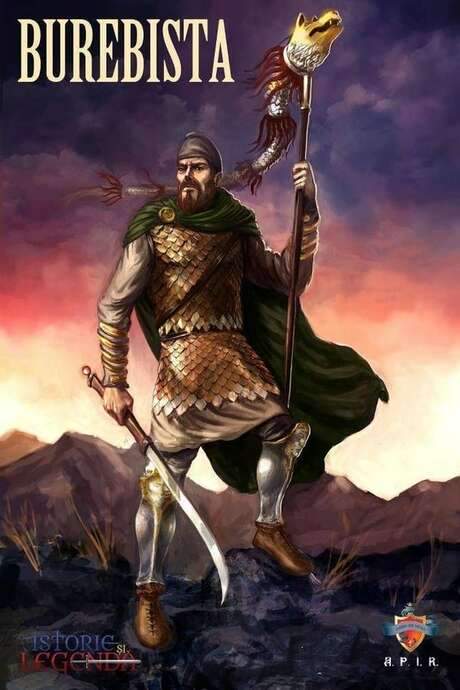
Burebista 1980

Directed by

Gheorghe Vitanidis
Made by

Casa de Filme 5
Burebista Plot Summary
Read the complete plot summary and ending explained for Burebista (1980). From turning points to emotional moments, uncover what really happened and why it matters.
From the opening shot of a rocky outcrop carved in the shape of a head, the story unfolds over the Carpathians as Rome’s rising power threatens the Dacian realm ruled by the enigmatic George Constantin as Burebista. The film sets its gaze on a pivotal choice: unite Dacia under a single king or let Rome swallow the scattered tribes. At the center, the high priest Deceneu convinces the Dacian lords to pledge loyalty to Burebista, promising to keep Dacia free from Rome while constructing a rigorous, well-drilled army. The crown’s legitimacy hinges on a dream of strength, and the man who will test that dream is introduced through the arrival of refugees, including Ion Dichiseanu as Calopor, a former gladiator who once fought alongside Spartacus.
As Burebista weighs the risks and rewards of unity, Calopor is soon tasked with a delicate assignment: travel to Greece to gauge the threat and, in the process, rekindle a memory of a lost romance. It is there that he encounters Lydia, Anca Szonyi as Lydia, who has been forced into an unhappy marriage with the arrogant Roman aristocrat Hybrida. Hybrida’s desire for showy games pushes Calopor into a gladiatorial arena, where a planned strike against Hybrida becomes a dangerous act of vengeance when Lydia is killed as a tragic farce of power. Calopor’s grief turns to resolve as he rises in a moment of rebellion, and the death of Hybrida becomes a spark that lights a broader insurrection. With Romans in retreat, Burebista’s forces ride out to press the victory, signaling a new balance of power in the region.
Back in Dacia, a festival of triumph mirrors the political quiet before stormy days ahead. A messenger brings news that Mithridates has committed suicide to avoid capture by Pompey, but a letter from the dead king urges continued resistance. Another missive, from Pompey, asks Burebista to help curb Caesar’s ambitions. The king weighs the looming trouble: a widening conflict between Rome’s rising strength and the fragile unity he has forged.
The Celtic threat intensifies when the Boii strike, enslaving villagers with the aid of a Dacian traitor. The capture exposes a flaw: guards were drunk, and George Constantin as Burebista orders the destruction of grapevines in a bid to blunt the Celtic force. He seeks a diplomatic path, offering cooperation between Dacians and Celts to deter Roman conquest, but the Druids, led by Constantin Dinulescu as Breza, refuse to negotiate. War looms, and Burebista confronts the fear that endless fighting could sap the strength of both sides, opening a door for Caesar to strike. The Celts threaten to kill their captives, but the Dacian oracle-like Deceneu signals a celestial sign: a solar eclipse that will reveal the gods’ power. Seizing the moment, Burebista exploits the eclipse to terrify the Celts into surrendering the captives. Breza flees, with Calopor in hot pursuit, and in a brutal confrontation Breza stabs Calopor in the back—only to reveal, in his dying breath, that Calopor is Burebista’s illegitimate son. Breza is captured and executed on the altar pyre of the goddess Epona.
With the Celts brought to heel, Burebista has forged a corridor of power—strong enough to sustain a united Dacia. Yet Rome’s horizon remains a constant shadow. In the larger Roman world, Caesar’s reach expands: Gaul falls under Roman rule, and Pompey’s victory would soon be undone by Caesar himself. The film’s final arc contemplates the future: Caesar’s ascent and eventual fate, and Deceneu’s sober reminder that life is transient, even for kings. Burebista declares that every ruler must die, but the unity he has built could outlive them all. The closing image lingers on a profile that looks out over the mountains, his head fading into the same rock that began the tale, a testament to a kingdom that endures beyond a single reign.
Burebista Timeline
Follow the complete movie timeline of Burebista (1980) with every major event in chronological order. Great for understanding complex plots and story progression.
Burebista Consolidates Dacia
The Dacian king Burebista unites the Dacian lords under a single banner, seeking to shield his realm from Rome. The high priest Deceneus persuades the nobles to swear allegiance and accept a centralized authority. This moment marks the birth of a structured, militarized Dacia.
Military Reforms
Burebista imposes a rigorous regime of military training to defend Dacia's borders. The new discipline strengthens the king's control over the armed forces. The move signals a professional, ready-to-fight state prepared for looming Roman pressure.
Refugees from Rome
Refugees arrive from Rome, including Calopor, a former gladiator who fought with Spartacus. He brings tales of slave uprisings and combat experience that inspire the Dacians. Burebista welcomes them, recognizing their military value.
Caesar and Pompey Rise
Burebista learns of Julius Caesar's ambitions and the fierce rivalry with Pompey. He senses Rome's expanding reach could threaten Dacia's autonomy. The news shapes his cautious, future-facing strategy.
Requests for Help
Mithridates VI of Pontus and Greek states ask for Burebista's aid against Rome. He agrees to assist and dispatches Calopor to Greece to assess the situation. The alliance makes Dacia a rising player in Mediterranean power politics.
Calopor in Greece
Calopor travels to Greece and encounters his former girlfriend Lydia, who has been forced to marry the Roman aristocrat Hybrida. Hybrida insists on games in his honor, pressuring Lydia and the city. Calopor prepares to act against Hybrida.
The Trident and Lydia's Death
In the arena, Calopor intends to strike at Hybrida. Hybrida pulls Lydia in front of the weapon, and she is killed by the trident. Horrified, Calopor seizes the moment and kills Hybrida, signaling the start of a broader uprising against Roman rule.
Uprising and Victory
Calopor's act sparks a general uprising; Burebista's cavalry defeats the retreating Romans, turning the tide of battle. The Dacians celebrate a hard-won victory that solidifies Burebista's leadership. The Romans are pushed back, and Dacia gains breathing room.
Roman News and Dacia's Role
A messenger reveals Mithridates has killed himself to avoid capture, but leaves a letter urging resistance. Pompey also writes requesting Burebista's help to curb Caesar. The dual news deepens Burebista's sense of Rome's unstoppable expansion.
Boii Raid and Retaliation
The Celtic Boii raid Dacia, enslaving villagers with the help of a Dacian traitor. Burebista learns the raid's success hinged on guards being drunk, and orders the destruction of grapevines to deny the Celts prosperity. He seeks to negotiate, hoping to avoid a costly war.
Standoff with Breza
Breza the druid fans fanaticism and refuses to negotiate. The looming war threatens to weaken both sides and invite Caesar's invasion. Deceneus warns that a solar eclipse will compel the Celts to submit through fear of the gods.
The Solar Eclipse
During the eclipse, Burebista uses the prophecy to intimidate the Celts and force their surrender. The Celts capitulate and release their captives, while Breza flees. Calopor pursues Breza into a building, where Breza stabs him. In his dying moment, Calopor reveals that he is Burebista's illegitimate son, and Breza is captured and executed by being thrown into the altar pyre of Epona.
Consolidation and Outlook
With the Celts subjugated, Burebista consolidates a strong, unified kingdom that stands against Rome. He weighs Rome's ambitions and the potential for further expansion, especially into Dacia. The realm's unity appears resilient, even as external threats loom.
Caesar's Rise and the End of Threat
In Gaul, Caesar proclaims conquest and expands Roman territory, signaling the growing pressure toward Dacia. After defeating Pompey, Caesar's campaign would soon reach Dacia, but the Roman general's assassination abruptly ends that trajectory. Burebista contemplates mortality and insists that the unity he forged can outlast even kings, gazing over the mountains as his head merges with the rock that opened the film.
Final Vision
The film closes with Burebista's vision of an immortal nation, as Deceneus notes the transience of life and the king's influence on the land. His form seems to merge with the rock from the opening shot, symbolizing a permanent bond between ruler and landscape. The legend of Dacia's unity endures beyond the man who forged it.
Burebista Characters
Explore all characters from Burebista (1980). Get detailed profiles with their roles, arcs, and key relationships explained.
Burebista (George Constantin)
Dacian king who unites the Dacian tribes into a formidable kingdom and defies Rome’s expansion through a mix of military discipline and diplomacy. He weighs alliances with Celts and Druids against Rome’s growing power, seeking a durable independence for his people. His vision of a lasting Dacian nation drives his strategic decisions, even as he confronts the mortality of rulers. The climax hints that his legacy should endure beyond his life, as the rock-framed closing image suggests a mythic continuity.
Deceneus (Emanoil Petruț)
Dacian high priest who coordinates religious and political strategy to keep Dacia united against Rome. He counsels Burebista, uses ritual authority to shape public will, and foresees celestial signs that influence decisions. His influence helps synchronize war effort and diplomacy, binding priesthood and state. He embodies the fusion of faith and politics in sustaining independence.
Calopor
Former gladiator who allies with Burebista and acts as a catalyst for revolt by revealing his lineage and steering action in Greece. He participates in the uprising against Hybrida and demonstrates personal courage, ultimately paying with his life. His loyalty to Burebista deepens the bonds within the Dacian leadership and stirs resistance against Rome.
Lydia (Anca Szonyi)
Calopor’s former lover who is forced to marry the arrogant Roman aristocrat Hybrida. Her tragic death at Hybrida’s hands becomes a spark for uprising and a blunt symbol of Roman oppression. Her fate underscores the human cost of imperial politics and personal manipulation in conquered lands.
Gaius Antonius Hybrida
Arrogant Roman aristocrat who demands games and asserts dominance over Lydia, embodying Roman arrogance and cruelty. His murder at Calopor’s hands marks a turning point that fuels resistance against Roman authority. He represents the oppressive force of Roman aristocracy in the eyes of the Dacians.
Breza the Druid (Constantin Dinulescu)
Fanatical Druid who inspires the Celts to resist Dacia and refuses to negotiate with Burebista’s coalition. His actions drive the Celtic threat and escalate conflict, until he is captured and executed. He embodies the mystical political influence that Druids wield in the era’s power struggles.
Dacian Prince Castaboca (Ernest Maftei)
A Dacian prince who supports the unification effort and participates in the broader political-military strategy. Though not the central protagonist, his presence signals the aristocratic backing necessary for a durable Dacian state. He represents the nobility that aligns with Burebista’s vision of a strong, self-reliant Dacia.
Julius Caesar (Nicolae Iliescu)
Ambitious Roman general whose expansionist agenda threatens Dacia and whose rise shapes the era’s broader conflicts. Caesar’s campaigns in Gaul and his rivalry with Pompey provide a looming backdrop to Burebista’s efforts to secure independence. The interactions reflect the clash between Rome’s imperial ambitions and Dacia’s drive for sovereignty.
Mithridates VI of Pontus
Envoys from Mithridates ask for Dacia’s help resisting Rome, illustrating the wider anti-Roman coalition in the eastern Mediterranean. His death to avoid capture and the accompanying letters to Pompey and Caesar underscore the era’s web of diplomatic entanglements and shifting loyalties.
Burebista Settings
Learn where and when Burebista (1980) takes place. Explore the film’s settings, era, and how they shape the narrative.
Time period
circa 70–44 BCE
The narrative unfolds in the late Roman Republic era, a time of political upheaval as Caesar, Pompey, and Mithridates vie for control. Dacia's emergence under Burebista occurs amid Rome's campaigns and shifting alliances. The period is defined by martial conflict, imperial ambition, and the struggle to preserve an autonomous Dacian identity against encroaching Rome.
Location
Dacia, Gaul, Rome
The film is anchored in ancient Dacia along the Carpathian range, a rugged homeland where a unified Dacian kingdom fights to withstand Rome's rising power. The story also traverses into Gaul and Roman centers, highlighting the empire’s expanding reach and the threat it poses to Dacian independence. The setting uses fortress towns and wild landscapes to frame a saga of nation-building, loyalty, and conflict with Rome.
Burebista Themes
Discover the main themes in Burebista (1980). Analyze the deeper meanings, emotional layers, and social commentary behind the film.
🗺️
National Unity
Unity emerges as the essential foundation for a durable Dacian state. Burebista consolidates rival lords and tribes, turning scattered groups into a cohesive kingdom capable of resisting Rome. The leadership relies on trusted advisers like Deceneus to sustain cohesion, even as external threats loom large. The film frames the nation as more than a ruler's figurehead, envisioning a lasting identity.
⚔️
Power and Destiny
Power is portrayed as a double-edged force that can secure independence or corrupt, depending on how leaders wield it. Burebista balances military might with political shrewdness to keep Rome at bay while expanding Dacia’s influence. The pursuit of glory is tempered by the awareness of mortality and the fragility of dynastic legacies. The narrative uses dramatic turns to question whether a ruler’s will can outlast history.
🌒
Cosmic Omens
Eclipses and omens frame strategic choices, as Deceneus and the Dacian rulers interpret celestial signs to frighten enemies or justify actions. The solar eclipse becomes a symbolic weapon to secure surrender from the Celts, intertwining religion, myth, and statecraft. These cosmic signals highlight a culture where religion and politics are deeply interwoven. Fate and astronomy converge to shape political outcomes.

Coming soon on iOS and Android
The Plot Explained Mobile App
From blockbusters to hidden gems — dive into movie stories anytime, anywhere. Save your favorites, discover plots faster, and never miss a twist again.
Sign up to be the first to know when we launch. Your email stays private — always.
Explore the mobile appBurebista Spoiler-Free Summary
Discover the spoiler-free summary of Burebista (1980). Get a concise overview without any spoilers.
In the mist‑shrouded Carpathians of the late first century BC, a nascent kingdom battles the encroaching influence of Rome while contending with restless Celtic warlords and the glittering Greek cities along the Black Sea. The landscape—rugged peaks, ancient forests, and towering stone outcrops—sets a tone of both grandeur and isolation, suggesting a world on the brink of transformation. Within this restless tableau, the central question is whether a scattered people can forge a single, lasting identity against an empire whose shadow grows ever longer.
At the heart of the story stands Burebista, a charismatic and enigmatic war‑leader whose ambition is matched only by the weight of history pressing upon his shoulders. Guided by the mystic counsel of the high priest Deceneu, he must decide how far to extend his vision of unity: whether to bind the fractured Dacian tribes under one banner or risk their disintegration under Rome’s relentless advance. The dynamic between ruler and priest creates a subtle tension between pragmatic statecraft and spiritual destiny, hinting at deeper forces shaping the kingdom’s fate.
Into this political crucible arrives Calopor, a former gladiator turned refugee, whose rugged past and fierce loyalty make him both an asset and a wild card. Charged with a delicate mission beyond Dacia’s borders, he encounters the spirited Lydia, a woman caught in the constraints of an arranged marriage to the pompous Roman aristocrat Hybrida. Their fleeting connection adds a layer of personal intrigue, while the presence of the proud Celtic chieftain Breza underscores the multi‑front challenges — each culture pressing against the borders of a fragile new order.
The film balances sweeping, battle‑ready spectacle with intimate, character‑driven moments, creating an atmosphere of tense anticipation. Ancient rites, looming eclipses, and whispered prophecies color the narrative, while the ever‑present specter of Roman ambition hangs like a storm on the horizon. As alliances form and doubts surface, the audience is left to wonder whether Burebista’s dream of a united Dacia can withstand the tides of history that threaten to drown it.
Movies with Similar Twists and Themes
Uncover films that echo the narrative beats, emotional arcs, or dramatic twists of the one you're exploring. These recommendations are handpicked based on story depth, thematic resonance, and spoiler-worthy moments — perfect for fans who crave more of the same intrigue.
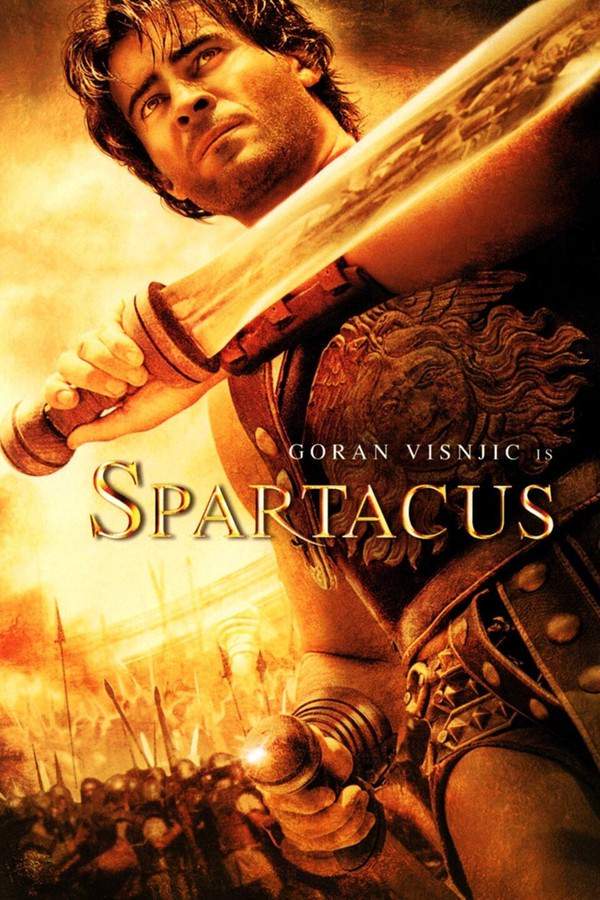
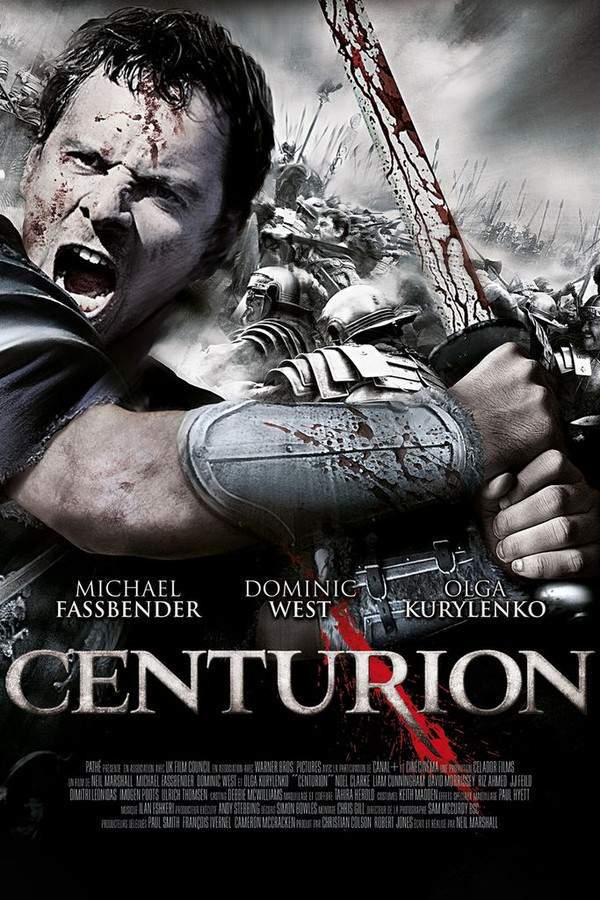
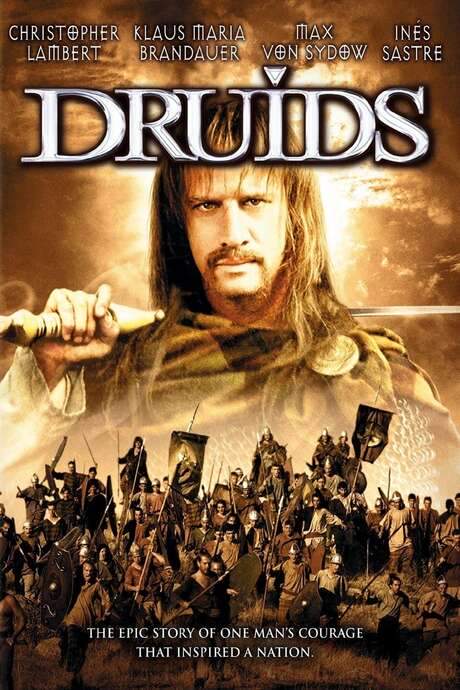


Featured on this page

What's After the Movie?
Not sure whether to stay after the credits? Find out!
Check out our other apps:

SAT Sphere
Build confidence for the Digital SAT.

Mori Atlas
Discover wild places worth protecting.

Luntero
Search smarter for a home in Amsterdam.

Plot Explained
Unravel movie endings and hidden clues.

Pokechamp
Dive into Pokémon data and battle logic.

Driving Theory
Get ready for your European theory test.

Movie Dust
Plan your next cinema trip with ease.

Musemap
Find art and culture as you travel.

Selkobase
Compare credentials before committing.

Local Manual
Turn an unfamiliar country into practical next steps.

Lernavi
Compare school systems before your next move.

GymRoam
Find a workout stop wherever your plans take you.
Explore Our Movie Platform
New Movie Releases (2026)
Famous Movie Actors
Top Film Production Studios
Movie Plot Summaries & Endings
Major Movie Awards & Winners
Best Concert Films & Music Documentaries
Movie Collections and Curated Lists
© 2026 What's After the Movie. All rights reserved.
Privacy Policy