What Is Buck Privates Come Home About?
The premise of Buck Privates Come Home in 266 words, with nothing given away. The full story follows below.
In the bustling heart of post‑war New York, the city hums with the clatter of returning servicemen, neon signs, and a restless optimism that never quite settles. Herbie Brown and his quick‑talking partner Slicker Smith stumble back into the vibrant chaos of Times Square, trading jokes and small‑time hustles as they try to translate their wartime camaraderie into civilian life. Their banter‑filled antics are set against a backdrop of crowded streets, bustling storefronts, and the lingering echo of uniformed discipline, creating a comic rhythm that feels both nostalgic and freshly alive.
A surprise hitchhiker changes the tone of their reunion: a shy French orphan girl, tucked away in Herbie’s belongings, who quickly becomes the unexpected heart of the trio. Alongside them looms Sgt. Collins, a former sergeant whose interactions are marked by a prickly rivalry that borders on rivalry‑turned‑comedy. The tension between the ex‑soldiers and their former superior adds a layer of playful antagonism, while the presence of the young girl softens edges and hints at a makes‑hift family forming amid the urban swirl.
Into this mix steps a fervent race‑car builder, a visionary with a single‑track obsession: to secure the funds needed for his latest midget‑racer prototype. His zeal and relentless pursuit of investors draw the veterans into a world of roaring engines, high‑stakes ambition, and the promise of a fresh start beyond the streets they know. The convergence of returning soldiers, a tender orphan, a stubborn sergeant, and a driven entrepreneur sets the stage for a light‑hearted adventure that blends slapstick humor with the earnest quest for belonging in a city that never sleeps.
What Happens in Buck Privates Come Home?
The complete story of Buck Privates Come Home, from the first scene to the last, in 705 words (about 3 minutes). Spoilers throughout.
Spoilers ahead
After returning home from Europe at the end of World War II, Herbie Brown [Lou Costello] and Slicker Smith [Bud Abbott] resume their pre-war hustle of selling ties in the bustling heart of Times Square, trying to adjust to life back in the United States. They share the ship with their old rival, Sgt. Collins [Nat Pendleton], a constant thorn in their side who, along with his superiors, conducts a careful search of the men’s belongings for any contraband as the vessel makes its approach toward New York Harbor. In a tense and comic moment, Herbie accidentally triggers a time bomb disguised as a camera that he had picked up as a souvenir, forcing him to fling it out through a porthole just in time.
On their voyage, a six-year-old French orphan named Evey is discovered tucked in Herbie’s duffle bag — a discovery that binds the trio through a shared responsibility they never anticipated. Evey is promptly handed over to Lt. Sylvia Hunter, who delivers her to immigration authorities in New York. But during a routine shift change, a mix-up occurs and Evey is mistakenly released as if she were just another neighborhood child. Meanwhile, the two former conductors of their own fortune resume their old trade of tying and selling goods, while Collins returns to the beat, intent on arresting the pair and returning Evey to the authorities.
As confusion turns to a plan, Herbie and Slicker decide they want to adopt Evey, but they’re confronted with a practical snag: one of them must be married and have a steady income. Evey herself suggests a solution that could keep the trio together — Herbie should marry Sylvia. They make a visit to Sylvia’s apartment, only to discover that she already has a boyfriend, Bill Gregory [Tom Brown], the ambitious young racer who dreams of winning a substantial prize.
A curious misadventure then unfolds when the pair stumble upon what seems like an ideal new home for just $750. The seller, however, refuses to let them view the interior before purchase. Before Herbie can unlock the front door, a signal is given and a truck tears away the façade, revealing that the “home” was really a broken-down bus they had bought sight unseen. Undeterred, the two improvise repairs and set out to turn the vehicle into a livable residence.
Bill Gregory, a midget car racer with dreams of the Gold Cup Stakes prize, believes he will clinch the $20,000 payoff, but his car is currently being held at a local garage due to overdue bills. To help him, Herbie and Slicker pool their separation pay and borrow from old service comrades to free the car. Yet Collins has his own wider plan: his repeated demotions since the boys’ earlier escapes are an attempt to reclaim his standing, and he camps out at the garage hoping to trap them and return Evey to immigration to regain favor with his superior. The chase culminates at the race track, where Herbie slips into Bill’s car and whips up a frantic ride through New York’s streets, a comical and perilous pursuit that tests everyone involved.
The climax brings unexpected windfalls: the momentary capture of Herbie and Slicker leads to a stunning business opportunity when the head of a major automobile company sees Bill’s performance and places a sizeable order—20 cars and 200 engines—securing Bill’s financial future. With that stability, Bill can marry Sylvia and adopt Evey, while Slicker and Herbie are granted visiting rights to Evey if they secure steady jobs. The closing twist comes when Collins’s captain suggests that the duo join the police force, an opportunity they seize with Collins taking on the role of their instructor, signaling a bright, if unconventional, new chapter for all of them.
Throughout, the film blends lighthearted misadventure, street-smart grifts, and bottom-line hopes, painting a portrait of returning veterans who find new purpose through family, loyalty, and a dash of luck. The humor is driven by the dynamic partnership of Herbie and Slicker, the stubborn persistence of Collins, and the heartwarming bond that forms with Evey, as they navigate the chaotic, neon-lit streets of postwar New York and turn a series of misunderstandings into a path toward a hopeful future.
Buck Privates Come Home Timeline: Every Key Event in Order
14 key events in the order they happen, from “Homeward bound from Europe” to “Police recruitment”. 14 events name a place, across 14 locations.
- 1
Homeward bound from Europe
Herbie Brown and Slicker Smith return to the United States after serving in Europe during World War II. They travel aboard a troop ship, sharing the moment with their old nemesis Sgt. Collins. The voyage marks the transition from wartime duty to peacetime mischief.
When:Post-WWII Where:Aboard a troop ship crossing the Atlantic
- 2
Bomb scare on the voyage
Collins and his officers search the men's belongings for contraband aboard the approaching New York. Herbie accidentally activates a time bomb disguised as a camera he picked up as a souvenir, forcing him to throw it out the porthole. The scare foreshadows the trouble waiting on land.
When:Late voyage, approaching New York Where:On the troop ship
- 3
Evey is found
Evey is discovered inside Herbie's duffle bag, a six-year-old French orphan. Lt. Sylvia Hunter takes custody and has her transported to immigration officials in New York. The incident links the boys' fate to the child's future and the bureaucracy around her.
When:Upon arrival Where:New York immigration office
- 4
Evey's release by mistake
During a shift change at the immigration office, officials mistakenly release Evey, thinking she is a neighborhood child. She wanders into the world of Herbie and Slicker, drawing them into responsibility they hadn't anticipated. The mix-up complicates their plan to keep her.
When:Shortly after arrival Where:Immigration office, New York
- 5
Back to peddling in Times Square
Returning to their prewar hustle, Herbie and Slicker sell ties on the crowded streets of Times Square. Collins is reassigned to the same beat and closes in on arresting them again. Evey unexpectedly helps them escape, cementing her place in their lives.
When:Soon after the immigration incident Where:Times Square, New York
- 6
Adoption plans initiated
They attempt to adopt Evey, but the adoption rules require one of them to be married and have a steady income. Evey suggests that Herbie should marry Sylvia to satisfy the requirement. The idea sets in motion a fragile plan built on shifting friendships.
When:Following Evey's release Where:Around Sylvia's circle, New York
- 7
Revelation of Sylvia's boyfriend
They visit Sylvia's apartment and learn she already has a boyfriend, Bill Gregory. This discovery blocks the marriage path and adds tension to the attempt to formalize a family. The rowdy trio recalibrates their approach to securing Evey's future.
When:After the marriage plan Where:Sylvia's apartment, New York
- 8
The home purchase and bus reveal
They buy what seems to be an ideal home for $750, but the seller refuses to show the interior before purchase. When the front door is opened, a truck hauls away the facade to reveal a broken-down old bus inside. Realizing they bought a wreck, they decide to fix it up as their new home.
When:Shortly after purchase Where:Property in New York area
- 9
Bill's race car and garage
Bill is a midget car racer whose prize money could change his life, but his race car is held in a local garage for past due bills. Herbie and Slicker pool their separation pay and loans to free the car. Their plan hinges on Bill's performance at the Gold Cup Stakes.
When:Before the Gold Cup Stakes Where:Local garage
- 10
Collins closes in
Collins plans to arrest the boys again by staking out the garage and hoping to return Evey to immigration. He hopes to regain favor with his captain by delivering troublemakers. The pursuit leads him toward the race track and a dramatic confrontation.
When:Leading up to the race Where:Local garage and race track, New York
Show the other 4 events of Buck Privates Come Home Hide the last 4 events
- 11
Wild chase to the Gold Cup
Herbie jumps into Bill's race car and, in a wild chase, threads through the streets of New York toward the track. The spectacle ends with Herbie's escape and the prospect of a lucrative future for Bill. The chase cements Evey's bond with their makeshift family.
When:Gold Cup Stakes day Where:Gold Cup Stakes track; New York streets
- 12
A major order and new prospects
Although Herbie is captured briefly, a big order from the head of an automobile company arrives: 20 cars and 200 engines for Bill's team. The windfall secures Bill's financial future and fuels his chance to marry Sylvia and adopt Evey. The episode transforms the boys' fortunes from petty peddlers to sought-after builders.
When:After the chase Where:Automobile company headquarters
- 13
A secure future for Evey and a couple
With their futures secured, Bill can marry Sylvia and Evey can be adopted. Herbie and Slicker are promised visits to Evey if they get jobs. The ending suggests a hopeful, if unconventional, family formed from friendship and perseverance.
When:Post-chase Where:New York
- 14
Police recruitment
Collins' captain suggests that Herbie and Slicker join the police force, with Collins as their instructor. They accept the offer, beginning a new chapter in civilian life. The trio becomes a small, unlikely police family in postwar New York.
When:After the offer Where:Police academy / precinct
Who Are the Main Characters in Buck Privates Come Home?
6 characters, among them Herbie Brown, Slicker Smith and Sgt. Michael Collins: who each one is and the part they play in the story. 5 of them link to the actor’s page.
- HB
Herbie Brown
Played by Lou Costello
A quick-witted, kind-hearted tie vendor who dreams of a simple, steady life after the war. His impulsive schemes and optimism drive much of the film’s comedy, but he also demonstrates loyalty to his friends and a soft spot for the orphaned Evey.
- 😂 Comedic
- 🧭 Resourceful
- 🗽 American
- SS
Slicker Smith
Played by Bud Abbott
Herbie’s sharp-tongued partner who complements his friend with street-smarts and a pragmatic approach. He shares a mischievous streak but shows genuine concern for their wellbeing and for Evey.
- 😂 Comedic
- 🧠 Quick-witted
- 🗽 American
-
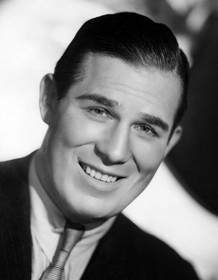
Sgt. Michael Collins
Played by Nat Pendleton
A police sergeant who has tangled history with the boys, chasing them when they slip away. He embodies a stubborn mix of authority and stubbornness, but his eventual role as an instructor signals a path toward reform and stability.
- 🗽 Officer
- 🥊 Veteran
- 🔎 Persistent
- LS
Lt. Sylvia Hunter
Played by Joan Shawlee
An immigration liaison tied to the custody of Evey and a romantic interest who embodies both professional duty and personal vulnerability. Her relationships complicate the boys’ plans for a family.
- 🧭 Government
- 💕 Love interest
- 🗽 New Yorker
- BG
Bill Gregory
Played by Tom Brown
A midget car racer whose Gold Cup dreams motivate the plot and provide a vehicle for the duo to secure a future. His success foreshadows a stable life for Evey and his own future with Sylvia.
- 🏁 Racer
- 🛠️ Entrepreneurial
- 🗽 American
- E
Evey
A six-year-old French orphan found among the veterans’ possessions, whose fate highlights the soldiers’ desire to protect and provide for a family after the war.
Where and When Is Buck Privates Come Home Set?
Buck Privates Come Home is set in New York City and Times Square (1940s; Post-World War II). Here is why the time and place matter to the story.
When
1940s; Post-World War II
Set in the immediate postwar era as soldiers return home from Europe. Veterans adjust to civilian work, face economic realities, and pursue routine lives like marriage and home ownership. The era’s norms shape the plot, including social expectations around marriage and the legitimacy of adopting a child.
Where
New York City, Times Square
The story unfolds primarily in postwar New York City, with busy streets around Times Square serving as the backdrop for returning veterans. Key scenes also take place aboard a troop ship returning to the U.S. and at immigration offices in New York. The city’s hustle contrasts with the protagonists’ attempts to settle into peacetime life.
- 🗽 New York
- 🏙️ Urban setting
What Are the Themes of Buck Privates Come Home?
3 ideas the story keeps returning to, among them Homecoming, Friendship & loyalty and Family & marriage.
-
01
Homecoming
The movie centers on veterans trying to readjust to civilian life after World War II, balancing nostalgia for the frontline with the realities of peacetime. Humor is used to ease the anxiety of reintegration as the duo seeks steady work and a stable home.
-
02
Friendship & loyalty
Herbie and Slicker’s bond persists despite constant pursuit by authority figures, turning their camaraderie into shared resilience. The arrival of Evey reshapes loyalties and tests their willingness to protect each other.
-
03
Family & marriage
The characters confront societal expectations about marriage as a path to stability and adoption. Evey’s presence catalyzes decisions about forming a family, while Sylvia’s relationship adds a romantic complication that drives the plot forward.
What Kind of Film Is Buck Privates Come Home?
Light in tone, with fast pacing and a straightforward story, going by the plot summary.
- Tone
- Light
- Pacing
- Fast
- Story
- Straightforward
- Intensity
- Medium
- Ending
- Happy
A fast-paced, lighthearted comedy brimming with slapstick misadventures and chaotic pursuits, as two bumbling veterans navigate post-war New York with a newfound purpose and a mischievous orphan in tow.
- whimsical
- comedic
- chaotic
- hopeful
- fast-paced
- mischievous
- post-war life
- found family
- military veterans
- adoption
Content notes: child endangerment, comic peril.
Quiz
How well do you remember Buck Privates Come Home? Test yourself on the story.