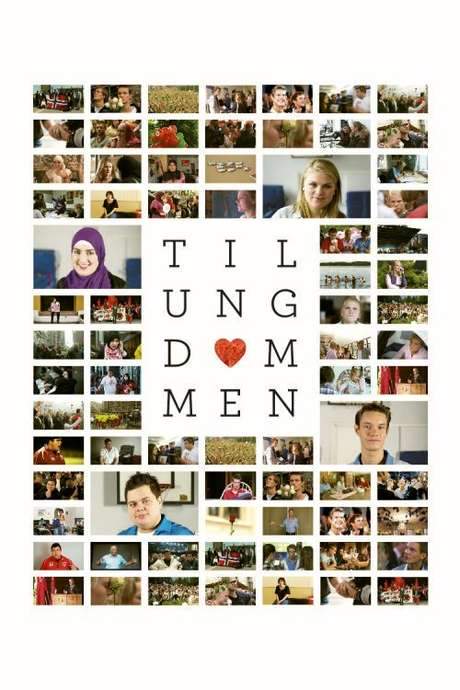
Bravehearts 2012

Directed by

Kari Anne Moe
Made by

Norsk Filminstitutt
Bravehearts Plot Summary
Read the complete plot summary and ending explained for Bravehearts (2012). From turning points to emotional moments, uncover what really happened and why it matters.
In 1280, Scotland faces a growing shadow over its freedom as Edward I, known as Longshanks, tightens his grip after the Scots’ king dies without an heir. The young William Wallace watches in horror as Longshanks orders the execution of several Scottish nobles, and he endures the loss of his father and brother when they resist English rule. He is then taken in by his uncle, Argyle, and raised away from the center of the conflict. Years pass, and the Anglo-Scottish balance shifts as Longshanks grants land and privileges in Scotland to his loyal nobles, including jus primae noctis, while his son marries the French princess Isabelle. Amid this tension, a grown Wallace returns home and quietly marries his childhood friend, Murron MacClannough. When a soldier threatens Murron, Wallace steps in to save her, but tragedy follows when she is captured and executed. This brutal act sparks a local uprising; Wallace and the townspeople overthrow the Magistrate, torch the English garrison, and strike down the lord of the land, setting off a rising rebellion that soon spreads beyond their village.
The onslaught continues as Longshanks orders his son to quell Wallace while he campaigns in France. Wallace survives an English assassination attempt and defeats a royal army at Stirling, then takes the fight into England by sacking York and beheading the Duke, sending his head back to Longshanks as a stark message. In the midst of these conquests, he crosses paths with Robert the Bruce, a noble who has a claim to Scotland’s crown and is pondering where his loyalties lie. The conflict intensifies when Longshanks’s schemes push the war onto English soil.
Back in England, Longshanks chastises his son for the faltering campaign and even dismisses his trusted adviser Phillip, choosing to divert Wallace’s momentum by sending Isabelle to bargain with him as a misleading distraction. When Isabelle meets Wallace, she is drawn to his cause and warns him of her father-in-law’s calculated moves. The stage is set for a climactic confrontation at Falkirk: during the battle, Longshanks’s Irish mercenaries defect to Wallace, but two nobles, Mornay and Lochlan, with bribes from Longshanks, hold back their cavalry, leaving Wallace’s forces badly outmatched. The discovery that Robert the Bruce has aligned with Longshanks deepens the treachery. After a narrow escape with Isabelle’s help, Wallace continues to press on, and Robert vows to abandon the treacherous path he had taken.
Wallace the liberator then sweeps forward through betrayals and shifting loyalties. He eliminates Mornay and Lochlan for their betrayal and foils an assassination plot with Isabelle’s aid. The two share a tense, intimate moment, even as Longshanks’ health declines. A pivotal meeting in Edinburgh results in Wallace’s capture, and the truth about Robert’s father—the man who betrayed Wallace—leads Robert to renounce his father. In England, Wallace faces a brutal execution. A final meeting with Isabelle reveals that Longshanks’s bloodline will end with his death, for Isabelle is carrying Wallace’s child, a plot twist aimed at shortening the future monarch’s reign. As Wallace endures torture and disembowelment, the magistrate urges mercy, but Wallace defiantly shouts, > “Freedom!” and Longshanks dies in the same moment. In a vision of Murron, Wallace finds a last spark of resolve.
The tale culminates in 1314, when Robert the Bruce, now king of Scotland, leads his people at Bannockburn. He invokes the memory and example of Wallace, urging his men to fight as they did before. Wallace’s claymore, inscribed with the word “Braveheart,” is planted point-down in the ground as a symbol of continued resistance, and the Scottish forces rally to a final, hard-won victory.
The film also features appearances by Haakon Vedum as himself, Sana El Morabit as herself, Johanne Butenschøn Lindheim as herself, and Henrik Wangberg as himself, weaving contemporary perspectives into the saga of a people who refuse to yield.
Bravehearts Timeline
Follow the complete movie timeline of Bravehearts (2012) with every major event in chronological order. Great for understanding complex plots and story progression.
Edward I tightens his grip on Scotland after the king's death
In 1280, Longshanks tightens control of Scotland after the king dies without an heir. Wallace witnesses brutal executions of nobles and suffers the personal losses of his father and brother who resist English rule. He is taken in by his uncle Argyle and raised away from the center of conflict.
Nobles rewarded and the future king marries Isabelle
As the power balance shifts, Longshanks grants land and privileges to loyal nobles and negotiates a marriage for his son with the French princess Isabelle. The move consolidates English control over Scotland and fuels resentment. Wallace remains mostly out of the limelight during this period.
Wallace returns home and marries Murron
Years later, a grown Wallace returns to his homeland and quietly marries his childhood friend Murron MacClannough. The couple hopes for a peaceful life, but the shadow of English rule looms large. Tensions rise as English authorities tighten control in the countryside.
Murron's execution sparks a local uprising
When a soldier threatens Murron, Wallace intervenes to protect her, but she is captured and executed. Her death ignites a local uprising as townspeople overthrow the Magistrate, torch the English garrison, and strike down the lord of the land. The flame of resistance spreads quickly through the region.
Wallace rises to leadership and defeats an English attempt to quell him
Longshanks orders his son to quell Wallace while he campaigns in France, but Wallace survives an assassination attempt and defeats a royal army at Stirling. The Battle of Stirling proves a turning point, lifting Scottish morale and signaling a broader uprising. Wallace becomes a symbol of resistance.
Wallace expands the war into England
Wallace leads a bold raid into England, sacking York and beheading the Duke of York, sending his head back to Longshanks as a stark message. The brutal raid shows that the rebellion has moved beyond Scotland and threatens English power. The English crown grows more determined to crush him.
Isabelle is drawn into Wallace's cause
Back in England, Longshanks chastises his son and redirects Wallace's momentum by sending Isabelle to negotiate as a distraction. Isabelle travels to meet Wallace, is moved by his cause, and warns him of her father-in-law’s calculated moves. A dangerous alliance forms between the two.
Falkirk confrontation and treachery
The climactic Falkirk battle features Irish mercenaries defecting to Wallace, but two nobles bribed by Longshanks hold back their cavalry. The result is a closely contested engagement that showcases shifting loyalties and treachery at the highest levels. Wallace narrowly survives and presses onward.
Robert the Bruce's tangled loyalties
Wallace learns that Robert the Bruce, a noble with a claim to the crown, has aligned with Longshanks. The revelation deepens treachery and tests Bruce's own conscience as the war intensifies. Bruce vows to abandon his treacherous path, signaling a possible shift in loyalties.
Wallace foils assassination and eliminates traitors
With Isabelle's aid, Wallace eliminates Mornay and Lochlan, who betrayed him for bribes. He foils an assassination plot against himself, further consolidating his resistance. The conflict escalates as Longshanks' grip weakens and Wallace's legend grows.
Edinburgh meeting, captured and Bruce's renouncement
A pivotal meeting in Edinburgh leads to Wallace's capture. The truth about Robert's father is revealed, driving Robert to renounce his father and break with the treasonous path. The political chessboard becomes even more dangerous for Wallace.
Wallace endures execution and a personal twist of fate
In England, Wallace faces brutal execution. Isabelle reveals that she carries Wallace's child, while Longshanks dies at the moment Wallace shouts freedom. The personal tragedy intertwines with the political fate of Scotland.
A vision of Murron fuels Wallace's resolve
During the aftermath, a vision of his wife Murron rekindles the last spark of resolve as Wallace endures death. The memory of his loved ones sustains the resistance, even as the regime collapses around him.
Bannockburn and the legacy of Wallace
In 1314, Robert the Bruce, now king of Scotland, leads the Scots at Bannockburn. He invokes Wallace's memory as inspiration and orders a final rally. The victory cements Wallace's legacy and ensures ongoing resistance to English rule.
Bravehearts Characters
Explore all characters from Bravehearts (2012). Get detailed profiles with their roles, arcs, and key relationships explained.
Haakon Vedum (Himself)
Haakon Vedum appears as himself, offering a contemporary perspective that bridges modern voices with Scotland’s historical saga. His presence reflects how present-day observers engage with the legend of Wallace and the fight for freedom. This cameo adds a layer of reflection on resilience and national identity.
Sana El Morabit (Herself)
Sana El Morabit appears as herself, contributing a modern viewpoint on the events and the people who refused to yield. Her presence emphasizes the enduring relevance of courage, resistance, and reform. The cameo situates Bravehearts within a dialogue between past and present.
Johanne Butenschøn Lindheim (Herself)
Johanne Butenschøn Lindheim appears as herself, providing a contemporary lens on Scotland’s past and the enduring spirit of its people. Her cameo highlights how modern observers connect with historical struggles for freedom. The presence reinforces the theme of resilience across eras.
Henrik Wangberg (Himself)
Henrik Wangberg appears as himself, lending a modern viewpoint on the narrative of Wallace and the Scottish fight for independence. His cameo adds a sense of present-day engagement with history and national pride. The appearance mirrors Bravehearts’ blend of legend and living memory.
Bravehearts Settings
Learn where and when Bravehearts (2012) takes place. Explore the film’s settings, era, and how they shape the narrative.
Time period
1280s–1314
The story spans the late 13th to early 14th century, a period of brutal conquest and heroic resistance. Scotland fights for independence as Longshanks expands his power and allies with loyal nobles. The narrative culminates in the bannered protests and the decisive Battle of Bannockburn, marking a turning point in the Wars of Scottish Independence.
Location
Scotland, England
Bravehearts unfolds across medieval Scotland and the borderlands of England, weaving scenes from rural villages to fortified towns. Key settings include Stirling, York, and Edinburgh, where sieges, executions, and political plots shape the conflict. The landscapes—glens, moors, and stone castles—frame a people rising against occupation.
Bravehearts Themes
Discover the main themes in Bravehearts (2012). Analyze the deeper meanings, emotional layers, and social commentary behind the film.
🕊️
Freedom
The film frames freedom as a collective right claimed by a people under oppression. Wallace’s defiant acts and the uprising fuel a broader claim to self-determination. Villagers and nobles alike risk everything for liberty, proving that courage can ignite a national movement. The climactic win at Bannockburn reinforces the idea that liberty requires steadfast resistance.
⚔️
Betrayal
Betrayal threads through political maneuvering and personal loyalties. Trusted nobles withhold cavalry at a critical moment, sabotaging Wallace’s forces. Robert the Bruce’s shifting allegiances reveal how power can cloud justice. These betrayals propel Wallace to redouble his efforts and sharpen the resolve of the Scottish cause.
👑
Leadership
Leadership is tested through courage, strategy, and moral conviction. Wallace’s fearless leadership unites diverse factions and sustains resistance under torture and hardship. Robert the Bruce’s eventual rise anchors the future of Scotland, linking legacy to present struggle. The film suggests leadership is more about enduring sacrifice than mere conquest.
🔥
Resilience
The resistance endures despite brutal campaigns, betrayals, and losses. Communities survive occupation and keep the flame of freedom alive through grit and solidarity. The narrative traces resilience from small-town uprisings to a nation-wide movement that culminates in victory.

Coming soon on iOS and Android
The Plot Explained Mobile App
From blockbusters to hidden gems — dive into movie stories anytime, anywhere. Save your favorites, discover plots faster, and never miss a twist again.
Sign up to be the first to know when we launch. Your email stays private — always.
Explore the mobile appBravehearts Spoiler-Free Summary
Discover the spoiler-free summary of Bravehearts (2012). Get a concise overview without any spoilers.
In the waning days of the 13th century, Scotland hovers on the brink of an uncertain future, its ancient clans and traditions threatened by a distant crown that seeks to reshape the land. The film opens with sweeping highland landscapes and a quiet, documentary‑style narration that hints at the weight of history pressing on everyday lives. A subtle modern interlude weaves contemporary voices into the tapestry, reminding viewers that the year‑long struggle for self‑determination still resonates today.
At the heart of this world stands William Wallace, a young Scotsman whose upbringing on the rugged margins of the kingdom gifts him both a fierce connection to the land and a deep sense of personal loss. Raised by his uncle after a tragic family rupture, he returns to his hometown carrying the quiet resolve of someone who has tasted both safety and the harshness of foreign rule. His bond with his childhood companion Murron MacClannough offers a tender counterpoint to the looming conflict, suggesting that love and loyalty may become catalysts for larger change.
The story’s larger stage is populated by figures whose ambitions shape the era’s uneasy balance. Edward I, the English monarch known as Longshanks, represents the imposing authority eager to consolidate power across the border. Beside him, Robert the Bruce navigates a precarious path between personal honor and political opportunity, while the French princess Isabelle arrives as a nuanced presence, hinting at the intricate web of alliances that tie distant courts together. Their interactions are rendered with a measured restraint, allowing intrigue to simmer without revealing the outcomes of their machinations.
Tone‑wise, the film blends the grandeur of historical epic with the intimacy of a personal drama, its visual palette shifting from mist‑cloaked glens to austere stone halls. The narrative voice remains hopeful yet cautionary, inviting the audience to feel the restless spirit of a people on the cusp of rebellion without disclosing the final resolution. Through its layered storytelling, the movie captures the fragile spark of resistance that begins to glow in the shadows of oppression.
Featured on this page

What's After the Movie?
Not sure whether to stay after the credits? Find out!
Check out our other apps:

SAT Sphere
Build confidence for the Digital SAT.

Mori Atlas
Discover wild places worth protecting.

Luntero
Search smarter for a home in Amsterdam.

Plot Explained
Unravel movie endings and hidden clues.

Pokechamp
Dive into Pokémon data and battle logic.

Driving Theory
Get ready for your European theory test.

Movie Dust
Plan your next cinema trip with ease.

Musemap
Find art and culture as you travel.

Selkobase
Compare credentials before committing.

Local Manual
Turn an unfamiliar country into practical next steps.

Lernavi
Compare school systems before your next move.

GymRoam
Find a workout stop wherever your plans take you.
Explore Our Movie Platform
New Movie Releases (2026)
Famous Movie Actors
Top Film Production Studios
Movie Plot Summaries & Endings
Major Movie Awards & Winners
Best Concert Films & Music Documentaries
Movie Collections and Curated Lists
© 2026 What's After the Movie. All rights reserved.
Privacy Policy