

What Is Blood for Dracula About?
The premise of Blood for Dracula in 333 words, with nothing given away. The full story follows below.
In the waning light of a pre‑Fascist Italy, a desperate hunt for life‑sustaining blood drives a legendary nightmare across borders. Count Dracula, the infamous vampire whose power wanes with each passing year, travels far from his crumbling Transylvanian citadel, accompanied by his grotesquely loyal servant Anton. Their quest is both primal and ritualistic: to secure the purity of a virgin’s blood before the ancient curse consumes them entirely. The journey leads them to a remote, decaying estate, where an atmosphere of faded grandeur clings to the cracked stone and overgrown gardens, promising shelter but also echoing the inevitable decay of aristocracy itself.
The estate belongs to Il Marchese di Fiore, a once‑respected landowner now teetering on the brink of financial ruin. He hopes to restore his family’s fortunes by arranging advantageous marriages for his four daughters, each embodying a different facet of the house’s hidden tensions. Saphiria and Rubinia, bound by a secretive intimacy, move through the corridors with a defiant sensuality that challenges conventional morality. The older sisters, Esmeralda and the youthful Perla, bear the weight of expectation and innocence in equal measure. Overseeing the daily labor is Mario, a proud, Marxist handyman whose political fervor and sharp intellect set him apart from the aristocratic decay surrounding him. His skepticism toward the otherworldly guest hints at an undercurrent of class struggle and ideological clash simmering beneath the estate’s surface.
The film unfolds as a slow‑burning, atmospheric piece that blends gothic horror with biting social satire. Shadows stretch across the decaying frescoes, and whispers of ancient superstition mingle with the stirrings of modern political unrest. The uneasy alliance between the centuries‑old vampire and the crumbling nobility creates a tension that feels both inevitable and oddly intimate, inviting the viewer to wonder whether salvation lies in blood, belief, or the rebellious spark of a servant who questions everything. The tone remains unsettlingly lyrical, drawing the audience into a world where desire, decay, and dissent coalesce in the dim corridors of the Di Fiore estate.
What Happens in Blood for Dracula?
The complete story of Blood for Dracula, from the first scene to the last, in 296 words (about 1 minute). Spoilers throughout. Names in the text link to 6 cast member pages.
Spoilers ahead
In the early 1920s, a dying Count Dracula, Udo Kier, must drink virgin blood to survive as he travels from Transylvania to pre‑Fascist Italy, following his loyal servant Anton Arno Jürging in the hope of finding a virgin in a Catholic land. Along the way, Dracula’s family has vanished because virgins are scarce and their fearsome reputation keeps women away from his castle.
In Italy, he befriends the impoverished landowner Il Marchese di Fiore Vittorio De Sica, whose estate is slipping into decline and who hopes to marry off one of his four daughters to the stranger of wealth.
Of di Fiore’s four daughters, Saphiria, Stefania Casini and Rubinia Stefania Casini regularly share the estate’s handyman, Mario Balato Joe Dallesandro, a proud peasant and Marxist who believes a socialist revolution will happen soon. Esmeralda and Perla, the eldest and youngest, are virgins; Esmeralda is seen as plain and past her prime, while Perla, portrayed by Silvia Dionisio, is only 14 years old.
Dracula obtains assurances that all the sisters are virgins and drinks the blood of the two deemed marriageable. However, the blood of these tainted virgins reveals the truth and weakens him, even as he manages to telepathically enslave Esmeralda and Perla.
As di Fiore travels abroad to pay his debts, Mario uncovers Dracula’s true nature and the danger he poses to Perla. He uses the pretext of protection to commit a grave assault, raping her, and then warns La Marchesa di Fiore about Dracula’s plan. Meanwhile, Dracula, refreshed by Esmeralda’s blood, regains strength and turns her into a vampire.
La Marchesa confronts Anton; after he stabs her, she fatally shoots him before dying from her wounds. In the end, Mario defeats Dracula and Esmeralda, stepping into de facto master and manager of the estate.
Blood for Dracula Timeline: Every Key Event in Order
12 key events in the order they happen, from “Dracula leaves Transylvania for Italy” to “Perla's fate and aftermath”. 12 events name a place, across 3 locations.
- 1
Dracula leaves Transylvania for Italy
Sickly Count Dracula, dependent on virgin blood to survive, travels from Transylvania to pre-Fascist Italy. He follows Anton's plan, hoping a Catholic country will yield more virgins. The journey marks the beginning of his bid to secure fresh blood.
When:early 1920s Where:Transylvania
- 2
Dracula befriends Il Marchese di Fiore
After arriving in Italy, Dracula forms an uneasy alliance with the impoverished Marchese di Fiore. The Marchese owns a lavish estate that is falling into decline and seeks advantage through marriage to a wealthy aristocrat. Dracula's presence promises wealth and influence.
When:early 1920s Where:Fiore estate, Italy
- 3
The four daughters are identified as virgins
Dracula learns that Esmeralda, Perla, Saphiria, and Rubinia are virgins, making them potential targets for his plan. He arranges assurances from the Marchese that the daughters remain untouched. The prospect of marriage drives the estate's social dynamics.
When:early 1920s Where:Fiore estate
- 4
Dracula drinks the two marriageable daughters' blood
Dracula drinks the blood of Esmeralda and Perla, the two daughters deemed marriageable. Their tainted blood reveals truths to him and weakens his strength. Nevertheless, he telepathically binds the two sisters to his will.
When:early 1920s Where:Fiore estate
- 5
Esmeralda becomes a vampire and Dracula's power fluctuates
After drinking Esmeralda's blood, Dracula regains some strength and his vampiric influence returns. Esmeralda herself rises as a vampire, compounding the danger around the estate. The power balance within the household becomes unstable.
When:early 1920s Where:Fiore estate
- 6
The Marchese leaves Italy to pay debts
The Marchese travels overseas to settle his debts, leaving the estate more exposed to Dracula's machinations. The family and workers are left with uncertainty about the future. This departure accelerates Dracula's plan.
When:early 1920s Where:Fiore estate, Italy
- 7
Mario discovers Dracula's true nature
Mario, the estate's handyman and a Marxist, uncovers that Dracula is a vampire and has manipulated Esmeralda and Perla. He recognizes the danger posed to Perla and the others. The revelation shifts the balance of power on the estate.
When:early 1920s Where:Fiore estate
- 8
Mario seeks to protect Perla and informs the Marchesa
To shield Perla, Mario acts under the pretext of protection and informs La Marchesa about Dracula's plan. His actions place him in direct conflict with Dracula's influence. The estate's tensions intensify as loyalties are tested.
When:early 1920s Where:Fiore estate
- 9
La Marchesa confronts Anton; a deadly confrontation unfolds
La Marchesa confronts Anton about Dracula's scheme. In the ensuing confrontation, Anton stabs La Marchesa, and she fatally shoots him before dying from her wounds. The household is left in shock and turmoil.
When:climax Where:Fiore estate
- 10
Dracula's influence wanes as Mario closes in
With Esmeralda and Dracula both exposed, Mario closes in on the vampire. The estate braces for a final confrontation as the balance of power shifts. Dracula's control trembles under the weight of human resistance.
When:climax Where:Fiore estate
- 11
Mario kills Dracula and Esmeralda
In the climactic showdown, Mario kills Dracula and also eliminates Esmeralda, ending Dracula's reign over the estate. The immediate threat to Perla and the others is removed. Mario then becomes the de facto master and manager of the estate.
When:final confrontation Where:Fiore estate
- 12
Perla's fate and aftermath
Perla's future remains uncertain after the disasters surrounding Dracula and the deaths on the estate. The survivors must reckon with the costs of the encounter and the new order established by Mario.
When:aftermath Where:Fiore estate
Who Are the Main Characters in Blood for Dracula?
9 characters, among them Marquis Di Fiore (Vittorio De Sica), Count Dracula (Udo Kier) and Gambler (Roman Polanski): who each one is and the part they play in the story. Every profile links to the actor’s page.
-
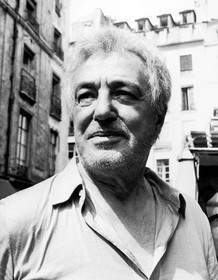
Marquis Di Fiore (Vittorio De Sica)
Played by Vittorio De Sica
An impecunious Italian landowner whose decaying estate embodies the fading aristocracy. He seeks to salvage his fortunes by marrying off one of his four daughters to Dracula, the wealthy visitor. His life centers on debt, pride, and the desperate hope of a prosperous alliance.
- 🏰 Aristocrat
- 💸 Debt
- 🧭 Decline
-

Count Dracula (Udo Kier)
Played by Udo Kier
A sickly, dying vampire who travels from Transylvania to pre-Fascist Italy to find virgin blood to sustain himself. He relies on manipulation and telepathic control to secure his power, but his strength wanes as the blood reveals unsettling truths. He is ultimately killed by Mario Balato.
- 🧛 Vampire
- 💀 Decay
- 🔮 Manipulation
-

Gambler (Roman Polanski)
Played by Roman Polanski
A mysterious, peripheral figure who moves through the estate’s social circle, underscoring the decadent atmosphere surrounding Dracula and the aristocracy. His presence highlights the precarious, performative nature of ritual and power in this setting.
- 🎲 Gambler
- 🕵️ Intrigue
- 🪄 Mysterious
- R(
Rubinia (Stefania Casini)
Played by Stefania Casini
One of the four daughters of the estate. She is part of the social world that Dracula targets and the family’s complicated dynamics revolve around the daughters’ futures and desirability.
- 👗 Damsel
- 🗝️ Intrigue
- 🧭 Social Pressure
- MB
Mario Balato (Joe Dallesandro)
Played by Joe Dallesandro
The estate’s handyman, a proud peasant and Marxist who believes in impending socialist change. He becomes the de facto master of the estate after Dracula’s downfall, and he opposes the aristocratic control that once dominated the family.
- 🛠️ Hands-on
- 🧭 Marxist
- 🧨 Power
- E(
Esmeralda (Milena Vukotić)
Played by Milena Vukotić
One of the daughters who becomes a vampire after Dracula drinks her blood, regaining his strength. Her fate intertwines with the vampire’s rule over the estate and its people.
- 🧛 Vampire
- 💔 Betrayal
- 🗝️ Power
- P(
Perla (Silvia Dionisio)
Played by Silvia Dionisio
The youngest daughter, a virgin whose future is entwined with the estate’s dangerous alliances. Her position underscores the era’s moral and social constraints placed on young women.
- 👑 Youngest Daughter
- 🕊️ Innocence
- 🗝️ Marriageability
- A(
Anton (Arno Jürging)
Played by Arno Jürging
Dracula’s servant, who enacts violent acts within the plot. He clashes with the family, stabs the Marchesa, and is ultimately killed after being confronted by La Marchesa.
- 🗡️ Servant
- 🔪 Betrayal
- ⚰️ Death
- S(
Saphiria (Dominique Darel)
Played by Dominique Darel
One of the four daughters who is drawn into Dracula’s circle of influence. She is part of the estate’s political and social intrigue as Dracula attempts to bend the family to his will.
- 👗 Daughter
- 🧭 Intrigue
- 🪢 Supernatural
Where and When Is Blood for Dracula Set?
Blood for Dracula is set in Transylvania and Italy (early 1920s). Here is why the time and place matter to the story.
When
early 1920s
Set in the early 1920s, the narrative unfolds in a Catholic, conservative Italy just before Fascism takes hold. The period’s social codes around virginity, marriage, and class frame Dracula’s attempts to secure power through aristocratic alliances. Economic hardship and declining fortunes intensify the tensions at the estate.
Where
Transylvania, Italy
The story shifts from Dracula's homeland in Transylvania to a decaying Italian aristocratic estate. The Italian manor sits as a symbol of fading nobility under financial pressure. The setting reflects a Catholic country with rigid social codes on marriage and virginity, framed by the early 1920s context.
- 🏰 Aristocracy
- 🗺️ Estate
- 🩸 Supernatural
What Are the Themes of Blood for Dracula?
3 ideas the story keeps returning to, among them Power & Decay, Sexuality & Exploitation and Violence & Revenge.
-
01
Power & Decay
Dracula’s predatory power mirrors the collapse of the old aristocracy. The decaying estate and the promise of wealth through marriage illustrate how power leans on wealth, secrets, and control. As Dracula drains strength from tainted blood, the very source of aristocratic prestige begins to crumble.
-
02
Sexuality & Exploitation
The narrative centers on sexual power dynamics within the estate, where daughters’ futures are treated as currency and social status is negotiated through desire. Dracula’s manipulation and the estate’s social rituals reveal how desire can be weaponized to dominate others. The tension between lust, loyalty, and coercion drives the plot forward.
-
03
Violence & Revenge
Violence punctuates the struggle for control, culminating in a brutal confrontation that ends Dracula’s rule. The deaths of Draco’s associates and the ultimate revenge by Mario highlight a revolt against the predatory forces that haunt the estate. The resolution reasserts a harsh, morally complex order.
What Kind of Film Is Blood for Dracula?
Dark in tone, with steady pacing and a moderate story, going by the plot summary.
- Tone
- Dark
- Pacing
- Steady
- Story
- Moderate
- Intensity
- High
- Ending
- Mixed
A darkly satirical and erotically charged horror film that uses vampire lore to explore themes of class decay and sexual hypocrisy, creating a grotesque and oppressive atmosphere punctuated by gory violence.
- grotesque
- decadent
- satirical
- erotic
- gory
- oppressive
- aristocratic decay
- sexual transgression
- class conflict
- vampirism
Content notes: sexual assault, incest, gore, vampiric violence, female nudity.
Quiz
How well do you remember Blood for Dracula? Test yourself on the story.


