Bhutto 2010

Directed by

Duane Baughman
Made by

First Run Features
Bhutto Plot Summary
Read the complete plot summary and ending explained for Bhutto (2010). From turning points to emotional moments, uncover what really happened and why it matters.
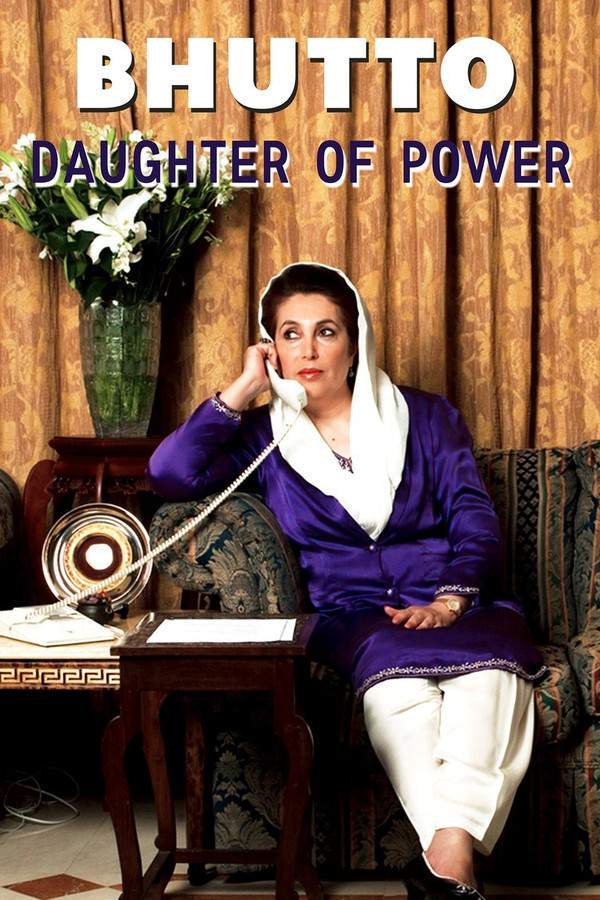
BHUTTO is an engaging theatrical documentary that delves into the life of one of the most intricate and intriguing figures of our time. This epic narrative unfolds the heroism of a woman battling against traditional norms and terrorism in Pakistan, arguably one of the most perilous places on earth. As a nuclear-armed nation teetering on the edge of instability, Pakistan was uniquely tied to the life of Benazir Bhutto, who hailed from a prosperous family that became the cornerstone of the country’s political dynasty.
Often likened to the “Kennedys of Pakistan,” the Bhutto family shares a legacy steeped in both tragedy and triumph, mirroring that of its American counterpart. The journey of Benazir Bhutto is emblematic of Pakistan itself, entwined with the tumultuous history of her homeland. Pakistan was established in 1947, while Benazir was born six years later, in 1953. The nation emerged during the partition of the Indian subcontinent as a haven for Muslims following the end of British rule. However, internal strife quickly erupted, leading to military conflicts with its larger neighbor, India, and ultimately setting the stage for a military-dominated political landscape.
As the daughter of the visionary political leader Zulfikar Ali Bhutto, Benazir was destined for a path laden with challenges from birth. Growing up in a wealthy feudal household in Sindh province, Zulfikar pursued an education abroad, marrying Nusrat Isipani, an Iranian beauty, while at Oxford. Together, they raised their children—Benazir, Murtaza, Sanam, and Shanawaz—with an emphasis on equal education, defying the conventions of gender roles prevalent in their society.
While her father’s political career soared, with stunning oratory at the UN leading him to become the first democratically elected president and later prime minister, Benazir was exploring the world herself. She attended Harvard University amidst the revolutionary fervor of the 1960s, participating in anti-war protests and witnessing the burgeoning women’s movement. After studying at Oxford, she initially envisioned a life of luxury in diplomacy. However, fate intervened dramatically when her father was overthrown in a coup led by General Zia ul Haq, culminating in his wrongful execution on fabricated charges.
In the ensuing chaos, Benazir chose to fight for justice, while her brothers fled to avoid persecution. Alongside her mother, she faced imprisonment under Zia’s oppressive regime, which enforced extreme interpretations of Islam and subjugated women under harsh laws. During this grim period, her brothers were wrongfully branded as terrorists in a politically charged climate.
Tragedy struck again during a family reunion in France when Shanawaz was found dead under dubious circumstances. Grieving yet resolute, Benazir returned to Pakistan to reclaim her father’s legacy, experiencing a wave of national support that catalyzed her political ambitions. In 1988, she stood before millions eager to see her lead, cleverly navigating traditional barriers by entering into an arranged marriage with Asif Ali Zardari, known for his playboy reputation. Soon, while managing her campaign and preparing for motherhood, a crucial turning point occurred as General Zia’s mysterious death cleared her way to power.
At the young age of 35, and with a newborn son in tow, she made history by becoming the first female prime minister of a Muslim nation. However, her term was marred by allegations of corruption, leading to a swift ousting after just twenty months. Even so, her resilience shone through as she continued to strive for a second term, appointing her husband as finance minister—a move that backfired, earning him the infamous moniker of “Mr. 10%.”
As political turbulence escalated, Murtaza Bhutto returned to confront Benazir for control of the Pakistan People’s Party, only to be tragically killed under controversial circumstances. His death was a dagger to her political stature, leading to her second term ending in shame, alongside her husband’s imprisonment.
In exile, she raised her children in Dubai, giving lectures on the growing menace of radical Islamic terrorism. Then came 9/11, shifting the geopolitical landscape and thrusting Pakistan into the foreground of the war on terror, further complicating her homeland’s plight. The increasing turmoil in Pakistan led to her eventual reinstatement in 2007 as a beacon of hope for democracy amid chaos.
Ultimately, Benazir Bhutto’s life was cruelly cut short by assassination, but in death, she emerged as a martyr, leaving behind a controversial legacy that will be examined and discussed for generations to come.
Bhutto Timeline
Follow the complete movie timeline of Bhutto (2010) with every major event in chronological order. Great for understanding complex plots and story progression.
Formation of Pakistan
Pakistan was established in 1947 as a result of the partition of British India, creating a homeland for Muslims in the subcontinent. This momentous occasion marked the beginning of a new nation, characterized by a complex interplay of cultural heritage and political tensions.
Birth of Benazir Bhutto
Benazir Bhutto was born in 1953, into the influential Bhutto family who were integral to Pakistan's political landscape. As the daughter of Zulfikar Ali Bhutto, her birth foreshadowed a life entwined with national politics and significant challenges ahead.
Zulfikar Ali Bhutto's Political Rise
Zulfikar Ali Bhutto, Benazir's father, rose to prominence as the country's first democratically elected president and later prime minister. His charismatic leadership style and reformist agenda inspired many, shaping the political narrative of Pakistan during his tenure.
Educating in the West
Benazir pursued her education abroad, attending Harvard University and later Oxford. Immersed in the revolutionary spirit of the 1960s, she engaged in anti-war protests and became acquainted with the burgeoning women's movement, shaping her progressive outlook.
Zulfikar's Overthrow
The political landscape shifted dramatically when General Zia ul Haq led a coup that overthrew Zulfikar Ali Bhutto. Subsequently, Zulfikar was wrongfully executed on fabricated charges, thrusting Benazir and her family into turmoil and resistance.
Imprisonment Under Zia's Regime
Following her father's execution, Benazir and her mother were imprisoned by Zia's authoritarian regime. This oppressive environment, marked by extreme interpretations of Islam, further fueled her resolve to fight against injustice and advocate for political change.
Tragic Family Reunion
During a family reunion in France, tragedy struck when Benazir's brother, Shanawaz, was found dead under suspicious circumstances. This devastating loss propelled Benazir to return to Pakistan, reigniting her commitment to her father's political legacy.
First Female Prime Minister
In 1988, Benazir Bhutto made history as the first female prime minister of a Muslim-majority nation. Despite her young age and the traditional barriers she faced, her ascent to power represented a significant cultural milestone in Pakistan's political history.
Challenges and Ouster
Benazir's first term in office was overshadowed by allegations of corruption which led to her swift ousting after just twenty months. Despite this setback, her resilience and ambition remained undeterred as she prepared to return to the political arena.
Tragic Death of Murtaza
Benazir’s brother Murtaza returned to confront her over party control, only to be killed in controversial circumstances. His death significantly impacted Benazir's political standing and plunged the family into further despair amid growing political turbulence.
Exile in Dubai
After facing political challenges, Benazir went into exile in Dubai where she focused on raising her children and giving lectures on the dangers of radical Islamic terrorism. This period of exile provided her with the opportunity to strategize her return to power.
Impact of 9/11
The events of 9/11 shifted the global geopolitical landscape, bringing Pakistan into focus regarding the war on terror. This shift underlined the complexity of Benazir's return as she sought to navigate the country's precarious political climate.
Return to Politics
In 2007, Benazir Bhutto returned to Pakistan amid hopes of revitalizing democracy and addressing the chaos that engulfed the country. She represented a beacon of hope for many Pakistanis yearning for stable leadership as political unrest escalated.
Assassination
Benazir Bhutto's life was tragically cut short by assassination, a shocking event that sent shockwaves across the nation and the world. Her death transformed her into a martyr, ensuring her legacy and significant impact on Pakistan's political trajectory would be discussed for generations.
Bhutto Characters
Explore all characters from Bhutto (2010). Get detailed profiles with their roles, arcs, and key relationships explained.
Benazir Bhutto
Benazir Bhutto is portrayed as a formidable leader and a pioneer for women in politics. Growing up in a politically significant family, she defies traditional expectations and takes bold steps to assume leadership. Her journey is marked by personal tragedy, political struggles, and a relentless commitment to her vision for Pakistan.
Bhutto Settings
Learn where and when Bhutto (2010) takes place. Explore the film’s settings, era, and how they shape the narrative.
Time period
1947 - 2007
This movie spans a crucial period in Pakistan's history, from its creation in 1947 up to Benazir Bhutto's assassination in 2007. The country has experienced significant political upheaval, military interventions, and social changes throughout this time, deeply impacting its governance and the roles of women.
Location
Pakistan, Sindh
Pakistan is a nuclear-armed nation known for its rich history and complex political landscape. Sindh, one of its provinces, is the birthplace of Benazir Bhutto and has a legacy that intertwines with the country's tumultuous past.
Bhutto Themes
Discover the main themes in Bhutto (2010). Analyze the deeper meanings, emotional layers, and social commentary behind the film.
💪
Resilience
The theme of resilience is central to Benazir Bhutto's story as she faces personal and political hardships. Her determination to rise against traditional norms and tyranny is a testament to her strength and courage. Despite losing loved ones and enduring adversity, she continues to strive for justice and democracy.
🌍
Political Legacy
The film explores the political legacy of the Bhutto family, likening it to America's Kennedy family. It highlights the challenges Benazir faced in maintaining her family's influence while also striving to implement progressive changes in a patriarchal society. Her journey embodies the struggles of a nation navigating its identity and governance.
🕊️
Martyrdom
Benazir Bhutto's life culminates in her tragic assassination, transforming her into a symbol of martyrdom. This theme underscores the sacrifices made by leaders in the pursuit of democracy, and how her untimely death reverberates throughout Pakistan's socio-political discourse, marking her as an enduring figure in the fight for women's rights and governance.

Coming soon on iOS and Android
The Plot Explained Mobile App
From blockbusters to hidden gems — dive into movie stories anytime, anywhere. Save your favorites, discover plots faster, and never miss a twist again.
Sign up to be the first to know when we launch. Your email stays private — always.
Explore the mobile appBhutto Spoiler-Free Summary
Discover the spoiler-free summary of Bhutto (2010). Get a concise overview without any spoilers.
In a landscape marked by stark contrasts—glittering modern skylines set against restless streets—Pakistan’s recent history unfolds as a tapestry of hope, turmoil, and relentless ambition. The documentary frames this vivid backdrop through a blend of archival footage and contemporary interviews, letting the nation’s pulse be felt through crowded bazaars, solemn parliamentary chambers, and the quiet moments of everyday life. Its tone balances reverence with critical curiosity, inviting viewers to glimpse a country wrestling with corruption, rising religious fervor, and the relentless drive for democratic renewal.
At the heart of the film stands Benazir Bhutto, a figure whose very name evokes both reverence and controversy. Born into the illustrious Bhutto dynasty, she inherits a legacy shaped by her father’s political vision and the weight of a family that has long straddled privilege and public service. From her early years abroad—where exposure to global movements sparked a keen sense of justice—to her return to a homeland in flux, she emerges as a symbol of possibility: a woman poised to break centuries‑old gender barriers and to steer a nation that has known more coups than elections. The documentary presents her as both product and challenger of the traditions that surround her, capturing the delicate dance between personal conviction and public expectation.
Through intimate testimonies, striking visuals, and a carefully curated soundtrack, the film paints a portrait that is as much about the era as it is about the individual navigating it. Viewers are drawn into the tension between progressive aspirations and entrenched power structures, feeling the weight of every decision that could tip the balance toward reform or regression. By focusing on ambiance, motivations, and the stark realities of a country at a crossroads, the documentary offers a compelling, spoiler‑free glimpse into the life of a leader whose story remains inextricably linked with the tumultuous soul of modern Pakistan.
Movies with Similar Twists and Themes
Uncover films that echo the narrative beats, emotional arcs, or dramatic twists of the one you're exploring. These recommendations are handpicked based on story depth, thematic resonance, and spoiler-worthy moments — perfect for fans who crave more of the same intrigue.


Featured on this page

What's After the Movie?
Not sure whether to stay after the credits? Find out!
Check out our other apps:

SAT Sphere
Build confidence for the Digital SAT.

Mori Atlas
Discover wild places worth protecting.

Luntero
Search smarter for a home in Amsterdam.

Plot Explained
Unravel movie endings and hidden clues.

Pokechamp
Dive into Pokémon data and battle logic.

Driving Theory
Get ready for your European theory test.

Movie Dust
Plan your next cinema trip with ease.

Musemap
Find art and culture as you travel.

Selkobase
Compare credentials before committing.

Local Manual
Turn an unfamiliar country into practical next steps.

Lernavi
Compare school systems before your next move.

GymRoam
Find a workout stop wherever your plans take you.
Explore Our Movie Platform
New Movie Releases (2026)
Famous Movie Actors
Top Film Production Studios
Movie Plot Summaries & Endings
Major Movie Awards & Winners
Best Concert Films & Music Documentaries
Movie Collections and Curated Lists
© 2026 What's After the Movie. All rights reserved.
Privacy Policy