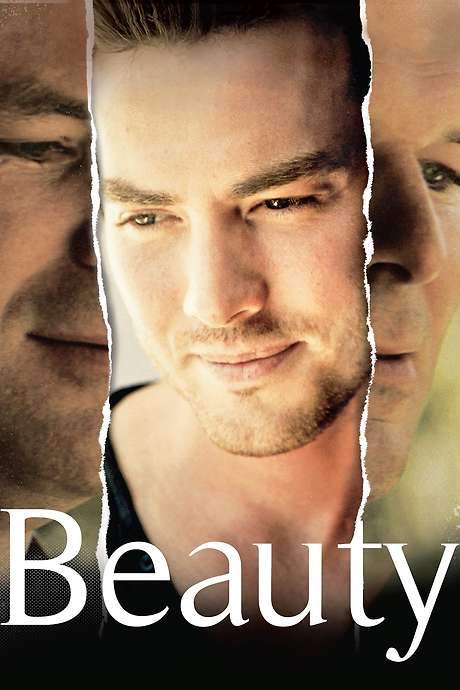
Beauty 2011

Directed by

Oliver Hermanus
Made by

Équation
Beauty Plot Summary
Read the complete plot summary and ending explained for Beauty (2011). From turning points to emotional moments, uncover what really happened and why it matters.
François van Heerden is a white man in his late forties living in Bloemfontein, South Africa. He runs his own timber business and leads a life that outwardly looks comfortable: a wife, two grown daughters, and a steady routine. Yet beneath the surface lies a volatile mix of bigotry and hidden desire. He is openly racist and homophobic, clinging to rigid beliefs about identity, while privately drawn to men and engaging in secret encounters with other white closeted partners. This tension sets up a quiet, simmering drama about power, guilt, and the hidden costs of living a double life.
At his daughter’s wedding reception, François’s gaze lands on Christian Roodt, the striking young son of old family friends who live in Cape Town. Christian is a law student who also enjoys a budding side career in television commercials, presenting a charming, modern counterpoint to François’s ancestral pride and conventional sense of order. The initial spark soon blossoms into an infatuation as François becomes consumed with learning everything about Christian. When François’s other daughter Anika begins dating Christian, the dynamic grows more complicated: jealousy threads through François’s thoughts, and he begins to devise a way to punish what he cannot openly admit or accept.
A visit to his doctor for a routine examination reveals a deeper, unsettling truth: François is suffering from psychological problems that are taking a toll on his health, a crisis that seems connected to his struggle to reconcile his sexuality with the life he has built. The confession of his inner turmoil does little to quiet the storm inside him, and it serves to push him toward boundary-breaking acts in his attempt to control what he cannot own.
Seeking proximity to Christian, François asks for a short business trip to Cape Town and ends up leaning on the Roodts for access to the man he can’t stop thinking about. When Christian is not around, François obtains his number under the pretext of discussing a legal matter and later, after getting drunk in a gay bar, calls Christian to come meet him. The two share a meal, and François is thrilled by the rare chance to be alone with Christian. He invites him back to his hotel room for a drink, hoping to test the waters of intimacy on his own terms. Christian, however, remains cautious, politely rebuffing François’s overtures while listening to his offer to invest in Christian’s ambitious plan to start a business. In a tense moment, François tries to kiss Christian, and when Christian gently rejects him, François’s restraint snaps. He erupts into a violent rage and assaults and rapes Christian, an act that exposes the darkest, most dangerous side of François’s inner conflict.
Back home, the aftermath unfolds in a quiet, unsettling fashion. François asks Anika if she is still seeing Christian, only to learn that she has not heard from him in some time. He returns to his daily life with a disturbing sense of detachment, seemingly unrepentant about what happened. The narrative hints at a man who cannot fully confront his actions or his desires, choosing to observe a world in which others freely express affection while he remains trapped in a cycle of loneliness and fear. One lunchtime, the sight of two people in a loving relationship jolts François—an aching reminder of what he cannot allow himself to be—and the loneliness that gnaws at him becomes a perpetual, aching undercurrent.
The film uses these intimate, harrowing events to probe themes of power, sexuality, and hypocrisy, painting a portrait of a man whose public persona masks a deeper, more destructive struggle. It’s a stark examination of how fear, prejudice, and secrecy can distort a life and ripple outward to affect the lives of those closest to us, all set against the social backdrop of a South African town where tradition, ambition, and desire collide.
Beauty Timeline
Follow the complete movie timeline of Beauty (2011) with every major event in chronological order. Great for understanding complex plots and story progression.
Hidden conflicts in Bloemfontein life
François van Heerden is a successful timber businessman living in Bloemfontein. Outwardly he projects a comfortable life, but privately he is openly racist and homophobic. He also harbors a hidden attraction to men, which flares whenever he encounters same-sex desire.
First encounter with Christian at the wedding
At his daughter's wedding reception, François meets Christian Roodt, the son of longtime family friends. He is drawn to the young man, and his fascination grows as he learns about Christian—his studies and budding acting career. The attraction unsettles François, who struggles to keep his feelings hidden. This encounter marks the start of a dangerous longing.
Jealousy grows as Anika dates Christian
François becomes increasingly jealous when Anika starts dating Christian. He tries to control the situation and even schemes to punish her because of the perceived threat. The tension deepens as his private desires conflict with his public life. His thoughts turn toward manipulation to protect his own secret.
Health concerns surface
During a routine check-up, François shows signs of psychological strain and health issues related to his unresolved sexuality. The doctor hints that stress and internal conflict may be taking a toll. These medical concerns reflect the turmoil simmering beneath his outward success.
Plan to visit Cape Town for business
François tells his wife that he needs to go to Cape Town on business for a few days. The trip is framed as professional, but it also provides the opportunity to pursue actions connected to his fixation on Christian. The departure marks a shift from inward turmoil to external pursuit.
Cape Town visit to be near Christian
In Cape Town, François visits the Roodts, hoping proximity to Christian will satisfy his craving. He asks for Christian's phone number under the pretext of discussing a legal matter, signaling the start of his calculated efforts to reach him. His actions reveal a growing obsession that blends manipulation with desire.
Drinks and a call to pick him up
One night, François gets drunk in a gay bar and dials Christian, asking him to come and collect him. Christian obliges, and the two share a meal as the evening unfolds. The tentative closeness feeds François's fantasy and sharpens the underlying tension.
Meal and hotel room invitation
Christian arrives, and they share a meal together. François, energized by the private setting, invites Christian back to his hotel room for another drink. The secrecy surrounding their meeting amplifies the risk of exposure and consequence.
Investment talk, kiss, and rebuff
During their time together, Christian questions François about investing in his plans, testing intentions beyond desire. François makes a clumsy attempt to kiss Christian, who gently rebuffs him. The moment reveals François's blend of obsession and desperation, straining their fragile boundary.
Violent rape
When rebuffed, François erupts into a violent rage and rapes Christian. The act shatters the illusion of mutual consent and exposes the depth of François's dangerous fixation. The assault marks a brutal turning point in both men's lives.
Return home and confrontations
Days later, François returns home and asks Anika if she is still seeing Christian. Anika reveals she hasn't heard from him in a while, underscoring the secrecy and distance that now define François's life. He returns to his routine, seemingly unrepentant about what happened.
Loneliness as a mirror of his life
During a lunch out, François spots two men in a loving relationship, and the sight distresses him, revealing his own loneliness and unresolved inner conflict. The moment underscores the emptiness of his carefully curated life and his inability to reconcile it with his desires. He remains isolated, even amid public settings.
Beauty Characters
Explore all characters from Beauty (2011). Get detailed profiles with their roles, arcs, and key relationships explained.
François van Heerden (Deon Lotz)
A white man in his late forties who runs a timber business and lives a comfortable life in Bloemfontein. He is openly racist and homophobic, yet secretly attracted to men. His privilege and repressed desires fuel jealousy, manipulation, and violent outbursts, including his assault on Christian.
Christian Roodt (Charlie Keegan)
A handsome, intelligent law student and rising actor who becomes the object of François’s obsession. He tries to maintain boundaries and navigate François’s advances, ultimately facing coercion. He embodies resilience in the face of manipulation and danger.
Anika van Heerden (Roeline Daneel)
François’s daughter who begins dating Christian, triggering her father’s jealousy and driving part of the central conflict. She represents family ties and the consequences of parental control on the lives of young adults.
Beauty Settings
Learn where and when Beauty (2011) takes place. Explore the film’s settings, era, and how they shape the narrative.
Time period
21st century
The film unfolds in contemporary South Africa, addressing current issues of race, sexuality, and family. Events center on a daughter's wedding, a trip to Cape Town, and a hospital visit, all within a present-day timeframe.
Location
Bloemfontein, South Africa; Cape Town, South Africa
The story is set primarily in Bloemfontein, a central South African city, with key scenes in Cape Town. Bloemfontein provides a backdrop of middle-class family life and local business, while Cape Town offers a cosmopolitan stage for meetings and encounters. The contrast between a provincial city and a coastal metropolis highlights social tensions at the heart of the drama.
Beauty Themes
Discover the main themes in Beauty (2011). Analyze the deeper meanings, emotional layers, and social commentary behind the film.
⚖️
Power & Privilege
François’s wealth, status, and racial background grant him control and a sense of entitlement. The story shows how privilege can enable coercion, shield violence, and blur moral boundaries. It probes the morality of a man who has everything yet uses it to punish and manipulate others.
🧭
Secrets & Self-Acceptance
François hides a same-sex attraction behind a heteronormative facade, fueling internal conflict and psychological strain. The tension between outward respectability and private truth drives the character’s actions and the heartbreak around Christian. The film explores the cost of denying one’s identity.
💥
Violence & Consequences
The assault acts as a catalyst that exposes family fragility and the repercussions of unchecked aggression. It reverberates through relationships and communities, generating guilt, fear, and questions of justice. The narrative does not shy away from the brutality of power imbalances and their aftermath.

Coming soon on iOS and Android
The Plot Explained Mobile App
From blockbusters to hidden gems — dive into movie stories anytime, anywhere. Save your favorites, discover plots faster, and never miss a twist again.
Sign up to be the first to know when we launch. Your email stays private — always.
Explore the mobile appBeauty Spoiler-Free Summary
Discover the spoiler-free summary of Beauty (2011). Get a concise overview without any spoilers.
In the quiet streets of Bloemfontein, a town where tradition holds fast and modern ambitions pulse beneath the surface, François van Heerden runs a modest timber business and maintains the trappings of a respectable middle‑age life. A wife, two grown daughters, and a steady routine give the impression of stability, yet his days are marked by an almost ritualistic control that leaves little room for deviation. The film settles into this measured world, its color palette muted and its soundscape tinged with the low hum of unspoken expectations, inviting the viewer to feel the weight of a life lived on autopilot.
Beneath that orderly exterior, François guarded a volatile mix of outward bigotry and concealed yearning. Publicly he clings to rigid ideas about identity, while privately he navigates a hidden landscape of secret encounters with other men. This internal schism fuels a quiet, simmering tension, as his self‑imposed moral code collides with desires he cannot openly acknowledge. The atmosphere grows increasingly claustrophobic, echoing his psychological unease and hinting at a mind straining under the strain of contradictions.
The delicate balance shatters at his daughter’s wedding when his gaze lands on Christian Roodt, a striking young law student from Cape Town whose modern, charismatic presence offers a stark contrast to François’s conventional world. Their brief encounter ignites an infatuation that begins to infiltrate the older man’s thoughts, stirring jealousy and a compulsive need to know more about the newcomer. As family ties intertwine—François’s other daughter begins a relationship with Christian—the house of cards that holds his life together trembles, setting the stage for an obsessive pursuit.
Against the backdrop of South Africa’s social crossroads, the film employs a measured, introspective tone that blends melancholy with a simmering edge of unease. It explores how fear, prejudice, and secrecy can erode a seemingly solid existence, leaving a man to confront the emptiness he has constructed. The mood remains taut and atmospheric, promising a delicate unraveling of identity and desire without revealing the precise paths those threads will take.
Featured on this page

What's After the Movie?
Not sure whether to stay after the credits? Find out!
Check out our other apps:

SAT Sphere
Build confidence for the Digital SAT.

Mori Atlas
Discover wild places worth protecting.

Luntero
Search smarter for a home in Amsterdam.

Plot Explained
Unravel movie endings and hidden clues.

Pokechamp
Dive into Pokémon data and battle logic.

Driving Theory
Get ready for your European theory test.

Movie Dust
Plan your next cinema trip with ease.

Musemap
Find art and culture as you travel.

Selkobase
Compare credentials before committing.

Local Manual
Turn an unfamiliar country into practical next steps.

Lernavi
Compare school systems before your next move.

GymRoam
Find a workout stop wherever your plans take you.
Explore Our Movie Platform
New Movie Releases (2026)
Famous Movie Actors
Top Film Production Studios
Movie Plot Summaries & Endings
Major Movie Awards & Winners
Best Concert Films & Music Documentaries
Movie Collections and Curated Lists
© 2026 What's After the Movie. All rights reserved.
Privacy Policy