What Is Beau James About?
The premise of Beau James in 302 words, with nothing given away. The full story follows below.
In the glittering chaos of 1920s New York, a city pulsing with ambition and excess, a new kind of political spectacle is unfolding. The streets hum with jazz, skyscrapers climb toward the sky, and the promise of progress hangs like electric neon over every billboard. Within this fevered backdrop, the Democratic Party eyes a charismatic figure capable of turning the city’s restless energy into electoral fire.
Jimmy Walker steps into the spotlight, a magnetic personality whose swagger masks a deeper calculation about power and purpose. Pressed into the mayoral race by a seasoned governor, he must juggle the expectations of a bustling metropolis with the lingering shadows of a marriage that has become more public contract than private partnership. His estranged wife, Allie, tolerates the arrangement for the prestige it brings, leaving both of them to navigate a delicate balance between duty and desire. Guiding him through the labyrinth of city hall is his political mentor, Chris Nolan, whose counsel steers the campaign’s bold promises and polished image.
A chance encounter on a quiet park bench introduces Betty Compton, a woman whose world collides with Jimmy’s in an unexpected, intimate way. Their meeting sparks a subtle tension, offering a glimpse of a life that exists beyond the gleaming façade of political theater. As their paths intertwine, the line between personal connection and public responsibility begins to blur, hinting at the complexities that lie beneath the city’s dazzling exterior.
Against a backdrop of roaring crowds, opulent parties, and relentless media scrutiny, the story swirls with the timeless dilemma of ambition versus authenticity. The era’s flamboyant style, the relentless pursuit of image, and the fragile dance of private longing set the stage for a portrait of a man whose rise in New York’s highest office may prove as precarious as the city’s ever‑shifting skyline.
What Happens in Beau James?
The complete story of Beau James, from the first scene to the last, in 605 words (about 3 minutes). Spoilers throughout.
Spoilers ahead
In 1925, New York’s governor Gov. Alfred E. ‘Al’ Smith [Walter Catlett] persuades state senator James J. ‘Jimmy’ Walker [Bob Hope] that the Democratic Party needs him to run for mayor of New York City. A concern on Jimmy’s part is his estrangement from wife Allie [Alexis Smith], but he discovers that she is willing to go along with his political aims. The arrangement hinges on a blend of ambition, loyalty, and the uneasy feeling that personal life must sometimes be set aside for public duty.
Under the guidance of Chris Nolan [Paul Douglas], his political mentor, Jimmy wins the election in a landslide, capturing broad support and the hope of a transformed city. He later learns Allie has no intention of renewing their relationship; she is simply satisfied to be the great city’s first lady, a role that carries ceremonial influence and social prestige but little personal closeness. This realization seeds a quiet strain in their marriage, even as Jimmy basks in electoral success and the adulation that follows a decisive victory.
A drunken Jimmy is found on a park bench by Betty Compton [Vera Miles], who takes him home, not knowing who he is. She scolds him for his behavior once she learns that the man she sheltered is the mayor, and a mutual attraction gradually takes hold. Jimmy leverages his political connections to help find her a job, beginning a cycle of favors and favors offered in the name of personal connection and political leverage. The relationship becomes a focal point as his administration faces scrutiny, and Betty finds herself drawn into a world where public image and private desire increasingly collide.
Such favors and graft become central to the 1929 reelection campaign, when opponent Fiorello LaGuardia mocks the mayor publicly and questions the current administration’s integrity. Jimmy also confronts financial strain as the stock market crash bites, and Betty grows despondent over his inability—or unwillingness—to persuade Allie to consent to a divorce. The couple’s private complications spill into the public arena, challenging Jimmy’s popularity and testing the line between political charisma and ethical peril.
Still popular with the public, Jimmy is reelected, buoyed by a resilient image and a city hungry for progress. He tries to bring Betty to his victory party, but it is against his colleagues’ wishes, a sign that the personal scandal is creeping closer to a breaking point. Tired of living in the shadows, Betty attempts suicide, an act that shocks the city and accelerates the unraveling of the mayor’s carefully curated persona. She is hustled out of the country by Chris Nolan and impulsively marries a man who has been courting her, a move that propels the broader political drama toward an irreversible moment of truth.
The charges against Jimmy lead fellow Democrats to fear he could jeopardize Franklin D. Roosevelt’s presidential prospects for 1932, casting a pall over his former support. Jimmy admits to having accepted bribes and favors, claiming that many successful politicians do so as part of the game, a defense that does little to restore faith in his leadership. His popularity erodes as critics and spectators alike question the ethics of his administration. Spectators at a Yankee Stadium game boo him for the first time, a stark public rebuke that underscores the shift in public sentiment. In a climactic voice from the field, Jimmy offers his resignation as mayor, signaling a turning point that forces him to confront the consequences of his choices. He decides to leave New York, and Betty—after a quick divorce—intends to join him, married or not, leaving a story that intertwines ambition, love, and the costs of power.
Beau James Timeline: Every Key Event in Order
12 key events in the order they happen, from “Political awakening and mayoral bid begins” to “Betty’s divorce and plan to join him”. 12 events name a place, across 7 locations.
- 1
Political awakening and mayoral bid begins
In 1925, New York's governor Al Smith persuades state senator James J. 'Jimmy' Walker to run for mayor, launching his political ascent. The strain in his marriage is acknowledged as a backdrop to his ambition, but Allie agrees to support his bid. This marks the start of a transformation from private life to public power.
When:1925 Where:New York
- 2
Campaigning under mentorship and landslide victory
With guidance from his mentor Chris Nolan, Walker runs a campaign that leads to a landslide mayoral victory. The win cements his public image and consolidates his political power. Allie starts to occupy the role of supporter rather than partner in a traditional sense.
When:1925-1926 Where:New York City
- 3
Allie becomes the city’s first lady
Walker learns that Allie is willing to go along with his political aims without renewing their marriage. She accepts the role of New York's First Lady and the public spotlight that comes with it. The couple maintains a complex personal distance while sharing public duties.
When:1925-1926 Where:New York City
- 4
Drunken park bench encounter with Betty Compton
A drunken Walker is found on a park bench by Betty Compton, who takes him home. Upon learning he is the mayor, she scolds his behavior, and a mutual attraction begins to form. He uses his political connections to help her find a job, blurring personal and professional lines.
When:1926 Where:Central Park, New York City
- 5
Graft shadows the 1929 reelection campaign
Graft and favors become focal points as Walker faces a reelection bid in 1929. Fiorello LaGuardia publicly mocks the administration and questions its integrity, amplifying scrutiny of Walker's governance. The campaign deepens the divide between public image and private conduct.
When:1929 Where:New York City
- 6
Stock market crash and Betty’s despair
The stock market crash plunges Walker into bankruptcy, while Betty grows despondent over his inability or unwillingness to secure a divorce from Allie. Personal and financial pressures collide, threatening both his career and his relationship with Betty.
When:1929 Where:New York City
- 7
Reelection and party tensions
Walker remains popular enough to win reelection, but internal party tensions rise when he tries to bring Betty to his victory party against his colleagues' wishes. The personal scandal begins to threaten his public legitimacy.
When:1929-1930 Where:New York City
- 8
Betty’s suicide attempt and exile
Tired of living in secrecy, Betty attempts suicide at a public event. Chris promptly moves her out of the country, and she impulsively marries a man who had been courting her. The personal tragedy marks a turning point in both their lives.
When:1930 Where:New York; exile abroad
- 9
Democrats fear for FDR and bribery admissions
The charges against Walker lead fellow Democrats to fear he could hurt Franklin D. Roosevelt's 1932 presidential bid. He publicly admits to accepting bribes and favors, arguing that such practices are part of politics and that many successful leaders engage similarly.
When:1932 Where:New York City
- 10
Public booing at Yankee Stadium
Walker's popularity continues to erode as spectators boo him at a Yankee Stadium baseball game for the first time in his career. The crowd's reaction becomes a powerful symbol of his falling influence and legitimacy.
When:1932 Where:Yankee Stadium, New York
- 11
Resignation and departure from New York
Facing mounting pressure, Walker offers his resignation as mayor in a heartfelt speech from the stadium field. He decides to leave New York, signaling an end to his political reign in the city.
When:1932 Where:Yankee Stadium
- 12
Betty’s divorce and plan to join him
Betty completes a swift divorce and intends to join Walker in exile, having married a man who had pursued her. The political saga closes with personal lives in flux and an uncertain future shared between them.
When:1932-1933 Where:New York / exile
Who Are the Main Characters in Beau James?
5 characters, among them James J. 'Jimmy' Walker — Bob Hope, Allie Walker — Alexis Smith and Betty Compton — Vera Miles: who each one is and the part they play in the story. Every profile links to the actor’s page.
-
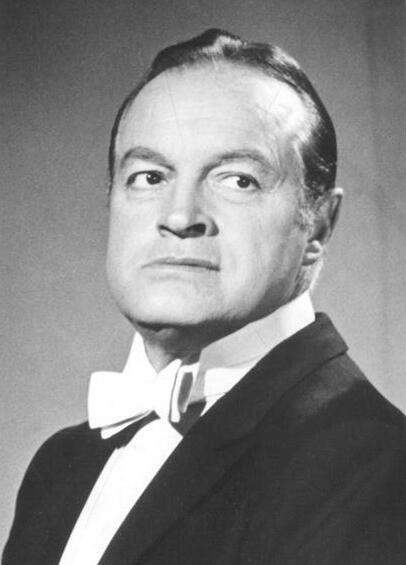
James J. 'Jimmy' Walker — Bob Hope
Played by Bob Hope
A charismatic politician whose ascent to New York City mayor is nurtured by political machinations and influence. He relies on favors and graft to maintain power, while balancing complex personal relationships. His popularity wanes as corruption allegations come to light, culminating in resignation and departure from the city. The role unfolds as a study of ambition, public adoration, and the costs of power.
- 🎭 Ambition
- 💰 Corruption
- 🏛️ Politics
- AW
Allie Walker — Alexis Smith
Played by Alexis Smith
Jimmy's wife, initially willing to support his political aims but increasingly estranged as their relationship strains under the weight of his career. She appears content with her role as the great city's first lady, showing little appetite for renewing the marriage. Her stance on divorce shapes the personal stakes of Jimmy's political life. She embodies the private costs of public ambition.
- 💑 Marriage
- 🗽 Public role
-

Betty Compton — Vera Miles
Played by Vera Miles
A woman who befriends a drunken Jimmy and becomes entangled with him, sparking a mutual attraction. She leverages her connection to help him, then descends into despondency as circumstances complicate their liaison. Betty's arc illustrates how personal relationships intersect with political life and public perception. Her actions propel the story toward its emotional and reputational consequences.
- 💘 Romance
- 💼 Graft
- CN
Chris Nolan — Paul Douglas
Played by Paul Douglas
Jimmy's political mentor who guides his campaign and maneuvering through the political landscape. He plays a pivotal role in leveraging connections and orchestrating events that affect both Betty and the mayor. Chris's involvement underscores the theme of mentorship entwined with realpolitik and private leverage. He embodies the brokers who shape political destinies behind the scenes.
- 🧭 Mentor
- 💼 Political influence
-
Gov. Alfred E. 'Al' Smith — Walter Catlett
Played by Walter Catlett
The governor who convices Walker to run for mayor, setting the political wheel in motion. He represents the early support and institutional backing that fuels Walker's ascent. Al Smith's appearance anchors the film in real-world New York politics and the era of machine politics. His influence helps shape the trajectory of the mayoral story.
- 🏛️ Political ally
- 🤝 Mentorship
Where and When Is Beau James Set?
Beau James is set in New York City and New York (1925–1932). Here is why the time and place matter to the story.
When
1925–1932
The story unfolds across the late 1920s and early 1930s, a period marked by Prohibition, booming wealth, and looming economic collapse. It traces Walker's entry into mayoral politics in 1925, the 1929 stock market crash, and the subsequent strains on his administration. The timeline highlights the tension between public popularity and the creeping consequences of graft and personal scandal. The period culminates in resignation and compelling shifts in personal and political fortunes.
Where
New York City, New York
The film is set in New York City, a sprawling metropolis known for its dense political networks and public spectacle during the Jazz Age. The city serves as the backdrop for Walker's rise to power and the graft that accompanies it, with venues like Yankee Stadium acting as stages for political theater. The urban landscape amplifies the era's opulence and turmoil, framing personal relationships against a backdrop of public scrutiny. NYC is depicted as both a symbol of ambition and a site where corruption can thrive.
- 🏙️ Urban hub
- 🗽 Prohibition-era politics
What Are the Themes of Beau James?
3 ideas the story keeps returning to, among them Power, Romance and Public Image.
-
01
Power
The narrative centers on how political ascent is secured through favors, influence, and manipulation of allies. It portrays power as alluring and public, yet morally ambiguous, capable of both prestige and destruction. The film examines how ambition can drive a leader to tolerate graft and private compromise for the sake of staying in office. Public support is shown to be as fickle as it is essential, shifting with scandal and perception.
-
02
Romance
Romantic entanglements push the plot forward and complicate political life. Jimmy's relationship with Allie and his involvement with Betty reveal how love and loyalty collide with ambition and public duties. These connections highlight the personal costs of power, including strain on marriage and the allure of private advantage. The romance threads ultimately influence decisions that affect the mayor's career and public image.
-
03
Public Image
Media attention and public perception drive much of the narrative, shaping how the audience views the mayor's integrity. The crowd's reactions at events like Yankee Stadium signal shifting public sentiment as graft allegations surface. The film portrays how reputation can mask or magnify underlying political realities, and how exposure can erode popularity even amid electoral success. Public image becomes a central battleground for legitimacy and downfall.
What Kind of Film Is Beau James?
Melancholic in tone, with steady pacing and a straightforward story, going by the plot summary.
- Tone
- Melancholic
- Pacing
- Steady
- Story
- Straightforward
- Intensity
- Medium
- Ending
- Sad
A steady-paced, melancholic drama charting the intoxicating rise and humiliating fall of a charismatic mayor, blending political intrigue with a poignant personal tragedy.
- melancholic
- sobering
- nostalgic
- contemplative
- morally conflicted
- atmospheric
- political corruption
- dysfunctional marriage
- rise and fall
- public scandal
Content notes: suicide attempt.
Quiz
How well do you remember Beau James? Test yourself on the story.