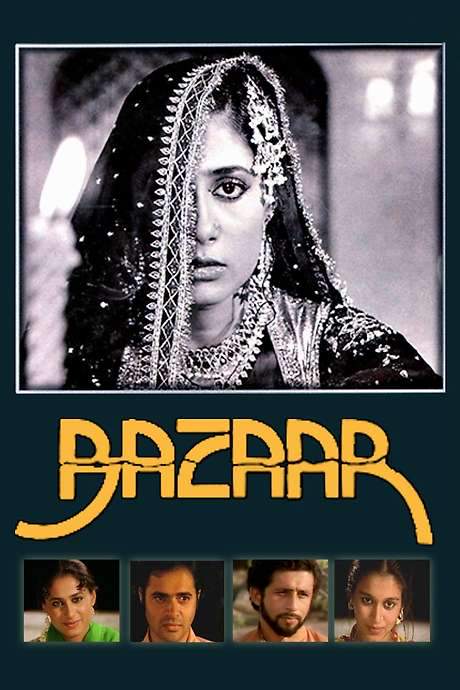
Bazaar 1982

Directed by

Sagar Sarhadi
Made by

New Wave Productions
Where to Watch Bazaar
See current US streaming, rental, and purchase options for Bazaar (1982) via JustWatch.

Fawesome
HD
Hoopla
SD
The Roku Channel
HD
Tubi TV
SD
Google Play Movies
SD
YouTube
SD Streaming availability powered by 
Bazaar Plot Summary
Read the complete plot summary and ending explained for Bazaar (1982). From turning points to emotional moments, uncover what really happened and why it matters.
Najma, Smita Patil is introduced in a cramped Mumbai flat, where she prepares to host Akhtar Hussain, Bharat Kapoor. He speaks of a heated argument at home: his father wants him to marry the daughter of a wealthy cement magnate, but Akhtar insists he will marry for love. He tells Najma that for a free union, he must first earn his own living. He also promises that a middle‑aged man named Shakir Khan, who works in the Gulf, will come to help them start a business. Najma frets about Shakir’s stay, but Akhtar explains that the flat has been provided by Shakir, and insists there is no other way. As the evening unfolds, Najma reveals letters from her family that she has kept unread for six years—letters she refuses to answer because her family once forced her into selling herself to earn money. They justify that “the pride of the Nawaabs” would be tarnished if she worked, so she chose a secret night’s work instead. Akhtar spends the night, and Najma reflects on a previous visit when he had promised to take her away and marry her soon.
The next day, Salim, a well‑known poet who has loved Najma for six years, visits. They share a long‑standing, easy friendship, and Salim reiterates that he could marry her now if she would allow it. He suggests that Najma is living a life of pretense, since Akhtar’s visits serve only to spend the night together, not to wed. Najma and Akhtar receive Shakir Khan at the airport; Shakir inquires about Akhtar and eyes Najma with a possessive interest. Najma reaffirms her love for Akhtar, while Shakir speaks of his own wish to help Akhtar settle and even to marry a woman from Najma’s Hyderabad home town. The notion unsettles Najma.
Shakir asks Najma to throw a party where he, in a separate aside to Akhtar, reveals his longing to marry a woman who will remind him of home. A flashback shows Shakir’s own troubled marriage—an abusive husband who is not welcome at home. He wants Najma to find him a bride from Hyderabad, which disgusts her, yet she agrees to continue the plan because it could unlock a future for her and Akhtar.
The action shifts to Hyderabad, where Sarju and Shabnam fall in love. Nasreen, who secretly loves Sarju, helps arrange a meeting with Shabnam, a friend of Nasreen. While this drama unfolds, Najma travels with the wedding party to Hyderabad, buying jewelry and other wedding necessities. A train‑side flashback revisits Salim’s past visits to Najma’s Hyderabad home, where she repeatedly refused him, insisting he should forget her and that they could only be friends if their paths ever crossed again.
In Hyderabad, Shabnam’s mother struggles to secure a suitable match for her eldest daughter as money constraints bite. Hajjan Bi, the matchmaker played by Shaukat Azmi, presses for a reasonable match. Najma takes on the task of locating a bride from the poorer segments of society, visiting crowded places where families auction their daughters for marriage money. Horrified, Najma questions her own role but for now continues the plan and reunites with her family, where she is drawn to Sarju, her childhood “younger brother” figure. She also encounters Nasreen again and wonders whether Nasreen might be the girl Sarju intends to marry.
A small gathering gathers the Mumbai wedding party with Sarju, Nasreen, and Shabnam as performers; Shabnam sings a haunting song that shifts the mood and draws Shakir Khan’s attention. He reveals again his intent to marry Shabnam, which shocks Najma because Shabnam is still very young. Akhtar pushes the plan forward, arguing that the poor families will be grateful for the match with a wealthy man, even if it means compromising their daughters. The party’s mood darkens as Salim drinks and voices his anger that girls are being sold off to the rich under the umbrella of poverty. He condemns the wedding as a form of human auction and questions the moral price being paid by everyone involved.
When Sarju confronts Shabnam’s parents about the hypocritical bargain, insisting that he and Shabnam love each other and that he is trying to work hard to marry her, he is rebuffed. Najma is torn between her guilt and her complicity, while Salim argues with her that marriage is a socially accepted way of buying and selling people, and that Najma will remain a mere toy until she stands on her own. Sarju, who discovers Najma’s role in arranging Shakir Khan’s life with Akhtar, confronts her with anger and guilt. She dissolves into apology, but Sarju’s interference only leads to a violent confrontation when Shakir Khan lashes out with a fierce blow.
Shabnam, feeling trapped, resists the arranged union but has little choice. She goes to a mazaar and unties the thread she had tied there, symbolically relinquishing the wish that Sarju would be her husband. The moment is heavy with loss as Shabnam’s hopes fade. Sarju and Shabnam meet one last time, sharing a sorrowful farewell as Nasreen assists. Shabnam ultimately marries Shakir Khan, leaving Sarju devastated. Salim decides to return to Mumbai, while Najma, having seen the consequences, chooses to stay and reject Akhtar’s earlier offer, recognizing that his willingness to “buy” her loyalty could trap her again.
The wedding night delivers tragedy: Shakir Khan’s new bride, Shabnam, is found dead on the bridal bed, a death later revealed to be a suicide by poisoning. Sarju is crushed by the news, and Najma, wracked with guilt, boards a train back toward Mumbai with Salim. She finally confesses her part in what has happened, acknowledging that she helped set events in motion that violated someone else’s life and happiness. The film closes on a hard, reflective note as Najma faces the consequences of choices shaped by poverty, desire, and a social system that treats women as commodities, leaving a wake of heartbreak and unresolved longing in its wake.
Bazaar Timeline
Follow the complete movie timeline of Bazaar (1982) with every major event in chronological order. Great for understanding complex plots and story progression.
Najma's Mumbai flat and Akhtar's visit
The film opens with Najma preparing in a Mumbai flat as Akhtar Hussain visits. He explains the pressures of an arranged marriage and says he must earn on his own to marry her. He mentions Shakir Khan's promised help and the flat's arrangement, while Najma recalls her family's past and the shame she felt when forced to sell herself. A flashback hints at a prior attempt to run away with Akhtar.
Salim's arrival and declaration of love
The next morning Salim, a renowned poet, visits Najma and reiterates his six-year love for her. He argues that Akhtar merely uses Najma for nights and has no intention of marrying her. He warns that Najma is living a life of lies in the eyes of society. The confrontation deepens Najma's sense of entrapment and moral doubt.
Shakir Khan arrives and outlines a plan
Najma and Akhtar receive Shakir Khan at the airport. He questions Akhtar's whereabouts and signals his interest in helping them by marrying a woman like Najma. He reveals his wish to marry a bride from Hyderabad and asks Najma to find one, setting the stage for a larger arrangement. The meeting hints at power and money guiding their fates.
Party demands and Shakir's painful past
Shakir asks Najma to host a party where he privately confesses his longing for a wife and a sense of home. A flashback shows his abusive wife and children, explaining why he seeks a bride through Najma. He pressures Najma to locate a suitable bride from Hyderabad to secure his family life. The episode reveals the personal cost of his ambitions.
Hyderabad romance: Sarju and Shabnam
The story shifts to Hyderabad, where Sarju and Shabnam fall in love. Nasreen secretly loves Sarju and helps arrange a meeting, while keeping her own feelings hidden. The lovers face social and familial obstacles as Najma's wedding plans loom in the background. The city's mood underscores the pressure to marry for money.
Najma prepares for the Hyderabad wedding
Najma buys jewellery and other items for the wedding, and the Mumbai wedding party travels toward Hyderabad. A flashback shows Salim's past visits to Najma in Hyderabad and her repeated refusals to marry him. The sequence highlights Najma's inner conflict between love, duty, and economic necessity.
Shabnam's prospects and Hajjan Bi's role
In Hyderabad, Shabnam's mother cannot afford a good match, and Hajjan Bi promises to help when a suitable opportunity arises. Najma searches for a bride among the poor, witnessing girls displayed as prospects for money. The visit intensifies Najma's discomfort with the plan and the social marketplace she is part of.
The wedding plan: Shabnam as a bride for Shakir
During a gathering with the Mumbai wedding party, Shabnam's wedding is proposed to Shakir Khan. Shabnam is barely sixteen, shocking Najma. Akhtar urges Najma to push the arrangement forward, arguing poverty will force families to accept, while Salim protests the commodification of brides.
Sarju confronts the parents; Najma's guilt grows
Sarju learns of the planned wedding and confronts Shabnam's parents about auctioning her happiness. He vows to stop the wedding or harm himself, while Najma begins to feel the harm she has helped cause. Salim condemns the system, emphasizing that marriage is a form of selling people for survival.
Shabnam's marriage and the tragedy
Shabnam is married to Shakir Khan despite her protests. She goes to the mazaar to untie the thread of her wish, but soon poisons herself. The wedding night reveals Shabnam's body on the bridal bed, devastating Sarju and the party. Najma feels immense guilt for her role in orchestrating the arrangement.
Najma confesses to Salim on the train
On the return journey to Mumbai, Najma tells Salim about Shabnam's death and the consequences of the wedding scheme. She openly owns up to her part in orchestrating the match and the harm it caused. The moment marks a personal reckoning as she confronts the reality of her actions.
Final reckoning and resolve
Back in Mumbai, Najma rejects Akhtar, recognizing that he could betray her for money again. Akhtar breaks down, realizing he has been ruined by his ambitions. Najma accepts responsibility for her role and resolves to seek a different path, acknowledging the damage done by the money-driven schemes.
Bazaar Characters
Explore all characters from Bazaar (1982). Get detailed profiles with their roles, arcs, and key relationships explained.
Najma (Smita Patil)
Najma is a woman entangled in a cycle of poverty and family pride who sells her future to secure a livelihood. She initially supports Akhtar's plan to marry and profit from his prospects, but grows increasingly aware of the cost of selling happiness. By the end, she confronts the system and chooses to face the consequences, even as she rejects Akhtar's advances. Her arc centers on guilt, responsibility, and a desire for independence.
Salim
A renowned poet who loves Najma, Salim confronts the commodification of marriage and insists that true love cannot be bought. He expresses anger at the wedding market and warns Najma about the path she is choosing. His perspective provides the moral counterpoint to the transactions around him, and he ultimately returns to Mumbai, carrying the weight of what he has witnessed.
Akhtar Hussain
A young man from a wealthy background who believes marriage to Najma will secure his future. He uses Najma as a means to an end, promising to stand on his own and start a life with her only if money is involved. His actions reveal opportunism reinforced by social pressure and a willingness to exploit Najma's vulnerability.
Shabnam
A young woman forced toward marriage with Shakir Khan, Shabnam represents the tragedy born from families trading daughters for wealth. She resists yet is powerless to change her fate, ultimately choosing death over a life devoid of agency.
Sarju
Najma's childhood friend who loves Shabnam and fights against the wedding plan. He confronts the family, pleads for mercy, and becomes a symbol of personal honor and the cost of the social system on those who attempt to resist.
Shakir Khan
A successful man whose wealth enables him to purchase a bride, Shakir Khan embodies the patriarchal power that feeds on vulnerability. He is depicted as abusive and calculating, ultimately the wedding leads to tragedy for Shabnam.
Nasreen
A friend who helps arrange meetings and navigates the social web that binds lovers and families together. Her role underscores the network of women who operate within and around the system, sometimes complicit, sometimes complicitly resisting.
Shabnam's Mother
Shabnam's mother is a figure shaped by economic pressures and social expectations. She faces a difficult choice between family honor and the daughter's happiness, illustrating how mothers navigate the system to secure a future for their children.
Bazaar Settings
Learn where and when Bazaar (1982) takes place. Explore the film’s settings, era, and how they shape the narrative.
Location
Mumbai, Hyderabad
Set primarily in Mumbai and Hyderabad, the film juxtaposes cramped city flats and the social networks that bind women to marriages for money. The urban environment highlights economic disparities that drive the 'gifts' and dowries central to the plot. The journey between the two cities marks a shift from vulnerability to a confrontation with the social system.
Bazaar Themes
Discover the main themes in Bazaar (1982). Analyze the deeper meanings, emotional layers, and social commentary behind the film.
💔
Exploitation
Najma's life is shaped by poverty and family honor, forcing her into a world where marriages are arranged as transactions. The film shows men leveraging money and social leverage to control women's futures. The consequences are tragedy, guilt and a critique of a system that treats people as commodities rather than individuals. It remains a stark portrait of how economic desperation can corrupt intimate relationships.
🏛️
Class, Hypocrisy
The narrative contrasts wealth and poverty, exposing how respectability masks exploitation. Dowries, matchmaking, and parental pressure convert personal choices into public transactions. The film critiques a tradition that privileges those with money and status while leaves the vulnerable unprotected. It reveals the hypocrisy of 'respectability' while profiting from the misery.
🗣️
Voice and Agency
Salim's poetic vocation stands against commodification as he condemns marriages bought with money. Najma's evolution from a dependent participant toward acknowledging her role in the system signals a longing for personal autonomy. The tragedy of Shabnam culminates from the same system by denying women a voice in their own destinies. The film suggests that true freedom requires economic and social self-determination.

Coming soon on iOS and Android
The Plot Explained Mobile App
From blockbusters to hidden gems — dive into movie stories anytime, anywhere. Save your favorites, discover plots faster, and never miss a twist again.
Sign up to be the first to know when we launch. Your email stays private — always.
Explore the mobile appBazaar Spoiler-Free Summary
Discover the spoiler-free summary of Bazaar (1982). Get a concise overview without any spoilers.
In the bustling corridors of a cramped Mumbai flat, Najma lives a life caught between love and practicality. She cherishes a deep, platonic affection for Salim, a poet whose devotion has lingered for years, yet she refuses to bind herself to him until she can secure the financial stability he promises. Across the hallway, Akhtar—a determined yet restless dreamer—sways between ambition and the expectations of a family that pushes him toward an advantageous marriage. Their intertwined hopes create a delicate balance, each yearning for a future that feels both possible and out of reach.
The narrative expands when an elderly benefactor, Shakir, arrives from the Gulf with an unexpected proposition: he will fund Akhtar’s fledgling business venture, but only if Najma can locate a suitable bride for him. This condition thrusts her into a murky world where traditional customs, economic desperation, and personal loyalties collide. The story’s backdrop shifts between the crowded streets of Mumbai and the more modest, tradition‑laden neighborhoods of Hyderabad, painting a portrait of a society where marriage can feel like both a promise and a transaction.
Through intimate conversations and lingering glances, the film explores the weight of societal expectations placed on women, the quiet dignity of those who navigate poverty, and the moral compromises forced upon them. Najma’s inner conflict—balancing her love for Salim, her commitment to Akhtar, and the demands of Shakir—creates a tension that hums beneath every scene, while the supporting faces of friends and family echo the same struggles in their own quiet ways.
The tone is simultaneously tender and austere, blending the warm, claustrophobic intimacy of a shared home with the broader, often unforgiving realities of a city where dreams are bought and sold. As the characters wade through these layered obligations, the audience is invited to contemplate the fragile line between loyalty and self‑preservation, and to wonder what paths will emerge when love, duty, and survival intersect.
Movies with Similar Twists and Themes
Uncover films that echo the narrative beats, emotional arcs, or dramatic twists of the one you're exploring. These recommendations are handpicked based on story depth, thematic resonance, and spoiler-worthy moments — perfect for fans who crave more of the same intrigue.
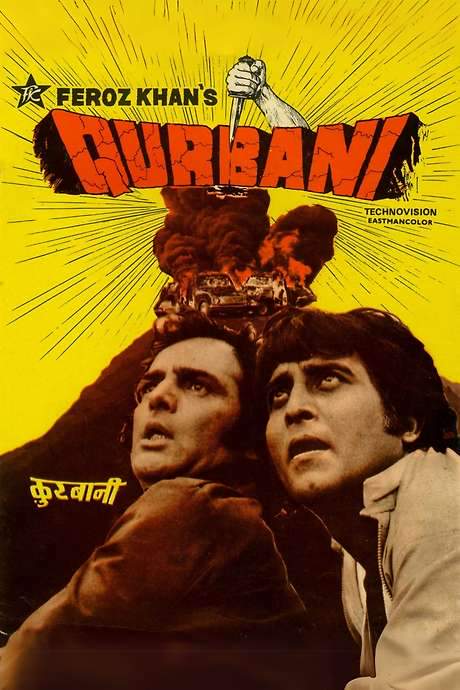

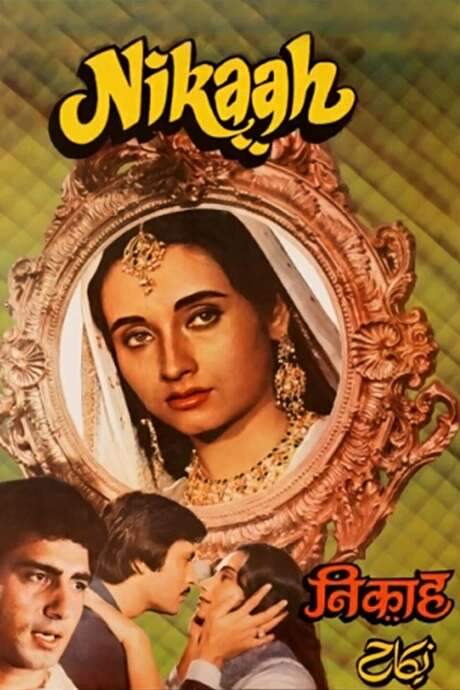


Featured on this page

What's After the Movie?
Not sure whether to stay after the credits? Find out!
Check out our other apps:

SAT Sphere
Build confidence for the Digital SAT.

Mori Atlas
Discover wild places worth protecting.

Luntero
Search smarter for a home in Amsterdam.

Plot Explained
Unravel movie endings and hidden clues.

Pokechamp
Dive into Pokémon data and battle logic.

Driving Theory
Get ready for your European theory test.

Movie Dust
Plan your next cinema trip with ease.

Musemap
Find art and culture as you travel.

Selkobase
Compare credentials before committing.

Local Manual
Turn an unfamiliar country into practical next steps.

Lernavi
Compare school systems before your next move.

GymRoam
Find a workout stop wherever your plans take you.
Explore Our Movie Platform
New Movie Releases (2026)
Famous Movie Actors
Top Film Production Studios
Movie Plot Summaries & Endings
Major Movie Awards & Winners
Best Concert Films & Music Documentaries
Movie Collections and Curated Lists
© 2026 What's After the Movie. All rights reserved.
Privacy Policy