
Battles Without Honor and Humanity: Police Tactics 1974


Directed by
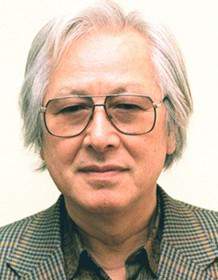
Kinji Fukasaku
Made by
Toei Company
Where to Watch Battles Without Honor and Humanity: Police Tactics
See current US streaming, rental, and purchase options for Battles Without Honor and Humanity: Police Tactics (1974) via JustWatch.








Battles Without Honor and Humanity: Police Tactics Plot Summary
Read the complete plot summary and ending explained for Battles Without Honor and Humanity: Police Tactics (1974). From turning points to emotional moments, uncover what really happened and why it matters.
In the fall of 1963, a nationwide police crackdown targets yakuza activities as Japan braces for the 1964 Summer Olympics. Yet the brutal war between the Yamamori Family and the Shinwa Group continues to spill into every corner of the underworld, pulling in reinforcements from across the country. Noburo Uchimoto, [Takeshi Katô], Shozo Hirono, [Bunta Sugawara], and Shinichi Iwai, [Tatsuo Umemiya], throw in with two more high-placed leaders—Hidemitsu Kawada, [Shin’ichirô Mikami], and Tomoji Okajima, [Asao Koike]—to widen the fighting. On the other side, Akira Takeda, [Akira Kobayashi], captain of the Yamamori Family, keeps a fierce lid on his rivals as Yamamori himself flees toward Hiroshima City, while Makihara and his faction push the war forward. The tense balance of power is further complicated by the presence of Shoichi Fujita, [Hiroki Matsukata], a senior member of the Gisei Group who could become Okajima’s successor, and by the calculated moves of Akashi’s own circles, guided in part by Kenichi Okubo, [Asao Uchida], an adviser who is careful not to overstep his bounds.
As the authorities tighten their grip, the police begin squeezing the gangs’ money streams and press coverage paints yakuza violence as a public menace. The public outcry grows as a drunken civilian is killed by an Uchimoto associate, and sensational headlines fuel a sense of crisis. The force at Hirono’s office is relentless, a constant stakeout that bottlenecks his operations even though he remains technically on parole. Uchimoto refuses to retaliate in kind, while Akashi’s faction grapples with its own Tokyo troubles. The escalating pressure drives Hirono to a dangerous plan: he intends to confront Yamamori directly when Yamamori travels to Kobe, but the escort detail supporting him abandons the mission, leaving the target exposed. The Akashi camp chooses not to let Yamamori be struck on their turf, preferring to preserve appearances. Instead, Iwai devises a broader gambit—he and Hirono stage a large memorial service for a murdered officer as a pretext to summon hundreds of men and strike Hiroshima City.
The fragile truces begin to fracture when Uchimoto is abducted at gunpoint by Takeda and Yamamori, and he betrays his partners to save himself. Yamamori leaks information to the police about a past offense by Hirono, triggering his arrest at a critical moment and forcing the assault to be called off. Back in the mix, Takeda learns that Okajima’s girlfriend is being used as a spy, and he manipulates that information to force her reveal of Okajima’s whereabouts, which nearly leads to Okajima’s assassination and heightens Takeda’s vigilance.
Internal flames flare as Fujita retaliates by bombing the Hiroshima headquarters of Yamamori’s officer Shoichi Eda, and Uchimoto’s own loyalty frays—he betrays his men to curry favor with Takeda, hoping to save himself. The clash grows messier as the police sweep up participants from both sides, and the Gisei Group undergoes a rapid, makeshift rebuild in the wake of these upheavals. Iwai and Hirono exchange grim assessments from jail, while Makihara receives a three-year sentence, Eda five, Yamamori about a year and a half, and Uchimoto secures a deal to dissolve his faction and retire from the yakuza. In a final twist, Takeda and his Hiroshima network consolidate power in the resulting vacuum, setting the stage for a broader political maneuvering against their rivals.
In the end, as the cold, unheated room closes in around Hirono on parole, the men around him confront the consequences of violence, loyalty, and shifting alliances. Takeda, half-joking but all too serious, hints that his own faction might seek to morph into a political committee once he’s released, leaving Hirono to ponder the road ahead and the price of staying in the game.
Battles Without Honor and Humanity: Police Tactics Timeline
Follow the complete movie timeline of Battles Without Honor and Humanity: Police Tactics (1974) with every major event in chronological order. Great for understanding complex plots and story progression.
Nationwide crackdown as Olympics loom
In fall 1963, police intensify their assault on yakuza networks across Japan as the government prepares for the 1964 Summer Olympics. The Yamamori Family and the Shinwa Group widen their conflict against an Uchimoto–Hirono–Akashi alliance, each side recruiting reinforcements. The crackdown signals a turning point that will intensify the war.
Alliances recruit reinforcements
Noburo Uchimoto, Shozo Hirono, and Shinichi Iwai bring in Kawada and Okajima to expand their coalition. The added bosses are meant to balance Yamamori and Shinwa’s advantages, escalating the war across major cities. With new leadership, the alliance gains more resources for future confrontations.
Killing of Hirono's officer sparks vow
One of Hirono's officers is killed by men from the Makihara Family, prompting Hirono to vow revenge. His vow is tempered by advisors who urge restraint, highlighting the tension between personal vengeance and political calculation. The incident sets the tone for a protracted vendetta within the broader war.
Takeda pressures to keep Hirono in Kure
Akira Takeda threatens Okubo’s life if he fails to keep Hirono in Kure, using it as leverage to control the field. The pressure demonstrates how assassination plays a strategic role in the power struggle. The move tightens Yamamori’s grip on the Kure front.
Yamamori flees to Hiroshima; Makihara war persists
Yamamori flees to Hiroshima City while Makihara’s faction continues fighting elsewhere, keeping the war alive across regions. The escape signals a strategic shift and a surge in police pressure nationwide. The fighting persists as both sides consolidate territory.
Police squeeze and media demonize yakuza
Police begin squeezing gang rackets and business interests as the public turns against the yakuza. Newspapers publish stories that demonize the gangs, fueling calls for action. The crackdown adds legal and social pressure to the violence already underway.
Hirono's office under police stakeout
A constant police stakeout on Hirono’s office effectively paralyzes him, given his parole status keeps him under surveillance. The tactic shows how law enforcement can neutralize a powerful player even without a direct arrest. Hirono fights to maintain influence under the watch.
Disguised departure to kill Yamamori in Kobe
Hirono learns Yamamori will travel to Kobe, and he leaves his base in disguise to kill him personally. The planned strike risks a fierce counterattack that could redraw the regional balance. Meanwhile, Yamamori’s men attempt to move covertly to avoid detection.
Escort hit plan derailed; memorial service as a pretext for attack
The two men escorting Yamamori’s target plan to execute the hit themselves, but Akashi intercepts them to preserve honor. Iwai masterminds a large memorial service as a pretext to bring hundreds for an attack on Hiroshima City. The double move blends ritual mourning with strategic violence.
Uchimoto is abducted; Hirono’s past crime exposed
Uchimoto is abducted at gunpoint by Takeda and Yamamori and betrays his partners in the process. Yamamori tips the police to a year-old crime by Hirono, triggering arrests that reshape the balance of power. The crackdown unsettles Hirono’s allies and strengthens the hands of his adversaries.
Takeda forms Hiroshima coalition; Akashi house bomb triggers retaliation
Takeda forges a coalition of Hiroshima-area yakuza to counter the Akashi-led alliance. He orders a bombing of Boss Akashi’s house in Kobe to frame the Shinwa Group, provoking retaliation and a widening cycle of violence. The actions heighten police action and regional tensions.
Kawada manipulates Yazaki; Fujita killed; Yazaki jailed
Kawada manipulates Yazaki to drive Fujita into murder, resulting in Yazaki’s 20-year sentence. The scheme shows how lower-ranking members are pulled into the power struggle. The repercussions ripple through the Gisei and Kawada factions.
Iwai visits Hirono in jail; Akashi withdraws support
Iwai visits Hirono in jail and explains that Akashi’s backing is fading as police pressure increases. The shifting alliances threaten the cohesion of the Akashi-led faction. Prosecutors continue to press charges to solidify the case against the yakuza leadership.
Prosecutors build the case; multiple sentences issued
Prosecutors assemble charges that accelerate the legal process, revoking Hirono’s parole and sending several leaders to prison. Hirono receives seven years, Makihara three, Eda five, and Yamamori about a year and a half. Uchimoto negotiates a retirement from the yakuza to go on probation.
Final scene: prison wait and a political omen
Waiting to be booked into prison, Takeda jokingly mentions turning his family into a political committee once released. The line underscores how crime and politics shade into each other in this world. The film closes with its captains facing long futures behind bars or in political shadows.
Battles Without Honor and Humanity: Police Tactics Characters
Explore all characters from Battles Without Honor and Humanity: Police Tactics (1974). Get detailed profiles with their roles, arcs, and key relationships explained.
Noburo Uchimoto (played by Takeshi Katô)
A calculating, cautious boss who relies on manipulation over direct action. He navigates alliances to preserve his own position while avoiding unnecessary risk. His cowardice contrasts with his strategic mind, making him a dangerous player who prefers controlled moves to risky battles.
Shozo Hirono (played by Bunta Sugawara)
A aggressive, territory-driven leader whose ambition fuels the yakuza war. He fights to expand his base and protect his faction, often clashing with rivals over control of key districts. His decisive, sometimes impulsive actions push events toward confrontation.
Shinichi Iwai (played by Tatsuo Umemiya)
A shrewd Akashi Group lieutenant who orchestrates plans and leverages complex schemes. He thrives on behind-the-scenes strategy, using memorial rituals and public appearances to marshal hundreds of men for attacks. His loyalty to the Akashi network is tactical and persistent.
Hidemitsu Kawada (played by Shinichirô Mikami)
Head of the Kawada Family, he manipulates rivals to protect his own turf. He constantly weighs risk and reward, using others to further his territorial goals. His calculated moves show how power grows through careful, often ruthless planning.
Tomoji Okajima (played by Asao Koike)
Leader of the Gisei Group whose network is threaded with deception and personal risk. His coalition-building and strategic spying—including leveraging Okajima's girlfriend—demonstrate how intimate relationships intersect with criminal enterprise. He responds with calculated retaliation when his position is challenged.
Akira Takeda (played by Akira Kobayashi)
Captain of the Yamamori Family who wields influence through bold moves and coercive tactics. He threatens rivals, engineers strategic setbacks, and orchestrates actions that ripple across cities. His calculated aggression keeps rival factions off balance while he maneuvers for broader control.
Battles Without Honor and Humanity: Police Tactics Settings
Learn where and when Battles Without Honor and Humanity: Police Tactics (1974) takes place. Explore the film’s settings, era, and how they shape the narrative.
Time period
Fall 1963
Set in the autumn of 1963, the film situates Japan in a tense pre-Olympic atmosphere. The government intensifies a nationwide crackdown on yakuza activity in anticipation of the 1964 Olympics. The period is marked by heightened police activity, press scrutiny, and political maneuvering among rival factions. It frames a transitional moment in postwar Japan when order and criminal power clash in public view.
Location
Hiroshima City, Kobe, Kure, Tokyo
The story unfolds across Japan’s coastal urban hubs, from Hiroshima’s port areas to Kobe’s bustling harbor and Kure’s military-adjacent zones, highlighting where gang factions clash for influence. These cities serve as backdrops for rapid shifts in power and the logistics of yakuza warfare. The film also touches Tokyo as a political center where higher-level decisions ripple through local battles. Together, the locations reflect a country under scrutiny as the 1964 Summer Olympics approach.
Battles Without Honor and Humanity: Police Tactics Themes
Discover the main themes in Battles Without Honor and Humanity: Police Tactics (1974). Analyze the deeper meanings, emotional layers, and social commentary behind the film.
🗡️
Power & Loyalty
Power is negotiated through kinship, alliances, and brutal calculations. Bosses balance loyalty to their own families with the risk of betrayal by rivals and law enforcement. The warriors of the yakuza navigate shifting loyalties as territory and influence are won or lost. The film portrays how personal bonds can both sustain and destroy criminal empires.
📰
Media & Public Opinion
Newspaper coverage accelerates public demonization of the yakuza, shaping government response and police tactics. The media storm creates pressure for action beyond what the police can practically achieve. Public outrage and sensational reporting elevate personal and political risk for everyone involved. The narrative shows how perception can drive real-world consequences.
⚖️
Law & Order
The narrative follows stakeouts, arrests, and legal repercussions that ripple through factions. Prosecutors, parole, and prison sentences become instruments to destabilize power structures. Police strategy and strategic concessions reveal the limits and costs of enforcing order. The film frames law as both a tool and a weapon in the war between rival clans.

Coming soon on iOS and Android
The Plot Explained Mobile App
From blockbusters to hidden gems — dive into movie stories anytime, anywhere. Save your favorites, discover plots faster, and never miss a twist again.
Sign up to be the first to know when we launch. Your email stays private — always.
Explore the mobile appBattles Without Honor and Humanity: Police Tactics Spoiler-Free Summary
Discover the spoiler-free summary of Battles Without Honor and Humanity: Police Tactics (1974). Get a concise overview without any spoilers.
In the waning months before the 1964 Summer Olympics, Japan’s streets pulse with a restless energy as the nation readies itself for the world’s gaze. A sweeping police crackdown, fueled by growing public outrage and relentless media scrutiny, turns the country’s underworld into a pressure cooker. The law‑enforcement surge is not just a campaign; it reshapes the very fabric of daily life, casting a stark, almost cinematic light on the shadows that have long thrived beneath the surface.
Within Hiroshima’s tangled network of yakuza clans, a new generation of leaders confronts the tightening grip of authority. Noburo Uchimoto commands a faction that prizes restraint, while Shozo Hirono balances a volatile reputation with a calculated calm. Beside them, Shinichi Iwai brings a pragmatic edge to the alliances forming in the streets. Opposite them stands Akira Takeda, the steely captain of the Yamamori Family, whose influence radiates through both loyalty and fear. Around them, seasoned figures such as Tomoji Okajima, Hidemitsu Kawada and Shoichi Fujita maneuver silently, each bearing their own vision for the future of the criminal world.
The intensified police assault forces these disparate personalities into a volatile dance of strategy and survival. Old rivalries are sharpened, tentative truces teeter on the brink, and every whispered conversation carries the weight of potential upheaval. The atmosphere is thick with a gritty realism—rain‑slicked alleys, dimly lit offices, and the ever‑present hum of surveillance—that mirrors the larger national expectation of order and progress. As the crackdown deepens, the families find themselves compelled to adopt new tactics, forge uneasy partnerships, and reassess long‑held loyalties.
Against this backdrop, the balance of power in Hiroshima hangs in a delicate equilibrium, hinting at a broader reshaping of the underworld’s hierarchy. Ambition, honor, and the desire to survive in an increasingly hostile environment drive each character to navigate a maze of shifting allegiances. The stage is set for a tense, atmospheric conflict where every decision reverberates through the city’s streets, leaving the audience with a lingering sense of unease and curiosity about where the next move will land.
Featured on this page

What's After the Movie?
Not sure whether to stay after the credits? Find out!
Check out our other apps:

SAT Sphere
Build confidence for the Digital SAT.

Mori Atlas
Discover wild places worth protecting.

Luntero
Search smarter for a home in Amsterdam.

Plot Explained
Unravel movie endings and hidden clues.

Pokechamp
Dive into Pokémon data and battle logic.

Driving Theory
Get ready for your European theory test.

Movie Dust
Plan your next cinema trip with ease.

Musemap
Find art and culture as you travel.

Selkobase
Compare credentials before committing.

Local Manual
Turn an unfamiliar country into practical next steps.

Lernavi
Compare school systems before your next move.

GymRoam
Find a workout stop wherever your plans take you.
Explore Our Movie Platform
New Movie Releases (2026)
Famous Movie Actors
Top Film Production Studios
Movie Plot Summaries & Endings
Major Movie Awards & Winners
Best Concert Films & Music Documentaries
Movie Collections and Curated Lists
© 2026 What's After the Movie. All rights reserved.
Privacy Policy