
Barefoot Gen 1983

Directed by

Junji Nishimura
Made by

Gen Productions
Barefoot Gen Plot Summary
Read the complete plot summary and ending explained for Barefoot Gen (1983). From turning points to emotional moments, uncover what really happened and why it matters.
Gen Nakaoka and his family live in Hiroshima, Japan during the final days of World War II. The family struggles with food shortages and constant air-raid warnings. Kimie Nakaoka is pregnant and malnourished, and Gen’s sister Eiko Nakaoka helps with the housework. Daikichi Nakaoka and his son Shinji Nakaoka work in the family’s wheat field, trying to find sustenance for Kimie. As the war drags on, Daikichi and Kimie sense the fighting isn’t going well, and they wonder why Hiroshima has somehow been spared the air strikes that devastated other cities.
On August 6, 1945, Gen and a friend reach the school just as a lone B-29 roars overhead and drops an atomic bomb, razing the city. The friend is killed in the blast, and Gen is buried under rubble yet somehow survives. He finds his mother attempting to rescue their family, who are buried alive beneath their burning home, but Daikichi urges Gen to look after his mother and the baby. Daikichi, [Eiko Nakaoka], and [Shinji Nakaoka] burn to death as Kimie briefly suffers a mental breakdown. With the help of a neighbor, the two find a safer place where Kimie gives birth to a baby girl, Tomoko. The city is then coated in Black rain, the fallout from the bombing.
Gen spends the next days scouring for food. He discovers that soldiers are distributing rice, but the men are also gathering bodies to burn in mass graves. He carries a radiation-poisoned soldier to a makeshift hospital, where the soldier dies. Gen manages to loot a few bags of intact rice from a ration warehouse and brings them to his mother, together with some fresh vegetables. Kimie notices bald patches on Gen’s head, recalling the soldier’s death from an unknown illness, and Gen is struck by the memory, triggering a mental breakdown.
A few days later, on August 9, another atomic bomb drops on Nagasaki after Japan refuses to surrender following an ultimatum from the United States. On August 15, Gen and Kimie dig up the remains of their family from their former home and learn from a nearby family that Japan has surrendered, though their prayers for peace come too late. They take refuge in a makeshift shack and try to subsist on meager rations. A small boy, Ryuta, tries to steal their rice, but Gen catches him and is startled by Ryuta’s resemblance to Shinji. They decide to take Ryuta in after learning he was orphaned by the bombing.
In the days that follow, Gen and Ryuta search for food as Tomoko grows malnourished. A man offers them a job tending to his ill-tempered brother Seiji, paying 10 yen a day, but the boys grow weary of mistreatment and quit. Seiji pleads with them to return, grateful that they treated him like more than a rotting corpse. Gen tells Ryuta to tell his mother where they are, and he spends the night with the man, which rekindles his love of painting. The brother then pays them 100 yen and they head out to find milk for Tomoko. When they return, they discover that Tomoko has died.
Weeks later, Gen and Ryuta notice that wheat is beginning to grow again, offering a glimmer of renewed hope. They set a paper boat lantern adrift on the river, and together they watch it sail toward the sunset, holding on to the quiet possibility of a better tomorrow.
Barefoot Gen Timeline
Follow the complete movie timeline of Barefoot Gen (1983) with every major event in chronological order. Great for understanding complex plots and story progression.
Life in Hiroshima under wartime shortages
Gen Nakaoka and his family endure food shortages and constant air raid warnings in Hiroshima. Kimie is pregnant and malnourished, while Gen's sister Eiko helps with housework as Gen and his brother Shinji assist their father Daikichi in the wheat field. The family watches the war's progress, wondering why Hiroshima has been spared from the air raids that devastated other cities.
The bomb hits Hiroshima; devastation and loss
On August 6, 1945, Gen and a friend are at school when an atomic bomb explodes above Hiroshima. The friend is killed; Gen is buried under rubble but survives. Daikichi, Eiko, and Shinji die in the ensuing fire, while Kimie briefly sinks into a mental breakdown. A neighbor helps the family begin to escape toward a safer location.
Safe shelter and the birth of Tomoko
With the help of a neighbor, Gen and Kimie find a safe shelter amid the ruins. Kimie gives birth to a baby girl, Tomoko, as the city burns around them. The newborn’s cries punctuate the silence of a devastated landscape.
Black rain and the aftermath
Dark rain begins to fall over the ruined city, the fallout from the bomb spreading through the air. Gen and Kimie grapple with fear and the new responsibility of caring for Tomoko. The harsh conditions push the family toward a fragile existence.
Seeking food and tending the wounded
Gen searches for food while soldiers distribute rice, but he discovers they are handling corpses and burning them in mass graves. He carries a radiation-poisoned soldier to a makeshift hospital, where the man dies. This experience deepens Gen's trauma as he brings home some rice and vegetables for his mother.
Hair loss and a mental breakdown
Kimie notices bald spots on Gen's head, a reminder of the illness from their harsh conditions. Gen recalls the dying soldier and experiences a mental breakdown, overwhelmed by the war's toll. The family clings to small moments of relief amid scarcity.
Nagasaki bomb and its echo
On August 9, 1945, another atomic bomb strikes Nagasaki as Japan refuses to surrender. The attack compounds the sense that the war's end is still distant and uncertain for Gen's family. The couple continues to struggle for basic survival in the aftermath.
Surrender and the arrival of Ryuta
On August 15, Gen and Kimie learn of Japan's surrender after digging up the remains of their family members, but they feel the prayers for peace arrive too late. They move to a makeshift shack and try to survive on scarce food. Amid the ruins, they encounter Ryuta, a boy who was orphaned by the bomb.
Ryuta joins the improvised family
Gen and Kimie take in Ryuta, recognizing their shared loss. Together they face hunger and the uncertain future, with Ryuta's presence offering a glimmer of hope. The trio continues to search for food and safety in the bomb-scarred landscape.
A grueling job with Seiji and a spark of art
The boys find a job tending to Seiji, the ill-tempered brother of another survivor, for 10 yen a day. They endure mistreatment, even slapping Seiji, and eventually quit after Seiji begs them to return. Gen spends the night with the man, which inspires him to paint again.
A small windfall and a milk run
Seiji's brother pays them 100 yen after their brief stay and work, a rare stroke of luck in the famine-struck city. The money allows them to buy milk and other essentials for Tomoko. It’s a fleeting comfort amid ongoing hardship.
Tomoko's death and lingering sorrow
When Gen and Ryuta return home, they find that Tomoko has died from malnutrition. The loss compounds their grief and strengthens their resolve to endure in the ruined city. They lean on each other as they press forward.
Hope sprouts: the wheat and the paper lantern
Weeks later, wheat begins to sprout again, signaling a fragile return of life. Gen, Kimie, and Ryuta set a paper boat lantern adrift on the river, praying for peace. They watch the lantern drift toward the sunset, a small beacon of hope amid ruin.
Barefoot Gen Characters
Explore all characters from Barefoot Gen (1983). Get detailed profiles with their roles, arcs, and key relationships explained.
Gen Nakaoka (Issei Miyazaki)
A young boy who toils to feed his pregnant mother and siblings while coping with wartime shortages and the psychological toll of war. He demonstrates resilience and leadership as he searches for food and safety, often forced to make hard choices to protect his family. His memories of loss, like his brother Shinji, haunt him, triggering moments of breakdown but also a stubborn hope for a better future.
Kimie Nakaoka (Yoshie Shimamura)
Gen's mother, pregnant and malnourished, striving to care for her family amid famine and air raids. She embodies maternal strength and vulnerability, facing moments of despair yet continuing to persevere for her unborn child. Her vulnerability reveals the toll of war on civilians, especially women and mothers.
Eiko Nakaoka (Seiko Nakano)
Gen's sister, a supportive figure aiding their mother and family. She contributes to housework and survival, maintaining a sense of normalcy despite the chaos. Her presence highlights sibling solidarity under strain.
Daikichi Nakaoka (Takao Inoue)
The father who works in the family's wheat field and struggles with the war's impact; he recognizes the futility of the conflict and strives to keep the family together. His death marks a turning point in Gen's journey and in the family's attempt to endure.
Shinji Nakaoka (Masaki Kouda)
Gen's older brother, who dies in the bombing; his memory haunts Gen and underscores the human cost of war. His absence motivates Gen to protect the family while confronting the emptiness left by war.
Seiji Yoshida (Katsuji Mori)
A man whose ill-tempered brother is cared for by Gen and Ryuta; his character reveals the complexity of post-war survival and gratitude that can emerge from acts of kindness amid hardship. He expresses appreciation when treated with compassion.
Ryuta
An orphaned boy who initially tries to steal food but is taken in by Gen and his mother. He becomes a symbol of lost childhood and the possibility of new family in the wake of tragedy. His presence drives Gen's protective instincts and helps underscore hope.
Landlord (Koichi Kitamura)
A landlord figure who interacts with the family in the film's world; he represents the social relationships and the economy that persists even in ruin. His presence adds a layer of social dynamics to the survivors' daily life.
Boku Pak (Junji Nishimura)
A neighbor character whose role shows how communities come together amid disaster. His involvement and the aftermath of his actions highlight communal support networks.
Narrator (Tatsuya Jo)
The narrator frames the story, guiding viewers through Gen's experiences and the broader events that shape the setting. The narration helps convey the passage of time and the gravity of the events.
Barefoot Gen Settings
Learn where and when Barefoot Gen (1983) takes place. Explore the film’s settings, era, and how they shape the narrative.
Time period
1945
The story unfolds in the final months of World War II, with Japan facing scarcity and air raids. It centers on the August 6 bombing of Hiroshima and the August 9 bombing of Nagasaki, followed by Japan's surrender on August 15. The timeframe emphasizes civilian resilience and the abrupt transition from wartime hardship to a devastated post-war reality.
Location
Hiroshima, Japan
Set in Hiroshima, Japan, during the final days of World War II, the city is shaken by air-raid warnings and severe food shortages. The narrative follows a civilian family as they struggle to survive amid the chaos and imminent threat of bombardment. The city’s ruins and the onset of radioactive fallout shape daily life and the choices they must make to endure.
Barefoot Gen Themes
Discover the main themes in Barefoot Gen (1983). Analyze the deeper meanings, emotional layers, and social commentary behind the film.
🕯️
Survival
In the face of famine, injury, and constant danger, the characters struggle to secure food and shelter. Survival becomes a test of resolve, resourcefulness, and moral choice as they prioritize family over self. Small acts of care and perseverance illuminate how people endure extreme hardship.
☢️
Nuclear Trauma
The film foregrounds the immediate and lasting impact of atomic bombings on civilians. Radiation, disease, and ruined infrastructure amplify the horror of war beyond conventional warfare. Characters grapple with grief and trauma while seeking safety and a sense of normalcy.
👪
Family and Community
Family bonds sustain the characters through loss and deprivation, while neighbors form a fragile support network. The narrative uses intimate moments—like caring for a newborn or taking in an orphan—to explore resilience, memory, and the human capacity for kindness amid devastation.

Coming soon on iOS and Android
The Plot Explained Mobile App
From blockbusters to hidden gems — dive into movie stories anytime, anywhere. Save your favorites, discover plots faster, and never miss a twist again.
Sign up to be the first to know when we launch. Your email stays private — always.
Explore the mobile appBarefoot Gen Spoiler-Free Summary
Discover the spoiler-free summary of Barefoot Gen (1983). Get a concise overview without any spoilers.
In the waning days of a global conflict, Hiroshima is a city clinging to routine amidst scarcity and the relentless echo of air‑raid sirens. The streets are lined with makeshift markets and weathered homes, each bearing the quiet strain of ration cards and whispered rumors of a war that seems to be slipping away. The atmosphere is a delicate balance between exhausted resilience and a fragile hope that the next day might bring a little more food, a little less fear.
At the heart of this world is Gen, a small‑aged boy whose curiosity still finds wonder in the ordinary—whether it’s the rhythm of his sister’s chores, the gentle encouragement of his pregnant mother Kimie, or the steady labor of his father Daichiro and older brother Shinji in the family’s wheat field. Their home, crowded yet warm, is a microcosm of a nation trying to sustain itself on dwindling supplies while holding onto traditions and the promise of new life. The family’s interactions are tinged with quiet humor and the unspoken understanding that each day is a gift, a sentiment that becomes the lens through which the story unfolds.
When an unimaginable disaster strikes the city, the familiar cadence of Gen’s childhood is abruptly shattered, thrusting him into a landscape where survival intertwines with memory. The film follows his perspective as he navigates the sudden shift from schoolyard games to the stark realities of loss, community, and the fragile threads that hold a shattered society together. Through muted colors, lingering silences, and occasional bursts of youthful optimism, the narrative invites viewers to feel the weight of history while searching for the quiet possibility of renewal that persists even in the darkest moments.
Movies with Similar Twists and Themes
Uncover films that echo the narrative beats, emotional arcs, or dramatic twists of the one you're exploring. These recommendations are handpicked based on story depth, thematic resonance, and spoiler-worthy moments — perfect for fans who crave more of the same intrigue.
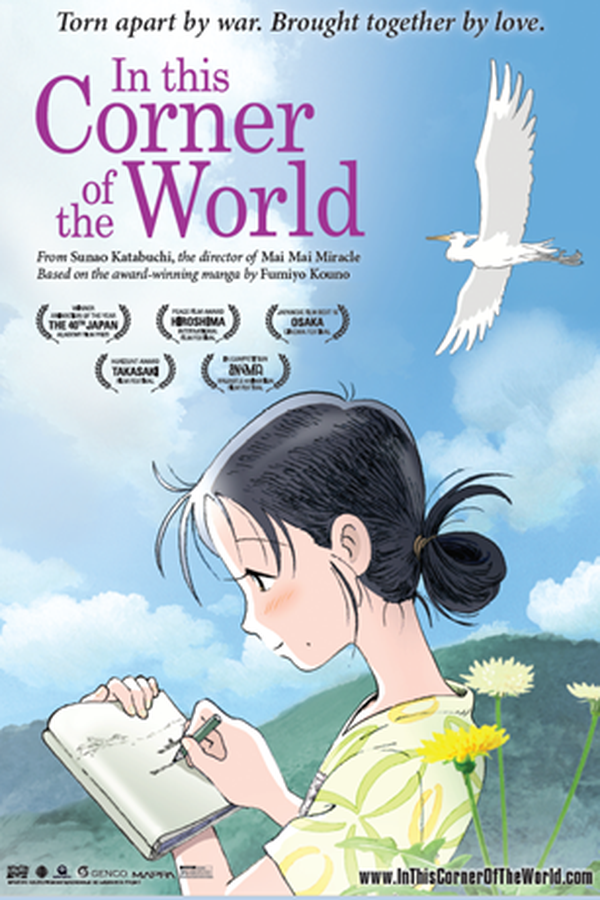
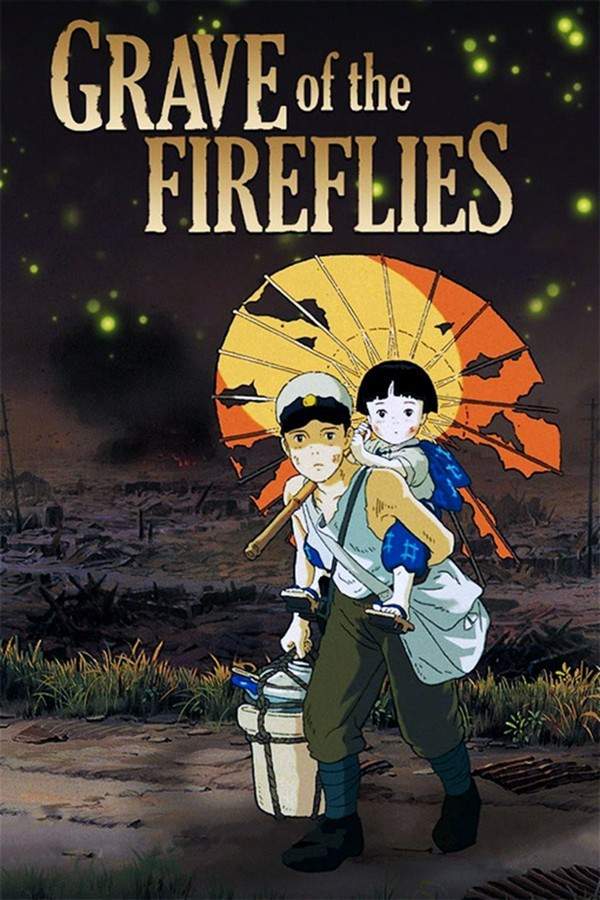

Featured on this page

What's After the Movie?
Not sure whether to stay after the credits? Find out!
Check out our other apps:

SAT Sphere
Build confidence for the Digital SAT.

Mori Atlas
Discover wild places worth protecting.

Luntero
Search smarter for a home in Amsterdam.

Plot Explained
Unravel movie endings and hidden clues.

Pokechamp
Dive into Pokémon data and battle logic.

Driving Theory
Get ready for your European theory test.

Movie Dust
Plan your next cinema trip with ease.

Musemap
Find art and culture as you travel.

Selkobase
Compare credentials before committing.

Local Manual
Turn an unfamiliar country into practical next steps.

Lernavi
Compare school systems before your next move.

GymRoam
Find a workout stop wherever your plans take you.
Explore Our Movie Platform
New Movie Releases (2026)
Famous Movie Actors
Top Film Production Studios
Movie Plot Summaries & Endings
Major Movie Awards & Winners
Best Concert Films & Music Documentaries
Movie Collections and Curated Lists
© 2026 What's After the Movie. All rights reserved.
Privacy Policy