
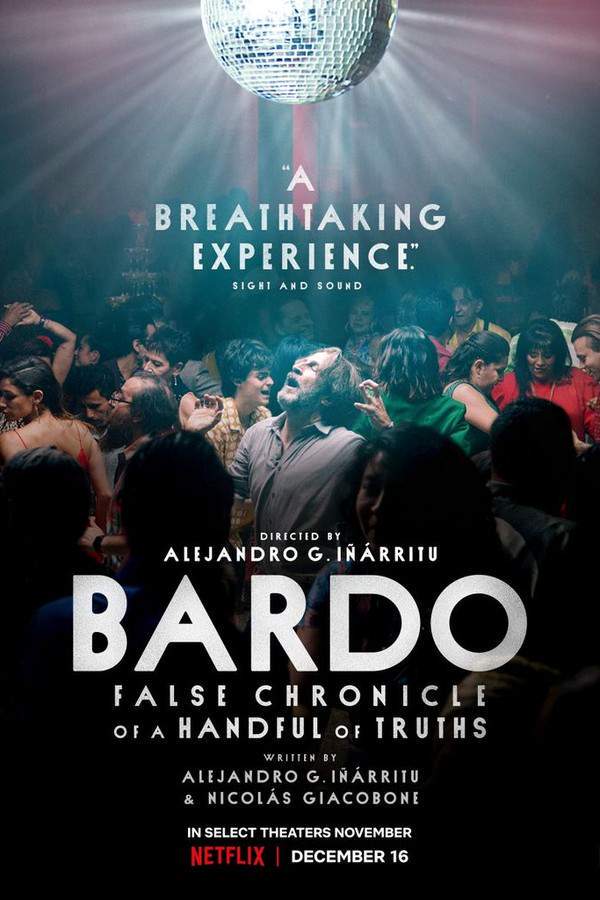
What Is Bardo, False Chronicle of a Handful of Truths About?
The premise of Bardo, False Chronicle of a Handful of Truths in 273 words, with nothing given away. The full story and the ending follow below.
In the luminous, sometimes disorienting world of contemporary Mexico, acclaimed journalist Silverio returns home after a historic accolade that marks him as the first Latin American to receive a prestigious American journalism award. The honor, while glittering, arrives amid a swirl of diplomatic nuance and cultural expectation, prompting him to confront the space between professional triumph and personal displacement. His homecoming is not merely a geographic shift but a plunge into a landscape where memories, myth, and the weight of national history intertwine, urging him to question the borders of reality itself.
Surrounded by a family that bears the quiet scars of loss—his steadfast partner Lucía, their introspective teenage son Lorenzo, and the fiercely independent daughter Camila—Silverio navigates a delicate balance between love, grief, and the lingering echo of a child who never lived beyond his name. The family home, a microcosm of Mexico’s layered past, becomes a stage for conversations that glide between the mundane and the profound, each exchange hinting at deeper currents of identity, belonging, and the lingering guilt of having left his homeland for the United States.
Visually arresting and steeped in a tone that blends documentary precision with poetic reverie, the film paints Silverio’s inner life as a tapestry of dreams, historical echoes, and fleeting moments of clarity. The narrative’s style invites viewers to linger in the spaces where personal recollection meets collective memory, suggesting that the true journey is less about external achievements and more about reconciling with one’s own fragmented reflections. Through this meditation, the story beckons us to consider how the act of remembering can both anchor and liberate a soul caught between two worlds.
What Happens in Bardo, False Chronicle of a Handful of Truths?
The complete story of Bardo, False Chronicle of a Handful of Truths, from the first scene to the last, in 597 words (about 3 minutes). Spoilers throughout. Names in the text link to 3 cast member pages.
Spoilers ahead
Silverio Gama, a seasoned journalist-turned-documentary filmmaker, finds himself navigating the complexities of life in Los Angeles with his wife, Lucía, and their teenage son, Lorenzo. As he ages, Silverio’s work evolves into a deeply personal yet subjective journey, culminating in his latest film, False Chronicle of a Handful of Truths, which blurs the lines between documentary and fiction, infused with autobiographical elements. Despite the apparent harmony in their lives, Silverio and Lucía are still haunted by the sorrow of losing their firstborn son, Mateo, who tragically passed away just a day after birth. They keep his ashes close, struggling to find closure.
Silverio’s daily existence unfolds in surreal moments where dreams, memories, and fantasies intertwine with reality. A striking encounter with the U.S. ambassador to Mexico at Chapultepec Castle leads him to envision a harrowing re-enactment of the 1847 Battle of Chapultepec, complete with the tragic suicides of the Niños Héroes, playing out in vivid detail around him.
Receiving the news that he will be the first Latin American to earn a prestigious American journalism award, Silverio grapples with the idea that this recognition may simply serve as a diplomatic gesture amidst strained U.S.-Mexico relations, fueled by stereotypes surrounding migration and current events involving companies like Amazon. Amidst increasing media scrutiny and the pressure to navigate his dual identity, he is torn between candid critiques of the Mexican state’s inefficiencies and defending its people against pervasive stereotypes. Meanwhile, a nagging guilt over his emigration to the U.S. continues to shadow him.
At a celebratory party honoring him, Silverio reconnects with his indifferent siblings and extended family, while his attention is solely captured by his daughter, Camila. However, when faced with a harsh critique from a talk show host, his frustration boils over, prompting a heated personal insult in response. Seeking solace, he retreats to the restroom, where he imagines reconciling with his deceased parents. Upon exiting, he is confronted by haunting manifestations of historical atrocities in Mexico: crowds of individuals symbolize those lost to organized crime, and a figure resembling Hernán Cortés stands atop a mass grave, admonishing Silverio about the indigenous genocide.
Before returning to Los Angeles, Silverio and his family take a vacation in Baja California, coinciding with Amazon’s acquisition of the region. In an unexpected turn, Camila expresses her desire to resign from her job in Boston and return to Mexico, a move Silverio cautiously welcomes. Together, they decide to scatter Mateo’s ashes in the ocean, but their return to the U.S. is met with disdain from a Hispanic-American customs official.
After a poignant reminder from Lorenzo about their pet axolotls and their untimely deaths, Silverio impulsively purchases some as a surprise. However, during their ride on the L.A. Metro, a sudden and violent stroke lays him low, leaving him unattended for hours. In a coma, it becomes evident that everything witnessed thus far is merely a reflection of his mind processing experiences and memories. While Silverio lies in a hospital bed, Camila steps up to accept the award on his behalf, surrounded by family and friends who share stories and play music that resonated with him throughout his life.
In the vast expanse of his mind, Silverio encounters his deceased relatives, choosing to ignore the living family members who surround him. He catches a glimpse of a doppelgänger that mimics his movements for a fleeting moment before it departs. The film concludes as it began, with Silverio envisioning himself soaring through the desert, leaving the audience questioning whether he has transcended death, awakened anew, or simply learned to coexist with his past struggles.
Bardo, False Chronicle of a Handful of Truths Timeline: Every Key Event in Order
15 key events in the order they happen, from “Silverio's Life in Los Angeles” to “Final Reflection in the Mind”. 7 events name a place, across 7 locations.
- 1
Silverio's Life in Los Angeles
Silverio Gama, a seasoned journalist turned documentary filmmaker, navigates life in Los Angeles with his wife, Lucía, and their teenage son, Lorenzo. Despite the apparent harmony of their family life, they remain haunted by the tragic loss of their firstborn son, Mateo, who died shortly after birth.
Where:Los Angeles
- 2
The Making of 'False Chronicle of a Handful of Truths'
Silverio's work evolves into a deeply personal film, intertwining elements of documentary and fiction. This film serves as a reflection of his life experiences, blurring the lines between authenticity and artistic expression as he grapples with his past.
- 3
Haunting Memories of Mateo
Silverio and Lucía keep Mateo's ashes close, embodying their struggle for closure amidst their family's ongoing sorrow. This tension permeates their lives, affecting their relationships and interactions with the world around them.
- 4
Encounter with the U.S. Ambassador
At Chapultepec Castle, Silverio has a striking encounter with the U.S. ambassador to Mexico. This meeting catalyzes a vivid re-enactment in his mind of the tragic 1847 Battle of Chapultepec, highlighting themes of loss and historical trauma.
Where:Chapultepec Castle
- 5
Award Recognition and Identity Struggles
Silverio learns he will be the first Latin American to receive a prestigious American journalism award. This news forces him to confront uncomfortable realities about his identity, the stereotypes he faces, and the implications of his emigration to the U.S.
- 6
Celebratory Party and Family Tensions
During a party honoring his achievements, Silverio reconnects with indifferent siblings and extended family. However, a harsh critique from a talk show host ignites his frustration, leading to a public outburst that exacerbates existing tensions.
- 7
Imagined Reunion with Deceased Parents
Seeking solace from the scrutiny at the party, Silverio retreats to the restroom where he imagines reconciling with his deceased parents. This moment signifies his deep-seated longing for acceptance and closure.
Where:Restroom
- 8
Confronting Historical Atrocities
Upon exiting the restroom, Silverio encounters haunting manifestations representing the loss of lives to organized crime in Mexico. The vision of a figure resembling Hernán Cortés serves as a stark reminder of his nation’s painful history and injustices.
- 9
Vacation in Baja California
Before returning to Los Angeles, Silverio and his family take a vacation in Baja California. Here, they decide to scatter Mateo's ashes in the ocean, a significant act of remembrance that brings both solace and reflection.
Where:Baja California
- 10
Camila's Decision to Return to Mexico
During the vacation, Camila shares her desire to resign from her job in Boston and return to Mexico. This unexpected revelation brings warmth to Silverio, showcasing a shift in family dynamics and aspirations.
Show the other 5 events of Bardo, False Chronicle of a Handful of Truths Hide the last 5 events
- 11
Confrontation at Customs
Upon their return to the U.S., the family faces disdain from a Hispanic-American customs official. This moment highlights the pervasive tensions surrounding identity and belonging within the immigrant experience.
Where:U.S. Customs
- 12
Purchase of Axolotls
In a moment of impulsivity, Silverio decides to buy axolotls as a surprise for his family. This act serves as a coping mechanism, reflecting both the joy and sorrow intertwined in his family life.
- 13
Silverio's Stroke
While riding the L.A. Metro, Silverio suffers a sudden and violent stroke, leaving him unattended for hours. This critical event marks a turning point in his journey, leading him into a coma where he processes his memories.
Where:L.A. Metro
- 14
Camila Accepts the Award
As Silverio lies in a hospital bed, his daughter Camila steps up to accept the journalism award on his behalf. Surrounded by family and friends sharing stories, this moment emphasizes the legacy of Silverio's work and its impact on those he loves.
Where:Hospital
- 15
Final Reflection in the Mind
In the depths of his mind, Silverio encounters his deceased relatives while he ignores the living. The film concludes with an enigmatic vision of him soaring through the desert, leaving viewers to ponder the interplay between life, death, and personal reconciliation.
Who Are the Main Characters in Bardo, False Chronicle of a Handful of Truths?
4 characters, among them Silverio Gama, Lucía and Lorenzo: who each one is and the part they play in the story. Every profile links to the actor’s page.
-
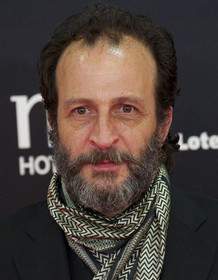
Silverio Gama
Played by Daniel Giménez Cacho
A seasoned journalist and documentary filmmaker, Silverio is marked by his introspection and the burden of his past. His journey is one of self-discovery as he navigates the complexities of family, grief, and recognition, often blurring the boundaries between his personal experiences and professional life.
- 👨🎤 Artist
- 📽️ Filmmaker
- 🧠 Introspective
- L
Lucía
Played by Griselda Siciliani
Silverio's wife, Lucía embodies the enduring strength of a mother grappling with the loss of a child. Their relationship is defined by shared grief, love, and the quest for closure, often illuminating the emotional undercurrents that shape their family dynamics.
- ❤️ Mother
- 🕊️ Grieving
- 👩❤️👨 Supporting Partner
- L
Lorenzo
Played by Íker Sánchez Solano
Silverio's teenage son, Lorenzo serves as a bridge between past heartbreak and present aspirations. His innocent yet poignant observations often remind the family of their losses while also sparking moments of connection and hope in the narrative.
- 👦 Son
- 🌱 Hope
- 🎇 Young Aspirant
- C
Camila
Played by Ximena Lamadrid
Camila is Silverio and Lucía's daughter, characterized by her emotional depth and desire for familial ties. Her decision to return to Mexico showcases her struggle with identity and belonging, ultimately highlighting the impact of loss on the entire family.
- 👧 Daughter
- ✈️ Returning
- ⭐ Identity Seeker
Where and When Is Bardo, False Chronicle of a Handful of Truths Set?
Bardo, False Chronicle of a Handful of Truths is set in Los Angeles, Baja California and Chapultepec Castle (Present Day). Here is why the time and place matter to the story.
When
Present Day
The movie unfolds in contemporary times, reflecting the societal and political challenges faced by Mexican immigrants in the U.S. during this period. Themes of identity, loss, and cultural introspection resonate as Silverio navigates his dual existence amidst modern issues such as migration and representation.
Where
Los Angeles, Baja California, Chapultepec Castle
Los Angeles serves as the backdrop for Silverio's life, representing both opportunity and the complexities of immigrant identity. Baja California offers a coastal escape, where the family confronts their grief and the significance of their losses. Chapultepec Castle is a historical landmark that becomes a poignant setting for Silverio's vivid imaginings of the past, especially around the 1847 Battle of Chapultepec.
- 🏙️ City
- 🌊 Beach
- 🏰 Historic Site
What Are the Themes of Bardo, False Chronicle of a Handful of Truths?
3 ideas the story keeps returning to, among them Grief, Identity and Loss.
-
01
Grief
Grief permeates Silverio's life as he grapples with the loss of his firstborn son, Mateo. The ashes he and Lucía keep symbolize their enduring pain and the struggles to find closure. This theme intertwines with their family dynamics and the complexities of familial relationships within the backdrop of their shared trauma.
-
02
Identity
Identity is a central theme as Silverio navigates his dual heritage as a Mexican in the U.S. The film addresses the stereotypes surrounding migration and the impact of cultural perception, calling into question how one defines themselves amid societal expectations and personal history.
-
03
Loss
The theme of loss extends beyond Mateo to encompass the relationships with Silverio's family and the connections severed by time and circumstance. His internal struggles are mirrored by the historical context of loss portrayed through visions of national tragedies and personal regrets.
How Does Bardo, False Chronicle of a Handful of Truths End?
The last act of Bardo, False Chronicle of a Handful of Truths and what it means, in 303 words. The ending lands as ambiguous. Big spoilers: read the plot summary first if you have not seen it.
The final act, in full
Silverio Gama’s journey in “Bardo” is as much a personal voyage through memories, regrets, and identity as it is a reflection of Alejandro Inarritu’s own life. The film’s final act suggests that Silverio’s story is ultimately a spiritual or existential one, with the scene in the desert symbolizing a liminal space between life and death. As Silverio’s family calls out to him, urging him to return, he stands at a crossroads where he can either move on or remain anchored by his unresolved internal conflicts. The recurring imagery of shadows growing smaller and then disappearing signifies his fading presence in the earthly realm, implying that Silverio may have passed away after suffering a stroke and slipping into a coma. The scenes depicting his reflections, conversations with his parents, and visions of Mexican history all seem to serve as a mental landscape representing his inner struggles—conflicts of belonging, pride, regret, and guilt.
The ambiguity of whether Silverio wakes up or not is central to understanding the film’s profound message. If viewed as a literal end, his disappearance in the desert could imply his death, having finally let go of the burdens that haunted him. On the other hand, if these visuals are seen as the culmination of his subconscious mind during his coma, it suggests that Silverio might wake up and survive, carrying the weight of his memories and internal battles. Either interpretation emphasizes the film’s exploration of mortality, memory, and the human condition. “Bardo” leaves its audience with a sense of melancholy and wonder, inviting viewers to ponder the intangible nature of identity and the afterlife, and the possibility that understanding oneself might be a lifelong, ongoing process. In its poetic, abstract style, the film ultimately suggests that the truths we seek are often elusive, hiding in the spaces between perception and reality.
What Kind of Film Is Bardo, False Chronicle of a Handful of Truths?
Melancholic in tone, with slow pacing and a very complex story, going by the plot summary.
- Tone
- Melancholic
- Pacing
- Slow
- Story
- Very complex
- Intensity
- High
- Ending
- Ambiguous
An intensely personal and surreal cinematic journey that blends dream logic with painful memories, creating a melancholic and introspective atmosphere as a man grapples with identity, grief, and history.
- dreamlike
- introspective
- melancholic
- surreal
- agonizing
- nostalgic
- existential crisis
- grief and loss
- immigrant identity
- fame and success
Content notes: child death, historical genocide, stroke/medical trauma.
Quiz
How well do you remember Bardo, False Chronicle of a Handful of Truths? Test yourself on the story.
