

What Is Bag It About?
The premise of Bag It in 306 words, with nothing given away. The full story follows below.
In the quiet rhythm of everyday life, an unassuming man makes a simple pledge that soon feels anything but trivial. Jeb Berrier, an every‑man who doesn’t consider himself an activist, vows to stop using plastic grocery bags. What starts as a modest habit change quickly becomes a window into a world where single‑use plastic is woven into the fabric of modern convenience, prompting him to question everything from the chemistry of the material to its true fate after it leaves our hands.
Beside him is his supportive partner, Anne, who joins the experiment at home and shares his curiosity about the hidden costs of the items we casually toss away. Their partnership offers a warm, relatable anchor, blending humor with earnest concern as they navigate the small‑scale adjustments that ripple into larger questions about consumer culture. The film’s tone stays light‑hearted and approachable, using witty observations and gentle satire to keep the audience engaged while the stakes feel personal rather than preachy.
The story unfolds against a backdrop that swings from familiar kitchen counters to glimpses of bustling markets, policy debates, and coastal shores littered with debris. Through Jeb’s eyes, viewers catch hints of the global conversation on plastic—fees that slash bag usage in distant lands, legislative battles at home, and the baffling maze of recycling symbols that promise more than they often deliver. The cinematography balances intimate close‑ups with sweeping vistas, reinforcing the notion that the plastic problem is simultaneously local and worldwide.
With an upbeat, almost conversational narrative voice, the film invites viewers to stare at the discarded items on their own countertops and wonder what lies beneath the surface. It promises insight without intimidation, offering a blend of personal discovery and practical curiosity that leaves the audience feeling both informed and motivated to look at their own daily choices in a new light.
What Happens in Bag It?
The complete story of Bag It, from the first scene to the last, in 558 words (about 2 minutes). Spoilers throughout. Names in the text link to 1 cast member page.
Spoilers ahead
Follow Jeb Berrier, an average American guy who isn’t a “tree hugger,” as he makes a pledge to stop using plastic bags. His girlfriend, Anne, joins him in reducing plastic use at home. This small act prompts Jeb to ask bigger questions about plastic: What is plastic made of? Is it recyclable? Does it decompose when it ends up in the landfill? Does plastic have negative health effects? He sets off on a global tour to unravel the complexities of our plastic world.
Jeb begins by tracing the history of the plastic bag and how these ubiquitous items became woven into daily life. Fifty years ago, plastic bags did not exist; now they are everywhere. He travels around the world in search of better models. In Ireland, a small fee on plastics leads to a dramatic drop in use — more than 90%. He visits communities in the United States that have implemented or proposed bag bans and fees, and the film reveals the politics behind the issue. He discovers that the American Chemistry Council (the ACC) has invested significant money to keep plastic bag use free.
From bags, the film expands to the broader world of single-use disposables. At a well-known coffee chain, he is struck by how many patrons sit inside while using to-go cups. He reflects on our culture of convenience—a desire for things now and fast—that generates enormous plastic wrappers, food containers, bottles, and packaging. The film notes that the average American creates about 800 pounds of plastic waste each year.
The story then turns to recycling itself. What happens to items bearing the chasing arrows? Do they always get recycled? What do the numbers on the symbols mean? Jeb digs into the complexities and sometimes confusing reality of recycling. BAG IT attempts to get to the bottom of these questions and to separate myth from practice.
A turning point comes when Jeb and Anne reveal they are going to have a baby. The news adds a personal dimension, as they describe their hopes, nerves, planning, and joy about the child. The prospect of a family gives new meaning to the responsibility of creating a world for their child.
The documentary also examines the impact of plastic on marine life. Plastic never fully degrades, and discarded items can end up in waterways and oceans. It breaks down into smaller pieces that marine animals may ingest or become entangled in, leading to the deaths of tens of thousands of animals each year. The chemicals in plastics rise up the food chain, potentially ending up on our plates.
Health concerns are explored as well. To make plastics harder or softer, manufacturers add chemicals such as Bisphenol-A (BPA) and phthalates. Scientific evidence links these substances to a range of health problems, especially for babies in utero and young children. The chemicals, found in cosmetics and personal care products, can leach into our bodies through the skin. The film asks who protects consumers—public health advocates or corporate profits?
Despite dealing with serious themes, the film maintains a light tone designed to engage a broad audience. It aims to empower viewers who might otherwise feel overwhelmed, offering clear information, personal stories, and practical examples of how policy changes and everyday choices can spark real change. BAG IT invites viewers to rethink plastic use and to begin making changes today.
Bag It Timeline: Every Key Event in Order
13 key events in the order they happen, from “Jeb pledges to stop using plastic bags” to “The film's tone: empowering call to action”. 12 events name a place, across 7 locations.
- 1
Jeb pledges to stop using plastic bags
Jeb Berrier makes a personal vow to stop relying on plastic bags and invites his girlfriend Anne to join him. The pledge sets the stage for a broader investigation into the plastic problem. What starts as a simple habit change quickly becomes a global curiosity about how plastic shapes daily life.
When:Opening scene Where:Home
- 2
Anne joins the challenge
Anne agrees to participate, expanding the experiment from a personal vow to a shared mission. They track their household plastic usage and begin to question where these plastics come from and what happens to them after use. The couple's partnership grounds the journey in everyday life.
When:Opening scene Where:Home
- 3
Ireland's plastic bag fee slashes usage
In Ireland, Jeb discovers that imposing a fee on plastic bags dramatically reduces their use by more than 90%. The finding suggests policy can drive real behavioral change. It serves as a model for other communities grappling with plastic waste.
When:Early journey Where:Ireland
- 4
U.S. communities debate bag bans and fees
Jeb travels across the United States to see how cities and states debate plastic bag bans and fees. The storyline exposes the political complexity and competing interests that shape policy. The journey shows how local choices accumulate into national conversations.
When:Mid-journey Where:United States
- 5
ACC money and the push to keep plastic bag use free
Jeb learns that the American Chemistry Council is investing heavily to keep plastic bags readily available. The exploration reveals how corporate influence can complicate environmental reforms. The moment highlights the tension between profits and public health concerns.
When:Mid-journey Where:United States
- 6
Culture of convenience and disposables in a coffee shop
Jeb visits a well-known coffee chain and is appalled by the abundance of disposable cups and wrappers used by customers inside the store. He labels this scene as evidence of a broader 'culture of convenience.' The moment reframes the issue from bags to the total volume of single-use packaging in everyday life.
When:Mid-journey Where:Coffee shop
- 7
The scale of single-use waste becomes personal
After calculating, Jeb confronts the staggering amount of waste produced by single-use disposables in an average life. The film connects these numbers to everyday choices and asks viewers to consider impact beyond bags. The revelation deepens the urgency of reducing all disposable packaging.
When:Mid-journey
- 8
Recycling myths and the chasing arrows
Jeb digs into the recycling symbols and discovers that not everything labeled with a chasing arrows symbol actually gets recycled. The research reveals a confusing system with numbers and varying processing realities. BAG IT aims to demystify what truly happens to recyclables after they leave the curb.
When:Mid-journey Where:World/Various
- 9
Jeb and Anne reveal they’re expecting
In a candid moment, Jeb shares that he and Anne are going to have a baby. The personal milestone adds emotional weight to the documentary and reframes their mission. The couple debates how to shield their unborn child from the plastic-heavy world they see.
When:Mid to late Where:Home
- 10
Parenthood reorients their purpose
The pregnancy storyline intensifies the couple's reflection on plastic and the kind of world they want to leave for their child. They discuss responsibilities, hope, and action in the face of environmental uncertainty. The narrative ties personal stakes to public health and ecosystems.
When:Late Where:Home
Show the other 3 events of Bag It Hide the last 3 events
- 11
Plastic harms marine life and enters the food chain
The film shows how plastic never fully degrades and ends up in waterways and oceans, where it harms marine life. Turtles, seabirds, and other animals ingest or become entangled in debris, with fatal consequences estimated in the hundreds of thousands each year. The pieces also explain how chemicals in plastics migrate up the food chain.
When:Throughout the journey Where:Oceans, waterways
- 12
Chemicals in plastics pose health concerns
BPA and phthalates are used to make plastics hard or soft, and studies linked to health problems in babies and children. The film connects exposure to cosmetics and everyday products, showing how these chemicals can leach into our bodies. Jeb questions who is protecting consumers and whether profits come before safety.
When:Late Where:Global
- 13
The film's tone: empowering call to action
Despite the seriousness of the subject, BAG IT maintains a light tone to engage a broad audience. It leaves viewers empowered, informed, and ready to start change today. The documentary argues small, practical steps can accumulate into meaningful impact.
When:Closing Where:Global
Who Are the Main Characters in Bag It?
15 characters, among them Jeb Berrier, Peter Coyote and Scott Harrison: who each one is and the part they play in the story. Every profile links to the actor’s page.
-
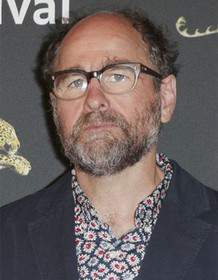
Jeb Berrier
Played by Jeb Berrier
An ordinary American man who commits to cutting plastic bag use and gradually questions the broader plastic industry. The documentary follows his learning journey, personal challenges, and hopeful plans for his unborn child, turning a simple pledge into a broader environmental inquiry. His curiosity drives the narrative as he seeks practical alternatives and confronts complex systems.
- 🧭 Curious
- 🌱 Change-maker
- 🎯 Determined
-

Peter Coyote
Played by Peter Coyote
Appears as himself, offering perspective on environmental issues and helping to frame the broader discussion around plastic pollution. His commentary provides context and credibility to the documentary's exploration of policy, science, and everyday choices.
- 🎙️ Commentator
- 🧭 Insightful
- SH
Scott Harrison
Played by Scott Harrison
Appears as himself, sharing expertise or anecdotal insight related to environmental advocacy and waste reduction. His participation adds experiential depth to the film's discussion of practical solutions.
- 🧭 Insightful
- 🗺️ Advocate
- MB
Michael Braungart
Played by Michael Braungart
Appears as himself to discuss design principles and alternatives to traditional plastics, offering a framework for rethinking materials and cradle-to-cradle thinking.
- 💡 Innovative
- 🧪 Scientist
- DC
David Chameides
Played by David Chameides
Appears as himself, contributing perspectives on sustainable practices and environmental awareness within daily life and policy.
- 🌿 Practical
- 🧭 Educator
- MB
Martin Bourque
Played by Martin Bourque
Appears as himself, providing insights into waste reduction and community-level responses to plastic pollution.
- ♻️ Community
- 🗺️ Organizer
- JB
Jared Blumenfeld
Played by Jared Blumenfeld
Appears as himself, offering policy and regulatory perspectives on environmental programs and plastic bag initiatives.
- 🏛️ Policymaker
- 🧭 Advocate
- TC
Theo Colborn
Played by Theo Colborn
Appears as herself, contributing scientific viewpoints on chemical exposure and the health impacts of plastics.
- 🧪 Scientist
- 🧬 Health
- RC
Richard Conlin
Played by Richard Conlin
Appears as himself, discussing environmental regulation and urban policy related to waste and plastics.
- 🏙️ Policy
- 🗺️ City
- LD
Linden Dahlkemper
Played by Linden Dahlkemper
Appears as herself, sharing insights into environmental advocacy and community action on plastic reduction.
- 🌱 Advocate
- 🧭 Community
- SE
Sylvia Earle
Played by Sylvia Earle
Appears as herself, a renowned marine biologist providing expert commentary on the impact of plastics on oceans and marine life.
- 🌊 Ocean
- 🧪 Scientist
- ME
Marcus Eriksen
Played by Marcus Eriksen
Appears as himself, contributing research perspectives on plastics in the marine environment and the pollution crisis.
- 🌊 Explorer
- 🧪 Scientist
- SF
Suzanne Frazer
Played by Suzanne Frazer
Appears as herself, adding experiential insights into the environmental movement and plastic-related issues.
- 💡 Educator
- 🧭 Activist
- EG
Eric Goldstein
Played by Eric Goldstein
Appears as himself, offering context on environmental policy and consumer impacts of plastic use.
- 🏛️ Policy
- 🧭 Expert
- EG
Elizabeth Griffin
Played by Elizabeth Griffin
Appears as herself, contributing scientific or community perspectives on plastic pollution and health.
- 🧪 Scientist
- 🧭 Research
Where and When Is Bag It Set?
Bag It is set in Ireland and United States. Here is why the place matters to the story.
Where
Ireland, United States
The film follows Jeb's global journey, starting in Ireland where plastic bag policies demonstrate dramatic reductions, then moving to communities across the United States that debate bans and fees. It uses these locations to illustrate how policy, culture, and consumer habits shape plastic use. Through these places, the documentary explores the scale and impact of plastic in everyday life.
- 🌍 Global tour
- ♻️ Plastic pollution
- 🧭 Travel exploration
What Are the Themes of Bag It?
4 ideas the story keeps returning to, among them Plastic Pollution, Health & Chemicals and Policy & Industry.
-
01
Plastic Pollution
The documentary highlights how plastic waste infiltrates ecosystems and oceans, affecting wildlife and food chains. It shows that plastic rarely fully degrades, and that 'away' is often a misnomer as debris travels from land to water. The film links consumer choices to environmental health and asks viewers to reconsider everyday habits that generate waste.
-
02
Health & Chemicals
BPA, phthalates and other additives are discussed as chemicals linked to health problems, especially for babies and children in utero. The film traces how plastics release these substances into the body through products and cosmetics. It raises questions about regulation, corporate responsibility, and the safety of everyday consumer goods.
-
03
Policy & Industry
BAG IT investigates how policy decisions, lobbying by industry groups, and political struggles shape plastic use. The film contrasts successful bag fees and bans with resistance from powerful interests, revealing the complexities of implementing change. It encourages viewers to examine who profits from the status quo and who bears the costs.
-
04
Consumer Culture
The film critiques a culture of convenience that fuels disposable packaging, single-use cups, and endless wrappers. It reveals the psychological and social forces behind rapid consumption and questions whether convenience justifies environmental costs. Through personal stories, it motivates viewers to rethink what they buy and throw away.
What Kind of Film Is Bag It?
Hopeful in tone, with steady pacing and a moderate story, going by the plot summary.
- Tone
- Hopeful
- Pacing
- Steady
- Story
- Moderate
- Intensity
- Medium
- Ending
- Happy
An engaging and empowering documentary that follows a relatable personal journey into environmentalism, balancing concerning facts with a hopeful and accessible tone.
- informative
- empowering
- investigative
- personal
- concerned
- hopeful
- environmental activism
- consumer culture
- plastic pollution
- health and wellness
Quiz
How well do you remember Bag It? Test yourself on the story.
Where to Watch Bag It
Stream it on Kanopy. US availability and prices from JustWatch.
Stream 1
 Kanopy
 Streaming availability in the US, powered by 
