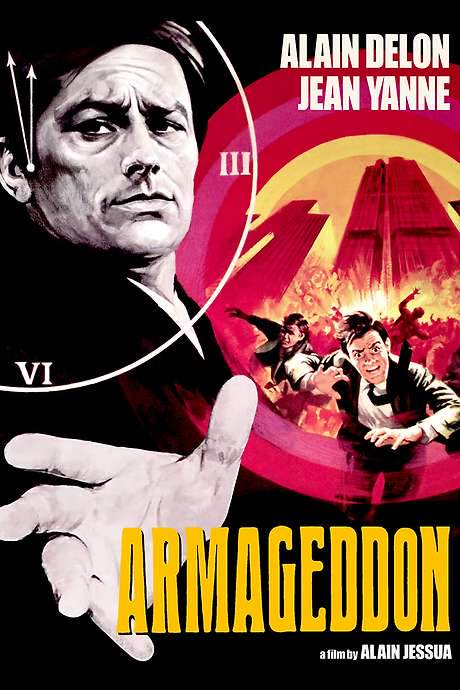
Armageddon 1977

Directed by

Alain Jessua
Made by

Adel Productions
Armageddon Plot Summary
Read the complete plot summary and ending explained for Armageddon (1977). From turning points to emotional moments, uncover what really happened and why it matters.
Paul Graff, a young boy growing up in Queens, New York City during 1980, begins his journey navigating a complex world filled with family expectations, social tensions, and personal dreams. His story unfolds with lighthearted classroom antics, where he and his classmate Johnny Davis get into trouble for joking around, highlighting their youthful innocence despite the larger issues surrounding them. Paul, played by Banks Repeta, is caught making a humorous sketch of their teacher, while Johnny, portrayed by Jaylin Webb, is reprimanded for a different joke during attendance. Their troubles lead to both boys being confined indoors during gym class, which surprisingly becomes a bonding experience as they exchange stories about Johnny’s Apollo Mission patches and shared taste in music. Johnny mentions that he might not join a school field trip due to financial constraints, but Paul offers to use his family’s wealth to pay for Johnny’s participation, revealing early signs of his kindness and loyalty.
Back at home, Paul shares his artistic talents and dreams with his grandfather, Anthony Hopkins, who encourages his passion for art and gifts him a rocket-making kit. They plan to build model rockets together, symbolizing Paul’s ambitions and sense of adventure. His family is a lively blend of cultural backgrounds and personalities, including his teasing older brother Ted, his strict mother Anne Hathaway, his scholarly father Irving, and his loving grandmother Mickey, played by [Tovah Feldshuh], along with his Great Uncle Luis and Great Aunt Ruth. Amid family conversations, Esther, Paul’s mother, announces her intent to run for the district school board, sparking debates about education and social integration. Mickey questions her motives and suggests that Paul should attend private school, concerned about the crowded public schools following the influx of students from different neighborhoods, including Black students. The family’s conversations reveal underlying prejudices and fears, yet they also reflect the hopes and struggles of immigrant and working-class families trying to navigate a changing America.
Aaron, Paul’s grandfather, provides a poignant story of his own immigration from Ukraine, where he fled persecution and lost family members, a narrative that fascinates Paul, especially because of Aaron’s connection to Liverpool and the Beatles. This familial history adds depth to Paul’s understanding of identity and resilience. The next day begins with loud, energetic wake-up routines, showcasing the family’s dynamic nature. During a school trip to the Guggenheim Museum, Paul dreams of becoming a renowned painter, imagining his artwork displayed in the famous museum. However, adventurous urges lead him and Johnny to visit a pinball arcade, an experience tinged with the reality of racial discrimination when two men taunt Johnny for his interest in NASA and aspiring to be an astronaut, highlighting the systemic barriers faced by Black Americans.
As family celebrations mark Aaron’s birthday, he gifts Paul paint supplies, though his wife Esther is skeptical about art being a feasible career. Aaron shares more about his journey fleeing Ukraine, emphasizing the importance of perseverance and family heritage. Paul’s aspirations clash with his family’s expectations, especially when he is scolded after copying a famous painting for class instead of creating original work. The boys’ attempt to defy authority by smoking marijuana results in detention, leading to a confrontation between Esther and Paul, who is accused of being influenced by Johnny’s behavior. Esther’s prejudiced attitude becomes apparent when she dismisses concerns about Johnny being Black, fueling a heated argument. Her frustration culminates in her banning Paul from seeing Johnny, a punishment that her husband Irving, played by Jeremy Strong, responds to violently with a belt, illustrating the tense, sometimes oppressive family environment.
The narrative also follows Paul’s transition to a prestigious private school, Forest Manor Prep, where the curriculum, routines, and social politics introduce new challenges. Here, Paul witnesses the influence of figures like Fred Trump and his daughter Maryanne, played by [Jessica Chastain], who exemplify the snobbery and ambition fueling America’s capitalist dreams. Despite making new friends like Topper and facing authority figures’ strict discipline, Paul remains torn about his loyalties, especially after Johnny visits him in the playground. Their friendship strains under racial tensions and social differences, yet Johnny’s later plea to continue their friendship shows his deep longing for connection amidst adversity.
Tragedy strikes when Aaron is diagnosed with bone cancer and passes away shortly afterward. The family mourns together at his funeral, with Irving expressing gratitude for Aaron’s respect despite their different backgrounds. Johnny, now living in a makeshift clubhouse with visible injuries, reveals his struggles and the pain of losing an elderly relative who took care of him. Determined to help Johnny escape his tough circumstances, Paul devises a bold plan to steal a computer from school, sell it, and fund their escape to Florida and EPCOT. The plan fails as police are alerted, and both boys are caught and interrogated by Sergeant Tom, a reminder of how innocence is often marred by societal issues. Irving, who had previously met Tom as a homeowner, intervenes, and Paul finally admits to the theft, driven by his desire to protect Johnny and escape their hardships.
Throughout these events, the family grapples with national politics, including Ronald Reagan’s victory in the presidential election, which leaves them feeling disappointed. Paul retreats into his imagination, envisioning a conversation with his grandfather encouraging him to resist conformity and injustice. His journey ends at a school dance, where Fred Trump addresses the students about the importance of ambition and leadership, but Paul, now disillusioned and overwhelmed, chooses to walk away, symbolizing his desire to forge his own path amidst a world filled with limitations and expectations. His story is one of growth, resilience, and the ongoing quest for identity in a society marked by racial, cultural, and economic divides.
Armageddon Timeline
Follow the complete movie timeline of Armageddon (1977) with every major event in chronological order. Great for understanding complex plots and story progression.
Paul gets caught making a comedic sketch of his teacher
Paul Graff is caught drawing a humorous sketch of his teacher at school, leading to a scolding. His classmate Johnny Davis also gets in trouble for joking during attendance. Both boys are kept inside as punishment, setting the tone for their early friendship.
Paul shares his art with his grandfather
Paul shows his drawing to his grandfather Aaron Rabinowitz, who encourages his artistic talents and dreams of becoming an artist. Aaron gifts Paul a rocket-making kit, inspiring him to pursue his passion for space and art. They plan to build the rocket together in the park.
Family dinner and discussions about education and immigration
Paul has dinner with his Jewish-American family, discussing his mother’s immigration story and his parents' concerns about school choices. Esther announces her run for school board, and family prejudices about public school are hinted at. Paul accidently insults Ruth’s Holocaust story, causing tension.
Paul and Johnny visit the Guggenheim Museum
On a school field trip, Paul dreams of becoming a famous painter and visiting the Guggenheim Museum. Afterwards, they visit an arcade and experience racial teasing on the subway, highlighting racial tensions and dreams.
Birthday celebration and family dynamics
Aaron’s birthday is celebrated with a movie outing, where Aaron experiences leg pain but downplays it. Paul expresses his desire to be an artist, facing family skepticism about artistic careers and pressure to choose a lucrative one.
Trouble at school and conflict with authorities
Paul and Johnny get in trouble for smoking marijuana in the bathroom and are caught, resulting in a meeting with the principal. Esther criticizes Johnny’s influence, revealing racial prejudices, and Paul is disciplined by his parents with Irving physically punishing him.
Paul starts at Forest Manor Prep School
Paul begins attending a prestigious private school with a strict dress code and new classmates like Topper. He briefly meets Fred Trump and listens to his daughter Maryanne’s speech about her success, highlighting social class differences.
Aaron’s health deteriorates; Aaron passes away
Paul learns that Aaron has had surgery for bone cancer. Despite efforts, Aaron passes away, deeply affecting Paul and his family. They attend his funeral, and Paul reflects on his grandfather’s influence and sacrifices.
Johnny reveals he is going to drop out of school
Johnny comes to visit Paul in distress, fearing foster care. They plan to run away together to Florida, dreaming of working at EPCOT. Their attempt to steal a computer from school leads to their arrest, illustrating their desperation.
Irving’s advice and life lessons
Irving visits Paul at the police station and discusses the harsh realities of life, emphasizing the importance of making the most of one’s circumstances. He advises Paul to avoid looking backward and to focus on survival and growth.
The family faces disappointment with the presidential election
A newscast announces Ronald Reagan’s victory, leading to family disappointment. Paul immerses himself in homework, fantasizing about Aaron’s encouragement to persevere despite adversities.
Paul’s first day at Forest Manor Prep
Paul wears a uniform to his new private school and meets classmates and teachers, including a character resembling Fred Trump. He is encouraged to succeed but faces racial and social challenges, especially from classmates making racist remarks about Johnny.
Aaron’s health crisis and passing
Irving wakes Paul to tell him that Aaron’s cancer treatment has taken a turn for the worse. Paul visits Aaron at the hospital, where he soon passes away, marking a profound moment of loss for the family.
Johnny’s injuries and farewell
Johnny, with visible cuts on his feet, insists he is fine as he and Paul say goodbye, reflecting the emotional toll of their struggles. Johnny’s tears reveal the pain of leaving his grandmother and uncertain future.
Paul and Johnny’s plan to run away and their arrest
Paul and Johnny steal a school computer in an attempt to escape to Florida and work at EPCOT. They are caught and arrested, highlighting their youthful desperation and the harsh consequences of their actions.
Irving’s life advice and the family's mourning
Irving reflects on the unfairness of life and advises Paul to focus on their future. The family watches a news report on Reagan’s election defeat, feeling disillusioned. Paul isolates himself, contemplating resilience.
The school’s Thanksgiving dance and Fred Trump’s speech
At the Thanksgiving dance, Fred Trump addresses students about potential future success and leadership, symbolizing societal privilege. Feeling disconnected, Paul walks out, signifying his inner conflict with his social environment.
Armageddon Characters
Explore all characters from Armageddon (1977). Get detailed profiles with their roles, arcs, and key relationships explained.
Paul Graff (Banks Repeta)
A hopeful and artistic young boy navigating socio-economic and racial challenges. His passion for art and desire to stay true to himself clash with family expectations and societal pressures, making him a symbol of resistance and innocence.
Aaron Rabinowitz (Anthony Hopkins)
Paul’s wise and compassionate grandfather who encourages his artistic talents. His immigration story and battle with bone cancer add depth and emotional weight, embodying resilience and hope.
Johnny Davis (Jaylin Webb)
A rebellious and outspoken Black boy who faces racial discrimination and struggles with family issues. His bond with Paul highlights themes of friendship, inequality, and aspiration.
Esther (Anne Hathaway)
Paul’s strict mother, focused on social status and stability. Her prejudices and ambitions for her family reflect societal stereotypes and the pressure to conform.
Irving (Jeremy Strong)
Paul’s father, a working-class man who values stability. His protective nature and traditional views influence his decisions about his son's future.
Armageddon Settings
Learn where and when Armageddon (1977) takes place. Explore the film’s settings, era, and how they shape the narrative.
Time period
1980s
The film takes place during the early 1980s, a period marked by economic shifts, political conservatism under President Reagan, and ongoing racial tensions in America. The era's cultural and socio-political context influences characters’ experiences, especially regarding race, class, and identity struggles.
Location
Queens, New York City, Guggenheim Museum, Forest Manor Prep
The movie is set in Queens, a diverse borough of New York City known for its vibrant cultural mosaic. Key locations include the Guggenheim Museum, a world-famous art institution, and Forest Manor Prep, an elite private school representing social mobility and privilege. The settings highlight the contrast between public and private education as well as the socio-economic diversity of the city.
Armageddon Themes
Discover the main themes in Armageddon (1977). Analyze the deeper meanings, emotional layers, and social commentary behind the film.
🕊️
Anti-Semitism
The film explores anti-Semitic sentiments through Aaron Rabinowitz's immigrant story and the family's experiences. Their history of persecution, escape from Ukraine, and resilience highlight the ongoing impact of anti-Semitism in American society during the 1980s.
🎭
Identity & Ambition
The characters grapple with their personal identities amid societal expectations. Paul’s dreams of becoming an artist clash with his parents' desire for a practical career, illustrating the tension between individual passions and family aspirations and societal norms.
⚖️
Racial Inequality
The story addresses racial discrimination, particularly through Johnny’s experiences and the racist comments from classmates. The film sheds light on racial prejudices and the limited opportunities faced by Black Americans during that period.

Coming soon on iOS and Android
The Plot Explained Mobile App
From blockbusters to hidden gems — dive into movie stories anytime, anywhere. Save your favorites, discover plots faster, and never miss a twist again.
Sign up to be the first to know when we launch. Your email stays private — always.
Explore the mobile appArmageddon Spoiler-Free Summary
Discover the spoiler-free summary of Armageddon (1977). Get a concise overview without any spoilers.
In a world where the line between ambition and obsession blurs, a modest repairman’s life is upended when a sudden inheritance elevates him from poverty to untold wealth. Carrier steps into his new reality with a fierce determination to leave an indelible mark, driven by a yearning for recognition that transcends his humble origins. The sudden influx of money becomes both a catalyst and a crucible, amplifying his inner turbulence and pushing him toward increasingly erratic behavior.
The film unfolds against a sleek, international backdrop—a continent still rattled by political unease and the ever‑present shadow of global surveillance. As Carrier begins to brandish his newfound power, he issues provocative manifestos that threaten to destabilize law‑enforcement agencies and governmental structures alike. The tone is tense and unsettling, mixing the cold precision of bureaucratic response with the volatile energy of a man whose sanity hangs in the balance.
The Interpol detective assigned to the case is a seasoned investigator whose own world is one of methodical restraint and measured patience. Drawn into a high‑stakes game of cat and mouse, the detective must navigate a labyrinth of clues, diplomatic intrigues, and the looming presence of an international summit in Paris. The impending conference of world leaders adds a layer of geopolitical pressure, turning personal madness into a potential global crisis.
Through stark visuals, starkly drawn characters, and a pulse‑quickening score, the story hints at the dangerous allure of fame and the thin veneer that separates order from chaos. As both the pursuer and the pursued circle ever closer, the audience is left to wonder whether the trap set amidst the glitter of diplomacy will contain the storm or simply amplify it.
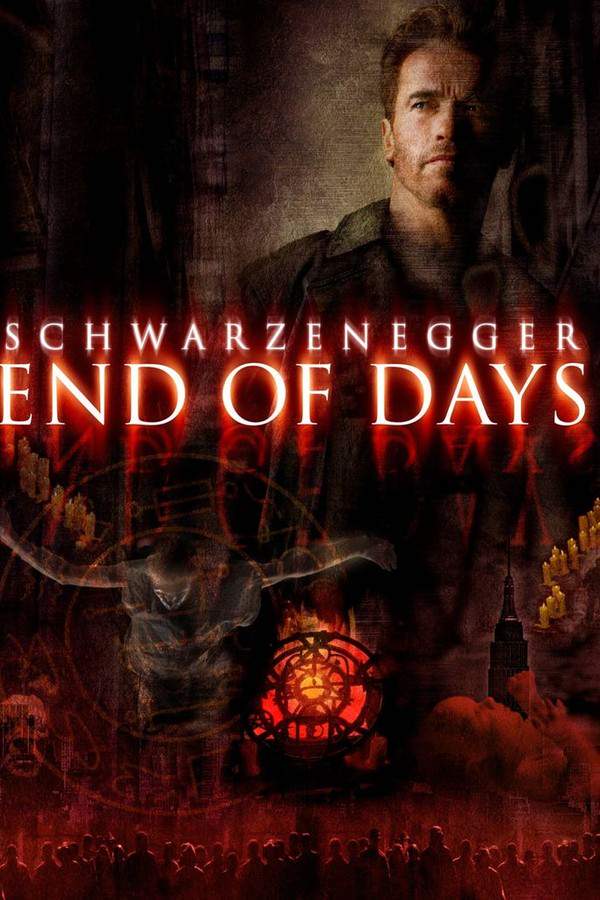
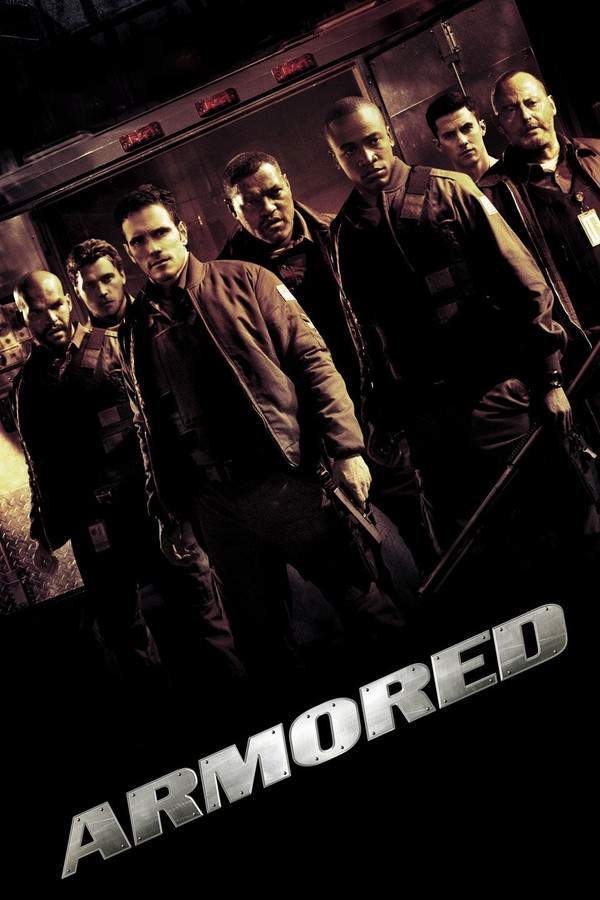
Movies with Similar Twists and Themes
Uncover films that echo the narrative beats, emotional arcs, or dramatic twists of the one you're exploring. These recommendations are handpicked based on story depth, thematic resonance, and spoiler-worthy moments — perfect for fans who crave more of the same intrigue.






Featured on this page

What's After the Movie?
Not sure whether to stay after the credits? Find out!
Check out our other apps:

SAT Sphere
Build confidence for the Digital SAT.

Mori Atlas
Discover wild places worth protecting.

Luntero
Search smarter for a home in Amsterdam.

Plot Explained
Unravel movie endings and hidden clues.

Pokechamp
Dive into Pokémon data and battle logic.

Driving Theory
Get ready for your European theory test.

Movie Dust
Plan your next cinema trip with ease.

Musemap
Find art and culture as you travel.

Selkobase
Compare credentials before committing.

Local Manual
Turn an unfamiliar country into practical next steps.

Lernavi
Compare school systems before your next move.

GymRoam
Find a workout stop wherever your plans take you.
Explore Our Movie Platform
New Movie Releases (2026)
Famous Movie Actors
Top Film Production Studios
Movie Plot Summaries & Endings
Major Movie Awards & Winners
Best Concert Films & Music Documentaries
Movie Collections and Curated Lists
© 2026 What's After the Movie. All rights reserved.
Privacy Policy