
What Is Amen About?
The premise of Amen in 309 words, with nothing given away. The full story follows below.
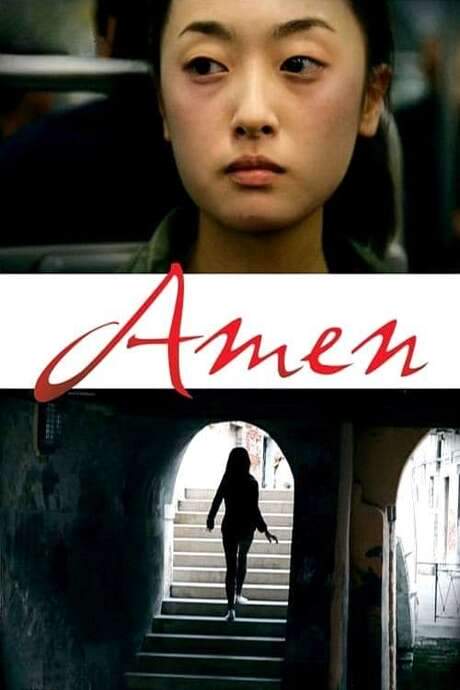
In the restless sweep of post‑war Europe, the Korean woman finds herself on a solitary pilgrimage that stretches from the cobblestones of France to the watery labyrinth of Venice. Driven by a quiet, stubborn hope, she chases the faint echo of a love that has slipped away, each new city a mirror reflecting both the foreign landscapes she traverses and the inner terrain of longing that propels her forward. The journey is as much about geography as it is about the delicate balance between memory and the present moment, set against a backdrop of bustling train stations, fading cafés, and the soft, lingering hum of languages she does not speak.
Her path is suddenly interrupted by an unsettling train incident that shatters the rhythm of her quest. The cramped carriage becomes a crucible where doubts about life, love, and the very reasons that set her on this odyssey bubble to the surface. The tension of that moment lingers, casting a subtle, melancholy shade over the bright lanterns of Venice that await her, while also hinting at the fragile certainty we cling to when searching for someone who may no longer exist in the way we imagined.
As she draws nearer to the city where her boyfriend now walks a different line, the atmosphere grows increasingly introspective. The film’s tone shifts between the quiet resignation of a solitary traveler and the restless energy of a heart still unwilling to surrender. The visual palette—soft rain on glass, muted sunsets over canals, the echo of footsteps on ancient stone—underscores a narrative that probes the space between yearning and acceptance.
The story culminates in an unsettling conclusion that refuses to offer easy answers. It leaves the audience lingering in a thoughtful pause, questioning the very nature of relationships and the ways in which love can both illuminate and obscure the paths we choose.
What Happens in Amen?
The complete story of Amen, from the first scene to the last, in 851 words (about 4 minutes). Spoilers throughout.
Spoilers ahead
Set against the brutal backdrop of World War II, this harrowing drama follows an unlikely whistleblower as he confronts the depths of Nazi cruelty and the slow, often reluctant response of the world to genocide. A Waffen-SS officer working with the SS Hygiene Institute, Kurt Gerstein becomes the bearer of a grim paradox: he helps design a method to purify water and eradicate disease, then discovers that the same hydrogen cyanide-based poison, known as Zyklon B, is being weaponized to kill Jews and other perceived undesirables in extermination camps. As the reality of his own creation sinks in, he is driven by a dire sense of responsibility to warn others, starting with the highest moral authority he can reach—the Vatican.
Gerstein’s attempts to alert the church lead him into an uneasy and morally fraught tribunal of doubt, where the Catholic hierarchy offers only tentative, vague condemnations rather than decisive action. In this fraught moral landscape, the most moved figure is Riccardo Fontana, a young Jesuit priest who shares Gerstein’s urgency and determination. Through late-night conversations and careful, dangerous conversations with the Pope’s emissaries, Fontana and Gerstein try to illuminate the scale of the atrocity unfolding across Europe, hoping that a moral ally within the church could spur a louder, clearer denunciation of the Nazi program. Yet the Vatican’s response remains tepid, shackled by political concerns and the fear of provoking greater hardship for Christians living under Nazi occupation.
Driven by the escalating danger and the looming threat to countless lives, Gerstein travels to Rome in a bid to press his case directly with the Pope. He arrives as Rome itself is under increasing German pressure, and the once-secluded corridors of power become a battlefield of competing loyalties. The deportations of Italian Jews begin to accelerate, and Fontana pleads for a dramatic, public intervention at the train station—an act that could derail the transports. The Pope refuses, arguing that such a display would impose unacceptable burdens on Christians living under a ruthless regime. In response to this devastating moment of inaction, Fontana takes a bold and deadly step of solidarity: he places the Yellow Star of David on himself and steps forward to board the deportation train.
Inside the camp, Fontana is subjected to interrogation by the camp’s head, a domineering figure nicknamed simply the Doctor, a man who embodies complicity and moral corruption yet who paradoxically allows Fontana to stay near the deported Jews and work in the crematorium. The Doctor’s calculation is chilling: even as the war is clearly lost, he keeps Fontana engaged, only to order his execution when he deems it necessary. Gerstein, watching these events unfold from the margins, is driven to intervene, to save Fontana, to contest the encroaching darkness—but Fontana remains steadfast, unwilling to abandon the very people they are trying to save.
The film paints a stark, unforgettable tableau as the Doctor escorts Gerstein out of the camp, leaving Fontana and the remaining inmates to their fate. A caravan of German soldiers passes by as ashes and bodies are exhumed and burned in a mass grave near the camp—a brutal, visceral reminder of the machinery of murder that powered the extermination program. The Doctor, now seeking escape routes for himself, asks Gerstein if there are any contacts that could help him leave Germany. In response, Gerstein returns home, gathering every shred of documentary evidence he can find to bear witness to the Nazi atrocities and deliver them to the Allies.
Despite presenting a mountain of damning evidence, Gerstein faces arrest and a grim fate in his cell. After reading the charges against him, he is found hanged, a solemn, tragic end to a man who sought to illuminate truth at great personal risk. Yet the story doesn’t end with his death. In a quiet postscript, the Doctor continues to seek a way out, speaking with a Cardinal in Rome about emigrating to Argentina, his voice taut with the weight of lives left behind and the fragile hope that some path to safety might exist, even for those who failed to prevent the horror.
“I’m a doctor, just a physician,” the Doctor declares in a moment of stark honesty, as the film lingers on questions of mercy, responsibility, and the limits of human intervention. The closing sequence leaves the audience with a field of moral contradictions—where courage, faith, and duty collide, and where even the most well-intentioned efforts to stop atrocity can be impeded by political fear, institutional inertia, and the overwhelming power of a regime bent on annihilation.
Overall, the film is a somber meditation on how information, conscience, and compassion struggle to find a foothold in the face of systematic violence. It is a story of warnings unheeded, of sacred institutions grappling with complicity and doubt, and of individuals who choose to stand in the breach even when the outcome remains uncertain. The narrative remains grounded in a meticulous portrayal of events, the quiet desperation of those who saw too much too late, and the enduring question of what it means to act—or to refrain from acting—when humanity itself is on the line.
Amen Timeline: Every Key Event in Order
15 key events in the order they happen, from “Discovery of Zyklon B's grim use” to “Post-war escape aid for the Doctor”. 15 events name a place, across 12 locations.
- 1
Discovery of Zyklon B's grim use
Kurt Gerstein, a Waffen-SS officer, works on programs to purify water and control vermin at the SS Hygiene Institute. He becomes horrified when he learns the same hydrogen cyanide compound, Zyklon B, is being used to kill Jews and other undesirables in extermination camps. The realization unsettles him about the purpose of his own work.
When:1943-1944 Where:Waffen-SS Hygiene Institute
- 2
Attempt to warn the Vatican
Acting on his conscience, Gerstein attempts to inform Pope Pius XII about the gassings. He is met with a tepid, ambiguous response from the Vatican, offering only hesitant condemnation. The effort highlights the gap between knowledge and action within the church hierarchy.
When:1943-1944 Where:Vatican City
- 3
Fontana joins the cause
Riccardo Fontana, a young Jesuit priest, becomes involved with Gerstein's efforts to raise awareness about Nazi atrocities. They work to bring the truth to light, facing resistance and cautious official circles. Their collaboration marks a moral alliance across faiths.
When:1943-1944 Where:Italy / Vatican City
- 4
Gerstein travels to Rome
Gerstein travels to Rome to speak directly with the Pope, hoping for decisive action. He arrives as the German occupation tightens and deportations of Jews begin in earnest. The journey underscores the peril of seeking high-level intervention.
When:1944 Where:Rome
- 5
Deportations begin in occupied Rome
With the Germans in control of Rome, Italian Jews are rounded up and transported to death camps. Fontana and Gerstein scramble to stop the deportations, but political and religious constraints hinder them. The grueling reality of occupation becomes personal for them.
When:1943-1944 Where:Rome
- 6
Pope asked to intervene at the station
Fontana pleads with the Pope to appear publicly at the train station to halt the deportations. The Pope refuses, arguing that public action could burden Christians living under Nazi rule. The moment reveals the tension between moral duty and political caution.
When:1944 Where:Rome train station
- 7
Fontana takes a stand with the Star of David
In protest, Fontana places a Star of David on himself and joins the deportation train. He does this to stand with the victims and to demand attention. His act is a bold personal sacrifice meant to shine a light on the horror unfolding.
When:1944 Where:Rome train station / deportation train
- 8
Fontana confronts the camp authorities
At the camp, Fontana is interrogated by the Doctor, a powerful camp official who nonetheless allows Fontana to stay and work near the crematorium. The Doctor's complex mercy reveals the blurred lines of complicity and humanity. Fontana uses this position to witness the grim machinery of murder.
When:1944 Where:camp
- 9
Fontana is ordered to be gassed
The Doctor ultimately orders Fontana to be gassed, ending his courageous protest. Fontana's death underscores the brutal efficiency of the extermination system and the peril faced by those who resist it. The cycle of inhumanity continues unabated around him.
When:1944 Where:camp crematorium
- 10
Gerstein's failed rescue attempt
Gerstein attempts to intervene to save Fontana, but Fontana refuses to desert the Jews. His steadfast moral resolve contrasts with the limits of what rescue can achieve in that moment. The scene emphasizes the cost of standing up to atrocity.
When:1944 Where:camp
Show the other 5 events of Amen Hide the last 5 events
- 11
Gerstein escorted out, murder continues
The Doctor escorts Gerstein out of the camp as Fontana and the remaining Jews continue to be murdered nearby. The escape highlights the fragility of any safety in the face of a functioning system of annihilation. The surrounding carnage starkly illustrates the stakes of their conflict.
When:1944 Where:camp perimeter
- 12
Mass grave near the camp
They drive by German soldiers digging up and burning the bodies of previously murdered Jews in a mass grave near the camp. The grisly spectacle cements the scale of the genocide in Gerstein's mind. The scene serves as a grim reminder of what they are trying to stop.
When:1944 Where:near the camp
- 13
Gerstein brings evidence to the Allies
Gerstein returns home and gathers all his evidence documenting Nazi atrocities and takes them to the Allies. He hopes the documentation will force international action. Despite acknowledging the evidence, the response is slow and limited.
When:1945 Where:Germany / Allied front
- 14
Gerstein's arrest and death
Despite presenting the evidence, Gerstein is arrested and after reading the charges against him is found hanged in his cell. His death marks a tragic ending for a man who tried to sound the alarm. The world would later confront the truth he fought to reveal.
When:1945 Where:Prison
- 15
Post-war escape aid for the Doctor
The Doctor is seen speaking to a Cardinal in Rome, asking for help leaving the country. The Cardinal agrees to assist him in possible escape, suggesting a route to Argentina. The final note hints at lingering networks that survive beyond the collapse of the regime.
When:Post-war 1945-1946 Where:Rome
Who Are the Main Characters in Amen?
2 characters, among them Kurt Gerstein and Riccardo Fontana: who each one is and the part they play in the story.
- KG
Kurt Gerstein
An officer of the Waffen-SS who designed purification programs for water and attempted to halt the use of Zyklon B for killing Jews. He becomes a whistleblower, seeking to expose the atrocities to Pope Pius XII and others, risking his career and life. His journey culminates in Rome, his arrest, and eventual execution after presenting evidence to the Allies.
- 🕊️ Moral Dilemma
- 🔬 Ethics in War
- ⚖️ Accountability
- 🗝️ Conscience
- RF
Riccardo Fontana
A young Jesuit priest who partners with Gerstein to raise awareness about Nazi crimes. He wears the Star of David to accompany deported Jews and works at the crematorium, choosing solidarity over safety. Fontana's unwavering faith leads him into grave danger, and he is ultimately killed in the camp, embodying martyrdom.
- 🙏 Faith
- 🕯️ Martyrdom
- 🕊️ Witness
- 🗝️ Sacrifice
Where and When Is Amen Set?
Amen is set in Rome, Vatican City and Italy (World War II (1939-1945)). Here is why the time and place matter to the story.
When
World War II (1939-1945)
Set during the Holocaust epoch in Europe, the film centers on the Nazi regime’s mass crimes and the limited, often cautious responses from religious and political authorities. It portrays the period’s urgency, risk, and moral crisis as information about atrocities circulates and confrontations with power occur. The timeline focuses on the late 1930s to the early 1940s, culminating in dramatic endings for the central figures.
Where
Rome, Vatican City, Italy
The action unfolds in Rome and the Vatican during World War II. It juxtaposes the German occupation and deportations with the sanctified space of the Vatican, highlighting tension between religious authority and Nazi persecution. The train station scenes symbolize deportations and the moral stakes at the heart of the story.
- 🗺️ War-torn Europe
- 🕊️ Religious Institutions
- 🏛️ Historical Setting
What Are the Themes of Amen?
3 ideas the story keeps returning to, among them Moral Courage, Silence and Complicity and Science and Ethics.
-
01
Moral Courage
Kurt Gerstein and Riccardo Fontana act on conscience despite immense risk. Their attempts to inform the Pope and halt deportations illustrate the cost of speaking truth under authoritarian pressure. The theme centers on personal responsibility when institutions fail to act.
-
02
Silence and Complicity
The Vatican’s cautious stance underscores how hesitation can enable atrocity. The film questions where moral clarity ends and political expediency begins. It asks whether institutions can or will intervene when danger spans borders and loyalties.
-
03
Science and Ethics
Zyklon B’s origin as a weapon highlights the perverse misuse of scientific knowledge. The story shows how technical expertise can be weaponized for genocide, emphasizing the duty of officials and scientists to resist complicity.
What Kind of Film Is Amen?
Dark in tone, with steady pacing and a moderate story, going by the plot summary.
- Tone
- Dark
- Pacing
- Steady
- Story
- Moderate
- Intensity
- High
- Ending
- Bleak
A relentlessly grim and morally fraught drama that immerses the viewer in the desperate efforts of individuals to stop a genocide, only to be met with institutional cowardice and devastating personal sacrifice.
- somber
- desperate
- moral anguish
- oppressive
- harrowing
- solemn
- holocaust
- moral responsibility
- whistleblower
- institutional failure
Content notes: genocide, war violence, mass murder, suicide, concentration camps.
Quiz
How well do you remember Amen? Test yourself on the story.
