
Alexander the Great 1956


Directed by
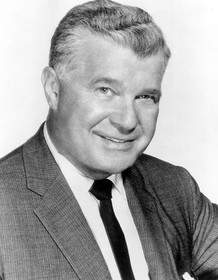
Robert Rossen
Made by

Rossen Films
Where to Watch Alexander the Great
See current US streaming, rental, and purchase options for Alexander the Great (1956) via JustWatch.

ScreenPix Amazon Channel
HD
ScreenPix Apple TV channel
HD
Fandango at Home Free
HD
Tubi TV
SD
YouTube Free
HD
Amazon Video
SD
Apple TV Store
HD Fandango At Home
HD
Google Play Movies
SD
YouTube
SD Streaming availability powered by 
Alexander the Great Plot Summary
Read the complete plot summary and ending explained for Alexander the Great (1956). From turning points to emotional moments, uncover what really happened and why it matters.
In a sweeping, deeply textured retelling of a pivotal era, the film unfolds against a chorus of power struggles between the rising Macedonian kingdom and the fractured Greek city-states. At the center is Alexander, a magnetic figure who grows from a spirited youth into a formidable conqueror, while the shadow of Philip II looms large—ambitious, pragmatic, and relentless in his drive to mold Greece into a unified force and push it toward a broader, perilous ambition. The drama opens with the tension between war and statecraft, as Demosthenes of Athens argues for resistance, warning that Philip’s design threatens the very soul of the Greek world.
Olympias, the king’s wife, carries a volatile rumor that will seed a tragic course: she claims that their son is “a god born of a god.” This proclamation is not just a personal boast but a political spark, a spark that will inflame factions, alliances, and grudges for years to come. Philip’s initial reaction is suspicion and anger, but wise counsel from trusted generals like Parmenio counsels patience—let the boy mature, let him learn, and let him decide his own path when the time is right. The boy grows under a gilded roof, but his education is anything but comfortable: at the school at Mieza, he studies history, mathematics, logic, and rhetoric under the tutelage of Aristotle, who frames a hunger for glory in the young prince. Alexander’s own voice expresses a fierce longing for glory, telling his teacher that, like Achilles, he would rather endure a brief, shining life than a long one without distinction.
When Philip advances, he makes a bold move, sending Alexander to rule as regent in the Macedonian capital, Pella, to stave off gossip about the succession and to concentrate power. The boy learns the realities of leadership in the crucible of campaign life, and the two leaders—father and son—move together on the campaigns that will become legend. The Battle of Chaeronea marks a turning point in Greek affairs, a brutal signal that the old city-states must recognize Macedonian supremacy. After the victory, Alexander demands loyalty and resources from all Greece to fund his father’s grand designs, insisting that they be ready to stand with Pella against Persia.
The family drama intensifies as Philip, in a strategic but ruthless reshuffling of alliances, divorces Olympias and marries Eurydice, a move that deepens the chasm between father and son and casts doubt on Alexander’s future. The tension inside the royal court erupts when Pausanias, once a devoted supporter of Alexander, is mocked for his loyalty. Olympias’s influence is implied as Pausanias’s fate takes a dark turn: he assassinates Philip, and Alexander acts quickly, killing Pausanias in the moment. Eurydice’s death follows—either suicide or a forced disappearance—while Olympias’s fingerprints, whether direct or indirect, cast a long shadow over Eurydice’s infant son, Caranus, and the succession question itself. In the wake of these murders, Alexander consolidates power, winning the loyalty of the Macedonians and taking up the mantle of leadership with newfound resolve.
The political chessboard shifts again as Memnon, an influential adviser from Darius’s court, is exiled for failing to pledge loyalty to Alexander, marking the Persian side of the looming conflict. The young conqueror then sets his sights on Asia, leading a clash of civilizations that will test his nerve, strategy, and almost mythic self-belief. In the Persian realm, Memnon counsels prudent, waiting warfare, while the Persian lords underestimate the “boy” who has already begun to feel invincible. The campaign begins with bold strides, including the legendary crossing into Asia and the decisive confrontations that follow.
A series of pivotal moments define the road to empire: the daring encounter at the Granicus River, where Alexander’s audacity and tactical brilliance begin to reshape the map; the solving of the Gordian Knot with a single, decisive sword stroke; and the mounting belief among his troops that a lunar omen can be read as a signal that the Macedonian sun will outshine the Persian moon. Before Babylon, a cunning seer named Aristander proclaims his prophecies, and a young king whose faith in the heavens grows bolder with each victory begins to see the world as his own domain.
When Darius III finally falls, his own will becomes part of the myth—the king bequeaths Roxane, the daughter of the Persian noble house, to Alexander in a bid to fuse two worlds into one. Roxane herself becomes a crucial figure in this saga, and the alliance is forged in the heart of Babylon, with the prior regicides in the Persian court avenged in the wake of Darius’s downfall. Throughout these triumphs, the Macedonian camp holds to a grim realism: epic deeds do not erase old feuds, and loyalty is a volatile currency. The story tracks not only military triumphs but also the moral and psychological costs of power.
In the glow of Babylon’s fires, Alexander raises his banner of invincibility and declares exacting, almost blasphemous dreams: > I am the son of God. > the world is my domain…We will march to the end of the world. These pronouncements, half prophecy, half swagger, echo through the ranks as the army presses on toward more distant horizons. In India, the news travels back to Athens and to the wider Greek world, where [Aeschines] might voice reverence and skepticism alike, while the growing legend of Alexander’s triumph fuels both awe and fear: > He has outdone the gods.
Yet the fever of conquest carries with it heavy human costs. In a drunken, fateful quarrel in the camp, the brilliant general Cleitus loses his life at Alexander’s hands, a blow that sobers the young king and exposes the vulnerabilities behind his ascent. Grief and reflection follow as he returns to Babylon, where alliances shift and personal life tightens its grip on political power. He marries Roxane in a union that cements his hold over the conquered territories, but illness soon returns and the dream of a seamless empire begins to fray. As death approaches, Alexander longs for the world and his own power to be carried beyond the river that has witnessed so much blood: he whispers a final, almost paradoxical wish that his body be cast into the Euphrates to mislead the world about his final rest—and he confesses the brutal, irreversible truth that will define his legacy: to the strongest.
This is not merely a chronicle of battles and treaties, but a meticulous portrait of how ambition, destiny, family, and politics collide to forge one of history’s most enduring legends. The film threads together intimate moments of education and doubt with sweeping, panoramic scenes of conquest, showing how a prince’s education, his father’s cunning, and the brutal calculus of empire propel a man toward becoming a legend whose shadow stretches across time.
Alexander the Great Timeline
Follow the complete movie timeline of Alexander the Great (1956) with every major event in chronological order. Great for understanding complex plots and story progression.
Demosthenes pushes war against Philip II
The Greek orator Demosthenes begins to advocate war against Philip II, urging Athens and its allies to resist Macedonian expansion. His speeches shape the political climate and set the stage for a broader Greek conflict with Philip's rising power.
Philip II campaigns to subdue Olynthus
Philip II leads a campaign to subdue the city of Olynthus, tightening Macedon’s grip on Greece. His moves signal growing ambition to dominate Greece and threaten Persian plans.
Olympias bears Alexander; Philip suspects infidelity
Olympias bearing a son she proclaims divine sparks anger in Philip II, who suspects adultery. The king fears challenges to his succession while Olympias insists the child holds a godly destiny.
Aristotle teaches Alexander at Mieza
Alexander studies history, mathematics, logic and more under Aristotle in Mieza, absorbing a broad education. He proclaims that a short life with glory is preferable to a long life of obscurity, foreshadowing his ambitions.
Alexander placed as regent in Pella
Philip II sends Alexander to the Macedonian capital Pella to rule as regent while he leads campaigns elsewhere. The arrangement allows the young heir to govern independently and begin shaping his authority.
Battle of Chaeronea and Macedonian dominance
Alexander joins Philip in campaigns and fights at Chaeronea, a decisive Macedonian victory. In its aftermath, he demands that Greek city-states never bear arms against Pella and contribute troops for Persia.
Philip divorces Olympias; Eurydice becomes queen
Philip II divorces Olympias for alleged unfaithfulness and marries Eurydice, creating a rift with Alexander. The court rivals worry over Alexander’s succession as questions about legitimacy rise.
Philip is assassinated; Pausanias killed; Eurydice dies
Pausanias assassinates Philip after a public slight toward Alexander. Alexander kills Pausanias on the spot; Eurydice dies in circumstances arranged to look like suicide, and Olympias has Caranus killed, intensifying a royal feud.
Alexander consolidates power and exiles Memnon
Alexander claims the throne and consolidates his hold over Macedon, suppressing rivals. Memnon is exiled for not pledging loyalty, and Alexander proclaims that the Treaty of Corinth remains in place.
Alexander begins Asia campaign; Granicus clash
Alexander departs from Macedon to conquer Asia, starting with campaigns in Asia Minor. Persian lords prepare to meet him at the Granicus River, where Alexander wins a decisive victory.
Gordian Knot resolved
In Phrygia, Alexander faces the Gordian Knot and cuts it with his sword, signaling a bold and decisive approach to future challenges.
Omen, Darius flees, Roxane and impaled regicides
Before the Babylon campaign, Alexander interprets a lunar eclipse as a sign of Persian eclipse under Macedonian rule. Darius flees to the Caspian Gates to rebuild, but is killed; Darius’s will asks Alexander to marry Roxane to unite their worlds, and Alexander orders Persian regicides to be impaled.
Babylon revelry and divine claims
During a drunken revelry in Babylon, Alexander proclaims himself the son of a god and declares the world under his control, declaring bold plans for further conquests. His reputation soars, but the mood hints at the moral and political costs of his empire-building.
Cleitus slain; India campaign and deathbed
Arrogance peaks when Alexander kills his close friend Cleitus during a drunken argument in Babylon. He later returns from his Indian campaign, marries Roxane at Susa, falls ill, and on his deathbed whispers that he will leave his empire to the strongest.
Alexander the Great Characters
Explore all characters from Alexander the Great (1956). Get detailed profiles with their roles, arcs, and key relationships explained.
Alexander — Richard Burton
Young Macedonian prince and military prodigy, Alexander is driven by a thirst for glory and destiny. Trained by Aristotle, he blends scholarly insight with ruthless pragmatism. The film follows his rapid ascent from regent to decisive conqueror, navigating loyalty, rivals, and the burdens of leadership.
Olympias — Danielle Darrieux
Philip II's wife and Alexander's mother, Olympias is a formidable political actor whose influence shapes dynastic plans and court intrigue. Her pursuit of power and myth-making stirs tensions within the royal family. Her actions contribute to the succession pressures that haunt Alexander.
Philip II — Fredric March
King of Macedon and father to Alexander, Philip II consolidates power and expands his kingdom through strategic campaigns. His distrust of Olympias and dynastic scheming fuels court intrigue and sets the stage for tragedy. His assassination plunges Alexander into sole leadership and further ambitions.
Parmenio — Niall MacGinnis
Seasoned general who counsels Alexander and helps shape early campaigns. He weighs loyalty to the king against practical military judgment and plays a key role in the unfolding power dynamics.
Aristotle — Barry Jones
Philosopher who educates Alexander in history, science, and rhetoric. His mentorship shapes Alexander's worldview and informs how the future conqueror perceives knowledge, virtue, and fate.
Pausanias — Peter Wyngarde
Loyal friend of Alexander whose devotion is tested by court politics. His later actions lead to the assassination of Philip II, triggering a chain of revenge and power struggles that define Alexander's early rule.
Memnon — Peter Cushing
Exiled advisor to Darius who opposes Alexander from the Persian side. He represents the seasoned Persian counterforce and strategic opposition Alexander must outmaneuver.
Roxane — Teresa Del Rio
Darius's daughter who becomes Alexander's wife, symbolizing a political alliance and personal union between Macedonian and Persian realms. Her marriage mirrors the blending of cultures that defines Alexander's empire.
Cleitus — Gustavo Rojo
Alexander's loyal comrade who challenges the ruler's decisions; their fraying friendship culminates in a drunken quarrel that becomes a turning point in Alexander's leadership and self-control.
Hephaestion — Ricardo Valle
Alexander's closest friend and confidant, a key military leader whose loyalty anchors the campaign. Their bond binds personal affection to political purpose, tested by the ruler's expanding ambitions.
Attalus — Stanley Baker
A political actor within the Macedonian court who influences dynastic discussions and the early plans for succession. His presence highlights the competing voices guiding Philip and Alexander.
Eurydice — Marisa De Leza
Wife of Philip II and stepmother to Alexander; her marriage creates a volatile alliance and personal tragedy. Eurydice's fate—suicide or murder—adds a layer of dynastic brutality to the story.
Aristander — Jess Luque
Prophetic adviser who interprets omens and guides Alexander's confidence, including references to eclipses and fortunes. His role shows the blend of science, magic, and politics in ancient leadership.
Aeschines
Athenian observer who remarks on Alexander's feats, signaling how contemporaries perceive his campaigns and their place in mythic history.
Alexander the Great Settings
Learn where and when Alexander the Great (1956) takes place. Explore the film’s settings, era, and how they shape the narrative.
Time period
c. 336–323 BCE
The narrative spans the late Classical period and early Hellenistic era. It covers Philip II's reign, Alexander the Great's education and rapid rise, and his campaigns across Greece, Asia Minor, Persia, and into India. The arc culminates with Alexander's death in Babylon, marking the end of his empire’s early expansion.
Location
Macedonia, Olynthus, Mieza, Pella, Babylon, Phrygia, Athens, India
The story unfolds across the ancient Greek world and the Persian Empire, moving from Macedonian courtses to frontiers of Asia. Key locations include the capital Pella, the learning halls of Mieza, and battle sites like Granicus and Chaeronea, as well as Babylon and campaigns into India. The film traverses cities and provinces that defined Alexander's conquests and the broader Hellenic world.
Alexander the Great Themes
Discover the main themes in Alexander the Great (1956). Analyze the deeper meanings, emotional layers, and social commentary behind the film.
👑
Power
The film traces Alexander's ascent from royal heir to ruler of a vast empire. It examines how political ambition shapes loyalties and the fate of cities, as decisions driven by conquest and governance ripple across Greece and Asia. The pursuit of glory drives strategy, diplomacy, and the sometimes brutal costs of leadership.
💫
Hubris
Alexander proclaims himself the son of gods and pursues an unchallenged path to the outer edges of the known world. His arrogance fuels both stunning victories and personal downfalls, straining friendships and alliances. The story shows how charisma can mask volatility and how ambition can precipitate tragedy.
🧭
Legacy
Conquests redraw the map and seed future cultural exchanges across the Hellenistic world. The film questions succession and what remains of a ruler after glory turns to myth. It explores how one man’s dream reshapes civilizations and leaves a lasting imprint on history.

Coming soon on iOS and Android
The Plot Explained Mobile App
From blockbusters to hidden gems — dive into movie stories anytime, anywhere. Save your favorites, discover plots faster, and never miss a twist again.
Sign up to be the first to know when we launch. Your email stays private — always.
Explore the mobile appAlexander the Great Spoiler-Free Summary
Discover the spoiler-free summary of Alexander the Great (1956). Get a concise overview without any spoilers.
In a sun‑blazed landscape of marble cities and rolling highlands, the film opens on a world on the brink of transformation. The fractured Greek poleis whisper of freedom while the rising Macedonian kingdom gathers its forces under a banner of unity. Against this backdrop, the story is driven by an unrelenting belief that the spread of Hellenic culture can illuminate every corner of the known world, setting a tone that is both grand in scale and intimate in its quest for meaning.
At the heart of the saga is a fiery young prince, Alexander, whose restless ambition is matched only by his longing for everlasting glory. Raised under the watchful eye of his formidable father, the king‑maker Philip, and the fierce, prophetic mother Olympias, the future conqueror is nurtured by the legendary philosopher Aristotle, whose teachings plant the seeds of destiny and the yearning to outshine the heroes of myth. Their household is a crucible where education, politics, and personal desire collide, forging a leader who feels both the weight of lineage and the pull of his own destiny.
The film weaves together sweeping battlefields, opulent courts, and the delicate politics of ancient Greece, creating a tone that balances the thunder of cavalry charges with the quiet tension of council chambers. The mood is one of relentless forward motion, underscored by the ever‑present question of whether power can truly be a force for cultural enlightenment or merely a path to personal legend. As alliances shift and voices of dissent echo through marble columns, the central character wrestles with the expectations placed upon him and the inner fire that drives him to claim a place among the gods.
Through lush cinematography and a richly layered score, the narrative invites the audience to contemplate the price of empire before the first step beyond Macedon is taken, leaving a lingering sense of awe and anticipation for the horizons that await.
Movies with Similar Twists and Themes
Uncover films that echo the narrative beats, emotional arcs, or dramatic twists of the one you're exploring. These recommendations are handpicked based on story depth, thematic resonance, and spoiler-worthy moments — perfect for fans who crave more of the same intrigue.
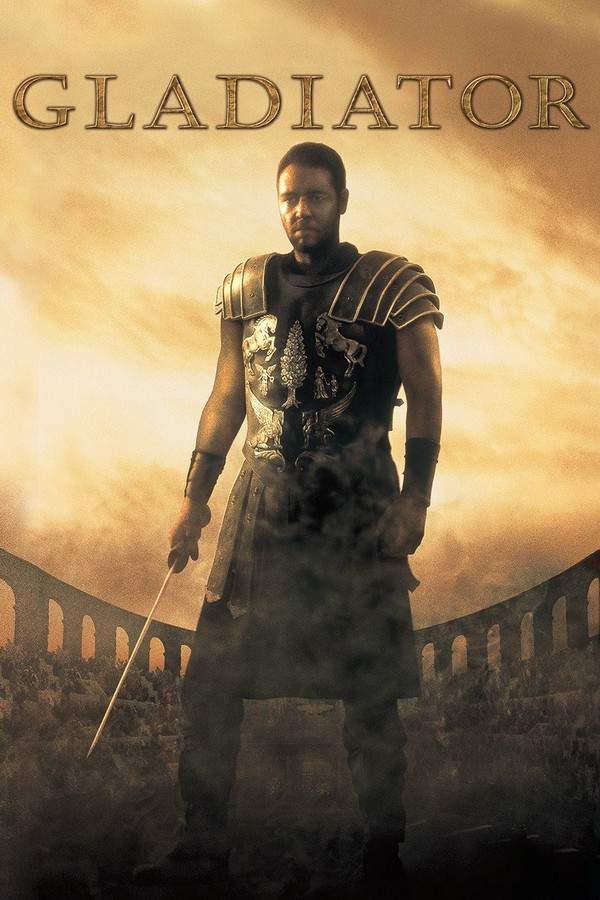

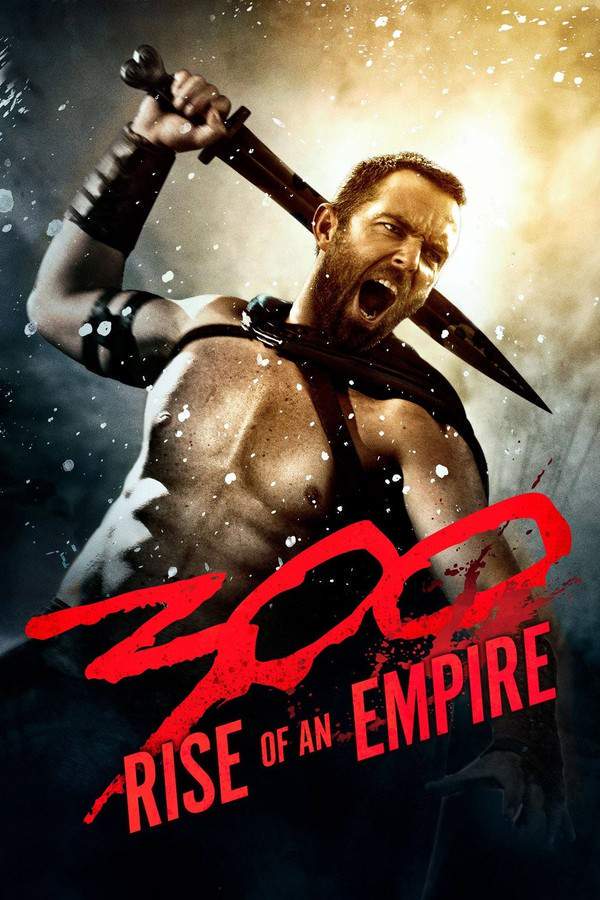
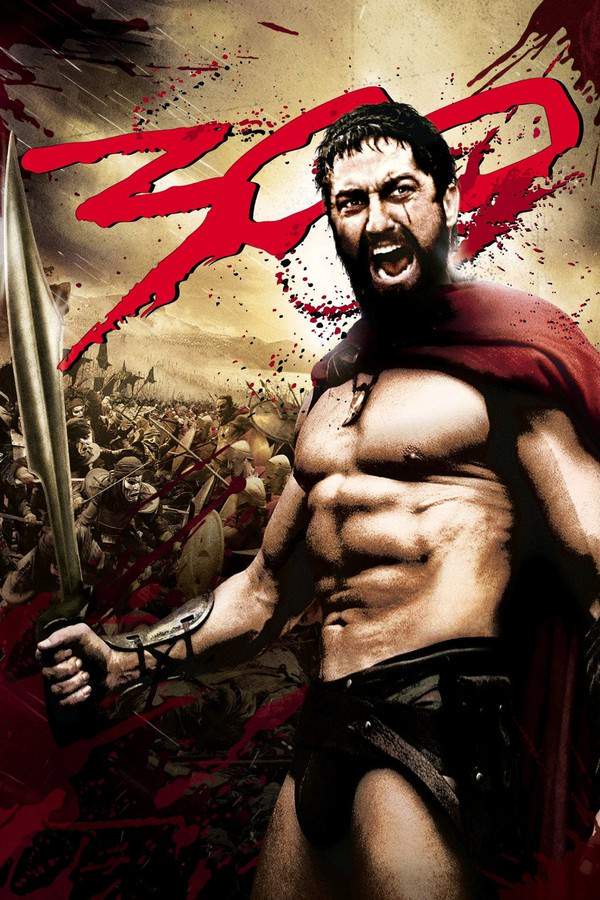


Featured on this page

What's After the Movie?
Not sure whether to stay after the credits? Find out!
Check out our other apps:

SAT Sphere
Build confidence for the Digital SAT.

Mori Atlas
Discover wild places worth protecting.

Luntero
Search smarter for a home in Amsterdam.

Plot Explained
Unravel movie endings and hidden clues.

Pokechamp
Dive into Pokémon data and battle logic.

Driving Theory
Get ready for your European theory test.

Movie Dust
Plan your next cinema trip with ease.

Musemap
Find art and culture as you travel.

Selkobase
Compare credentials before committing.

Local Manual
Turn an unfamiliar country into practical next steps.

Lernavi
Compare school systems before your next move.

GymRoam
Find a workout stop wherever your plans take you.
Explore Our Movie Platform
New Movie Releases (2026)
Famous Movie Actors
Top Film Production Studios
Movie Plot Summaries & Endings
Major Movie Awards & Winners
Best Concert Films & Music Documentaries
Movie Collections and Curated Lists
© 2026 What's After the Movie. All rights reserved.
Privacy Policy