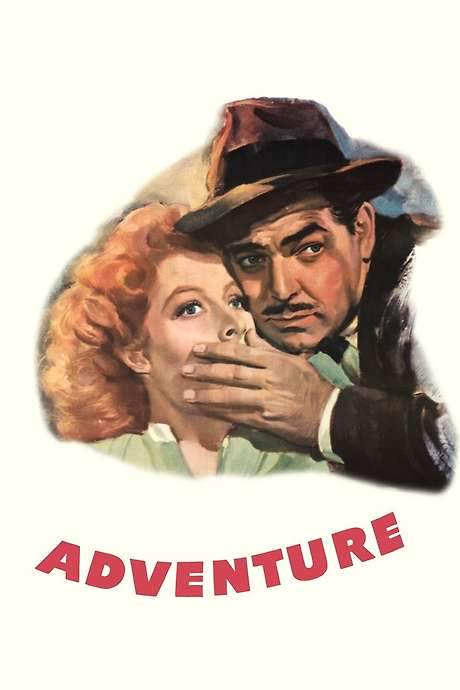
What Is Adventure in Baltimore About?
The premise of Adventure in Baltimore in 283 words, with nothing given away. The full story follows below.
In 1905 Baltimore, an elite all‑girls academy teeters between genteel tradition and the restless stir of modern ideas. Dinah Sheldon, a bright art student with a fervent sense of justice, refuses to let the expectations of petticoats and propriety dictate her future. She dreams of Parisian studios, challenges the conventions of her curriculum, and finds herself repeatedly drawn into the burgeoning discussions about women’s rights that echo through the city’s parlors and streets.
At home, the clash of ideals unfolds across the Sheldon household. Dr. Andrew Sheldon, a compassionate Episcopalian pastor, watches his daughter’s rebellion with a mixture of concern and quiet pride, while his wife urges a more conventional path for her. Tom Wade, Dinah’s childhood sweetheart, embodies the steady, respectable life she is expected to choose, and his growing involvement with the more cosmopolitan Bernice Eckert adds another layer of tension. The family’s internal debates are amplified by the presence of Dan Fletcher, a Scottish vestryman whose counsel often reflects the broader pressures of church politics and societal expectations.
The film’s tone balances the ornate elegance of early‑twentieth‑century Baltimore with the charged energy of a city on the brink of social upheaval. Against a backdrop of grand ballrooms, modest workshops, and the whispered question “What happened in the greenhouse?” the story paints a vivid portrait of a young woman whose art and advocacy become inseparable. As suffrage rallies and artistic ambitions intersect, Dinah navigates a world where every brushstroke and spoken word can either reinforce the status quo or ignite a quiet, powerful rebellion. The atmosphere is one of restless curiosity, inviting the audience to wonder how far one determined voice can travel within the constraints of family, faith, and tradition.
What Happens in Adventure in Baltimore?
The complete story of Adventure in Baltimore, from the first scene to the last, in 666 words (about 3 minutes). Spoilers throughout. Names in the text link to 5 cast member pages.
Spoilers ahead
In 1905, Dinah Sheldon, a spirited art student, is expelled from Miss Ingram’s Seminary for defying convention—wearing two petticoats instead of five, joining political rallies, and insisting that she be allowed to study nudes. When she is sent home to Baltimore, Dr. Andrew Sheldon, her understanding father and an Episcopalian pastor, forgives her latest calamity, while his wife pushes for a more conventional femininity, urging Dinah toward the accepted path. Dinah’s childhood sweetheart, Tom Wade, believes she should settle down and confesses that since her absence he has begun dating the more “continental” Bernice Eckert.
Dinah tries to keep her eye on Paris as the ultimate dream, telling Tom she intends to study art there, and he agrees to help her pursue that ambition. But trouble follows when Dinah is arrested during a brawl in a public park—sparked by a dispute over one of her paintings—and Tom is forced to post bail for five men. Out of gratitude, Dinah offers to write a speech for Tom on equality, which he is slated to deliver at the Forum Society’s Spring Dance. While preparing, Dinah learns that two women who witnessed her jail exit have notified Dan Fletcher, Dan Fletcher, Andrew’s Scottish vestryman. The scandal unsettles the campaign for Andrew’s bishop candidacy, and Dan urges him to punish Dinah.
Instead, the more generous Andrew shares a secret from his own past—he once had a brief ballroom dancing career but gave it up to protect his father’s reputation—an admission that softens the family’s view of Dinah’s defiance. That night, Dinah arrives late to the Forum Society, and Tom must read her speech cold. He is stunned to discover that her talk on “equality” actually champions female emancipation, and the crowd responds with laughter rather than awe.
Humiliated, Tom pours his affection onto Bernice and tells Dinah he no longer wants to be seen with her. Sensing the strain, Andrew reluctantly offers to pair with Dinah in a waltz contest, and the pair—father and daughter—beat Tom and Bernice with a graceful, synchronized performance. Later, Dinah visits Tom at the automobile garage where he works as a mechanic and asks him to pose for a portrait she plans to enter in a contest called Spirit of Labor. Tom initially resists, but Dinah persuades him by promising to hide his face in the finished painting. She dresses him in a bathing suit and hammer, and paints his likeness in the seclusion of the family greenhouse.
Dinah enters the painting anonymously, but Tom’s unmistakable face betrays his identity, and Dinah’s involvement is quickly suspected. To complicate matters, painting Tom as half-undressed jeopardizes her own reputation, and Andrew, who has just been nominated for bishop, finds himself drawn into another wave of scandal. Tom is fired from his job and Bernice ends things with him in the wake of the controversy.
Under pressure from Lily and Dan, Andrew agrees to send Dinah to her aunt in Pittsburgh until his promotion is secured. Tom, meanwhile, stands up for Dinah’s honor against Bernice, and as Dinah prepares to depart for the train station, Tom insists on riding with her in the family carriage. En route, a suffrage parade is disrupted by jeering men; Dinah and Lily bravely intervene, sparking a small riot that dampens the mood but underscores the spirit of resistance at the story’s center.
When a regretful Andrew realizes what has happened, he steps in to bail out his family and Tom from jail. The next day in church, he delivers an impromptu sermon on tolerance, a pivot that brings his congregation to tears and earns him a new sense of purpose. As Tom finally confesses his love for Dinah, Andrew learns that he has been chosen bishop, a vindication of the very values Dinah’s daring has been pressing the family to embrace. Through fallout and forgiveness, the Sheldons navigate tradition, ambition, and the power of art to challenge norms, culminating in a moment of shared understanding that promises a gentler, more inclusive future.
Adventure in Baltimore Timeline: Every Key Event in Order
14 key events in the order they happen, from “Expulsion from Miss Ingram's Seminary” to “Tom confesses his love and Andrew becomes bishop”. 14 events name a place, across 14 locations.
- 1
Expulsion from Miss Ingram's Seminary
In 1905, Dinah Sheldon is expelled from Miss Ingram's Seminary for wearing two petticoats and for attending political rallies and insisting on studying nudes. The decision underscores her rebellious, art-driven nature and shakes the school's order. Her father, Dr. Andrew Sheldon, an Episcopalian pastor, forgives her, but her mother Lily urges her to become more conventionally feminine.
When:1905 Where:Miss Ingram's Seminary, Baltimore
- 2
Return to Baltimore and family dynamics
Dinah is sent home to Baltimore, where her father forgives the latest calamity but the family atmosphere grows tense. Lily pushes Dinah toward conventional femininity while Andrew remains protective and tolerant of her ambitions. The household becomes a battleground of expectations between art, faith, and social propriety.
When:shortly after expulsion Where:Baltimore, Sheldon home
- 3
Dinah, Tom Wade, and Bernice Eckert
Dinah feigns indifference to Bernice, telling Tom that her only ambition is to study art in Paris, and he agrees to help her fulfill her dream. Tom's feelings and commitments begin to strain as Bernice becomes a rival. Dinah's resolve to follow her art contrasts with Tom's more conventional desires.
When:after her return Where:Baltimore social circles
- 4
Arrest at the park and bail for five
Dinah is arrested during a brawl in a public park that erupts after four loafers argue over one of her paintings. The overworked Tom Wade is asked to post bail for all five people involved. The arrest links Dinah's art and stubborn independence to escalating public trouble and risk to her family's reputation.
When:the night of the brawl Where:Public park
- 5
Dinah helps Tom craft an equality speech
Dinah offers to write a speech for Tom on equality, hoping to boost his standing with the Forum Society. While preparing it, she learns that two women who witnessed her exit from jail have told Dan Fletcher, Andrew's vestryman. Dan's knowledge deepens the scandal just as Andrew's bishop candidacy grows more precarious.
When:following the arrest Where:Dinah's home
- 6
Forum Society Spring Dance and the failed speech
That night, at the Forum Society's Spring Dance, Tom is compelled to deliver Dinah's speech, which centers on female emancipation. The speech falls flat, as Dinah arrives late and Tom reads it cold, and the crowd laughs at the idea of equality. The humiliation complicates Tom's feelings and Dinah's resolve.
When:the night of the Spring Dance Where:Forum Society ballroom
- 7
Waltz contest and Andrew's support
Humiliated, Tom begins pulling away from Dinah, while Andrew unexpectedly offers to partner with Dinah in a waltz contest. Dinah and Andrew's teamwork defeats Tom and Bernice, showcasing a reconciliation between father and daughter. The victory cements Dinah's stubborn independence within the family dynamic.
When:the same night as the dance Where:Ballroom during the dance
- 8
Dinah persuades Tom to pose for Spirit of Labor
Dinah visits Tom at the family automobile garage and asks him to pose for a portrait she plans to enter in the Spirit of Labor contest. Tom initially resists but agrees to disguise his face in the finished painting. He poses in the greenhouse, capturing Dinah's interpretation of labor and identity.
When:shortly after the dance Where:Automobile garage and family greenhouse
- 9
Painting reveal and scandal
The painting is entered anonymously, but Tom's clearly identifiable face threatens Dinah's reputation and Andrew's rising bishop prospects. Dinah's portrait draws scandal to the Sheldon family and forces Andrew to confront the costs of public life. The event drags the family deeper into social controversy.
When:after the painting is finished Where:Family greenhouse
- 10
Tom fired and Bernice ends the relationship
Tom is fired from his job and Bernice dumps him in the wake of the painting scandal. Dinah's artistic rebellion has tangible consequences for Tom's livelihood and for her place in society. The family endures renewed scrutiny as Dinah's dream collides with communal expectations.
When:soon after the portrait is revealed Where:Automobile garage and social circles
Show the other 4 events of Adventure in Baltimore Hide the last 4 events
- 11
Dinah sent to Pittsburgh to wait for promotion
Pressured by Lily and Dan, Andrew considers his bishop prospects and sends Dinah to live with her aunt in Pittsburgh until promotion is secured. The separation creates physical distance but also space for Dinah's growth and continued artistic pursuit. Pittsburgh becomes a backdrop for the next chapter in the family story.
When:after the decision to delay promotion Where:Pittsburgh, with Dinah's aunt
- 12
Suffrage parade incident and rescue
On the way to the train station for Dinah's departure, a suffrage parade is harassed by jeering men. Dinah and Lily intervene to defend the marchers, sparking a minor riot. Andrew bails the family and Tom out of jail, cementing his stance.
When:the day of the departure Where:City streets during the suffrage parade
- 13
Andrew's impromptu sermon on tolerance
The next day in church, Andrew delivers an impromptu sermon on tolerance that moves the congregation to tears. The sermon marks a turning point in how his family views Dinah's activism and his own public role. It helps clear a path toward the bishop appointment.
When:the day after the riot Where:Church
- 14
Tom confesses his love and Andrew becomes bishop
Tom finally confesses his love to Dinah as the family absorbs the changes underway. Around the same time, Andrew learns that he has been appointed bishop, a vindication of his tolerant stance. The sequence of personal and professional breakthroughs signals a new chapter for the Sheldons.
When:shortly after the sermon Where:Home and church
Who Are the Main Characters in Adventure in Baltimore?
7 characters, among them Dr. Andrew Sheldon (Robert Young), Dinah Sheldon (Shirley Temple) and Tom Wade (John Agar): who each one is and the part they play in the story. Every profile links to the actor’s page.
-
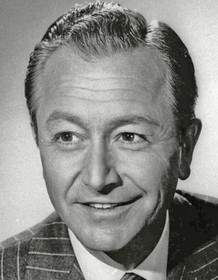
Dr. Andrew Sheldon (Robert Young)
Played by Robert Young
A principled Episcopalian pastor who navigates his daughter Dinah's headstrong ambitions with forgiveness and support. He wrestles with protecting his family's reputation while nurturing Dinah's artistic dreams, and his impromptu sermon on tolerance becomes a pivotal moment for his congregation.
- Father
- Pastor
- Reformer
- DS
Dinah Sheldon (Shirley Temple)
Played by Shirley Temple
An enthusiastic art student who challenges societal expectations with courage and wit. Her dream of studying art in Paris drives conflict and growth, as she pushes boundaries while seeking personal and artistic fulfillment.
- Artistic
- Headstrong
- Idealist
- TW
Tom Wade (John Agar)
Played by John Agar
Dinah's childhood sweetheart who works as a mechanic. He grapples with love, loyalty, and the social pressures surrounding Dinah's activism, ultimately expressing his feelings while facing reputational risks.
- Supportive
- Romantic
- Loyal
- BE
Bernice Eckert (Carol Brannon)
Played by Carol Brannon
Tom's new love interest, embodying a cosmopolitan, conventional ideal. Her presence contrasts with Dinah's independent ambitions and highlights differing visions of modern womanhood.
- Romantic Rival
- Traditional
- DF
Dan Fletcher (Albert Sharpe)
Played by Albert Sharpe
A Scottish vestryman who uses social pressure and scandal to influence Andrew’s career. He represents the cautious, status-quo side of the community that resists change.
- Vestryman
- Politician
- ML
Mrs. Lilly Sheldon (Josephine Hutchinson)
Played by Josephine Hutchinson
Dinah's mother, who advocates conventional femininity and propriety while supporting her daughter's talents in her own way. She embodies the social expectations Dinah often challenges.
- Mother
- Conventional
- ME
Mrs. Eckert (Josephine Whittell)
Played by Josephine Whittell
Bernice's mother, part of the social circles that influence Tom and Bernice. Her views reflect upper-class attitudes surrounding reputation and propriety.
- Society Matriarch
Where and When Is Adventure in Baltimore Set?
Adventure in Baltimore is set in Baltimore and Pittsburgh (1905). Here is why the time and place matter to the story.
When
1905
The story is set in 1905, a period when American society wrestled with modernization, education for women, and evolving social norms. Public life includes parades, debates, and church politics that test traditional gender roles and authority. The era's emphasis on propriety and reputation heightens the stakes around Dinah's artistic ambitions and advocacy.
Where
Baltimore, Pittsburgh
Baltimore serves as the film's home base, reflecting early-1900s urban life and family expectations. Much of the action centers around the Sheldon family home, Miss Ingram's Seminary, and public spaces where debates and scandals unfold. The story also moves to Pittsburgh to visit Dinah's aunt, illustrating a nearby urban setting tied to the main events.
- 🏙️ Baltimore
- 🗺️ Pittsburgh
What Are the Themes of Adventure in Baltimore?
3 ideas the story keeps returning to, among them Equality, Reputation and Art & Ambition.
-
01
Equality
Dinah challenges traditional gender roles by advocating for women’s rights and equal opportunities. Her actions and speeches bring feminist ideas into public view, even as she faces resistance from peers and family. The narrative uses moments of humor and confrontation to examine how society responds to calls for equality.
-
02
Reputation
Reputation and public perception drive much of the plot, with Dinah’s painting, Tom’s portrait, and the rector’s nomination all risking social standing. Dan Fletcher and others push for punishment, while Andrew’s growth shows that mercy can repair damage to family honor. The story suggests that tolerance can redefine a community’s judgment.
-
03
Art & Ambition
Dinah uses art as a means to pursue her dream of study abroad, even as it provokes controversy. The Spirit of Labor contest and the anonymous painting test the boundaries between artistic expression and propriety. The arc frames art as a path to independence, balanced against social expectations.
What Kind of Film Is Adventure in Baltimore?
Hopeful in tone, with steady pacing and a straightforward story, going by the plot summary.
- Tone
- Hopeful
- Pacing
- Steady
- Story
- Straightforward
- Intensity
- Medium
- Ending
- Happy
A heartwarming and gently rebellious coming-of-age story set in the early 1900s, where a young woman's artistic spirit and feminist ideals cause a family scandal but ultimately lead to a hopeful vindication of progressive values.
- defiant
- nostalgic
- heartwarming
- conflicted
- hopeful
- scandalous
- coming of age
- feminism
- family conflict
- social scandal
Content notes: public brawl, public humiliation, job loss due to scandal.
Quiz
How well do you remember Adventure in Baltimore? Test yourself on the story.
Where to Watch Adventure in Baltimore
. US availability and prices from JustWatch.
Streaming availability in the US, powered by