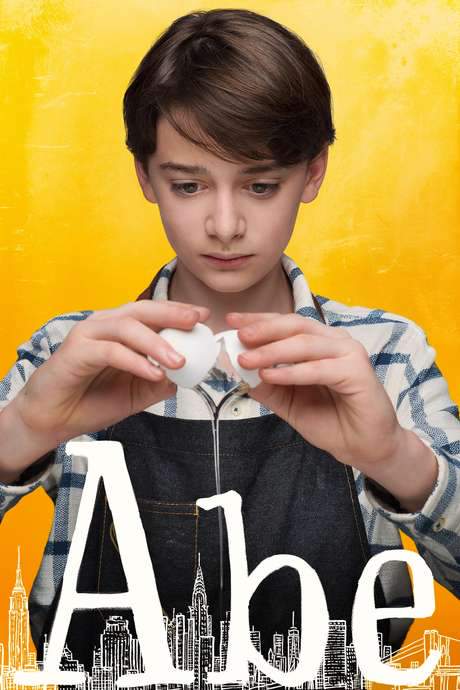
Abe 2019


Directed by

Fernando Grostein Andrade
Made by

FJ Productions
Where to Watch Abe
See current US streaming, rental, and purchase options for Abe (2019) via JustWatch.

Fandor Amazon Channel
HD
Philo
HD
Fawesome
HD
Hoopla
SD
Kanopy
HD
YOW.tv
HD
Cineverse
HD
Fandango at Home Free
HD
Plex
HD
Plex Channel
HD
Pluto TV
SD
The Roku Channel
HD
Tubi TV
SD
YouTube Free
HD
Amazon Video
SD
Apple TV Store
HDFandango At Home
SD
Google Play Movies
SD
YouTube
SDStreaming availability powered by 
Abe Plot Summary
Read the complete plot summary and ending explained for Abe (2019). From turning points to emotional moments, uncover what really happened and why it matters.
Abe is a precocious baker who chats with his family while crafting treats and sharing photos of his dishes on a Tumblr-like feed. His mother Rebecca and his father are atheists who don’t want him to pick sides—bar mitzvah or Ramadan—yet Abe longs to experience both traditions. In a lively open market, he approaches a Black Brazilian cook, a mentor figure in the story, but the cook hesitates, wary of getting anyone in trouble; the kitchen scene introduces the film’s tension between curiosity and caution, and Chico the cook becomes a guiding presence.
When the adults sign Abe up for a summer kids’ cooking class, he fears the class will be too easy, and his worry proves true. He slips away and finds his way to Chico’s kitchen, where he’s allowed to learn by doing rather than by taking notes in a classroom. The first two weeks are humble and humbling—he starts by washing dishes and taking out the trash—but gradually he earns a seat at the stove. Both he and the kitchen share a hunger for fusion: Chico blends Latin American cuisines into new flavors, while Abe dreams of merging Palestinian and Jewish culinary traditions into something truly unique.
Back home, Abe’s world collapses when his parents discover he wasn’t in the class and they outrageously decide to confiscate his phone and laptop until school starts again. The family’s bond is strained further as they separate temporarily, a pause that leaves Abe yearning to bridge the gulf between generations and beliefs. He devises a bold plan to bring everyone together through a Jewish-Palestinian “semitic Thanksgiving” dinner, as he envisions food as a language that can heal old wounds and misunderstandings.
Reluctant conversations about the Middle East and about how to raise Abe become louder around the dinner table, while Abe himself keeps cooking, returning to Chico’s kitchen as needed. The family begins to fear for his safety when he wanders outside at night, yet his meals start to do something surprising: they spark curiosity, empathy, and a readiness to listen. As the film unfolds, the family gradually comes to appreciate the power of Abe’s food, not merely as nourishment but as a bridge between cultures.
In the end, the search for Abe culminates in a reunion where everyone tastes his creations and acknowledges his talent. The meal features the hopeful fusion he has imagined all along, and the family rediscovers a shared love that transcends differences. The final notes are warm and uplifting: they celebrate nourishment, connection, and the idea that food can bring even the most divided relatives back together, leaving the audience with a sense of joy and possibility.
Abe Timeline
Follow the complete movie timeline of Abe (2019) with every major event in chronological order. Great for understanding complex plots and story progression.
Abe shows off cooking skills to family
Abe bakes and confidently explains techniques to his relatives, highlighting advanced knowledge beyond his age. The scene establishes his culinary talent and the family's mixed reactions to his ambitions. His Tumblr posts begin to showcase his food to a wider audience.
Family debates rites and beliefs
Abe's older relatives push for a bar mitzvah, while others press for Ramadan fasting. His atheist parents resist both traditions, preferring to let Abe decide his path. The tension foreshadows the clash between tradition and personal ambition.
Abe wanders the open market
Abe walks through an open food market and seeks help from a Black Brazilian cook. The cook is wary of getting into trouble, yet senses Abe's genuine hunger for knowledge. The encounter highlights cross-cultural exchange as a central theme.
Summer cooking class enrollment
Abe's parents enroll him in a summer kids' cooking class, hoping to channel his energy. Abe fears the class will be too easy and fears his worry proves true when he arrives. He decides to skip the class and seek real kitchen experience elsewhere.
Abe sneaks to the Brazilian cook's kitchen
Instead of staying in the class, Abe slips away and finds the Brazilian cook. The cook hesitates at first, worried about trouble, but sees an opportunity for mentorship and agrees to let Abe stay. Abe begins an intense apprenticeship in fusion-focused cooking.
Two weeks of kitchen work
The cook assigns Abe to washing dishes and taking out the trash for the first two weeks. Gradually, Abe earns permission to assist with cooking tasks. They share a dream of fusion cuisine, blending Latin American flavors with Abe's Palestinian and Jewish culinary influences.
Parents discover the truth
Abe's absence from the class is discovered and his parents react with outrage. They confiscate his phone and laptop to prevent further secret cooking. Abe stays determined, plotting his next move to pursue his passion.
Family separation and plan for Semitic Thanksgiving
Abe's parents announce a temporary separation, leaving him to navigate a fractured family. He imagines bringing everyone together with a Jewish-Palestinian 'semitic Thanksgiving' dinner. The idea sparks heated debates among relatives about identity and the Middle East.
Abe runs back to the cook
Feeling the strain of the family rift and fearing for his safety, Abe runs away to the cook's kitchen at night. He seeks sanctuary and continued mentorship in the place where his culinary identity began. The night adds tension to his quest for unity through food.
Family fears grow; longing to reconnect
The family fears something has happened to Abe while he is away, leading to anxiety and silence. As fear eases, they begin to anticipate a reconciliation, slowly thawing as they consider Abe's food and vision. Food becomes the bridge for their reunion.
Abe is found; the family tastes his food
They locate Abe and return, reuniting around his culinary creations. The relatives express pride and reassurance, acknowledging that his food speaks to their shared potential. The moment marks a turning point toward harmony and mutual respect.
Ending: happiness and new fusion dream
The movie closes on a hopeful note as the family supports Abe's passion for Jewish-Palestinian fusion. Abe's culinary path symbolizes a bridge between cultures, and the household ends the day in warmth and celebration. The story affirms the power of food to unite diverse traditions.
Abe Characters
Explore all characters from Abe (2019). Get detailed profiles with their roles, arcs, and key relationships explained.
Abe (Noah Schnapp)
Abe is a precocious, food-obsessed kid who loves cooking and sharing his dishes online. He dreams of blending Palestinian and Jewish cuisines, challenging traditional expectations from his relatives. His journey is powered by curiosity, resilience, and a belief that food can heal family rifts.
Rebecca (Dagmara Dominczyk)
Rebecca sits at the crossroads of tradition and modern family life. She represents the older generation’s expectations about rites like bar mitzvah and Ramadan and participates in the family debates about Abe’s path. Over time, she encounters Abe’s talent and the healing potential of his cooking.
Chico (Seu Jorge)
Chico is the Black Brazilian cook who takes Abe under his wing. He guides Abe through learning in a bustling kitchen and encourages fusion between Latin American flavors and the dish Abe envisions. His kitchen becomes a sanctuary for experimentation and mutual respect across cultures.
Benjamin (Mark Margolis)
Benjamin is an elder figure in the family who embodies tradition and skepticism toward rapid change. He contributes to the heated discussions about upbringing, faith, and the right way to honor family history. His stance helps frame the stakes around Abe's culinary ambitions.
Mike Gold (Steve Routman)
Mike Gold is a parental or parental-adjacent figure who navigates the tension between protecting Abe and allowing his creative exploration. His reactions to Abe’s choices reveal how adults in the family balance concern with openness to new ideas.
Aida (Salem Murphy)
Aida is part of the extended family circle who witnesses the conflict and ultimately supports Abe's cooking journey. Her stance helps show a broader community dynamic around tradition and innovation.
Abe Settings
Learn where and when Abe (2019) takes place. Explore the film’s settings, era, and how they shape the narrative.
Time period
Contemporary present day
The events unfold in modern times, with social media and globalized food culture shaping Abe's ambitions. The calendar moments around Ramadan and the bar mitzvah timeline frame family expectations. The characters navigate contemporary family dynamics and interfaith perspectives in a current-day setting.
Location
Open food market, Brazilian cook's kitchen, family home, cooking class venue
The film moves through a bustling urban open market where Abe seeks help from a Black Brazilian cook. It shifts to the kitchen of the Brazilian cook where fusion cuisine becomes the main arena of learning. The family home hosts tense conversations about tradition, faith, and the right way to raise a child, while a summer cooking class forms a backdrop for Abe's challenges.
Abe Themes
Discover the main themes in Abe (2019). Analyze the deeper meanings, emotional layers, and social commentary behind the film.
🌍
Identity
Abe's desire to fuse Palestinian and Jewish food mirrors a diasporic search for a plural identity. The story explores how culture travels across borders and how food becomes a language for belonging. The family’s reactions reveal how identity is negotiated within tradition, faith, and modern curiosity.
🍽️
Food & Family
Cooking serves as the central bridge linking different cultures and generations. Abe's culinary experiments become a way to unite a fractured family around a shared meal. The Brazilian kitchen becomes a space where love, memory, and culinary exchange blend.
⚖️
Tradition vs Modernity
The film places tradition under scrutiny as Abe seeks both bar mitzvah-like rites and Ramadan principles in tension with atheist parents. Family debates reveal the pull between preserving ritual and embracing new, fusion possibilities. The resolution arrives not through dogma but through the unifying power of Abe's cooking.

Coming soon on iOS and Android
The Plot Explained Mobile App
From blockbusters to hidden gems — dive into movie stories anytime, anywhere. Save your favorites, discover plots faster, and never miss a twist again.
Sign up to be the first to know when we launch. Your email stays private — always.
Explore the mobile appAbe Spoiler-Free Summary
Discover the spoiler-free summary of Abe (2019). Get a concise overview without any spoilers.
In bustling Brooklyn, a city where the hum of traffic mixes with the scent of street‑food, a twelve‑year‑old boy named Abe lives at the crossroads of two worlds. His mother’s Israeli roots and his father’s Palestinian heritage have given him a family tapestry rich with flavors, stories, and lingering tensions. Every family gathering feels like a delicate negotiation of identity, and the neighborhood itself pulses with the same restless energy that fuels his curiosity.
Abe’s fascination with food goes beyond the ordinary. Armed with a modest kitchen, a camera phone, and a Tumblr feed that showcases his daring experiments, he is already a budding chef who can recite recipes with the confidence of a seasoned cook. Yet his culinary ambitions clash with the expectations of his extended relatives: older Jewish cousins whisper about an imminent bar mitzvah, while Muslim uncles suggest fasting for Ramadan. Caught between these traditions, and with atheist parents who prefer to stay out of the religious fray, Abe dreams of a dish that honors both lineages without choosing one over the other.
A chance encounter in a bustling open‑air market leads him to the Brazilian cook, a seasoned street‑food veteran who guards his kitchen secrets fiercely. Intrigued by the boy’s relentless enthusiasm, the cook offers a glimpse into a world where Latin‑American spices dance with technique, hinting at a possible bridge between Abe’s disparate culinary heritages. Their tentative partnership promises a new kind of fusion—one that could redefine what it means to belong.
At the heart of the story lies a simple, hopeful premise: a young chef seeking to stitch together a fractured family through the universal language of a shared table. The film balances the intimate warmth of kitchen rituals with the broader, bittersweet chords of cultural identity, inviting viewers to wonder whether a single, thoughtfully prepared meal can smooth the sharp edges of history and bring people a little closer together.
Featured on this page

What's After the Movie?
Not sure whether to stay after the credits? Find out!
Check out our other apps:

SAT Sphere
Build confidence for the Digital SAT.

Mori Atlas
Discover wild places worth protecting.

Luntero
Search smarter for a home in Amsterdam.

Plot Explained
Unravel movie endings and hidden clues.

Pokechamp
Dive into Pokémon data and battle logic.

Driving Theory
Get ready for your European theory test.

Movie Dust
Plan your next cinema trip with ease.

Musemap
Find art and culture as you travel.

Selkobase
Compare credentials before committing.

Local Manual
Turn an unfamiliar country into practical next steps.

Lernavi
Compare school systems before your next move.

GymRoam
Find a workout stop wherever your plans take you.
Explore Our Movie Platform
New Movie Releases (2026)
Famous Movie Actors
Top Film Production Studios
Movie Plot Summaries & Endings
Major Movie Awards & Winners
Best Concert Films & Music Documentaries
Movie Collections and Curated Lists
© 2026 What's After the Movie. All rights reserved.
Privacy Policy