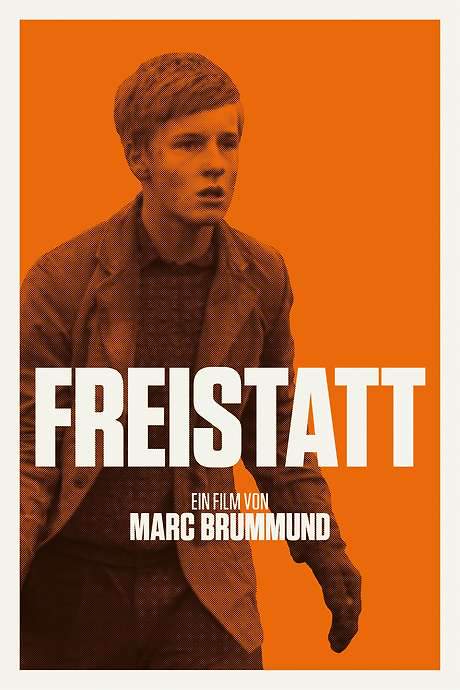
Sanctuary 2015

Directed by

Marc Brummund
Made by

ARD
Where to Watch Sanctuary
See current US streaming, rental, and purchase options for Sanctuary (2015) via JustWatch.










Sanctuary Plot Summary
Read the complete plot summary and ending explained for Sanctuary (2015). From turning points to emotional moments, uncover what really happened and why it matters.
In the summer of 1968, a 14-year-old Wolfgang Rosenkötter from Osnabrück, who enjoyed tinkering with mopeds, finds himself at odds with his stepfather and the rules of his world. After exposing a paternal magazine to his friends, he is sent by the Youth Office to a Christian educational center in Freistatt. His mother promises a Christmas reunion, and he even takes a photograph of her to the new place, clinging to a thread of hope as he steps into an environment that feels harsher and more controlled than he imagined.
The home greets him with a stern efficiency. In the garden, the housefather Hausvater Brockmann reads the boy’s file aloud, labeling him as aggressive, renitent, and disobedient. The system treats him as another pupil in a long line of so-called “good Christians,” where routines resemble barracks and authority is exercised with a firm, unyielding hand. Brockmann has led this household for decades, shaping a harsh, ritualized world where punishment is a collective performance and the hierarchy is felt in every corner.
Early on, Bernd disciplines Wolfgang as the weaker pupil in a cruel routine, while Anton, an Afro-German new arrival, reaches out to him with the shared sense of belonging that Osnabrück once provided. The boys toil together in the peat mire, and when Wolfgang protests about delayed boot provision, Brother Wilde intensifies the punishment with a brutal strike. An escape attempt through the treacherous marsh fails, underscoring the sense that “freedom” here is a fragile mirage.
The house’s codes are rigid: when misbehavior occurs, the group is subjected to collective penalties, rationing, and even a prohibition on smoking. The rules are enforced by a mix of fear and care, with the housefather sometimes presenting a veneer of mercy only to reveal the power dynamics that control every moment. Wolfgang clashes with Bernd, who insists that the group must adhere to the rules for the benefit of all, a struggle that mirrors the broader tension between personal autonomy and institutional control.
A defiant act—delivering a letter to Angelika, the housefather’s daughter—becomes a flashpoint. She offers a careful, guarded explanation to her father but accepts the letter’s burden. When the letter is discovered, the pupils face punishment in the form of food deprivation, further tightening the grip of a system that relies on hunger as a tool of discipline. Wolfgang’s attempt to steal tomatoes ends in a near-drowning in a water barrel, a moment that tests his resilience and the group’s willingness to stand with him. Despite the beating with a baton, his resolve to resist is noticed by the others, and the group’s solidarity endures, even if the price is steep.
Moments of tenderness flicker amidst the cruelty. A Hedgehog slice, a small snack his mother sends for his birthday, becomes a symbol of what was lost and what remains at stake in this world. Meanwhile Bernd seizes on Wolfgang’s vulnerability, tearing out the photo of the boy’s mother and heightening the sense of separation that haunts him. The recreation period brings a turning point when Anton leads a small rebellion against Brother Wilde’s attempt to confiscate a trunk radio, and he sings a Gospel line, evoking a sense of collective memory and longing:
Sometimes I Feel Like a Motherless Child.
This communal moment of defiance echoes through the youth home as the group clings to a sense of shared purpose, even as the daily grind continues.
On Christmas Eve, the mood turns dark. Brother Krapp, who had shown more understanding than the others, is revealed to have a troubling history with one pupil, and the service where a key is used to access the house becomes a charged, accusatory scene. The basement becomes a chamber of memory and fear, with Wolfgang briefly suspended in a dreamlike vision that hints at a troubled past and a fraught relationship with his own family. The opening credits’s beach scene with his mother foreshadows an incestuous undertone that lingers as a shadow over Wolfgang’s interior life.
A violent turn follows in a moorland conflict: Wolfgang injures Bruder Wilde’s eye with a spade, and the act becomes the catalyst for a dangerous escape with Anton. They make their way toward Osnabrück by horse transport, only to realize that Anton is a stranger to the city, without a family to return to, and Wolfgang remains torn between the pull of home and the pull of freedom. The home’s authority continues to press from behind as Anton is taken away and Wolfgang’s mother, and later his stepfather, both try to regain control of the boy’s life.
Despite every effort to reassert control, the cycle of punishment and fear intensifies. Brother Wilde exacts revenge, burying Wolfgang alive in a shallow grave with Bernd’s help, only for Brockmann to intervene unexpectedly, rescuing him from the tomb-like earth. Angelika bids Wolfgang farewell as she departs to study in Hamburg, a moment of quiet tenderness that is overshadowed by looming danger when the memory of the incident with her father resurfaces.
Tragically, Anton’s despair culminates in his own death by hanging, spurring the pupils to confront Brother Wilde and the system he represents. The other inmates flee in nightshirts, leaving Wolfgang a solitary witness to the collapse of the world he had known. His will appears fractured, bending to the rhythm of roll calls and routines that no longer offer a future he can count on. Eventually, Wolfgang is released when his stepfather’s life ends in a fatal accident, but the moment of supposed liberation is painful and ambiguous. He arrives home to find his stepfather’s child on the terrace, a jarring reminder of the costs of return. He slips back into the streets, clutching a Hedgehog slice as if clinging to a fragment of control, and borrows money from a former friend, resorting to violence when that contact reaches for his cake.
The final image glides into a somber horizon: on a train with an unclear destination, Wolfgang passes Freistatt, watching the pupils’ draisine ride through the mire from above, a distant, almost spectral reminder of the life that once bound him to the place and the people who tried to shape him.
This narrative tracks a boy’s experience of confinement, resistance, and survival within a harsh system, where moments of tenderness and memory struggle against dehumanizing discipline, leaving a lasting impression of a youth carved by a troubling, resilient will.
Sanctuary Timeline
Follow the complete movie timeline of Sanctuary (2015) with every major event in chronological order. Great for understanding complex plots and story progression.
Sent to Freistatt by the Youth Office
In the summer of 1968, the 14-year-old Wolfgang from Osnabrück is sent away after defying his stepfather. After showing his mother's pornography magazine to friends, the Youth Office places him in the Freistatt Christian educational center. His mother promises to fetch him at Christmas, giving him a sense of temporary hope.
Welcomed by Brockmann, the housefather
Wolfgang is greeted in Freistatt by Brockmann, who appears friendly in his garden but soon reveals the center's stern culture. He reads aloud from Wolfgang's juvenile acts, and the staff notes the boy's aggression, renitentness, and disobedience. The encounter sets the tone for Wolfgang's harsh introduction.
A barracks-like life under a long-tenured leader
The home operates like a barracks, with 'brothers' addressed to the staff and a boss who boasts a 25-year tenure since 1943. The atmosphere is rigid, controlled, and designed to enforce conformity. This backdrop frames all subsequent discipline and punishment.
Early punishments and group discipline
During a punishment of the weaker pupil Mattis, Bernd enforces the 'group ranks' concept. The others help police discipline, and Wolfgang watches as the system disciplines individuals collectively. The cycle underscores how the group enforces control over each other.
Anton from Osnabrück befriends Wolfgang
Anton, another boy from Osnabrück, reaches out and forms a bond with Wolfgang. He reveals his shared origin, forging a connection in the oppressive setting. This friendship offers Wolfgang a rare sense of solidarity within the home.
Hard labor in the peat mire and a brutal beating
The pupils toil in the peat mire under strict supervision. When Wolfgang complains about waiting for boots in two months, Brother Wilde beats him with a spade. The punishment illustrates the severity of the regime and Wolfgang's stubborn stance.
First escape attempt in the mire
Wolfgang makes an escape attempt into the mire, but the labyrinthine terrain thwarts him. The failed attempt heightens his resolve to resist and exposes the difficulties of leaving Freistatt. The encounter entrenches the sense of being trapped.
Group punishment and personal sanctions
Misconduct leads to collective punishments such as food deprivation or a ban on smoking. The housefather lets the pupils administer punishments to each other, then consoles the group afterward. This dynamic reinforces fear, ritual, and dependence on the system.
Wolfgang seeks help through a letter to his mother
During mounting desperation, Wolfgang hands a letter to Angelika, the house father’s daughter, asking his mother to take him out of Freistatt. Angelika claims she was approached but delivers the letter to her father anyway, who discovers it later. The moment hints at a possible route out of the institution.
Tomato theft and a near-drowning punishment
Wolfgang tries to steal tomatoes from the garden and is caught. He is submerged in a water barrel until nearly drowning and then beaten with a baton for continuing to harvest the crops. The episode underscores the brutality used to maintain order.
Christmas Eve scandal and the escape attempt thwarted
On Christmas Eve, Brother Krapp's presence hints at deeper abuses, and a service ends with heightened tension. Angelika hands Wolfgang a bell-bag containing the house key to open the door, but his father blocks the escape. The moment marks a pivotal, muffled attempt to break free from Freistatt's grip.
Basement chains and ominous memories
In the basement, Wolfgang is chained and nearly unconscious, with visions of past traumas. The opening credits hint at an incestuous moment with his mother on a beach, casting a long shadow over his sense of family. The scene deepens the film's dark psychological terrain.
Moor confrontation and escape toward Osnabrück
In a moor confrontation, Wolfgang injures Brother Wilde's eye with a spade and flees with Anton. They reach Osnabrück by horse transport, and Wolfgang discovers that Anton lacks real parents or roots. This escape demonstrates Wolfgang's stubborn drive toward freedom, even at the cost of risking more danger.
Return to Freistatt as Anton disappears
Brockmann returns to regulate Wolfgang's path and take him back to Freistatt, while Anton has already been taken up. The family members' visit and the system's grab-and-go dynamic continue to echo through the narrative. The moment underscores the ongoing cycle of reprieve and relapse into the institution.
Anton's suicide, revolt, and the long goodbye
After the moor escape, Anton hangs himself and the pupils attack Wilde, attempting to resist the institution's agenda. Wolfgang's demeanor becomes resigned and exhausted, yet he remains present in the struggle. Eventually he is released when his stepfather is fatally injured; he returns home, borrows money, and leaves by train, watching Freistatt fade in the distance.
Sanctuary Characters
Explore all characters from Sanctuary (2015). Get detailed profiles with their roles, arcs, and key relationships explained.
Wolfgang Rosenkötter (Louis Hofmann)
A defiant 14-year-old who clings to his resourcefulness and curiosity in the face of harsh discipline. His rebellious streak and vulnerability drive much of the story as he navigates the brutal routines at Freistatt. He longs for his mother and a return home, which fuels risky acts and stubborn endurance.
Bernd (Enno Trebs)
A pupil who enforces the group’s discipline and often acts as a proxy for the housefather’s authority. He embodies the dynamics of power, loyalty, and the pressure to conform within the pupillary cohort. His interactions reveal the gray area between care and coercion in the home.
Anton (Langston Uibel)
An Afro-German pupil who forms a bond with Wolfgang and offers a perspective beyond Osnabrück. He shares a sense of alienation and models resilience through his own ways of coping with the oppressive environment. His presence highlights themes of friendship and mutual survival.
Angelika Brockmann (Anna Bullard)
Daughter of the housefather who becomes a bridge between Wolfgang and the outer world. She harbors conflicted loyalties and acts with a mix of tenderness and guardedness. Her involvement introduces a personal dimension to the power dynamics in the home.
Hausvater Brockmann (Alexander Held)
The house father who exercises long-standing authoritarian control in Freistatt. He blends firm rules with a paternal presence, and his actions set the tone for the pupils' experiences. His authority is a central source of conflict and fear within the group.
Bruder Wilde (Stephan Grossmann)
One of the guardians who enforces discipline with an intimidating presence. His methods include intimidation and punishment, contributing to a climate of fear and resistance among the youths. He embodies the harsher side of the institution’s surveillance.
Mattis (Justus Rosenkranz)
A vulnerable pupil who is singled out for punishment, becoming a focal point of the group’s tensions. His interactions reveal how vulnerability is exploited within the system, and how others justify harsh treatment through a sense of order. His arc highlights the human cost of institutional abuse.
Sanctuary Settings
Learn where and when Sanctuary (2015) takes place. Explore the film’s settings, era, and how they shape the narrative.
Time period
Summer 1968
The events unfold in the summer of 1968, a time of social upheaval in West Germany. The youths live under a rigid, hierarchical regime within the Freistatt home, where discipline and obedience are pressured through punitive rules. The era provides a backdrop of generational tension and questioning authority.
Location
Freistatt Youth Education Center, Osnabrück, Germany
Set at Freistatt, a Christian educational center near Osnabrück, the film follows a group of youths under a long-standing housefather. The environment is depicted like a barracks, with leaders addressed as 'brother' and strict routines that govern daily life. The setting underscores a religious, institutional approach to discipline during the late 1960s in rural northern Germany.
Sanctuary Themes
Discover the main themes in Sanctuary (2015). Analyze the deeper meanings, emotional layers, and social commentary behind the film.
🧱
Institutional Abuse
The summary centers on a reform-style home where punishment, surveillance, and group discipline frame daily life. Authority figures wield harsh control, often blurring lines between care and coercion. The system’s rigidity breeds fear, resentment, and cycles of retaliation among the pupils.
🎚️
Freedom vs Control
There are moments of resistance: escapes, uprisings, and moments of solidarity among the boys, especially during collective punishments and during the Mire works. The group's defiance culminates in attempts to reclaim some autonomy and dignity against the housefather’s authority. Music and small acts of rebellion become lifelines.
💔
Trauma and Survival
The protagonist Wolfgang endures brutal treatment, emotional manipulation, and threats of abandonment. The narrative follows his coping strategies, from stubborn persistence to risky escapes, as he navigates trauma and longing for his mother and home. The film portrays how violence in care environments imprints lasting scars while also revealing moments of resilience.

Coming soon on iOS and Android
The Plot Explained Mobile App
From blockbusters to hidden gems — dive into movie stories anytime, anywhere. Save your favorites, discover plots faster, and never miss a twist again.
Sign up to be the first to know when we launch. Your email stays private — always.
Explore the mobile appSanctuary Spoiler-Free Summary
Discover the spoiler-free summary of Sanctuary (2015). Get a concise overview without any spoilers.
In the sweltering summer of 1968, fourteen‑year‑old Wolfgang is unexpectedly uprooted from the secluded Church Welfare Institution that has been his home. The sanctuary, a starkly disciplined community run by a generations‑old hierarchy, feels more like a regimented barracks than a place of refuge. Its corridors echo with hymns and orders, and every day is measured by strict routines that leave little room for personal freedom. Amid the austere walls, Wolfgang clings to the faint hope of returning to the life he once knew, determined to reclaim a sense of autonomy that the institution seeks to suppress.
The world inside the institution is a blend of solemn ritual and unyielding authority, embodied by the stern Hausvater Brockmann, whose presence looms over every decision and punishment. Within this rigid structure, Wolfgang encounters fellow youths who each navigate the same oppressive environment in their own way. A newcomer like Anton, an Afro‑German boy newly assigned to the home, offers a quiet solidarity that hints at shared yearning, while peers such as Bernd embody the tension between conformity and rebellion. The atmosphere is charged with an undercurrent of resistance, where small gestures of kindness—like a secret snack or a whispered song—lightly pierce the otherwise somber mood.
The film’s tone balances gritty realism with lingering melancholy, painting a portrait of adolescence caught in a clash between institutional control and an irrepressible desire for belonging. As Wolfgang wrestles with the expectations imposed upon him, the audience is invited to feel the weight of his isolation and the quiet, stubborn spark of defiance that drives him forward. The story sets the stage for a compelling exploration of identity, freedom, and the fragile hope that persists even in the most constrained of sanctuaries.
Featured on this page

What's After the Movie?
Not sure whether to stay after the credits? Find out!
Check out our other apps:

SAT Sphere
Build confidence for the Digital SAT.

Mori Atlas
Discover wild places worth protecting.

Luntero
Search smarter for a home in Amsterdam.

Plot Explained
Unravel movie endings and hidden clues.

Pokechamp
Dive into Pokémon data and battle logic.

Driving Theory
Get ready for your European theory test.

Movie Dust
Plan your next cinema trip with ease.

Musemap
Find art and culture as you travel.

Selkobase
Compare credentials before committing.

Local Manual
Turn an unfamiliar country into practical next steps.

Lernavi
Compare school systems before your next move.

GymRoam
Find a workout stop wherever your plans take you.
Explore Our Movie Platform
New Movie Releases (2026)
Famous Movie Actors
Top Film Production Studios
Movie Plot Summaries & Endings
Major Movie Awards & Winners
Best Concert Films & Music Documentaries
Movie Collections and Curated Lists
© 2026 What's After the Movie. All rights reserved.
Privacy Policy