
A Quiet Place in the Country 1968


Directed by
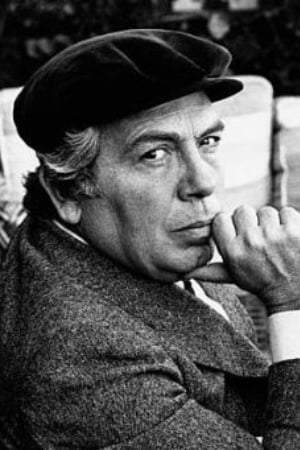
Elio Petri

Where to Watch A Quiet Place in the Country
See current US streaming, rental, and purchase options for A Quiet Place in the Country (1968) via JustWatch.

fuboTV
HD
MGM Plus
HD
MGM Plus Roku Premium Channel
HD
MGM+ Amazon Channel
HD
Philo
HD
The Roku Channel
HD
Tubi TV
SD Streaming availability powered by 
A Quiet Place in the Country Plot Summary
Read the complete plot summary and ending explained for A Quiet Place in the Country (1968). From turning points to emotional moments, uncover what really happened and why it matters.
Renowned visual artist Leonardo Ferri has long struggled to pick up a brush again. His girlfriend Flavia presses him to return to work so she can sell his paintings through the gallery she owns. Seeking an escape from Milan’s bustle, he declares a move to the Italian countryside. Flavia arranges for him to stay in a grand, imposing mansion, but Leonardo feels a powerful pull toward a nearby, sprawling, dilapidated abandoned villa. He breaks into the gated property one afternoon and meets Attilo, its longtime caretaker, who explains that the owners want to sell. Leonardo rents the place and begins the restoration, hiring a young woman, Egle, as a housekeeper.
Upon moving in, Leonardo is disturbed by ominous noises echoing through the estate. The following morning, a shopkeeper informs him that a young countess, Wanda, died on the property during an airstrike in World War II, in which she was shot. Later that day, Leonardo notices a strange man leaving flowers along the exterior wall where Wanda perished. Flavia returns to help Leonardo with the restoration, but soon she is beset by a string of frightening accidents—she falls through a weakened floor, injuring her leg; a bookshelf collapses nearly on top of her. Disturbed, Flavia leaves, confessing that the property unsettles her.
Leonardo begins to probe Wanda’s past among the locals, who tell him she was a nymphomaniac. The local butcher reveals he had a long-running affair with Wanda and that she also dallied with Attilo and other men. He sends Leonardo to visit Wanda’s ailing mother, who now lives in destitution in an apartment in Venice. Disguised as a journalist writing about the aristocracy, Leonardo convinces her of his cover story and manages to extract mementos of Wanda, including a red satin dress. While there, he steals several photographs of Wanda and brings them back to the villa.
Attilo later confesses that he is the one who leaves flowers at Wanda’s death site and that he was with her when she died. He shows Leonardo a hidden room in the house—a small chamber with a one-way mirror, where Wanda and Attilo allegedly frequented intimate moments while Wanda’s mother watched. Attilo reveals that, upon seeing Wanda with a German soldier in that room, he beat the man to death. Wanda helped him bury the body on the property, and the same day, Wanda was killed in the airstrike.
Flavia returns to the villa and finds the restoration progress still stalled. Leonardo tries to make a move on her, but his volatile demeanor frightens her; they eventually reconcile, and he asks her to stay for a dinner party he plans. While Flavia is in the shower, she is jolted by an electric current and becomes convinced that a supernatural presence in the house does not want her there. During the dinner, Leonardo leads a séance to contact Wanda’s spirit. The séance is interrupted when the table shakes violently and an unseen force strangles Flavia.
After the guests depart, Leonardo confronts Flavia upstairs. She realizes he tried to strangle her, and she attempts to flee, but he pursues her through the villa, beating her to death with a shovel and then dismembering her body. He binds and gags their housemaid, Egle, along with her boyfriend, and uses their bodies as part of his paintings. At dawn, Leonardo experiences a cascade of surreal visions: a group of soldiers traverses the property with Attilo, who admits Wanda survived the air attack and that he shot her, making it look like the plane caused her death. Outside, he sees many artists painting in the fields while soldiers stand guard. Officers arrive at the villa, and Leonardo, convinced he has killed Flavia, tells them she is in Milan. As he is escorted out by psychiatrists, he glimpses Flavia waiting among the police and lunges at her.
Some time later, Leonardo is incarcerated in a psychiatric institution. He obsessively paints small, sexually themed works, while an orderly supplies him with pornographic magazines for inspiration. The orderly urges him to paint more, echoing Flavia’s past encouragement. Unbeknownst to Leonardo, Flavia purchases the paintings from the orderly to showcase in her gallery, sealing a grim, artistic link between his troubled visions and her own curatorial ambitions.
A Quiet Place in the Country Timeline
Follow the complete movie timeline of A Quiet Place in the Country (1968) with every major event in chronological order. Great for understanding complex plots and story progression.
Move to the countryside to paint again
Flavia pressures Leonardo to resume painting, hoping to sell his work through her gallery. He agrees to move away from Milan into the Italian countryside to regain inspiration. The decision marks a fresh start away from the city and its distractions.
Leonardo rents the dilapidated villa
Drawn to the villa's ruinous charm, Leonardo decides to rent the property to work on his restoration. Attilio, the longtime caretaker, introduces him to the estate and its rumored past. He also hires a young housekeeper, Egle, to help with the upkeep.
Ominous noises ignite unease
Upon moving in, the estate is filled with disturbing sounds that unsettle Leonardo. The isolation of the villa amplifies his senses, making every creak seem like a sign of something supernatural. He becomes more absorbed in the building than in his own art.
Wanda's death is revealed
Leonardo is told by a shopkeeper that Wanda, a young countess, died on the property during a WWII airstrike. The revelation casts a shadow over the estate's history and hints at a dark past. The shopkeeper's information foreshadows the house's haunted reputation.
A stranger leaves flowers at the death site
Later that day, Leonardo notices a strange man leaving flowers along Wanda's exterior death site. The ritual suggests that Wanda's memory still lingers and that others are aware of the villa's tragic history. It deepens Leonardo's sense of being watched.
Flavia arrives; accidents strike
Flavia comes to help restore the villa, but soon she experiences a series of frightening accidents. A weakened floor collapses under her, injuring her leg, and a bookshelf falls, narrowly missing her. The incidents shake both of them and push her to fear the property.
Whispers of Wanda's promiscuity
Locals recount Wanda's reputation as a nymphomaniac, suggesting a tangled web of lovers. The butcher confirms affairs with Wanda, including with Attilio, hinting at a motive and a history tied to the villa. Leonardo's curiosity deepens as he digs into Wanda's past.
Leonardo visits Wanda's mother in Venice
Posing as a journalist researching the aristocracy, Leonardo travels to Venice to meet Wanda's ailing mother. He manipulates the conversation to obtain Wanda's mementos, including a red satin dress, and steals photos that he brings back to the villa. The trip reveals his willingness to exploit others for his art.
Attilio's confession and the secret room
Attilio reveals that he leaves flowers at Wanda's death site and was with her when she died. He guides Leonardo to a hidden room with a one-way mirror where Wanda and Attilio once entertained each other while Wanda's mother watched. He recounts the murder of a German soldier and Wanda's role in burying the body, the same day Wanda was killed in the airstrike.
Dinner party, séance, and a deadly turn
Flavia returns and the couple hosts a dinner party. Leonardo arranges a séance to contact Wanda's spirit, but the ritual is cut short when a presence violently strangles Flavia. The night exposes Leonardo's dangerous obsession and his growing detachment from reality.
The murder of Flavia
After confronting Flavia upstairs, she realizes Leonardo tried to strangle her. He threatens with a knife; she attempts to flee, but he pursues and kills her with a shovel, dismembering her body. The act devastates the household and drives Leonardo further into his own murderous artistic fixation.
Egle and her boyfriend’s discovery
Leonardo binds Egle and her boyfriend and uses their bodies as components of his paintings. The brutal act demonstrates how he parses life and death into his art, blurring the line between creation and carnage. The house becomes a gallery of horror as dawn approaches.
Dawning revelations and arrest
At dawn, a procession of soldiers and attendants passes the property as Attilio admits Wanda survived and that he killed her to cover up the truth, making it look like the airstrike. The authorities arrive, and Leonardo, convinced he has staged a murder, is escorted outside by psychiatrists. In a final twist, he sees Flavia among the police and attacks her.
Institutionalization and new art
Some time later, Leonardo is incarcerated in a psychiatric institution, where he continues to paint obsessively, under the influence of pornographic magazines supplied by an orderly. Flavia secretly purchases the paintings from the orderly to exhibit in her gallery, completing the macabre cycle of art and exploitation.
A Quiet Place in the Country Characters
Explore all characters from A Quiet Place in the Country (1968). Get detailed profiles with their roles, arcs, and key relationships explained.
Leonardo Ferri (Franco Nero)
Renowned visual artist who relocates to the Italian countryside to reboot his career. He becomes obsessively focused on restoring the dilapidated villa, treating it as a canvas for his work. His fixation escalates into controlling, violent behavior, culminating in murder and the use of bodies in his paintings. By the end, he is incarcerated in a psychiatric institution, haunted by his art.
Flavia (Vanessa Redgrave)
Leonardo’s girlfriend and gallery owner who presses him to work so she can sell his paintings. She joins the restoration in the countryside but grows frightened by the estate’s atmosphere. Her presence and the escalating danger contribute to the film’s turmoil, and she ultimately becomes a victim of Leonardo’s violence. Her art interests persist, as she later purchases paintings for her gallery.
Wanda (Countess) (Gabriella Boccardo)
A young countess whose death on the property during a World War II airstrike becomes a focal point of rumor and memory. Her affairs with men like Attilo and others feed the estate’s charged history. Wanda’s memory is invoked through the one-way mirror room and the shadows it casts over the villa’s present.
Attilo (Attilio) (Georges Géret)
The villa’s longtime caretaker whose history with Wanda ties the estate to a violent past. He reveals the one-way mirror room used for secret encounters and confesses involvement in the murder of a German soldier, helping to bury the body on the property. He also indicates Wanda’s death was tied to the airstrike the same day.
Wanda's Mother (Madeleine Damien)
Wanda’s destitute mother living in Venice, who holds mementos of Wanda and reveals references to her daughter’s life. She provides essential fragments of Wanda’s history through objects like a red satin dress, grounding the villa’s lore in tangible memories. Her role underscores the intergenerational impact of Wanda’s story.
Egle (Rita Calderoni)
The villa’s housekeeper hired by Leonardo. She becomes entangled in the estate’s dark turn as Leonardo binds her and her boyfriend and uses their bodies in his paintings. Her awareness of the uncanny events marks her as a witness to the villa’s sinister transformation.
Tony, the Butcher (Valerio Ruggeri)
A local butcher who provides Wanda-related background by referencing her affairs. He directs Leonardo to Wanda’s ailing mother and becomes a conduit for the estate’s grim history. His role anchors the community’s perspective on Wanda’s life and the villa’s secrets.
A Quiet Place in the Country Settings
Learn where and when A Quiet Place in the Country (1968) takes place. Explore the film’s settings, era, and how they shape the narrative.
Time period
Post-World War II Italy
The story unfolds in the years after World War II, when the war’s shadow lingers over the countryside and aristocratic estates. Wartime tragedy and rumors surrounding Wanda color the villa’s history as restoration begins. The contemporary restoration effort and the artist’s obsessions are set against this backdrop of memory and decay.
Location
Italian countryside, Abandoned villa near Milan, Venice
Most of the action unfolds on a sprawling, decaying villa set in the Italian countryside. The mansion sits within a gated estate with a history tied to wartime tragedy, giving it a charged atmosphere. Wanda’s death site and Wanda’s mother’s Venice apartment anchor the location in memory and past lives that haunt the present.
A Quiet Place in the Country Themes
Discover the main themes in A Quiet Place in the Country (1968). Analyze the deeper meanings, emotional layers, and social commentary behind the film.
🎨
Art Obsession
Leonardo’s drive to reclaim his painting life becomes an all-consuming fixation. He treats the villa as a vast canvas, letting his obsession override ethics and relationships. The line between art and life blurs as control, jealousy, and danger seep into his work. The result is a disturbing fusion of creativity and violence that drives the plot.
🌫️
Haunted Space
The mansion serves as a vessel for ominous noises, shifting floors, and a one-way mirror room that hides hidden histories. Rumors about Wanda and her liaisons intensify the tension, amplified by séances and unseen presences. The space itself becomes a character shaping fear and guiding the characters’ actions.
🔪
Violence & Control
Power and domination erupt in brutal acts, including Flavia’s murder and the use of bodies in Leonardo’s paintings. The violence exposes a dangerous link between artistic ambition and personal authority. The story culminates in institutional failure and a stark reminder of the price of unchecked control.

Coming soon on iOS and Android
The Plot Explained Mobile App
From blockbusters to hidden gems — dive into movie stories anytime, anywhere. Save your favorites, discover plots faster, and never miss a twist again.
Sign up to be the first to know when we launch. Your email stays private — always.
Explore the mobile appA Quiet Place in the Country Spoiler-Free Summary
Discover the spoiler-free summary of A Quiet Place in the Country (1968). Get a concise overview without any spoilers.
In the rolling hills of the Italian countryside lies a sprawling, forgotten villa that seems to breathe with the weight of history. Here, Leonardo Ferri, a once‑celebrated visual artist, retreats after months of creative paralysis, hoping the isolation and silence will coax his muse back to life. The house, with its echoing corridors and lingering shadows, offers the promise of a quiet weekend away from the clamor of Milan, yet its very emptiness feels charged with an unsettling presence that hints at more than just abandoned décor.
Leonardo’s companion, Flavia, a determined gallery owner, arrives to support his renewal, bringing with her an undercurrent of tension that mirrors the villa’s disquiet. Their interactions are threaded with unsaid expectations, as Flavia’s pragmatic drive to see Leonardo back at his easel clashes subtly with his yearning for peace. Adding another layer, the estate’s long‑time caretaker, Attilo, appears as a quiet steward of the property’s secrets, his knowledge of the house’s past fostering an atmosphere thick with intrigue.
The film cultivates a mood that oscillates between serene pastoral beauty and a creeping, almost tangible strain on the mind. As days melt into one another, Leonardo’s attempts to restore the dilapidated quarters become a metaphor for his own attempt to rebuild a fractured psyche. The surrounding landscape, with its lingering war‑time whispers and the phantom story of a young countess named Wanda, supplies a haunting backdrop that slowly chips away at his composure.
Through measured, atmospheric storytelling, the narrative invites the audience to sit with Leonardo’s slow descent into ambiguity, where the line between inspiration and obsession blurs. The villa becomes both sanctuary and silent antagonist, coaxing the artist toward a revelation that may be as terrifying as it is inevitable.
Movies with Similar Twists and Themes
Uncover films that echo the narrative beats, emotional arcs, or dramatic twists of the one you're exploring. These recommendations are handpicked based on story depth, thematic resonance, and spoiler-worthy moments — perfect for fans who crave more of the same intrigue.


Featured on this page

What's After the Movie?
Not sure whether to stay after the credits? Find out!
Check out our other apps:

SAT Sphere
Build confidence for the Digital SAT.

Mori Atlas
Discover wild places worth protecting.

Luntero
Search smarter for a home in Amsterdam.

Plot Explained
Unravel movie endings and hidden clues.

Pokechamp
Dive into Pokémon data and battle logic.

Driving Theory
Get ready for your European theory test.

Movie Dust
Plan your next cinema trip with ease.

Musemap
Find art and culture as you travel.

Selkobase
Compare credentials before committing.

Local Manual
Turn an unfamiliar country into practical next steps.

Lernavi
Compare school systems before your next move.

GymRoam
Find a workout stop wherever your plans take you.
Explore Our Movie Platform
New Movie Releases (2026)
Famous Movie Actors
Top Film Production Studios
Movie Plot Summaries & Endings
Major Movie Awards & Winners
Best Concert Films & Music Documentaries
Movie Collections and Curated Lists
© 2026 What's After the Movie. All rights reserved.
Privacy Policy