What's After the Movie
Elio Petri
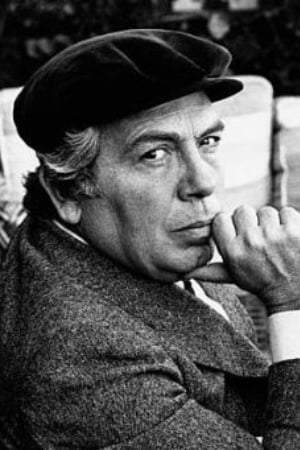
Elio Petri, born Eraclio Petri on 29 January 1929 in Rome, was a seminal Italian film and theatre director, screenwriter and film critic whose work defined the political and social satire of 1960s‑1970s cinema. After joining the youth wing of the Italian Communist Party in 1944 and earning a literature degree from Rome University, he wrote film articles for L'Unità, Gioventù Nuova and Città Aperta, before turning to cinema as a researcher on Giuseppe De Santis' Rome 11:00 (1952) and later serving as assistant director and co‑writer on a series of De Santis projects through 1960. Petri’s early documentary shorts Nasce un campione (1954) and I sette contadini (1957) displayed his emerging interest in the lives of ordinary people, a theme he would deepen in his feature debut The Assassin (1961), starring Marcello Mastroianni as a narcissistic careerist. The film’s critical and commercial success allowed him to explore further social critique in His Days Are Numbered (1962) and the satirical sci‑fi thriller The 10th Victim (1965), which contrasted a murderous game show with contemporary consumer culture. His collaboration with screenwriter Ugo Pirro produced masterpieces such as We Still Kill the Old Way (1967) and the chilling giallo A Quiet Place in the Country (1968), each earning awards at Cannes and Berlin. The pinnacle of his career arrived with Investigation of a Citizen Above Suspicion (1970), a black comedy‑thriller that won the Academy Award for Best Foreign Language Film and cemented his reputation as a master of cinematic neurosis; the film, together with The Working Class Goes to Heaven (1971) and Property Is No Longer a Theft (1973), form his celebrated “trilogy of neurosis” examining power, labor and money. Controversy followed Todo modo (1976), a scathing portrait of the Christian Democratic party that was withdrawn after the assassination of Aldo Moro. Petri’s final works, including the TV adaptation Le mani sporche (1978) and Good News (1979), continued his critique of media‑driven alienation. He died of cancer on 10 November 1982 in Rome, leaving a legacy that influences political cinema to this day.
Biography, Career & Filmography
Learn more about Elio Petri, including a detailed biography, career timeline, personal life insights, and complete filmography. Discover how Elio Petri rose to fame, their major roles, industry impact, and personal milestones in the world of film.
Given Name: Eraclio Petri
Born: Rome, Kingdom of Italy
Citizenship: Italian
Birthday: January 29, 1929
Occupations: film director, screenwriter, film critic, theatre director
Years Active: 1953-1982
Spouses: Paola Pegoraro
External Links and Streaming Options
Explore more about on trusted external platforms like Metacritic, Rotten Tomatoes, TMDb or IMDb. Find additional details, reviews, and related content to deepen your understanding.





![Investigation of a Citizen Above Suspicion [re-release]](https://whats-after-the-movie-ti152.sevalla.storage/movies/investigation-of-a-citizen-above-suspicion.jpg)
Investigation of a Citizen Above Suspicion [re-release]

Documenti su Giuseppe Pinelli

Nasce un campione

One Way or Another

Good News

Investigation of a Citizen Above Suspicion

The 10th Victim

The Working Class Goes to Heaven

We Still Kill the Old Way

The Assassin

His Days Are Numbered

Property Is No Longer a Theft

Dirty Hands

High Infidelity

A Quiet Place in the Country

The Teacher from Vigevano
Career Timeline
Track the complete movie timeline of Elio Petri, including all film releases, career breakthroughs, and notable roles. Follow their journey from early performances to recent blockbusters and upcoming projects.

What's After the Movie?
Not sure whether to stay after the credits? Find out!
Check out our other apps:

SAT Sphere
Build confidence for the Digital SAT.

Mori Atlas
Discover wild places worth protecting.

Luntero
Search smarter for a home in Amsterdam.

Plot Explained
Unravel movie endings and hidden clues.

Pokechamp
Dive into Pokémon data and battle logic.

Driving Theory
Get ready for your European theory test.

Movie Dust
Plan your next cinema trip with ease.

Musemap
Find art and culture as you travel.

Selkobase
Compare credentials before committing.

Local Manual
Turn an unfamiliar country into practical next steps.

Lernavi
Compare school systems before your next move.

GymRoam
Find a workout stop wherever your plans take you.
Explore Our Movie Platform
New Movie Releases (2026)
Famous Movie Actors
Top Film Production Studios
Movie Plot Summaries & Endings
Major Movie Awards & Winners
Best Concert Films & Music Documentaries
Movie Collections and Curated Lists
© 2026 What's After the Movie. All rights reserved.
Privacy Policy