What Is A Letter to Three Wives About?
The premise of A Letter to Three Wives in 287 words, with nothing given away. The full story follows below.
In a quiet river‑town where social clubs and weekend outings define the rhythm of life, a single, unsettling note throws three long‑time friends into a whirl of doubt. Their confidante, Addie Ross, announces that she has slipped away with one of their husbands, but she refuses to reveal whose. The message arrives just as the women are preparing for a festive riverboat gathering, a tradition that has always celebrated their shared histories and the stability of their marriages.
Deborah Bishop is a former WAVES veteran whose transition from the disciplined world of the Navy to a small‑town social scene has left her feeling both proud and out of place. Rita Phipps balances the demands of a husband who teaches high school English with her own yearning for a broader, more daring existence beyond the town’s expectations. Lora Mae Hollingsway grew up in modest circumstances and married a prosperous, older businessman, a union that has given her comfort but also the lingering sense that love might have been traded for security. Each woman carries a distinct past that informs the way she views loyalty, ambition, and the hidden currents beneath their seemingly settled lives.
The film swirls with a tone that is equal parts nostalgic and taut, the gentle glide of the river contrasting with the sharp anxiety sparked by Addie’s cryptic departure. As the three wives grapple with suspicion, jealousy, and the fear that their most trusted relationship may be unraveling, the story invites the audience to linger on the complexities of friendship and marriage. The looming question—whose husband has truly been taken—casts a lingering shadow over the evening’s celebrations, promising an intimate exploration of trust, identity, and the quiet strength required to face an unknown future.
What Happens in A Letter to Three Wives?
The complete story of A Letter to Three Wives, from the first scene to the last, in 731 words (about 3 minutes). Spoilers throughout. Names in the text link to 7 cast member pages.
Spoilers ahead
Three friends—Deborah Bishop, Rita Phipps, and Lora Mae Hollingsway—are about to take a riverboat outing with a group of curious children when they receive a startling message from their enigmatic friend Addie Ross (heard but unseen in the film), claiming she has left town and taken one of their husbands as a lover, though she keeps the exact identity to herself.
That sudden notice launches a trio of revealing flashbacks, each designed to test which marriage might be under threat. In the first, Deborah Bishop is shown as a farm-born woman who first glimpsed the wider world when she joined the Navy WAVES during World War II, where she met her future husband, Brad. Back in civilian life, Deborah struggles to fit into her husband’s polished social circle, feeling uncomfortable with an old-fashioned look and a nerve-wracking first country club dance. She overindulges at home to steady her nerves, a misstep that fuels insecurity at the upcoming event. The whispers of Addie’s rumored dominance over Brad’s attention only deepen Deborah’s doubt, as she learns the others once expected him to choose Addie.
The second flashback follows [Rita Phipps], whose husband George Phipps is a high school English teacher who inspires his students but often clashes with Rita’s own ambitions. She longs for a more daring life and chafes against the routines of the town’s social scene. Rita’s path crosses with the formidable Mrs. Manleigh, and she ends up hosting a dinner that highlights the friction between Rita’s loyalty to her husband and her own career pressures. As Rita navigates these tensions, a birthday gift—a rare Brahms recording—arrives from Addie, stirring jealousy in Rita and prompting George to reflect on where his wife’s true priorities lie. The dinner guests, including the Manleighs, leave with a stinging reminder of what Rita has sacrificed for perceived status, and George’s quiet disapproval lingers in the air.
The third flashback centers on [Lora Mae Hollingsway], a girl who grew up in poverty and attracted the attention of Porter Hollingsway, an older, divorced store magnate who runs a statewide chain. He pursues Lora Mae, but she makes it clear she’s not interested unless marriage is on the table. The moment she sees a framed Addie picture in Porter’s mansion, she wonders if her future at home will ever truly feel like hers. Porter makes it clear he’s not ready to marry, and Lora Mae ends the relationship after he delivers a grudging “proposal” only to retreat from the idea. Yet the dynamic shifts when Porter finally reappears, explaining he’s changed his mind about the future and that love, not wealth, might hold real value.
Back in the present, Rita finds George safe at home after a day at the school, where he was directing the drama department’s production of Shakespeare’s Twelfth Night. He and Rita reconcile, and she resolves to stop letting herself be controlled by Mrs. Manleigh’s world of appearances. Porter arrives home late, and Lora Mae’s fears of infidelity flare again, but his apology is honest, and the couple heads to the country club for the planned evening. Deborah returns to the scene, expecting a heartbreak she would rather not face, only to discover that Brad’s absence was a planned lie—he had gone to the school and then to the club with the others.
Confrontations unfold as Porter confronts Lora Mae about her suspicions and the true motive behind Addie’s letter. The tension peaks when Deborah, dressed for a showy night out, steps into the spotlight with George and Rita, while Porter questions whether his wife is really ready to walk away if the game is up. In a moment that exposes the fragility of fame, Porter finally admits his original plan to run away with Addie, only to be met by Lora Mae’s brave retort: “If you said something, I just didn’t hear it.” The line lands with a quiet, hopeful honesty, and Porter’s mood softens as he realizes the depth of Lora Mae’s love.
With the couples settled into the rhythm of forgiveness and new beginnings, Porter asks Lora Mae to dance, and the two share a passionate kiss that promises a brighter future built on mutual trust rather than financial leverage. Across the scene, the unseen Addie Ross lends a haunting, closing presence to the evening, whispering a final good night to the audience as the river winds its way toward dawn.
A Letter to Three Wives Timeline: Every Key Event in Order
15 key events in the order they happen, from “Addie's message disrupts the riverboat outing” to “Addie Ross's farewell”. 15 events name a place, across 14 locations.
- 1
Addie's message disrupts the riverboat outing
The three friends are about to depart on a riverboat outing when Addie Ross sends a message saying she has left town and taken one of their husbands as a lover. She does not name which husband is involved, leaving the women to wonder and panic. The note triggers a chain of flashbacks that dredge up old secrets and suspicions.
When:Present Where:Riverboat outing location
- 2
Deborah's wartime beginnings and Brad
Deborah grew up on a farm and first met the outside world when she joined the Navy WAVES during World War II, where she met her future husband Brad. After the war, she struggles to fit into Brad's sophisticated social circle and feels out of place in his world. Her insecurity grows at the thought of losing Brad to Addie and to easy assumptions about status.
When:World War II era Where:Navy base and post-war society
- 3
Deborah's country club dance anxiety
Back in civilian life, Deborah prepares for her first country club dance and feels uncertain about the image she must present. She over-imbibes at home to calm her nerves, hoping to fit Brad's social world. The scene highlights how Deborah's insecurities echo the wider fault lines about class and belonging.
When:Postwar era Where:Country club
- 4
Brad and Addie: the unspoken question
The women learn that many in Brad's circle expected him to marry Addie, the woman who drew so much attention from all three husbands. This realization deepens Deborah's insecurity and sets the stage for the film's unresolved jealousy. The flashbacks suggest Addie's influence over Brad and questions about loyalty.
When:Postwar era Where:Brad's social circle
- 5
Rita's ambition, jealousy, and the Manleighs
Rita Phipps is devoted to writing radio soap operas and longs for her husband George's ambition, which sometimes clashes with her habit of trying to please Mrs. Manleigh. She hosts a dinner for the Manleighs and forgets George's birthday, straining their marriage. The tense dinner scene underscores Rita's fear of losing control to Mrs. Manleigh's power.
When:Present Where:Rita's home and the Manleighs' home
- 6
Addie's Brahms gift and the Manleighs' visit
A rare Brahms recording arrives from Addie for George, piquing Rita's jealousy and the sense that Addie still wields influence. When the Manleighs arrive, they are rude and clash with George's quiet humor about their soaps. The evening ends with the recording damaged, widening the rift between Rita and her husband.
When:Present Where:Rita's home; Manleighs' home
- 7
Lora Mae's poverty, Porter, and the piano picture
Lora Mae grows up in poverty and catches the eye of Porter, a wealthy, divorced owner of a statewide department-store chain who wants to marry her. She makes clear she won't marry for money, but Porter keeps pursuing her. After she sees Addie's picture on Porter's piano, he grudgingly proposes, and she kisses him, though she remains wary.
When:Past Where:Porter's mansion; Lora Mae's workplace
- 8
New Year's Eve and the engagement moment
On New Year's Eve, Porter visits Lora Mae and the moment culminates in a reluctant proposal: 'OK, you win. I'll marry you. How about it?' She agrees to marry him, and their cautious kiss signals a tentative commitment amid lingering doubts.
When:Past - New Year's Eve Where:Porter's mansion
- 9
Twelfth Night rehearsal and reconciliation
Back in the present, Rita finds George at home after his trip to direct the high school's Twelfth Night. The project brings them back together, and Rita vows she will no longer be at Mrs. Manleigh's mercy. Their renewed partnership stands in contrast to the other couples' strains.
When:Present Where:Rita's home / high school drama venue
- 10
Porter returns and Lora Mae's suspicion
Porter arrives home late, and Lora Mae fears he has left with Addie. He denies leaving and reluctantly agrees to accompany her to the country club dance. Their exchange reveals the fragile balance between trust, money, and genuine affection.
When:Present Where:Porter's home
Show the other 5 events of A Letter to Three Wives Hide the last 5 events
- 11
Brad's absence and Deborah's heartbreak
Deborah returns to the group only to hear that Brad has called and will not return that night. She masks her heartbreak behind glamour as the others carry on with the evening. The uneasy tension fuels the eventual revelations to come.
When:Present Where:Deborah's home / dance venue
- 12
Deborah's announcement of Brad's departure
During the gathering, Deborah announces that Brad left town with Addie, shocking the group and reframing the evening's dynamics. The revelation casts a pall over the reunion and deepens the sense of unresolved jealousy and risk among the friends.
When:Present Where:Dance venue / dining area
- 13
Porter's confession about Addie
Porter interrupts the growing tension and reveals that he had planned to flee with Addie, but changed his mind. Lora Mae's famous line, 'If you said something, I just didn't hear it,' marks her realization and acceptance of his confession.
When:Present Where:Dance floor
- 14
Porter and Lora Mae's reconciliation
Porter is overjoyed by Lora Mae's forgiveness, and they share a passionate dance that signals renewed trust. The moment brings a glimmer of hope for their future together as the night continues around them.
When:Present Where:Dance floor
- 15
Addie Ross's farewell
The melancholy voice of the still unseen Addie Ross bids the audience good night. Her off-screen presence haunts the conclusion, leaving the characters' fates unresolved. The closing line underscores the film's meditation on love, loyalty, and jealousy.
When:Ending Where:Stage/audience
Who Are the Main Characters in A Letter to Three Wives?
7 characters, among them Deborah Bishop (Jeanne Crain), Rita Phipps (Ann Sothern) and Lora Mae Hollingsway (Linda Darnell): who each one is and the part they play in the story. Every profile links to the actor’s page.
- DB
Deborah Bishop (Jeanne Crain)
Played by Jeanne Crain
Farm-raised, newly returned from WWII-era service, Deborah grapples with fitting into Brad’s sophisticated social circle. Her insecurity is vividly shown through nervous over-indulgence at home before a country club dance. She embodies vulnerability and resilience, coming to value honesty over appearances as the night unfolds.
- 💬 Insecure
- 🕊️ Resilient
- 🎯 Loyal
- RP
Rita Phipps (Ann Sothern)
Played by Ann Sothern
A radio-story writer who longs for both professional advancement and social acceptance. Rita is eager to please Mrs. Manleigh and maintain control of her marriage through attention to appearances. Her arc moves toward genuine partnership with George as she reforms from self-centered striving to steadfast loyalty.
- 🎭 Ambitious
- 💬 Relationship-minded
- 🧭 Loyal
- LM
Lora Mae Hollingsway (Linda Darnell)
Played by Linda Darnell
From poverty to wealth through her relationship with Porter, Lora Mae is determined to secure marriage as the path to stability. She insists on a meaningful commitment, yet remains wary of becoming merely a status symbol. Her love is tested by wealth's lure, and she ultimately champions true devotion.
- 💖 Hopeful
- 🏷️ Pragmatic
- 🛡️ Loyal
-
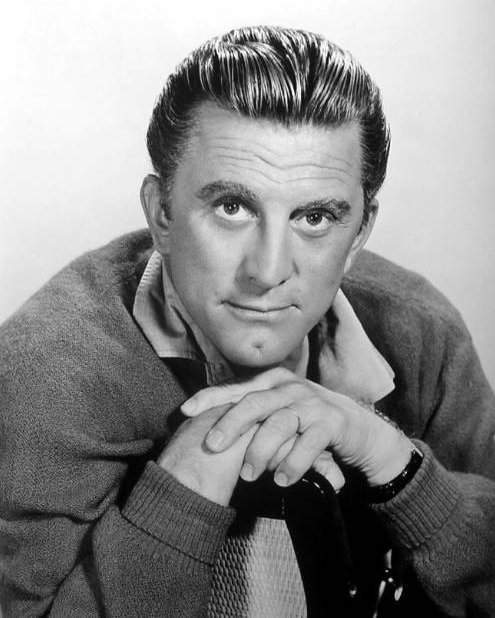
George Phipps (Kirk Douglas)
Played by Kirk Douglas
A high school English teacher who inspires his students and embodies quiet integrity. He plays mediator and ally to Rita, while gently critiquing the social mores around him. George seeks authentic partnership and earns respect through patience and honest support.
- 🗣️ Diplomatic
- 🎯 Principled
- 🧭 Reliable
- PH
Porter Hollingsway (Paul Douglas)
Played by Paul Douglas
A widower with a statewide department store empire, Porter represents the lure and limits of wealth. He wavers between abandoning his marriage for Addie and committing to Lora Mae, ultimately choosing to prove his affection through devotion rather than fortune. His arc reveals vulnerability beneath a hard-edged exterior.
- 💰 Wealthy
- 🛡️ Protective
- ❤️ Committed
- AR
Addie Ross
Played by Celeste Holm
An unseen but pivotal figure whose message triggers the plot: she has left town with one of the husbands. Addie embodies the mystery behind social bonds and the consequences of flirtations unspoken aloud. Her influence compels the women to confront their relationships and the life they envision.
- 🎭 Mysterious
- 🧭 Catalytic
- 👀 Enigmatic
- B'
Bradford 'Brad' Bishop (Jeffrey Lynn)
Played by Jeffrey Lynn
Deborah's husband whose absence on the night of the riverboat outing signals the fragility of their marriage. He embodies the tensions between duty and affection within a postwar partnership. His presence later hints at the possibility of reconciliation and renewed intimacy.
- 💬 Absent yet pivotal
- 🧭 Ambivalent
- 💞 Hopeful
Where and When Is A Letter to Three Wives Set?
A Letter to Three Wives is set in Riverboat outing, Country club, Porter's mansion, Deborah's farm and High school (1940s). Here is why the time and place matter to the story.
When
1940s
The narrative is anchored in the post–World War II era, with flashbacks to Deborah's WAVES service and the folksy, prewar sensibilities giving way to peacetime prestige. Radios, elegant dances, and social clubs define the period's culture and gender expectations. The era's emphasis on status, appearances, and secure marriages drives much of the plot. The unseen Addie Ross's note references the tension between old loyalties and new freedoms typical of the time.
Where
Riverboat outing, Country club, Porter's mansion, Deborah's farm, High school
The story moves between a cheerful riverboat outing and the polished atmosphere of a country club, highlighting the clash between working-class roots and upper-class expectations. Settings like Porter's mansion and Deborah's farm underscore the stark contrast in social worlds. The sequence at the high school rehearsal adds a backdrop of ordinary, everyday life amid glamorous social pressures. Together, these places map the characters' personal histories against a changing postwar society.
- 🎭 Social settings
- 🏛️ Elite circles
- 🏡 Rural roots
What Are the Themes of A Letter to Three Wives?
4 ideas the story keeps returning to, among them Love and Loyalty, Communication and Wealth vs Love.
-
01
Love and Loyalty
Love is tested by money, status, and social expectations as each couple navigates commitment under scrutiny. The women question whether their marriages are based on affection or social advantage. The film ultimately frames loyalty as choosing honesty and mutual support over maintaining appearances. Across the intertwining stories, love endures when partners acknowledge vulnerability and commit to one another.
-
02
Communication
Misunderstandings and unspoken insecurities propel the narrative, with Addie’s note triggering a cascade of assumptions. The characters reveal their fears and desires through tense conversations, often clogged by pride. When couples finally speak openly, tensions dissolve and trust can be rebuilt. The film suggests that truth-telling, even when painful, is essential to genuine connection.
-
03
Wealth vs Love
Porter’s wealth and social status loom large as temptations and barriers to genuine intimacy. Lora Mae’s romantic expectations clash with the reality of a marriage driven by financial security. The tension between money and affection drives crucial decisions, highlighting how riches can both attract and complicate true partnership. In the end, money loses its grip where devotion takes precedence.
-
04
Social Pressure
The trio of friends faces relentless societal scrutiny from social events to propriety codes at the country club. Appearances are protected by rituals, yet the characters resist being defined solely by their roles. The drama exposes how people curate their public selves while concealing private doubts. The resolution rests on authentic choices rather than performances for an audience.
What Kind of Film Is A Letter to Three Wives?
Tense in tone, with variable pacing and a moderate story, going by the plot summary.
- Tone
- Tense
- Pacing
- Variable
- Story
- Moderate
- Intensity
- Medium
- Ending
- Happy
A tense and dramatic exploration of three marriages under strain, filled with psychological suspense, emotional uncertainty, and a slow-burning reveal that ultimately resolves in forgiveness and hope.
- suspenseful
- dramatic
- anxious
- introspective
- romantic
- tense
- marital infidelity
- psychological suspense
- marriage
- social class
Content notes: emotional infidelity, psychological manipulation.
Quiz
How well do you remember A Letter to Three Wives? Test yourself on the story.