What Is Coven About?
The premise of Coven in 260 words, with nothing given away. The full story follows below.
In the mist‑shrouded hills of the French Basin Country, 1609 unfolds as a quiet season of scarcity. With the men of the village out at sea, the handful of women who remain must sustain a fragile community against the relentless tide of hardship and superstition. The landscape itself feels ancient and secretive, its dense forests and stone cottages echoing with the whispered cadence of Basque songs, hinting at rites and beliefs that have endured long before the crown’s reach arrived.
Into this uneasy equilibrium arrives Judge Rostegui, a stern emissary dispatched by the king to cleanse the region of suspected witchcraft. His presence brings an austere, almost ritualistic order to the village, and his mandate casts a long shadow over every household. The women—caught between fear and resolve—find themselves at the heart of a growing suspicion, their everyday actions suddenly tinged with the possibility of dark accusation. The judge’s rigid sense of duty collides with the community’s hidden tensions, creating an atmosphere thick with dread and curiosity.
At the center of this storm stands Ana, a young woman whose vibrant spirit and close bonds with her friends make her both a beacon of hope and a focal point for the escalating panic. As whispers of the legendary “akelarre” surface, Ana’s leadership and the sisters’ tight‑knit camaraderie become pivotal, offering a glimpse of defiant solidarity amid an encroaching threat. The film swirls between stark historical realism and a lingering, almost mystical mood, inviting viewers to feel the weight of an era where the line between faith and fear is dangerously thin.
What Happens in Coven?
The complete story of Coven, from the first scene to the last, in 369 words (about 2 minutes). Spoilers throughout. Names in the text link to 3 cast member pages.
Spoilers ahead
In 1609, deep in the Basque Country, a group of five teenagers celebrate a party in the woods and are captured as the main suspects of witchcraft. Judge Rostegui, tasked by the King to purify the region, arrests the girls and presses them to confess to witchcraft, aiming to uncover what they know about akelarre, the ceremony whispered to involve the Devil and his servants.
Despite no real evidence against them, the girls are tortured to sign a confession. After another friend is arrested, one girl, Ana, confesses to being a witch and claims she cast a spell on the others. Her plan is to gain enough time for the group to organize an escape when the village men return from fishing. The confession becomes a strategic ploy to buy breathers and space for a possible flight.
Ana’s tale describes a sabbath, a detailed festivity that appears as a twisted version of the party they previously held. This account convinces Rostegui, who postpones the execution and offers to deliver every item needed for the sabbath, which sows distrust among some of his men. An ally warns that, once the full moon passes, the village men will come back and the girls might be set free. Yet Rostegui rushes ahead, driving the plan to the woods for the ceremony in accordance with Ana’s specifications, even as doubt gnaws at his ranks.
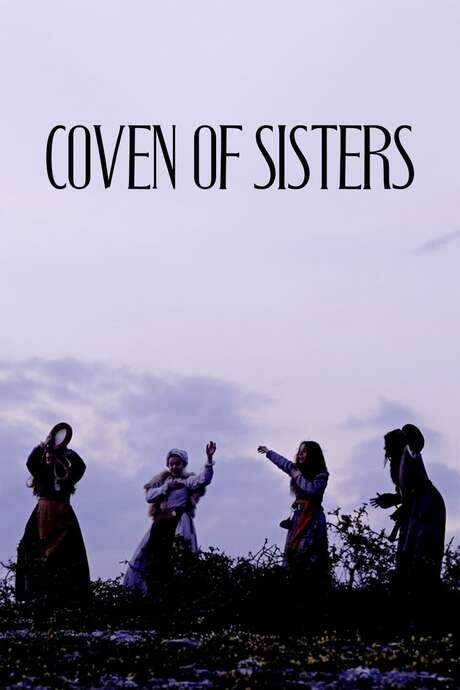
Understanding the danger they face, Ana leads her friends in a dance demonstration, playing along as witches and singing in Basque. The performance captivates Rostegui, while the village’s priest, Father Cristóbal, is frightened by the spectacle and the fear it stirs in the crowd. The girls’ artful display is a bold act of resistance—using culture, language, and song to tilt the odds in their favor.
The pursuit resumes, a tense chase through the trees, until the girls are cornered at a cliff. As they join hands, a Basque elder’s song about the tide brought by the full moon swells through the night and fuels their resolve. With the chorus guiding them, the five leap from the edge, yielding a surprising moment for Rostegui and his men, who watch in stunned silence as the girls vanish into the darkness below.
Coven Timeline: Every Key Event in Order
12 key events in the order they happen, from “Arrest of five teenagers for witchcraft” to “Open-ended aftermath”. 12 events name a place, across 9 locations.
- 1
Arrest of five teenagers for witchcraft
In 1609, five teenagers are seized in the Basque Country after a party in the woods. Judge Rostegui, tasked by the King to purify the region, immediately accuses the girls of witchcraft and of participating in the akelarre. With no evidence, the girls are arrested and branded as witches.
When:1609 Where:Basque Country (woods near village)
- 2
Torture to extract confessions
The accused are tortured to sign a written confession. Rostegui pursues proof of witchcraft by any means, pressing the girls to admit crimes they did not commit. The aim is to justify execution through fear and superstition.
When:1609 Where:Village jail
- 3
Ana confesses to being a witch
Ana admits she is a witch, claiming she cast a spell on her friends. Her confession implicates the others and deepens the village’s fear of the akelarre. The admission becomes the seed of a larger scheme to escape.
When:1609 Where:Jail
- 4
Ana plans to buy time for escape
Ana reveals a plan to buy time for the girls to organize an escape when the men return from fishing. She uses a long confession to maintain the appearance of guilt while delaying the verdict. The plan hinges on outlasting the authorities’ immediate resolve.
When:1609 Where:Jail
- 5
Full moon shifts the strategy
Ana states she can only use magic on full moon nights, sensing Lucifer’s calling. Rostegui is persuaded and postpones the execution, offering to deliver every item for the sabbath she describes. Some of his men grow uneasy about the plan.
When:Full Moon night Where:Jail
- 6
Rostegui moves the scene to the woods
Rostegui rushes the execution and takes the girls to the woods for the sabbath ceremony, following Ana’s specifications. He arranges the necessary items to make the ritual feel legitimate. The shift marks a dangerous blend of religious ritual and political power.
When:Full Moon night Where:Woods
- 7
Ana conducts a dance to appear as witches
Understanding their peril, Ana leads her friends in a dance demonstration, playing along as witches and singing in Basque. The performance is designed to be convincing to Rostegui and the others. They use movement and song to blur the line between fear and ritual.
When:Full Moon night Where:Woods clearing
- 8
Rostegui is entranced while others fear
Rostegui becomes enthralled by the sabbath display, but his men and the village priest are frightened by the idea of a real ritual. The illusion unsettles the authority figures and creates tension within the group. The atmosphere teeters between belief and coercive power.
When:Full Moon night Where:Woods clearing
- 9
The chase through the woods begins
Sensing danger, Ana and the others flee as Rostegui and his men clash and pursue them through the trees. A tense chase tests their resolve and reveals how far they will go to avoid execution. The pursuit tightens around them as night deepens.
When:Night Where:Forest
- 10
Cornered at the cliff
The girls are corralled to a cliff, hands joined, as a village elder sings in Basque about the tide brought by the full moon. The moment blends tradition with danger, pressing them toward a drastic decision. Rostegui and his men close in, unsure what comes next.
When:Night Where:Cliff edge
- 11
The leap toward freedom
In a defiant act, the girls jump off the cliff into the sea while the tide rises, surprising Rostegui and his men. The elder’s song guides their leap, turning fear into a calculated escape. The leap marks the end of the pursuit and the girls' attempt to escape execution.
When:Night Where:Cliff/Sea
- 12
Open-ended aftermath
The summary ends with the escape attempt and the villagers’ reaction, leaving the final fate of the girls open. Rostegui is left stunned by the audacity of the act, and the balance of power in the village remains unsettled. The scene emphasizes resilience in the face of oppression and the power of collective action.
When:Post-escape Where:Basque countryside
Who Are the Main Characters in Coven?
2 characters, among them Rostegui (Àlex Brendemühl) and Ana (Amaia Aberasturi): who each one is and the part they play in the story. Every profile links to the actor’s page.
-

Rostegui (Àlex Brendemühl)
Played by Àlex Brendemühl
A determined judge tasked with purifying the region of witchcraft. He resorts to torture to extract confessions and uses his authority to push the execution forward, showing both rigidity and influence over others. His belief in his mission makes him a dangerous figure, capable of bending rules to achieve results.
- ⚖️ Authority
- 🗡️ Ruthless
- 🧭 Ambition
- A(
Ana (Amaia Aberasturi)
Played by Amaia Aberasturi
One of the five teenage girls accused of witchcraft. She initially confesses to buy time for her friends and plots an escape during the fishermen’s return. She leads the group in a cunning sabbath demonstration, using ritual and Basque language to outwit the men and secure a chance to flee.
- 🧭 Courage
- 🎭 Deception
- 🤝 Solidarity
Where and When Is Coven Set?
Coven is set in Basque Country (1609). Here is why the time and place matter to the story.
When
1609
The events take place in the early 17th century, a time of heightened witch hunts and religious orthodoxy in rural Europe. Local judges and guards enforce beliefs through coercion, torture, and swift punishment. The narrative centers on how time-worn doctrines collide with desperate acts of defiance by the accused community.
Where
Basque Country
Set in the Basque Country in 1609, the film unfolds across forests and tight-knit rural villages where fear of witchcraft dominates daily life. The period’s harsh social controls and local authorities shape how people are treated when suspicion falls on young women. The Basque language and culture add a distinct regional texture to the unfolding oppression and resistance.
- 🏞 Basque Country
- 🏘 Rural villages
- 🗺 17th-century setting
What Are the Themes of Coven?
3 ideas the story keeps returning to, among them Persecution, Power and justice and Solidarity.
-
01
Persecution
Fear of witchcraft drives a brutal purge, with torture used to force confessions and silence dissent. The town’s belief system and authorities conspire to treat the accused as guilty regardless of evidence.
-
02
Power and justice
Judge Rostegui wields state power as a tool of purification, pressing for swift outcomes and exploiting fear. The pursuit of 'justice' becomes a weapon to suppress uncertainty and maintain control, even as his own decisions come under scrutiny.
-
03
Solidarity
Ana’s calculated confession buys time for her friends, enabling a coordinated act of resistance. The girls unite through a staged ritual and shared language, choosing collective courage over individual surrender.
What Kind of Film Is Coven?
Tense in tone, with steady pacing and a moderate story, going by the plot summary.
- Tone
- Tense
- Pacing
- Steady
- Story
- Moderate
- Intensity
- High
- Ending
- Ambiguous
A tense and oppressive historical drama that generates high anxiety through its depiction of vulnerable women being systematically tortured and manipulated by fanatical authorities, culminating in a desperate and ambiguous act of defiance.
- oppressive
- claustrophobic
- anxious
- desperate
- defiant
- fearful
- false accusation
- religious persecution
- witch hunt
- female solidarity
Content notes: torture, psychological manipulation, false imprisonment, threat of execution.
Quiz
How well do you remember Coven? Test yourself on the story.