What Is Out About?
The premise of Out in 294 words, with nothing given away. The full story follows below.
In a modest townhouse that feels simultaneously ordinary and charged with unspoken possibility, an introverted teenager wrestles with the weight of a secret that has colored his world for years. The quiet rhythm of his daily life is punctuated by the gentle insistence of his partner, whose encouragement becomes both a lifeline and a catalyst. When Greg finally decides to share his truth with the people who have shaped him, the stakes feel both personal and universal, echoing the delicate balance between fear and hope that defines adolescence.
The parents, each carrying their own ideas of love, responsibility, and future, create a backdrop of expectations that both comforts and confines. Their home, with its well‑worn kitchen and a backyard that has witnessed countless family rituals, becomes a stage where gestures and glances speak louder than words. The mother’s quiet resilience and the father’s stoic presence suggest a generation that may be ready to listen, even if the conversation shifts the familiar dynamics a little. As the teen navigates this intimate terrain, the emotional texture is layered with tenderness, humor, and an undercurrent of anticipation, hinting at the possibility that acceptance can be as transformative as any grand revelation.
The film moves with a gentle, almost lyrical pace, blending the grounded realities of family life with a subtle, whimsical sensibility that feels like a soft spotlight on ordinary moments. Light filters through familiar rooms, casting shadows that hint at hidden layers without ever breaking the story’s tender focus. Manuel, the supportive partner, offers a steady hand and an irrepressible optimism that colors the narrative with warmth. Together, the characters create a portrait of courage wrapped in everyday gestures, inviting the audience to wonder how love, in its many forms, reshapes the familiar landscapes of home.
What Happens in Out?
The complete story of Out, from the first scene to the last, in 826 words (about 4 minutes). Spoilers throughout.
Spoilers ahead
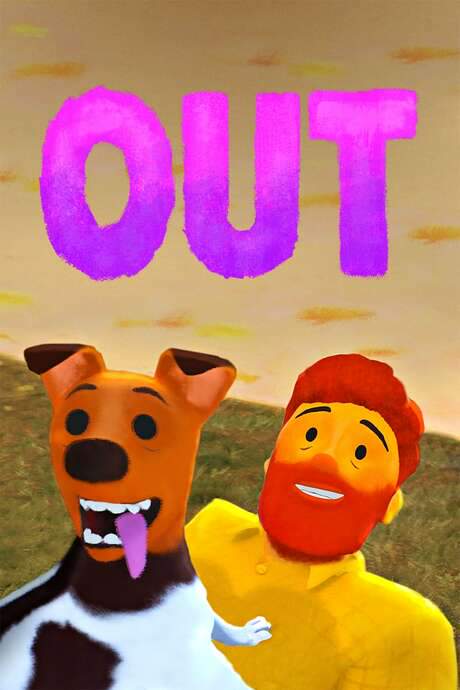
A magical cat and dog appear outside Greg’s townhouse just as he and his boyfriend Manuel are packing up to move. The cat’s enchantment lands on the collar of Greg’s dog, Jim, imbuing it with a strange, shimmering power. The moment the collar glows, a sense of anticipation hangs in the air, as if the house itself recognizes that something transformative is happening. The scene shifts from the quiet, moving-day hustle to a gentle, almost fable-like moment where wonder slips into everyday life.
Inside, Greg and Manuel pause to look at a photo of the two of them together, a small, stubborn reminder of the life they’re trying to secure in a new place. Manuel, with quiet seriousness, urges Greg to consider coming out to his parents, to share a part of himself that he has kept close for fear of judgment. The visit of Greg’s parents, who arrive unexpectedly to help with the move, adds a layer of tension and tenderness to the moment. Greg’s instinct is to protect the photo—the tangible memory that anchors him to the life he’s leaving behind—and he hides it away, hoping to delay a conversation that feels fraught with consequences. Manuel, sensing the weight of Greg’s hesitation, quietly slips out the back door, leaving Greg alone with the growing quiet of the house and the soft jingling of Jim’s collar.
With the collar in his hand and the photo momentarily out of sight, Greg voices a wish that seems both reckless and sincere: he wishes to become a dog. In the blink of an eye, the world shifts. Greg and Jim have swapped minds, and the two animals-turned-human become keenly aware of the surprising gravity and humor of their new circumstances. Greg, now inhabiting Jim’s body, bolts outside to test his new form, sprinting across the yard with a blend of canine enthusiasm and human curiosity. The moment is funny and unsettled at once, as the yard becomes a stage for the misadventures of a dog embodying a man’s memories and a man learning to see through a dog’s senses.
Out in the yard, Greg-as-a-dog encounters his stoic father as he lights the grill, a simple, almost Spartan ritual that now feels loaded with unspoken meaning. Jim, inhabiting Greg’s mind, tries to reach the father with a mixture of urgency and gentleness, while also trying to keep the anxious human side of him from revealing the hidden photo to the mother, who remains in the kitchen with a soft, watchful eye. The father’s calm routine contrasts with the chaos of a dog-who-is-a-man and a man-who-is-a-dog learning to navigate a world where every action carries new weight.
Back inside, Greg’s mother sits with a quiet honesty that is both painful and hopeful. She speaks aloud of her sadness about her son moving away, of missing the everyday moments that define a family. The moment becomes a rare, intimate exchange in which the mother articulates a longing for happiness for Greg, even if it means sacrificing a perfectly orderly plan for his future. Jim, listening in Greg’s place, realizes something profound: his mother doesn’t only accept the possibility that Greg is gay, she understands that love and happiness matter more than conformity. The realization is gentle, warming the room with a sense of acceptance that seems almost tangible. For a brief, tender moment, Jim comforts the mother in a way that only a child could—focusing on care, presence, and the shared dream of a life where her son can be his true self.
Then the moment of truth arrives as Greg, back in his own voice, chases down his dog-self—both trying to reconcile the night’s revelations with the practical realities of a family about to witness a revelation. The two minds switch back, and the air shifts from comic mischief to a meaningful turning point. Greg discovers the power of his own truth in the simplest of moments: a father who hugs Manuel spontaneously, a family beginning to understand that love is bigger than fear, bigger than timelines, and big enough to hold both tradition and authenticity.
That evening, as the sun sinks and the house settles, Greg introduces Manuel to his parents with a quiet confidence that comes from honest vulnerability. The father’s spontaneous hug signals a new kind of welcome, a bridge between two worlds that had seemed incompatible just hours before. The magical cat and dog, having completed their whimsical mission, watch from a distance as their rainbow exit marks a hopeful beginning rather than a finale. The story closes on a note of quiet magic—the sense that love can find a way to fit into even the most unexpected shapes, and that a family’s doorway can open wider when faced with truth, tenderness, and a little bit of enchantment. The cat and dog disappear into a brilliant arc of color, leaving Greg, Manuel, and their evolving family poised to start anew with a deeper sense of belonging.
Out Timeline: Every Key Event in Order
14 key events in the order they happen, from “Magical arrival outside Greg's townhouse” to “Cat and dog depart on a rainbow”. 14 events name a place, across 7 locations.
- 1
Magical arrival outside Greg's townhouse
Outside Greg's townhouse, a magical cat and dog suddenly appear as Greg and Manuel are packing to move. The air tingles with magic as the cat surveys the scene. The arrival hints at a strange, transformative night ahead.
Where:Outside Greg's townhouse
- 2
Jim's collar enchanted with magic
The cat approaches Jim's collar and imbues it with magic, causing the collar to glow with potential. The enchantment sits quietly, waiting for the moment it will unlock the mind switch. The scene sets the stage for Greg and Jim's bodies to swap later.
Where:Outside Greg's townhouse
- 3
Manuel urges Greg to come out
Manuel offers supportive encouragement, urging Greg to come out to his parents. He stresses honesty and being true to himself. His words plant the seed for Greg's impending family conversation.
Where:Greg's townhouse interior
- 4
Greg's parents arrive to help with the move
Greg's parents unexpectedly show up to help with packing, turning the quiet moving day into a family occasion. They bring warmth and a sense of change to Greg's current life. The presence of family intensifies the moment Greg has been dreading and hoping for.
Where:Greg's townhouse
- 5
Greg hides the photo
While tensions rise, Greg hastily hides the photo of him and Manuel together. The act shows his desire to protect a private moment from the scrutiny of his parents. The photo's concealment foreshadows the identity tensions at stake.
Where:Greg's townhouse interior
- 6
Manuel slips away through the back door
Manuel quietly exits by the back door, avoiding a larger confrontation. He respects Greg's process and aims to minimize disruption to the family. The moment underscores the impending change in Greg's life.
Where:Back door of Greg's townhouse
- 7
Mind switch triggered by a wish to be a dog
Greg, holding Jim's collar, whispers aloud that he would be happier as a dog. In that instant, their minds magically switch bodies. Greg finds himself inside Jim's dog body just as the world seems to tilt with possibility.
Where:Yard outside Greg's townhouse
- 8
Greg-as-dog plays outside; father grills
Now in a dog's body, Greg bursts into the yard to play, while his stoic father is busy lighting the grill. The scene shifts the dynamic of the family, turning a routine evening into something magical and surreal. The father’s routine calmly contrasts with the chaos of the swap.
Where:Yard
- 9
Jim-in Greg's body navigates the scene and the photo threat
Jim, inhabiting Greg's body, tries to reach his own family in the yard, meanwhile frantically trying to keep Greg's mother from discovering the photo. The swapped bodies create awkward, funny, and tense moments as he fumbles with the new form. The family tension escalates as the photo looms closer to discovery.
Where:Yard
- 10
Mother speaks of sadness and Greg's departure
Greg's mother sits with Jim in Greg's body, voicing her sadness about her son moving away. Jim listens, realizing that the family loves him and wants him to be happy. The scene deepens the emotional stakes of Greg's coming out and the family’s acceptance.
Where:Yard
Show the other 4 events of Out Hide the last 4 events
- 11
Jim realizes the mother's acceptance and comforts her
Jim realizes that Greg's mother already knows he is gay and accepts it, offering a rare moment of warmth and connection. He briefly comforts her, bridging the gap between secret and openness. The emotional realization marks a turning point toward genuine family support.
Where:Yard
- 12
The minds switch back
Jim chases down Greg and successfully switches their minds back to their original bodies. Both Greg and Jim regain their proper forms, and the homey chaos returns to normal in a moment of relief. The reversal clears the way for Greg to introduce Manuel to his parents.
Where:Yard
- 13
That evening: Manuel meets the parents
That evening, Greg introduces Manuel to his parents, and Greg's father spontaneously hugs Manuel. The moment blends affection with openness, signaling a new era for the family's dynamics. The scene closes the immediate conflict with warmth and acceptance.
When:That evening Where:Greg's home, living room
- 14
Cat and dog depart on a rainbow
The magical cat and dog celebrate their success by leaping away on a rainbow, their mission accomplished. The lights fade as the creatures drift into the sky, leaving Greg and Manuel to navigate their new reality. The tale ends on a note of whimsy and hope.
Where:Outside Greg's townhouse
Who Are the Main Characters in Out?
5 characters, among them Greg, Manuel and Jim the Dog: who each one is and the part they play in the story.
- G
Greg
A person about to move away who wrestles with coming out to his parents. After the mind-switch with his dog, he gains insight into his family’s fears and hopes, helping him express his truth more openly.
- 🎭 LGBTQ+ journey
- 🏠 Family dynamics
- M
Manuel
Greg’s boyfriend, supportive and encouraging him to embrace his identity. He plays a catalyst role by advocating honesty and introducing Greg to his parents.
- 💑 Relationship
- 🏳️🌈 Identity
- JT
Jim the Dog
A magical dog whose collar grants a mind swap with Greg. The dog’s behavior mirrors Greg’s anxieties and family tension, while the swap provides a chance for empathy.
- 🐶 Animal
- 🌀 Transformation
- GF
Greg's Father
Stoic and initially distant, he becomes a surprising source of warmth when he hugs Manuel, illustrating the potential for acceptance.
- 👨👦 Family
- 💬 Dialogue
- GM
Greg's Mother
Emotionally perceptive and open to change, she articulates her fears about her son moving away and shows support once she recognizes his happiness.
- 👩👦 Family
- 💗 Acceptance
Where and When Is Out Set?
Out is set in Greg's townhouse (Present day). Here is why the time and place matter to the story.
When
Present day
The events take place in contemporary times, reflecting modern urban life and family pressures. It centers on everyday moments—packing, planning a move, and a tense moment of self-disclosure—interwoven with a magical twist that reframes relationships.
Where
Greg's townhouse
The primary setting is Greg's townhouse, where he and his boyfriend Manuel are packing to move. The action also unfolds in the yard outside and around the family home as the parents arrive to lend a hand.
- 🏠 Domestic setting
- 👨👩👦 Family dynamics
What Are the Themes of Out?
3 ideas the story keeps returning to, among them Coming Out, Family Acceptance and Transformation.
-
01
Coming Out
The story centers on Greg's decision to reveal his sexual orientation to his parents. It portrays the vulnerability of sharing one’s true self and the fear of rejection, while hinting at the possibility of unconditional love.
-
02
Family Acceptance
A key arc shows a parent's evolving understanding and acceptance of a child’s identity. The moment when the mother recognizes Greg's truth dominates the emotional core and restores trust in the family.
-
03
Transformation
A magical body-swap catalyzes empathy, forcing both sides to walk in each other’s shoes. The switch and its resolution reveal hidden connections and the power of love to bridge differences.
What Kind of Film Is Out?
Whimsical in tone, with fast pacing and a straightforward story, going by the plot summary.
- Tone
- Whimsical
- Pacing
- Fast
- Story
- Straightforward
- Intensity
- Low
- Ending
- Happy
A gentle and whimsical short film that uses magical body-swapping to explore the tender anxieties and ultimate joy of a teenager coming out to his surprisingly accepting parents.
- whimsical
- hopeful
- tender
- anxious
- magical
- comforting
- coming out
- lgbtq+
- family acceptance
- magical realism
Quiz
How well do you remember Out? Test yourself on the story.