
Happy End 1999

Directed by

Christina Olofson
Made by

CO. Film
Happy End Plot Summary
Read the complete plot summary and ending explained for Happy End (1999). From turning points to emotional moments, uncover what really happened and why it matters.
Choi Bora, who works at an English language institute, is entangled in an affair with her ex-lover, Kim Il-beom. Her husband, Seo Min-ki, a former banker, has lost his job and now shoulders the domestic duties—cooking, cleaning, and watching their baby. In his rare downtime, he watches soap operas and reads romance novels, trying to keep something normal amid the strain.
Min-ki seems aware of the affair but appears willing to endure it and continue living with Bora, largely because of his deep love for their infant daughter. He tells Bora that he would be happy if she could be a good mother to their baby, a sentiment that sits uneasily alongside Bora’s growing unease with the relationship and with Il-beom’s increasingly pushy advances.
Il-beom’s persistence becomes a source of real danger. He phones Bora at home and even shows up at her door, pressing to take the affair further. Bora, shaken by the possibilities of exposure and the threat to her family, makes a drastic and controversial choice that shakes the already fragile balance of their lives: she drugs her own child. The consequence is immediate and alarming when Min-ki discovers the toddler alone at home and rushes the child to the hospital, a moment that crystallizes the perilous state of their household.
The narrative then careens toward its conclusion, moving through a tense terrain of misdirection and doubt. Min-ki’s outward appearance suggests he leaves the city by train, accompanied by a female friend who shares the same building. Yet the truth is darker: he returns to the apartment, murders Bora, and attempts to frame Il-beom for the crime. A neighbor’s discovery of Bora’s body, coupled with Il-beom’s suspicious behavior and the planted evidence, convinces the police that Il-beom is responsible for the death—a conclusion that complicates the viewer’s sense of guilt, motive, and justice.
Despite the film’s title and its moments of ambiguity, the tone isn’t wholly bleak. The director, Jung Ji-woo, adopts an observational stance, letting events unfold through a restrained, almost documentary-like lens. The camera work often relies on handheld rigs, which contribute to a sense of immediacy and intimacy as we follow the three central figures—their desires, their fears, and the consequences of their choices.
Themes of desire, betrayal, and the fragility of domestic life run through the story, presenting a portrait of adult relations that is candid, unsettled, and ethically murky. The film does not shy away from explicit sexuality or from moments of brutal violence, which underscore the fragility of trust and the volatility that can exist beneath the surface of a seemingly ordinary existence. In the end, the work remains focused on how ordinary people respond to extraordinary pressures, and how the pursuit of personal happiness can collide with responsibility, illusion, and the unpredictable tides of fate.
Happy End Timeline
Follow the complete movie timeline of Happy End (1999) with every major event in chronological order. Great for understanding complex plots and story progression.
Affair begins between Bora and Il-beom
Choi Bora embarks on a clandestine relationship with her ex-lover Kim Il-beom while her husband Min-ki remains largely unaware. The affair unfolds amid Bora's routine at the English language institute and the life she shares at home with their infant daughter. The tension between passion and loyalty sets the stage for the film's unraveling.
Min-ki tolerates the affair
Min-ki, a former banker who has lost his job, accepts living with Bora and taking on the domestic duties. He expresses love for their daughter and a wish for Bora to be a good mother, even as the affair continues. His willingness to stay in the marriage creates a fragile balance in the household.
Min-ki's conflicted feelings
Min-ki's conversations reveal his struggle to keep the family together despite Bora's ongoing affair. He outwardly supports Bora while secretly contending with the strain on their marriage. The household becomes a powder keg of competing loyalties and hidden resentments.
Il-beom pushes boundaries
Il-beom grows impatient and presses to push the relationship beyond Bora's limits, threatening exposure if Bora resists. Bora becomes increasingly distressed by his insistence and fear of ruin. The tension foreshadows a crisis that could tear their lives apart.
Il-beom calls Bora at home and shows up at her door
Il-beom contacts Bora at her residence and appears at her doorstep, heightening the danger of keeping the affair secret. Bora struggles to manage the situation while trying to protect her family from fallout. The scene intensifies the sense that discovery is imminent.
Bora drugs her own child
In a drastic attempt to cover the affair, Bora drugs her own child. The decision sets off a perilous chain of events that destabilizes the family and raises the stakes for everyone involved. Her actions reveal how far she is willing to go to maintain control over the situation.
Min-ki discovers the toddler alone and acts
Min-ki returns to the apartment to find their infant daughter left unattended, prompting him to rush the child to the hospital. His quick action underscores his role as a devoted father amid a mounting domestic crisis. The moment becomes a focal point of the film's emotional tension.
The hospital scene and aftermath
Doctors respond to the emergency as the family confronts the consequences of Bora's actions. The hospital setting intensifies the sense of vulnerability and fragility within their domestic life. The incident acts as a turning point that accelerates the movie toward its climax.
Min-ki appears to leave by train with a female friend
The film presents a scene where Min-ki seems to depart by train, accompanied by a female friend who lives in the same building. Bystanders interpret the exit as a withdrawal from the marriage, adding to the air of mystery surrounding his intentions. The visual moment also foreshadows later revelations.
Min-ki returns and kills Bora; frames Il-beom
In a shocking twist, Min-ki returns to the apartment, murders Bora, and manipulates the evidence to frame Il-beom for the crime. The act appears to be his attempt to end the affair and reclaim control over the situation. The murder shifts the film from domestic crisis to a violent, morally ambiguous crime.
Neighbor discovers Bora's body
A neighbor finds Bora's body, triggering the police investigation. The discovery heightens the tension and raises questions about who is truly responsible for the tragedy. The scene marks the public unraveling of Bora's private life.
Police suspect Il-beom due to planted evidence
Following the investigation, the police appear convinced that Il-beom bears responsibility, citing suspicious behavior and the presence of planted evidence. The film thus frames Il-beom as a key suspect in Bora's death, despite the preceding violence and deception.
Ending and tonal note
Even with the film's Happy End framing, the conclusion remains morally complex and unresolved. The director uses observational, handheld cinematography to emphasize the ambivalence of desire, guilt, and consequence. The film leaves viewers contemplating the costs of the characters' choices.
Happy End Characters
Explore all characters from Happy End (1999). Get detailed profiles with their roles, arcs, and key relationships explained.
Bora (Jeon Do-yeon)
A married English teacher entangled in an affair, Bora navigates desire and guilt while maintaining a semblance of normal domestic life. Her boundary-testing behavior and intense emotions drive the central tension, culminating in drastic acts that threaten her family. She is portrayed as conflicted, restless, and capable of shocking decisions when pressed by love and fear.
Il-beom (Joo Jin-mo)
Bora's ex-lover who pushes the affair toward danger; his attempts to deepen the relationship create mounting pressure and suspicion. He is depicted as enigmatic and self-serving, yet susceptible to being pulled into a destructive dynamic by Bora's actions. His presence heightens the suspense and contributes to the unraveling of the couple's life.
Min-ki (Choi Min-sik)
Bora's husband, a former banker who loses his job and takes over domestic duties. He is loving toward their baby, yet his quiet exterior conceals a capacity for decisive action that escalates into violence, ultimately leading to Bora's murder and a frame-up of Il-beom. He embodies restrained dignity that can turn deadly under pressure.
Happy End Settings
Learn where and when Happy End (1999) takes place. Explore the film’s settings, era, and how they shape the narrative.
Time period
2000s
The film presents a contemporary urban reality typical of the early 2000s in South Korea. It reflects a society in flux, where traditional domestic roles clash with modern desires and urban anonymity. The pacing and handheld camera work reinforce a real-time, observational feel of a modern marriage under pressure.
Location
Seoul, South Korea
Set against the backdrop of a modern South Korean city, the story largely unfolds within an urban apartment and the surrounding cityscape. Seoul’s dense streets and anonymous urban life amplify the personal tension between the characters. The hospital scenes also punctuate the narrative, marking crises that erupt from intimate domestic struggles.
Happy End Themes
Discover the main themes in Happy End (1999). Analyze the deeper meanings, emotional layers, and social commentary behind the film.
💔
Infidelity
Infidelity destabilizes the marriage from its core, driving the plot toward danger and secrecy. Bora’s affair introduces a volatile mix of desire and guilt that threatens the family's stability. The film portrays how betrayal upends trust and pushes characters toward drastic choices.
🎭
Power & Control
The relationships are infused with manipulation and coercion as each character attempts to shape outcomes. The tension reveals who holds influence within the marriage and how far someone will go to preserve their version of the truth. Framing and calculated actions become tools to exert control.
🏠
Domestic Fragility
Inside the home, ordinary routines mask a volatile undercurrent of jealousy and danger. The film shows how intimate spaces can become pressure points where loyalties fracture and choices have devastating consequences. The baby and domestic life become pivotal elements in the unfolding crisis.

Coming soon on iOS and Android
The Plot Explained Mobile App
From blockbusters to hidden gems — dive into movie stories anytime, anywhere. Save your favorites, discover plots faster, and never miss a twist again.
Sign up to be the first to know when we launch. Your email stays private — always.
Explore the mobile appHappy End Spoiler-Free Summary
Discover the spoiler-free summary of Happy End (1999). Get a concise overview without any spoilers.
In the quiet limestone streets of Visby, a summer on the Swedish island of Gotland feels like a pause from the world’s relentless march. The island’s historic walls and sea‑kissed air create a space where personal histories can be examined under an unhurried light, inviting anyone who arrives to confront the stories they carry. Within this isolated setting, the film gently draws the viewer into a home that is both a refuge and a crossroads.
Lukas, a self‑absorbed young man nursing grand ambitions of rock‑star fame, arrives at his late father’s flat seeking a break from his restless aspirations. He intends the space to be a temporary hide‑away, a place to regroup before he can chase the next stage‑light. Yet the apartment is already inhabited by Marja, a seasoned 69‑year‑old writer who is nearing the completion of her memoirs. Her presence is quiet and deliberate, her days filled with the careful stitching of past events into narrative, underscored by an undercurrent of unresolved longing.
The unlikely pairing of a brash, future‑focused youth and a reflective elder woman sets the tone for a delicate dance of contrasts. Their conversations ripple between the mundane and the profound, each probing the other’s notions of freedom, honesty, and what it means to be truly seen. The island’s tranquil rhythm amplifies the intimacy of their exchange, allowing moments of humor, tension, and unexpected tenderness to surface without the rush of external demands.
As the days stretch and the salty wind carries whispers of old stories, the air between them becomes charged with a subtle promise that something hidden lies just beneath the surface. The film lingers on the interplay of generational perspectives, the quiet pull of unfinished narratives, and the strange, unanticipated ways that two very different souls might find a shared space to contemplate love, deception, and the longing for a genuine human connection.
Movies with Similar Twists and Themes
Uncover films that echo the narrative beats, emotional arcs, or dramatic twists of the one you're exploring. These recommendations are handpicked based on story depth, thematic resonance, and spoiler-worthy moments — perfect for fans who crave more of the same intrigue.
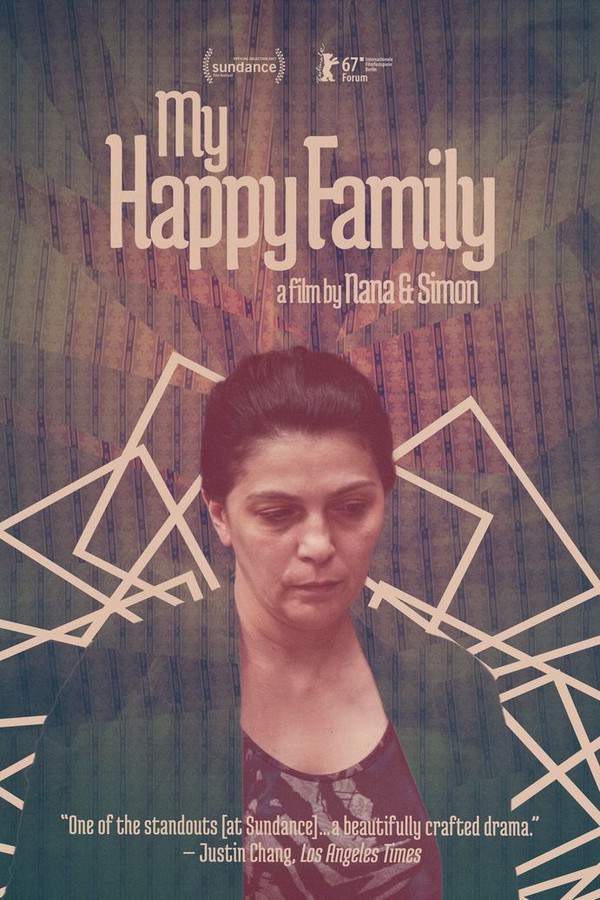
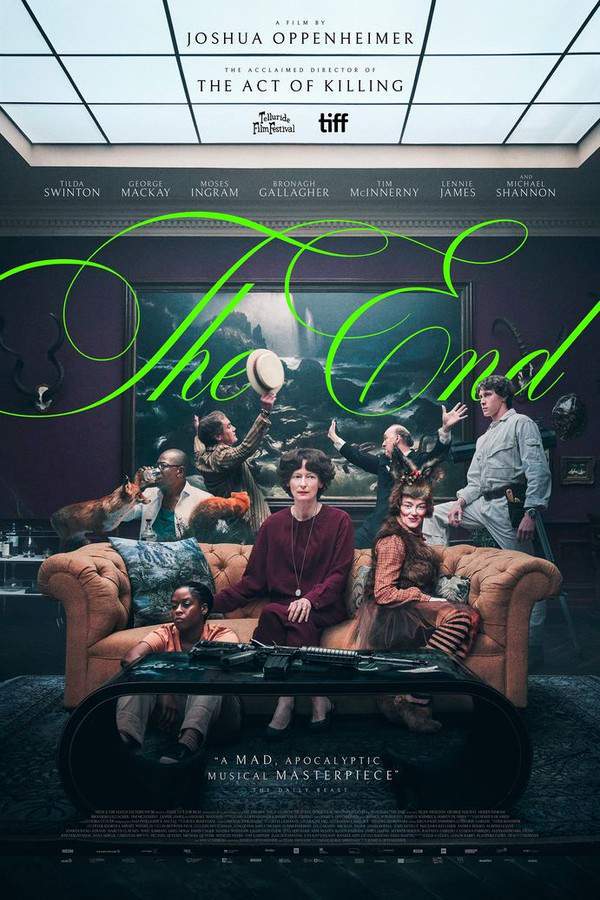
Featured on this page

What's After the Movie?
Not sure whether to stay after the credits? Find out!
Check out our other apps:

SAT Sphere
Build confidence for the Digital SAT.

Mori Atlas
Discover wild places worth protecting.

Luntero
Search smarter for a home in Amsterdam.

Plot Explained
Unravel movie endings and hidden clues.

Pokechamp
Dive into Pokémon data and battle logic.

Driving Theory
Get ready for your European theory test.

Movie Dust
Plan your next cinema trip with ease.

Musemap
Find art and culture as you travel.

Selkobase
Compare credentials before committing.

Local Manual
Turn an unfamiliar country into practical next steps.

Lernavi
Compare school systems before your next move.

GymRoam
Find a workout stop wherever your plans take you.
Explore Our Movie Platform
New Movie Releases (2026)
Famous Movie Actors
Top Film Production Studios
Movie Plot Summaries & Endings
Major Movie Awards & Winners
Best Concert Films & Music Documentaries
Movie Collections and Curated Lists
© 2026 What's After the Movie. All rights reserved.
Privacy Policy