What Is 1942: A Love Story About?
The premise of 1942: A Love Story in 310 words, with nothing given away. The full story follows below.
In the summer of 1942, the Indian subcontinent teeters between the lingering grip of the British Raj and a restless surge of rebellion. The streets hum with whispered meetings, hurried letters, and the uneasy optimism of a nation on the brink of change. Against this backdrop, the film moves with a textured, almost lyrical palette—dust‑filled avenues lit by lanterns, hushed gatherings in cramped rooms, and a pervasive sense that every glance could carry a hidden agenda.
At the heart of the story is Narendra Singh, the son of a respected politician whose loyalty to the colonial administration shapes his upbringing. He encounters Rajeshwari Pathak, the spirited daughter of a passionate freedom fighter, and an unexpected romance kindles between them. Their attraction is as delicate as it is defiant, offering a personal sanctuary amidst the clamor of political upheaval. Their growing bond hints at the ways love can become a quiet insurgency, challenging expectations of duty, class, and family allegiance.
The narrative introduces the generational and ideological forces that surround them. Diwan Hari Singh serves the British with unwavering devotion, embodying the complexities of collaboration and ambition. Across the power divide, the imposing General Douglas represents the colonial machinery, while Raghuvir Pathak—Rajeshwari’s father— embodies the fire of the resistance. A steadfast comrade, Shubhankar, stands ready to guide the next wave of activists, and Major Bisht navigates his own conflicted loyalties, watched closely by his daughter Chanda Bisht, whose perspective adds a personal dimension to the broader struggle.
The film weaves these intersecting lives into a mood that is both intimate and expansive, balancing tender moments with the electric tension of an era poised for transformation. It invites the audience to wonder how love, honor, and ambition will reshape identities when the old order begins to crumble, leaving the future hanging on the fragile promises spoken in quiet corners and daring glances.
What Happens in 1942: A Love Story?
The complete story of 1942: A Love Story, from the first scene to the last, in 533 words (about 2 minutes). Spoilers throughout. Names in the text link to 9 cast member pages.
Spoilers ahead
The story unfolds in 1942, a moment when the British Raj is waning and the country breathes with both quiet fear and growing rebellion. Narendra Singh, Anil Kapoor finds his heart drawn to Rajeshwari Pathak, Manisha Koirala, as the two embark on a romance that quietly defies the turmoil tearing their world apart. Amid the backdrop of underground meetings and dangerous loyalties, Narendra’s love story becomes a quiet rebellion of its own, challenging the expectations of family, class, and duty.
At the center of the political storm stands Diwan Hari Singh, Manohar Singh, a devoted servant of the British regime who works under the notorious General Douglas, Brian Glover. Hari’s loyalties and his influence test Narendra, whose beloved Rajeshwari is the daughter of Raghuvir Pathak, Anupam Kher a passionate revolutionary who channels his anger at Douglas for the death of his own son. When Narendra asks Raghuvir for Rajeshwari’s hand, Raghuvir rages, yet Narendra declares his willingness to sacrifice everything for her and pleads his case with Raghuvir, who ultimately agrees but insists Narendra first win over Hari’s blessing.
Hari’s scheming shatters the fragile plan when he tricks Narendra into revealing Raghuvir’s secret location and leaks it to Major Bisht, Danny Denzongpa. The assault on Raghuvir’s hideout erupts, and Raghuvir sacrifices himself in a dramatic moment—lighting a bomb that kills him and several intruders. Rajeshwari, who had been away, returns to find the devastation, and she escapes into the care of Shubhankar, Jackie Shroff, a steadfast comrade of Raghuvir who has long prepared to nurture the next generation of revolutionaries. Under Shubhankar’s guidance, Rajeshwari embraces her father’s legacy and steps onto a path of resistance.
Narendra’s fury grows as he sees how his father’s actions have driven a wedge between him and Rajeshwari. He commits to severing ties with Hari and joining the revolutionary cause, a vow that even the daughter of Major Bisht, Chanda Bisht, Chandni, testimonies as she witnesses Bisht’s brutal murder of Abid Ali Baig, Pran Sikand, a teacher who supported the rebels. Chanda’s tragedy crystallizes the stakes for everyone involved and deepens the rift between loyalists and liberators.
Narendra takes a bold and dangerous step, attempting to assassinate General Douglas in the heart of the city. He is caught in the act, and the errant shot leads to his conviction and a sentence of hanging. In a brutal twist, Douglas orders the troops to open fire on the town square, leaving many civilians dead, including Chanda. The city erupts in turmoil as Shubhankar intervenes to save Narendra from execution, and Bisht begins to reassess his loyalties after witnessing the consequences of his own regime’s brutality.
In a climactic turn, Bisht helps Shubhankar and Narendra strike down Hari Singh and the lingering loyalists, and a defiant moment sees Douglas fall when Shubhankar grounds him with a flagpole. With the tyrannical hold of the colonial power shaken, Narendra finds common ground with Rajeshwari, and the pair—along with Shubhankar, Bisht, and the surviving citizens—raise their voices and the Indian flag in a hard-won gesture of freedom. The final scene seals a fragile, hopeful unity among those who endured oppression, as the people stand tall and salute the country they long fought for.
1942: A Love Story Timeline: Every Key Event in Order
13 key events in the order they happen, from “1942: A Love Amidst Revolt” to “Flag, Freedom, and Reconciliation”. 13 events name a place, across 10 locations.
- 1
1942: A Love Amidst Revolt
In the waning days of the British Raj, Narendra Singh falls in love with Rajeshwari Pathak. Their romance develops under the shadow of social unrest and underground movements. The era foreshadows a clash between personal happiness and political upheaval.
When:1942 Where:British India (city unspecified)
- 2
Engagement Request and Reluctant Blessing
Narendra asks Raghuveer Pathak for Rajeshwari's hand in marriage. Raghuveer is furious at the match because of Narendra's father’s loyalty to the British, but he pretends to approve and tells Narendra to speak with Hari. The tension foreshadows a moral conflict within the families.
When:early 1940s Where:Raghuveer's home
- 3
Hari's Double Game
Hari pretends to support his son's happiness while secretly leaking Raghuveer's location to Major Bisht and the British authorities. The betrayal jeopardizes Raghuveer's circle and escalates the risk for Rajeshwari. Narendra remains unaware of his father's treachery.
When:shortly after engagement talk Where:Hari's residence / Raghuveer's hideout vicinity
- 4
Raghuveer's Death and Rajeshwari's Flight
Police raid Raghuveer's hideout after Hari's tip-off. Raghuveer detonates a bomb, killing himself and the approaching soldiers. Rajeshwari, away at that moment, realizes what has happened and flees to seek safety.
When:immediately after betrayal Where:Raghuveer's hideout
- 5
Rajeshwari Finds Refuge and a New Path
Rajeshwari seeks refuge with Shubhankar, a fellow revolutionary who has learned of Raghuveer's death. Under Shubhankar's tutelage, she begins embracing her father’s revolutionary path. Her personal tale shifts toward political commitment.
When:after Raghuveer's death Where:Shubhankar's hideout
- 6
Narendra's Resolve to Fight
Furious at his father's manipulation, Narendra vows to join the revolutionary struggle and sever all ties with Hari. He pledges to prove his loyalty by dedicating himself to the cause and earning Rajeshwari's trust.
When:early revolution phase Where:City (undisclosed)
- 7
Chanda Embraces the Cause
Chanda, Bisht's daughter, is deeply moved after witnessing Bisht murder her teacher Abid Ali Baig, who is allied with Shubhankar. She decides to join the revolutionary movement in solidarity with Narendra and Rajeshwari. The act marks Bisht's own conscience beginning to shift.
When:after Abid Ali Baig's murder Where:City
- 8
Narendra's Bold Attempt on Douglas
To prove his commitment, Narendra attempts to murder General Douglas in public and shoots at several soldiers. He is quickly captured and convicted of attempted murder. The act marks a turning point in his life and in the struggle.
When:soon after Chanda joins Where:City center
- 9
Massacre at the Town Square
Douglas orders troops to fire on the town square, causing the deaths of several citizens, including Chanda. The attack hardens Shubhankar's resolve and galvanizes the rebels. Narendra's fate hangs on the consequences of this violence.
When:after Narendra's conviction Where:Town square
- 10
Shubhankar Rescues Narendra
Shubhankar intervenes and saves Narendra from hanging, keeping the flame of resistance alive. Bisht begins to rethink his loyalties after witnessing Chanda's death. The rebels gain a new sense of purpose.
When:immediately after rescue Where:Court or city outskirts; hanging site
Show the other 3 events of 1942: A Love Story Hide the last 3 events
- 11
Bisht's Change of Heart
Witnessing Chanda's death, Bisht experiences a moral awakening and switches sides. He joins Shubhankar and Narendra to finish off Hari and the loyalists. He also plays a pivotal role in bringing down Douglas.
When:after Chanda's death Where:City
- 12
Final Assault and Douglas's Defeat
With the loyalists routed, Hari and his faction are eliminated. Narendra, Rajeshwari, Shubhankar, and Bisht press the attack and drive Douglas to a climactic confrontation. Shubhankar stabs Douglas with a flagpole, avenging those who perished under his wrath.
When:endgame Where:City
- 13
Flag, Freedom, and Reconciliation
In the aftermath, Narendra reconciles with Rajeshwari as surviving citizens hoist and salute the Indian flag. The revolution's success is celebrated, and the new order begins to take shape. The film closes on a note of hope and unity.
When:ending Where:City
Who Are the Main Characters in 1942: A Love Story?
9 characters, among them Narendra Singh (Anil Kapoor), Rajeshwari Pathak (Manisha Koirala) and Raghuvir Pathak (Anupam Kher): who each one is and the part they play in the story. Every profile links to the actor’s page.
-

Narendra Singh (Anil Kapoor)
Played by Anil Kapoor
A youthful son torn between his loyalist father and his love for Rajeshwari. He evolves from a romantic lead under family pressure to a committed revolutionary, choosing the cause over comfort and vowing to make amends for his father’s misdeeds.
- ❤️ Love
- 🗡️ Rebellion
- 🧭 Loyalty
- RP
Rajeshwari Pathak (Manisha Koirala)
Played by Manisha Koirala
Daughter of a revolutionary, she begins as a partner to Narendra and gradually adopts her father’s fight. Her journey shifts from personal romance to steadfast political resolve, as she embraces the revolutionary path under Shubhankar’s guidance.
- ❤️ Love
- 🕊️ Freedom
- 🧭 Determination
-

Raghuvir Pathak (Anupam Kher)
Played by Anupam Kher
A dedicated revolutionary who bears a grudge against the British for killing his son. He inspires others with his resolve, even as his conflict with colonial authority escalates the stakes for Narendra and Rajeshwari.
- 🛡️ Revolutionary
- 💔 Grief
- 🗡️ Sacrifice
- GD
General Douglas (Brian Glover)
Played by Brian Glover
A brutal British general who hunts revolutionaries and enforces tyranny with an iron fist. His actions spark retaliation and set the stage for a climactic confrontation with the rebels.
- 🛡️ Authority
- 🔒 Oppression
- 🗡️ Brutality
-
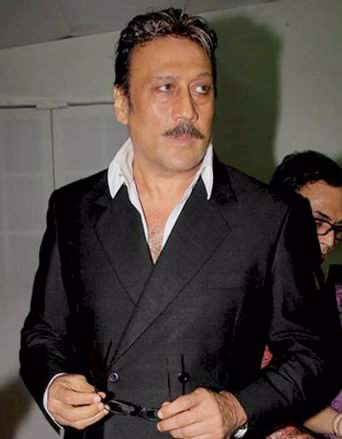
Shubhankar (Jackie Shroff)
Played by Jackie Shroff
A compatriot of Raghuvir who shelters Rajeshwari and mentors her in the revolutionary struggle. He is pivotal in guiding Narendra’s ascent into the movement and helps orchestrate the final push against the regime.
- 🤝 Ally
- 🗺️ Resistance
- 🕊️ Protector
- MB
Major Bisht (Danny Denzongpa)
Played by Danny Denzongpa
A ruthless British officer who pursues rebels and orchestrates brutal crackdowns. His arc includes witnessing the consequences of violence and ultimately experiencing a moral awakening after Chanda’s death.
- ⚔️ Oppressor
- 🔒 Authority
- 🕷️ Brutality
- CB
Chanda Bisht (Chandni)
Played by Chandni
Daughter of Major Bisht who becomes entangled in the revolutionary conflict. She witnesses Abid Ali Baig’s murder and dies in the crossfire, her death catalyzing a turn in Bisht’s conscience.
- ❤️ Loss
- 🗡️ Betrayal
- 🕯️ Resolve
- AA
Abid Ali Baig (Pran Sikand)
Played by Pran Sikand
A revolutionary ally of Shubhankar who champions the cause from within the movement. He is killed in a confrontation with Bisht, his death underscoring the personal costs of the struggle.
- 🕯️ Intellectual
- 🗡️ Sacrifice
- 🕊️ Martyr
- DH
Diwan Hari Singh (Manohar Singh)
Played by Manohar Singh
Narendra’s father, a loyal British employee who uses his influence to manipulate events. He cleverly pressures Narendra to disclose Raghuvir’s location, fueling a tragedy rooted in divided loyalties.
- 🕴️ Loyalist
- 🗡️ Betrayal
- 🧭 Conflict
Where and When Is 1942: A Love Story Set?
1942: A Love Story is set in British India (1942). Here is why the time and place matter to the story.
When
1942
The story unfolds in 1942, a peak year of anti-colonial sentiment in India. It sits amid escalating protests, underground organizations, and brutal enforcement by the British. The period is marked by personal sacrifices that intersect with public resistance.
Where
British India
Set in 1942 across towns in colonial India during the decline of the British Raj, the film juxtaposes everyday life with clandestine revolutionary activity. The atmosphere is tense, with underground meetings, secret hideouts, and the threat of crackdowns led by General Douglas. The setting highlights the clash between loyalist authorities and the rising demand for independence.
- 🇮🇳 British India
- 🏛️ Colonial Era
- 🌆 Indian Cities
What Are the Themes of 1942: A Love Story?
4 ideas the story keeps returning to, among them Love and Duty, Revolution & Sacrifice and Betrayal & Loyalty.
-
01
Love and Duty
A romance blossoms between Narendra and Rajeshwari even as colonial tensions rise. Personal happiness tests loyalty to family and the independence movement. The couple’s choices reflect how love can endure and influence political paths under oppression.
-
02
Revolution & Sacrifice
Raghuvir Pathak’s revolutionary activism and his death at the hands of oppressive forces catalyze the man’s and society’s transformation. Narendra’s vow to join the revolution marks a shift from personal devotion to collective struggle. Chanda’s murder and the fight against General Douglas intensify the price of freedom.
-
03
Betrayal & Loyalty
Hari Singh exploits Narendra to reveal Raghuvir’s location, blurring lines between fatherly love and political manipulation. The leak triggers a violent crackdown that propels Rajeshwari and Narendra toward the revolutionary cause. The narrative questions trust, duty, and who bears responsibility for violence.
-
04
Freedom & Unity
In the end, the people unite against tyranny as Shubhankar and Narendra strike back, culminating in the death of General Douglas and the restoration of the Indian flag. The story emphasizes collective action, resilience, and the symbolism of national pride in the struggle for independence.
What Kind of Film Is 1942: A Love Story?
Tense in tone, with fast pacing and a straightforward story, going by the plot summary.
- Tone
- Tense
- Pacing
- Fast
- Story
- Straightforward
- Intensity
- High
- Ending
- Happy
A tense and emotionally charged historical romance set against the violent backdrop of India's freedom struggle, where personal love and patriotic duty collide in a fast-paced narrative of sacrifice and rebellion.
- tense
- patriotic
- tragic
- hopeful
- melancholic
- angry
- political revolution
- forbidden love
- family conflict
- colonial oppression
Content notes: torture, execution, war violence, civilian casualties, brutal murder.
Quiz
How well do you remember 1942: A Love Story? Test yourself on the story.