

Tom Harper: Movies & Box Office
- films
- 20
- as director
- 10
- on screen
- 1974–2026
- box office
- $64.6M
- average score
- 70
- Born
- November 17, 1927
- Birthplace
- Miami, Ohio
- Full name
- Thomas Harp
- Citizenship
- United States
- Occupations
- football player, football coach
- Years active
- 1945-1977
The Best Tom Harper Movies
The highest-rated films Tom Harper is credited on, by the Movie Echo Score that blends critic reviews, audience ratings and lasting impact. Wild Rose (2019) scores highest, at 85. The full ranking adds the biggest box office hits and the most awarded films.
Tom Harper's Career in Numbers
Tom Harper's films in numbers — as an actor and a director, not counting appearances as themselves: when they were made, the genres Tom Harper works in most and the milestones along the way. The filmography runs from UFO: Target Earth (1974) to Peaky Blinders: The Immortal Man (2026), and the 2010s were the busiest decade.
Tom Harper Movies by Decade
- 1970s 1
- 1980s 3
- 2000s 6
- 2010s 8
- 2020s 2
The 2010s were Tom Harper's busiest decade, with 8 films.
Tom Harper Movies by Genre
- Drama 10
- Action 2
- Sci-Fi 2
- Crime 1
- Fantasy 1
- Romance 1
- Music 1
- Comedy 1
- Family 1
Drama is the genre Tom Harper has worked in most, with 10 films, ahead of action (2).
Tom Harper Career Milestones
- First film
- UFO: Target Earth 1974
- Biggest box office hit
- The Woman in Black 2: Angel of Death $48.9M worldwide
- Best-rated film
- Wild Rose Movie Echo Score 85
- Newest film
- Peaky Blinders: The Immortal Man 2026
Tom Harper Filmography: Every Movie
Every film Tom Harper is credited on, newest first, with the role, the box office and the Movie Echo Score. 10 as director and 10 as actor. Rated films average a score of 70. Re-order the list to see the best-rated films or the biggest hits first.
Movies Directed by Tom Harper
10- 2026
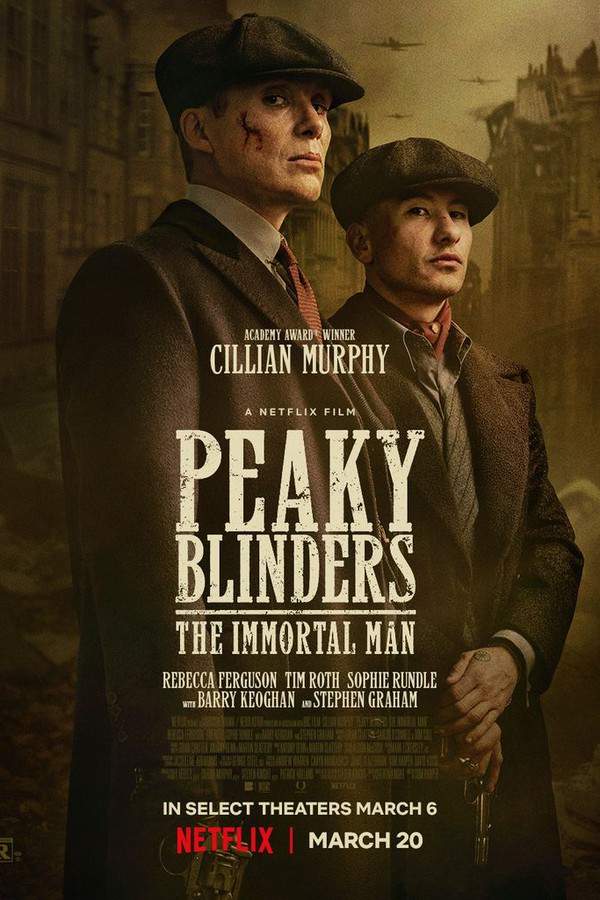 Peaky Blinders: The Immortal Man Crime Movie Echo Score: 64
- 2023
 Heart of Stone Action Worldwide box office: $3.33M Movie Echo Score: 66
- 2019
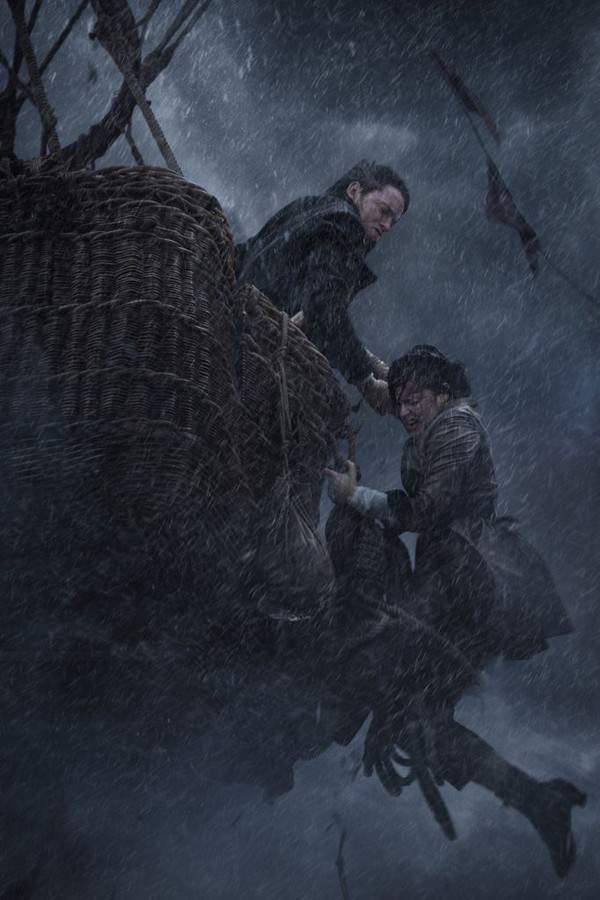 The Aeronauts Action Worldwide box office: $3.49M Movie Echo Score: 65
- 2019
 Wild Rose Drama Worldwide box office: $7.12M Movie Echo Score: 85
- 2016
 War and Peace Drama
- 2015
 The Woman in Black 2: Angel of Death Drama Worldwide box office: $48.9M
- 2014
 War Book Drama
- 2011
 The Borrowers Fantasy
- 2010
 Misfits Christmas Special Romance
- 2010
 This Is England ’86 Drama
Tom Harper Movies as an Actor
10- 2009
 Lightning Strikes as Jerry · Sci-Fi
- 2008
 Telstar: The Joe Meek Story as Alan Caddy · Music Worldwide box office: $109K
- 2007
 Walking Tall: Lone Justice as Marshall #2 · Drama
- 2006
 Bottoms Up as Paparazzi · Comedy
- 2003
 The Book of Mormon Movie, Volume 1: The Journey as Pilgrim · Family Worldwide box office: $1.68M
- 2000
 In the Beginning as Benjamin · Drama
- 1988
 In a Shallow Grave as Soldier · Drama
- 1985
 The Annihilators as Doc · Drama
- 1984
 The Baron and the Kid as Stan · Drama
- 1974
 UFO: Target Earth as Interviewer · Sci-Fi
Who Is Tom Harper?
Tom Harper was born in Miami, Ohio on November 17, 1927. Credited on films since 1974, as both an actor and a director. The background, training and the roles that shaped the career.
Thomas “Tom” Harp—the American football coach identified in the supplied Wikipedia material, whose surname is spelled Harp rather than Harper—was born on November 17, 1927, in Miami, Ohio. He became known for an inventive offensive approach and for his head-coaching positions at Cornell University, Duke University, and Indiana State University. As a player, Harp was a fullback at Miami University in 1945 and a quarterback at Muskingum University in 1949 and 1950. At Muskingum, he belonged to back-to-back Ohio Athletic Conference championship teams, giving him an early connection to disciplined and successful football. He began his coaching career at Carrollton High School in 1951, compiling a 20–6–1 record over three seasons. At Massillon Washington High School from 1954 to 1955, he went 18–2 and captured the 1954 Ohio state title. From 1956 through 1960, Harp coached the backfield at the United States Military Academy under Earl Blaik and Dale Hall. He was the architect of the Lonesome End concept, which spread the field and created numerous passing lanes, and that tactical work became a lasting part of his reputation.
Harp was appointed Cornell's head coach in 1961, when, at approximately 33 years old, he was the youngest head football coach in the Ivy League. Across five seasons he produced a 19–23–3 record before moving to Duke for the 1966–1970 seasons. At Duke, he compiled a 22–28–1 mark, and from 1973 through 1977 he coached Indiana State, going 20–31. His final overall college head-coaching record was 61–82–4, while his high-school record was 38–8–1. Those figures portray a coach whose teams were often less successful statistically than his tactical influence was culturally. His career also bridged several eras of American football, moving from championship-level high-school teams to service-academy innovation and then major-college competition. Harp was also the stepfather of Cam Cameron, the former Miami Dolphins head coach. Although he is not primarily remembered as a film performer, his work in spreading offenses and player development provides substantial historical context for the development of American football coaching.
Who Tom Harper Makes Movies With
The actors and directors Tom Harper shares the most films with. Phoebe Fox comes first, with 3 films together, followed by Sophie Okonedo (3). Under each name, their best-known films together.
-
 Phoebe Fox 3 films together
- The Woman in Black 2: Angel of Death (2015)
- The Aeronauts (2019)
- War Book (2014)
-
 Sophie Okonedo 3 films together
- Wild Rose (2019)
- Heart of Stone (2023)
- War Book (2014)
-
 Jessie Buckley 2 films together
- Wild Rose (2019)
- War and Peace (2016)
-
 Tom Burke 2 films together
- Telstar: The Joe Meek Story (2008)
- War and Peace (2016)
-
 Stephen Graham 2 films together
- Peaky Blinders: The Immortal Man (2026)
- This Is England ’86 (2010)
-
 Kevin Sorbo 2 films together
- Lightning Strikes (2009)
- Walking Tall: Lone Justice (2007)
-
 Robert Sheehan 2 films together
- The Borrowers (2011)
- Misfits Christmas Special (2010)
Tom Harper: Questions & Answers
How many movies Tom Harper has made, the biggest hit, the best-rated film, the award record and more, answered from the filmography above.
How many movies has Tom Harper been in?
Tom Harper is credited on 20 films, from 1974 to 2026. 10 of them as an actor and 10 as a director. The filmography on this page lists every one of them, newest first, with the role and the Movie Echo Score.
What is Tom Harper's highest-grossing movie?
The Woman in Black 2: Angel of Death (2015) is Tom Harper's biggest box office hit, with $48.9M worldwide, ahead of Wild Rose (2019) ($7.12M). Across every film with box office figures, Tom Harper's movies have made $64.6M.
Tom Harper's biggest hits What is the best Tom Harper movie?
By the Movie Echo Score, which blends critic reviews, audience ratings and lasting impact, Tom Harper's best-rated film is Wild Rose (2019) with a score of 85, followed by Heart of Stone (2023) (66).
Best Tom Harper movies, ranked What is Tom Harper's newest movie?
The most recent film on Tom Harper's filmography is Peaky Blinders: The Immortal Man (2026), which Tom Harper directed.
Who does Tom Harper work with most often?
Tom Harper shares the most films with Phoebe Fox (3 films), Sophie Okonedo (3 films) and Jessie Buckley (2 films).
The Best Tom Harper Movies, Ranked
Top rated, most awarded and biggest box office hits from 20 credits.
Coming soon to your phone
The Plot Explained Movie Summary App
From blockbusters to hidden gems: plot summaries, endings explained and timelines on your phone. Save your favorites and never miss a twist again.
Be the first to know when it launches. Your email stays private, always. Learn more about the app
