

Otis Harlan: Movies & Box Office
- films
- 28
- on screen
- 1924–1977
- box office
- $185M
- Born
- December 29, 1865
- Birthplace
- Zanesville, Ohio, U.S.
- Full name
- Otis
- Citizenship
- American
- Occupations
- Actor, Comedian
- Years active
- 1893-1940
- Spouses
- Nellie Harvey
- Children
- 1
Otis Harlan's Career in Numbers
Otis Harlan's films in numbers — as an actor, not counting appearances as themselves: when they were made, the genres Otis Harlan works in most and the milestones along the way. The filmography runs from Captain Blood (1924) to Disney’s Greatest Villains (1977), and the 1930s were the busiest decade.
Otis Harlan Movies by Decade
- 1920s 9
- 1930s 18
- 1970s 1
The 1930s were Otis Harlan's busiest decade, with 18 films.
Otis Harlan Movies by Genre
- Comedy 11
- Drama 8
- Western 2
- Tv movie 1
- Fantasy 1
- Music 1
- Action 1
- Romance 1
- Crime 1
- Adventure 1
Comedy is the genre Otis Harlan has worked in most, with 11 films, ahead of drama (8).
Otis Harlan Career Milestones
- First film
- Captain Blood 1924
- Biggest box office hit
- Snow White and the Seven Dwarfs $185M worldwide
- Newest film
- Disney’s Greatest Villains 1977
Otis Harlan Filmography: Every Movie
Every film Otis Harlan is credited on, newest first, with the role, the box office and the Movie Echo Score. Re-order the list to see the best-rated films or the biggest hits first.
- 1977
 Disney’s Greatest Villains as Happy (voice) (archive footage) · Tv movie
 - 1938
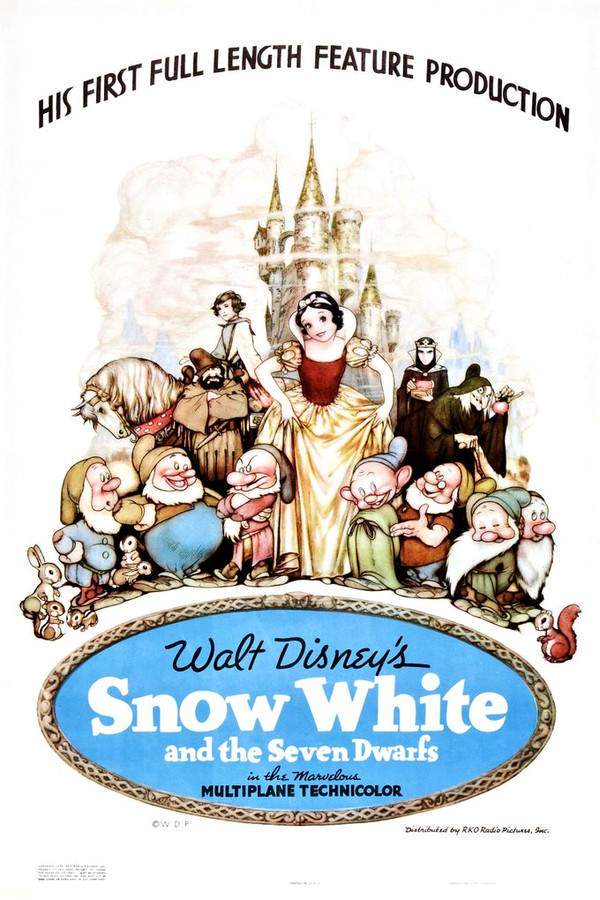 Snow White and the Seven Dwarfs Fantasy Worldwide box office: $185M
 - 1937
 Roamin’ Holiday as Hiram Jenks · Comedy
 - 1936
 The Singing Kid as Bank Clerk (uncredited) · Music
 - 1935
 Hitch Hike Lady as Mayor Loomis · Comedy
 - 1935
 A Midsummer Night’s Dream as Starveling · Comedy
 - 1935
 Diamond Jim as Drunk · Drama
 - 1934
 King Kelly of the U.S.A. as Count Parcheesi · Comedy
 - 1933
 The Sin of Nora Moran as Mr. Moran · Drama
 - 1933
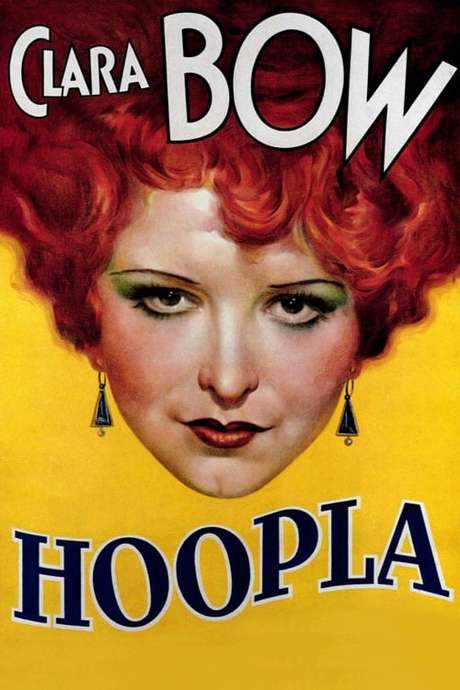 Hoopla as Town Councilman / Side Show Customer · Drama
 - 1933
 Doctor Bull as Agitator · Comedy
 - 1933
 The Telegraph Trail as Uncle Zeke Keller · Western
 - 1933
 Reckless Decision as Justice of the Peace Michael O'Connors · Drama
 - 1932
 That’s My Boy as Mayor of Athens · Drama
 - 1932
 Ride Him, Cowboy as Judge E. Clarence 'Necktie' Jones · Action
 - 1931
 Morals for Women as Mr. Johnston · Drama
 - 1931
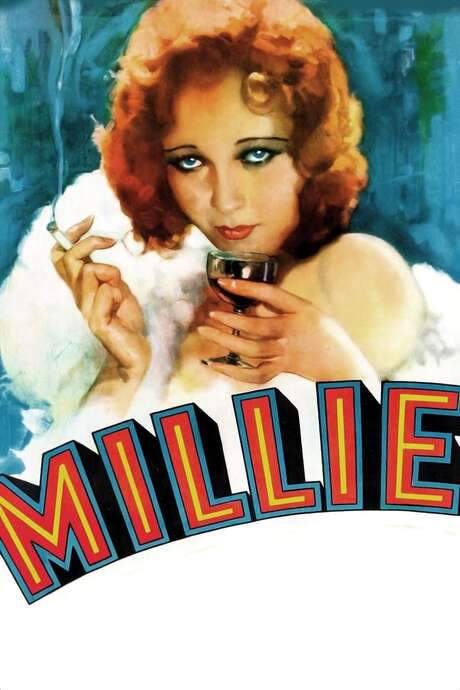 Millie as Luke - Counterman (uncredited) · Romance
 - 1930
 Man to Man as Rip Henry · Crime
 - 1930
 Loose Ankles as Major · Comedy
 - 1929
 Show Boat as Capt. Andy Hawks · Drama
 - 1928
 Dad’s Choice as The Father · Comedy
 - 1927
 The Student Prince in Old Heidelberg as Old Ruder · Drama
 - 1926
 3 Bad Men as Zach Little · Western
 - 1926
 What Happened to Jones as Ebenezer Goodly · Comedy
 - 1925
 The Perfect Clown as The Boss · Comedy
 - 1925
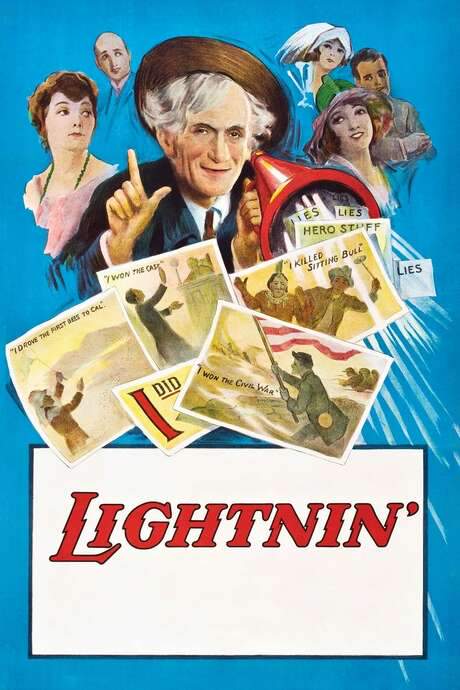 Lightnin’ as Zeb · Comedy
 - 1925
 Oh, Doctor! as Mr. Clinch · Comedy
 - 1924
 Captain Blood as Corliss · Adventure
Who Is Otis Harlan?
Otis Harlan was born in Zanesville, Ohio, U.S. in 1865. Credited on films since 1924, as an actor. The background, training and the roles that shaped the career.
Otis Harlan (December 29, 1865 – January 20, 1940) was an American actor and comedian whose career spanned the transition from Victorian stage melodrama to early sound cinema, making him a notable bridge between two eras of entertainment. Born in Zanesville, Ohio, he began performing in local theater before landing his first professional engagement in 1893 with Victor Herbert’s operetta The Magic Knight, where his comic timing attracted critical attention. Over the next two decades Harlan became a fixture on Broadway, starring in productions such as Little Boy Blue (1911) and appearing in Irving Berlin’s ragtime shows, while simultaneously honing his skills in vaudeville circuits that demanded rapid improvisation and audience interaction. His versatility allowed him to transition smoothly into film; he took on supporting roles in silent features like A Black Sheep (1915) and The Girl in the Taxi (1921), and later embraced the new sound technology by portraying Cap’n Andy in the part‑talkie version of Show Boat (1929) and serving as Master of Ceremonies for its prologue. In 1935 he appeared as the Starveling in Max Reinhardt’s adaptation of A Midsummer Night’s Dream, demonstrating his continued relevance in prestigious productions. The pinnacle of his voice work arrived in 1937 when Disney cast him as Happy, one of the Seven Dwarfs in Snow White and the Seven Dwarfs, a role that posthumously earned him recognition as the earliest‑born actor to feature in a Disney film. Outside the studio, Harlan married Nellie Harvey and the couple raised a daughter, Marion, while maintaining close ties to his extended family, including his nephew Kenneth Harlan, a leading man of the silent era. He remained active in both stage and screen until the late 1930s, appearing in shorts such as the Our Gang comedy Roamin’ Holiday and taking uncredited parts that showcased his reliable character‑actor presence. Though largely forgotten by modern audiences, his contribution to early sound cinema and voice acting helped lay the groundwork for future generations of performers. Harlan’s death on January 20, 1940, in Martinsville, Indiana, at the age of 74, marked the end of a five‑decade‑long career that had witnessed the birth of Hollywood itself. He was interred at New South Park Cemetery in Martinsville, a testament to his Midwestern roots and the lasting affection of the community that knew him. Today, film historians cite his work as a vivid example of the adaptability required of actors navigating the rapidly changing landscape of 20th‑century American entertainment.
Who Otis Harlan Makes Movies With
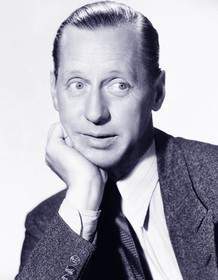
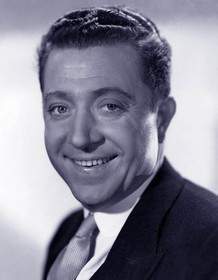
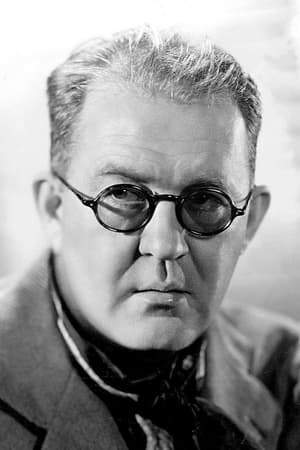
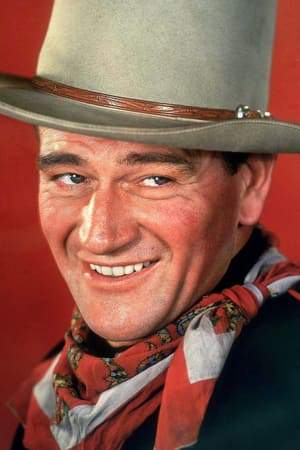
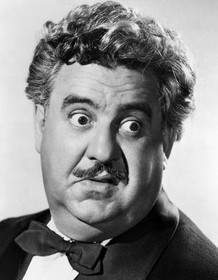
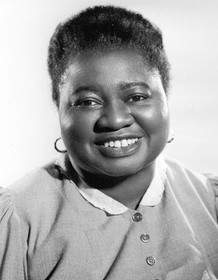
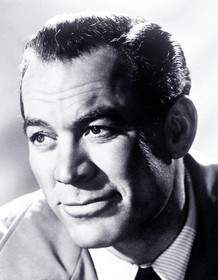
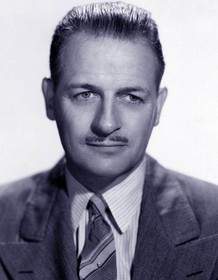
The actors and directors Otis Harlan shares the most films with. Irving Bacon comes first, with 3 films together, followed by Frank McHugh (3).
Otis Harlan: Questions & Answers
How many movies Otis Harlan has made, the biggest hit, the best-rated film, the award record and more, answered from the filmography above.
How many movies has Otis Harlan been in?
Otis Harlan is credited on 28 films, from 1924 to 1977. The filmography on this page lists every one of them, newest first, with the role and the Movie Echo Score.
What is Otis Harlan's highest-grossing movie?
Snow White and the Seven Dwarfs (1938) is Otis Harlan's biggest box office hit, with $185M worldwide. Across every film with box office figures, Otis Harlan's movies have made $185M.
Otis Harlan's biggest hits What is Otis Harlan's newest movie?
The most recent film on Otis Harlan's filmography is Disney’s Greatest Villains (1977), in the role of Happy (voice) (archive footage).
Who does Otis Harlan work with most often?
Otis Harlan shares the most films with Irving Bacon (3 films), Frank McHugh (3 films) and John Ford (3 films).
The Best Otis Harlan Movies, Ranked
Top rated, most awarded and biggest box office hits from 28 credits.
Coming soon to your phone
The Plot Explained Movie Summary App
From blockbusters to hidden gems: plot summaries, endings explained and timelines on your phone. Save your favorites and never miss a twist again.
Be the first to know when it launches. Your email stays private, always. Learn more about the app
