

- Born
- April 13, 1894
- Birthplace
- Masuda, Shimane, Japan
- Full name
- Toshio Fukuhara
- Citizenship
- Japanese
- Occupations
- Benshi, film actor, raconteur, essayist, radio personality, television personality
- Years active
- 1910s–1971
Musei Tokugawa's Career in Numbers
Musei Tokugawa's films in numbers — as an actor, not counting appearances as themselves: when they were made, the genres Musei Tokugawa works in most and the milestones along the way. The filmography runs from Tipsy Life (1933) to An Actor’s Revenge (1963), and the 1930s were the busiest decade.
Musei Tokugawa Movies by Decade
- 1930s 4
- 1940s 2
- 1950s 2
- 1960s 1
The 1930s were Musei Tokugawa's busiest decade, with 4 films.
Musei Tokugawa Movies by Genre
- Drama 4
- Romance 1
- History 1
- Animation 1
- Documentary 1
- Comedy 1
Drama is the genre Musei Tokugawa has worked in most, with 4 films, ahead of romance (1).
Musei Tokugawa Career Milestones
- First film
- Tipsy Life 1933
- Newest film
- An Actor’s Revenge 1963
Musei Tokugawa Filmography: Every Movie
Every film Musei Tokugawa is credited on, newest first, with the role, the box office and the Movie Echo Score. Re-order the list to see the best-rated films or the biggest hits first.
- 1963
 An Actor’s Revenge Drama
 - 1956
 The Legend of the White Serpent Romance
 - 1950
 A Mother’s Love Drama
 - 1941
 The Battle of Kawanakajima as Ichibei · History
 - 1941
 Princess Iron Fan as (Japanese version) · Animation
 - 1939
 The Whole Family Works as Ishimura · Drama
 - 1938
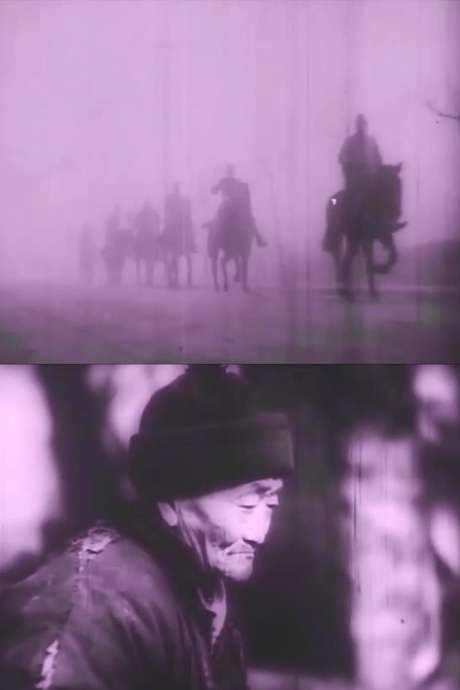 Nanking as Narrator · Documentary
 - 1936
 I Am a Cat as Meitei · Comedy
 - 1933
 Tipsy Life Drama
Who Is Musei Tokugawa?
Musei Tokugawa was born in Masuda, Shimane, Japan in 1894. Credited on films since 1933, as an actor. The background, training and the roles that shaped the career.
Musei Tokugawa, born Toshio Fukuhara, was a multifaceted Japanese cultural figure who left an indelible mark on the entertainment industry throughout the turbulent twentieth century. Born on April 13, 1894, in Masuda, Shimane Prefecture, he initially rose to national prominence during the silent film era as a masterful benshi, or film narrator, a profession that held immense cultural significance in Japan before the advent of sound cinema and served as a unique artistic bridge between visual storytelling and oral tradition. His narration style was particularly distinguished by its intellectual restraint, sophisticated vocabulary, and erudite commentary, which attracted a devoted following among sophisticated film enthusiasts who frequented high-class theaters such as the prestigious Aoikan and the Musashinokan in Tokyo. Tokugawa specialized in providing live narration for complex foreign cinematic works, including landmark German expressionist films like The Cabinet of Dr. Caligari, bringing these challenging international masterpieces to Japanese audiences with his articulate, nuanced interpretation that added layers of meaning to the visual imagery. However, his artistic scope was not limited to imported cinema; he also lent his distinctive voice and interpretive genius to significant domestic productions, most notably contributing to Teinosuke Kinugasa's experimental avant-garde masterpiece A Page of Madness in 1926, a film that remains a cornerstone of Japanese silent cinema and demonstrates the collaborative artistry between director and narrator.
As the silent film era gradually concluded with the introduction and dominance of synchronized sound technology in Japanese cinema during the 1930s, Tokugawa seamlessly transitioned his considerable talents to other performing arts and emerging media platforms with remarkable adaptability. He became a celebrated raconteur and master storyteller, captivating audiences through traditional stage performances and the new medium of radio broadcasts, which allowed him to maintain his intimate connection with the public through purely auditory means and the power of spoken word. His career further expanded into film acting and voice narration for motion pictures, demonstrating his versatility as a performer who could successfully adapt to evolving technologies and shifting artistic formats without losing his distinctive intellectual charm. Beyond his performance work, Tokugawa established himself as a prolific essayist and respected author, publishing nearly fifty books throughout his lifetime that encompassed humorous novels, penetrating cultural essays, and detailed autobiographical writings that provided valuable commentary on Japan's rapidly modernizing society and the changing nature of popular entertainment. With the emergence of television in post-war Japan during the 1950s, he successfully adapted once again, becoming a prominent television personality who brought his erudite wit, warm personality, and storytelling prowess into Japanese households until his death on August 1, 1971, at the age of seventy-seven, thereby cementing his legacy as one of Japan's most enduring, versatile, and adaptable narrative artists across multiple generations.
Musei Tokugawa: Questions & Answers
How many movies Musei Tokugawa has made, the biggest hit, the best-rated film, the award record and more, answered from the filmography above.
How many movies has Musei Tokugawa been in?
Musei Tokugawa is credited on 9 films, from 1933 to 1963. The filmography on this page lists every one of them, newest first, with the role and the Movie Echo Score.
What is Musei Tokugawa's newest movie?
The most recent film on Musei Tokugawa's filmography is An Actor’s Revenge (1963).
Who does Musei Tokugawa work with most often?
Musei Tokugawa shares the most films with Nijiko Kiyokawa (3 films), Kamatari Fujiwara (2 films) and Isuzu Yamada (2 films).
The Best Musei Tokugawa Movies, Ranked
Top rated, most awarded and biggest box office hits from 9 credits.
Coming soon to your phone
The Plot Explained Movie Summary App
From blockbusters to hidden gems: plot summaries, endings explained and timelines on your phone. Save your favorites and never miss a twist again.
Be the first to know when it launches. Your email stays private, always. Learn more about the app
