

Lillian Lawrence: Movies & Box Office
- films
- 18
- on screen
- 1924–1940
- box office
- $15.8K
- Born
- February 17, 1868
- Birthplace
- Alexandria, Virginia, U.S.
- Citizenship
- American
- Occupations
- Actress
- Years active
- 1881-1926
- Children
- 1
Lillian Lawrence's Career in Numbers
Lillian Lawrence's films in numbers — as an actor, not counting appearances as themselves: when they were made, the genres Lillian Lawrence works in most and the milestones along the way. The filmography runs from Greed (1924) to Second Chorus (1940), and the 1930s were the busiest decade.
Lillian Lawrence Movies by Decade
- 1920s 4
- 1930s 13
- 1940s 1
The 1930s were Lillian Lawrence's busiest decade, with 13 films.
Lillian Lawrence Movies by Genre
- Comedy 8
- Drama 5
- Romance 3
- Western 1
- Crime 1
Comedy is the genre Lillian Lawrence has worked in most, with 8 films, ahead of drama (5).
Lillian Lawrence Career Milestones
- First film
- Greed 1924
- Biggest box office hit
- Mr. Deeds Goes to Town $8.36K worldwide
- Newest film
- Second Chorus 1940
Lillian Lawrence Filmography: Every Movie
Every film Lillian Lawrence is credited on, newest first, with the role, the box office and the Movie Echo Score. Re-order the list to see the best-rated films or the biggest hits first.
- 1940
 Second Chorus as Spinster (uncredited) · Comedy
 - 1939
 Remember the Night as Townswoman at Rummage Sale (uncredited) · Comedy
 - 1939
 Dodge City as League Member (uncredited) · Western
 - 1938
 Four Daughters as Mrs. Ridgefield's Friend (uncredited) · Drama
 - 1937
 Easy Living as Magazine Office Worker (uncredited) · Comedy
 - 1936
 Mr. Deeds Goes to Town as (uncredited) · Romance Worldwide box office: $8.36K
 - 1935
 Life Begins at Forty as Effie - Hog Caller · Comedy
 - 1935
 The Good Fairy as Teacher in Orphanage (uncredited) · Comedy Worldwide box office: $7.48K
 - 1934
 David Harum as Townswoman (uncredited) · Comedy
 - 1933
 Face in the Sky as Wedding Guest (uncredited) · Romance
 - 1932
 Washington Merry-Go-Round as No Saloons Leaguer · Drama
 - 1932
 A Successful Calamity as Musicale Guest (uncredited) · Comedy
 - 1931
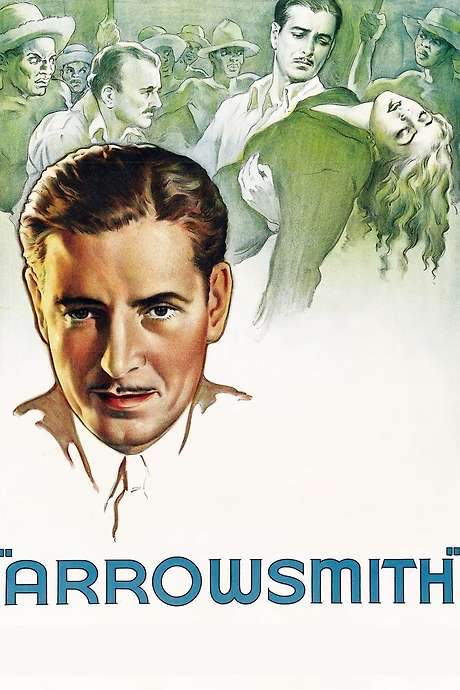 Arrowsmith as West Indies Townswoman at Meeting (uncredited) · Drama
 - 1930
 Call of the Flesh as Nun (uncredited) · Romance
 - 1929
 The Valiant as Spinster on Train (uncredited) · Drama
 - 1928
 Show People as Comedy Player at Farewell Banquet (uncredited) · Comedy
 - 1927
 Sensation Seekers as Tibbett Sister · Drama
 - 1924
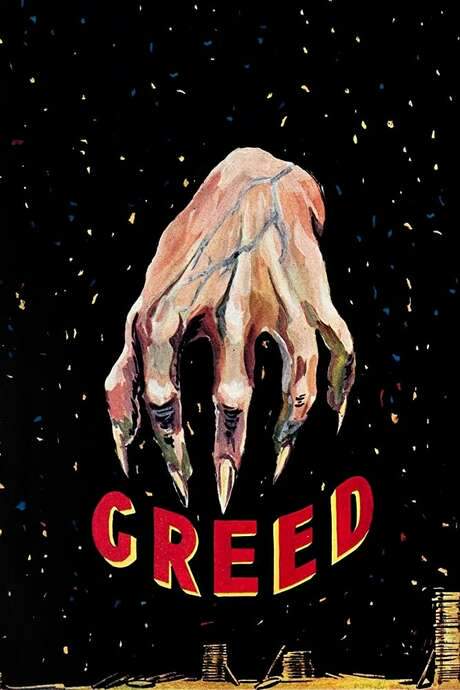 Greed as Gossip (uncredited) · Crime
Who Is Lillian Lawrence?
Lillian Lawrence was born in Alexandria, Virginia, U.S. in 1868. Credited on films since 1924, as an actor. The background, training and the roles that shaped the career.
Lillian Lawrence was born on February 17, 1868, in Alexandria, Virginia, though some sources suggest Alexander, West Virginia, and she relocated to San Francisco with her family when she was merely two years old. Demonstrating remarkable talent from an early age, she made her theatrical debut at just thirteen years old, appearing as a chess piece in the operetta The Royal Middy, which marked the beginning of her extensive career in the performing arts. Following her debut, she spent three years singing opera for the California Theatre, honing her vocal skills and stage presence before joining a touring company at age twenty. Her early repertoire included significant roles such as her performance in The Two Orphans, and she subsequently joined a repertory theatre in Oakland, where she continued to develop her craft. At the remarkably young age of fourteen in 1882, Lawrence gave birth to her daughter, Ethel Grey Terry, who would later follow in her mother's footsteps as an actress, though Lawrence herself never married. In 1892, she relocated to New York City, and the following year to Dayton, Ohio, where she won the lead role in The Two Orphans alongside the renowned Kate Claxton, solidifying her reputation as a formidable talent in American theatre.
Lawrence's career reached new heights when she joined the Castle Square Theatre stock company in 1897, where she earned the distinguished title of "Leading Lady" and amassed an impressive portfolio of over three hundred operatic and five hundred dramatic roles by the summer of that year alone. Her popularity was such that when she took a sixteen-month sabbatical in 1901, she received a rousing ovation and tribute from audiences and colleagues alike, testament to her significant impact on the theatrical community. After returning to San Francisco in 1904 to perform at the Alcazar Theatre, she continued to work extensively across the United States, including engagements at the Orpheum Dramatic Stock Theatre in Philadelphia, the Grand Theatre in Pittsburgh with the Harry Davis Stock Players, and the Globe Theatre in Boston with the John Craig Stock Company. She also made her mark on Broadway, notably playing Grandma, "the Demon," in His Majesty Bunker Bean at the Astor Theatre in 1916. In 1919, Lawrence joined her daughter Ethel in Los Angeles, where she successfully transitioned to silent films while continuing her stage work, appearing in notable productions such as The Galley Slave (1915), Three Ages (1923), and Stella Maris (1925). She remained active in the entertainment industry until her death from heart disease on May 7, 1926, at her daughter's home in Beverly Hills, with her ashes ultimately interred at the historic Hollywood Forever Cemetery.
Who Lillian Lawrence Makes Movies With
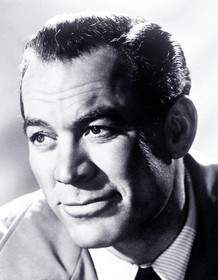
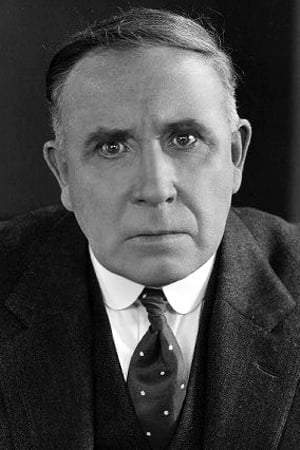
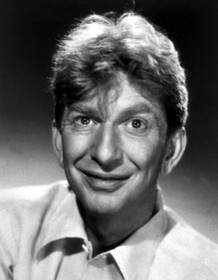
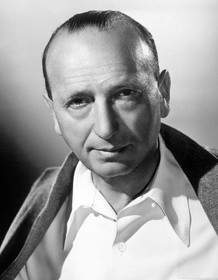
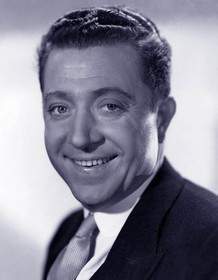
The actors and directors Lillian Lawrence shares the most films with. Ward Bond comes first, with 2 films together, followed by DeWitt Jennings (2).
Lillian Lawrence: Questions & Answers
How many movies Lillian Lawrence has made, the biggest hit, the best-rated film, the award record and more, answered from the filmography above.
How many movies has Lillian Lawrence been in?
Lillian Lawrence is credited on 18 films, from 1924 to 1940. The filmography on this page lists every one of them, newest first, with the role and the Movie Echo Score.
What is Lillian Lawrence's highest-grossing movie?
Mr. Deeds Goes to Town (1936) is Lillian Lawrence's biggest box office hit, with $8.36K worldwide, ahead of The Good Fairy (1935) ($7.48K). Across every film with box office figures, Lillian Lawrence's movies have made $15.8K.
Lillian Lawrence's biggest hits What is Lillian Lawrence's newest movie?
The most recent film on Lillian Lawrence's filmography is Second Chorus (1940), in the role of Spinster (uncredited).
Who does Lillian Lawrence work with most often?
Lillian Lawrence shares the most films with Ward Bond (2 films), DeWitt Jennings (2 films) and Sterling Holloway (2 films).
The Best Lillian Lawrence Movies, Ranked
Top rated, most awarded and biggest box office hits from 18 credits.
Coming soon to your phone
The Plot Explained Movie Summary App
From blockbusters to hidden gems: plot summaries, endings explained and timelines on your phone. Save your favorites and never miss a twist again.
Be the first to know when it launches. Your email stays private, always. Learn more about the app
