
The Good Fairy 1935


In 1930s Budapest, innocent orphan Luisa Ginglebuscher becomes an usherette at a local cinema, determined to prove herself by helping others and preserving her purity. Her harmless lies entangle her with lecherous businessman Konrad and the well‑meaning but confused Dr. Max Sporum. When she tells Konrad she is married to Max, he plots to get rid of the baffled doctor.


Does The Good Fairy have end credit scenes?
No!
The Good Fairy does not have end credit scenes. You can leave when the credits roll.
Meet the Full Cast and Actors of The Good Fairy
Explore the complete cast of The Good Fairy, including both lead and supporting actors. Learn who plays each character, discover their past roles and achievements, and find out what makes this ensemble cast stand out in the world of film and television.
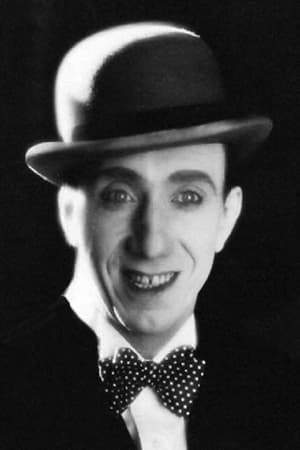
George Davis
Chauffeur (uncredited)
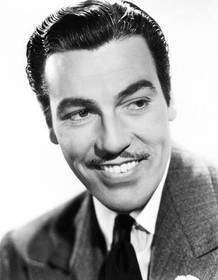
Cesar Romero
Joe
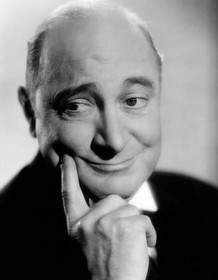
Eric Blore
Doctor Metz

Luis Alberni
The Barber
Torben Meyer
Head Waiter (uncredited)
Ted Billings
Shoeshine Man (uncredited)
Jane Withers
Girl in Orphanage (uncredited)
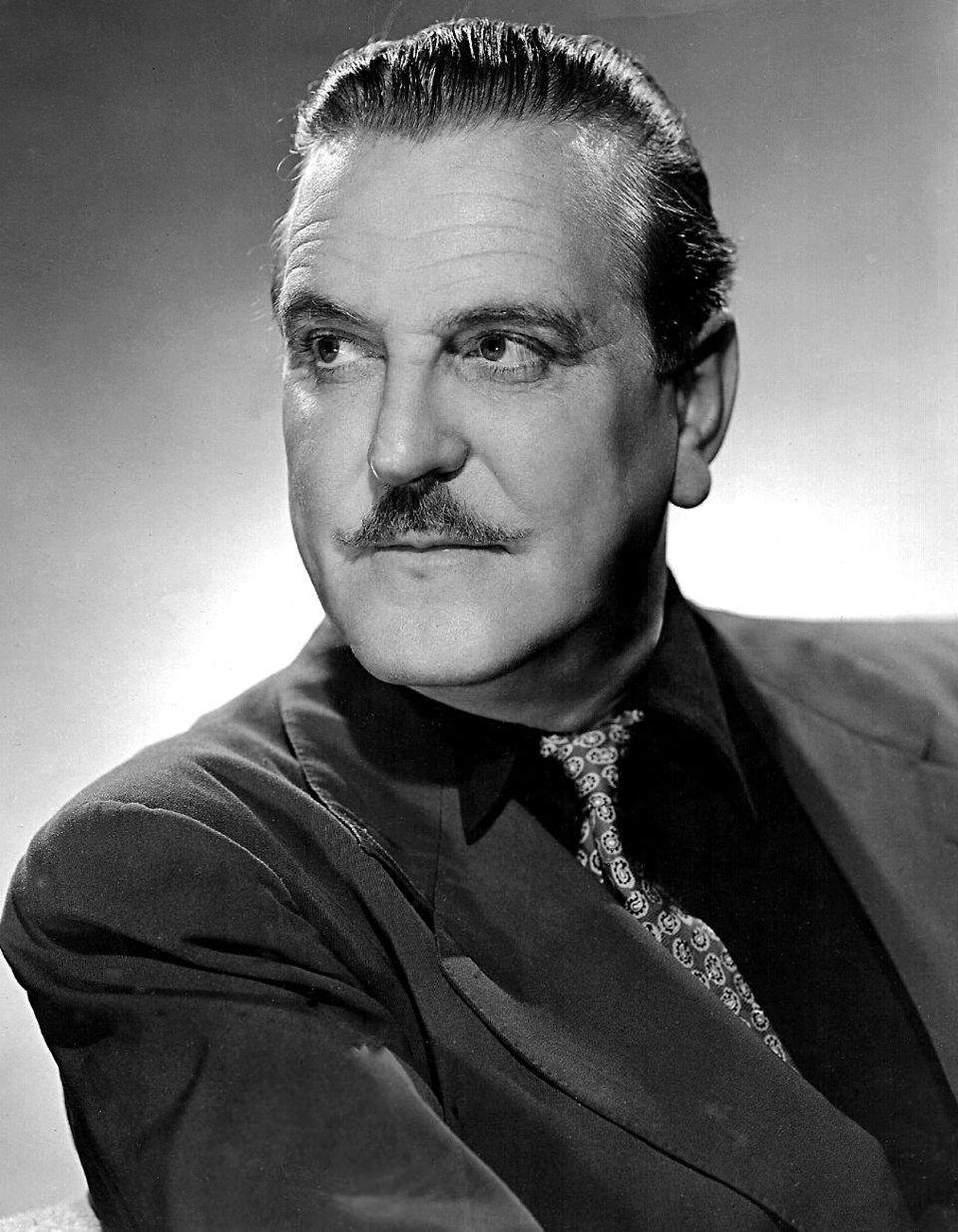
Frank Morgan
Konrad
Herbert Marshall
Doctor Sporum
Margaret Sullavan
Luisa
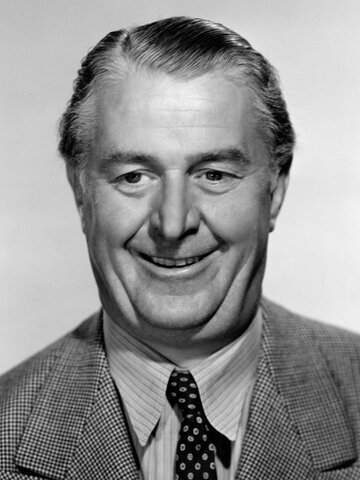
Reginald Owen
The Waiter
Ann Miller
Girl in Orphanage (uncredited)
Beulah Bondi
Doctor Schultz
Alan Hale
Maurice Schlapkohl
Gavin Gordon
Meredith, On-Screen Actor (uncredited)
Anne Darling
Girl in Orphanage (uncredited)
Carmencita Johnson
Girl in Orphanage (uncredited)
Matt Mchugh
Moving Man (uncredited)
Gino Corrado
Second Barber (uncredited)
Dick Winslow
Messenger (uncredited)
Adolph Faylauer
Party Guest (uncredited)
Bert Moorhouse
Stage-Door Johnny (uncredited)
Florence Wix
Party Guest (uncredited)
Eric Mayne
Party Guest (uncredited)
Frank Moran
Moving Man (uncredited)
Phyllis Ludwig
Girl in Orphanage (uncredited)
Spec O'Donnell
Kid in Movie Theater (uncredited)
Betty Jean Hainey
Girl in Orphanage (uncredited)
Edith Kingdon
Dowager (uncredited)
Anne Howard
Girl in Orphanage (uncredited)
Gloria Fisher
Girl in Orphanage (uncredited)
Mario Dominici
Party Guest (uncredited)
June Clayworth
Mitzi, On-Screen Actress (uncredited)
Lillian Lawrence
Teacher in Orphanage (uncredited)
Milton Royce
Party Guest (uncredited)
Edward Reinach
Party Guest (uncredited)
Alene Carroll
Girl in Orphanage (uncredited)
Marilyn Spinner
Girl in Orphanage (uncredited)
External Links and Streaming Options
Discover where to watch The Good Fairy online, including streaming platforms, rental options, and official sources. Compare reviews, ratings, and in-depth movie information across sites like IMDb, TMDb, Wikipedia or Box Office Mojo.





Take the Ultimate The Good Fairy Movie Quiz
Challenge your knowledge of The Good Fairy with this fun and interactive movie quiz. Test yourself on key plot points, iconic characters, hidden details, and memorable moments to see how well you really know the film.
The Good Fairy (1935) Quiz: Challenge your knowledge of the classic 1935 film The Good Fairy with these ten questions ranging from easy to difficult.
Which actress portrays the orphan Luisa Ginglebusher?
Full Plot Summary and Ending Explained for The Good Fairy
Read the complete plot summary of The Good Fairy, including all major events, twists, and the full ending explained in detail. Explore key characters, themes, hidden meanings, and everything you need to understand the story from beginning to end.
Luisa Ginglebusher, Margaret Sullavan, has grown up in the Municipal Orphanage, where she enchanted the other girls with her bedtime fairy tales. When she lands a job as an usherette in a Budapest movie palace, the kindly orphanage director Dr. Schultz, Beulah Bondi, sends the young woman into the world with simple, hopeful instructions: do a good deed every day, be friendly to everyone, and mind the male gender a little from behind the scenes.
After Luisa finishes her shift, a dashing man named Joe, Cesar Romero, tries to force himself on her. She resists, and in a moment of misdirection she notices Detlaff, Reginald Owen, a waiter she had met in the theatre on the sidewalk. To deflect Joe, she tells him that Detlaff is her husband, and the ruse works. Detlaff takes her out for sandwiches, and his world-weary charm slowly wins her trust as he offers a glimpse of a refined life beyond the orphanage’s walls. He even grants her a glimpse of a world where a party invitation and a dancing lesson feel like magic.
At the party, Luisa looks radiant in a dress borrowed from the theater; her complete innocence becomes the source of gentle laughter for the guests. Misunderstandings abound, especially when she assumes Konrad, Frank Morgan, a wealthy meat-packing magnate, is merely another waiter. Detlaff, ever cautious, keeps a protective eye on his ward and quietly foils Konrad’s advances. When Luisa finally understands Konrad’s true intentions—he swoops her up into the private dining room—she turns the tables with the same ploy that worked on Joe: she proclaims herself a married woman. To seal the ruse, she names a husband from a phone book, and she, delighted, announces to Detlaff that she has become someone’s good fairy.
Konrad, who wants more than a flirtation, travels to find the “husband” and encounters Dr. Max Sporum, Herbert Marshall, a principled but perhaps naïve lawyer. Konrad promises Sporum a five-year contract and a generous bonus to keep Luisa away from Detlaff. In reality, Konrad plans to use the husband as a convenient cover so he can pursue Luisa himself.
Luisa goes to see Sporum to tell the truth, but he misreads the situation in a charmingly innocent way and thinks she has come to deliver a gleaming new pencil sharpener he ordered. They begin to bond as they stroll through a day of shopping and laughter; Sporum eagerly buys a bright-colored car and even shaves his beard, encouraged by Luisa’s encouragement. He purchases a fur stole for her—the first real gift she has ever received. When she tells him she must meet a man at his hotel that night, Sporum misinterprets her intent and withdraws, leaving Luisa torn between honesty and the fragile hope of a future.
Detlaff, meanwhile, grows furious that Luisa intends to see Konrad again, but she remains determined to secure Sporum’s future as well. She phones Sporum, and the doctor, ever gracious, apologizes and begs her to think of him as if they shared real affection. Konrad’s jealousy surfaces—he rages at the sight of Luisa’s foxine fur, insisting the stole is a cheap cat—and sobriety finally returns him to the desire to marry her and have children. Detlaff bursts onto the scene, grabbing Luisa and threatening to expose everything to derail Sporum’s new, respectable life.
A chase follows, carrying Luisa, Konrad, and Detlaff into Sporum’s rooms. There, in tears and confusion, Luisa confesses as clearly as she can, wishing she could be a true fairy who could undo the whole tangle with a single wave of a wand. Sporum, touched by the earnest mess of it all, begins to recover and envisions a life of shared poverty with Luisa. Yet Konrad’s insistence on the contract finally unsettles that fragile dream, triggering a chaotic finale in which all three vie for the title of the season’s “good fairy.”
In the end, the story rests on a public, hopeful image: Luisa descends the aisle on Sporum’s arm, a bridal crown catching the light, while the orphans sing of fidelity and truth. The film closes on a note that blends whimsy with a quiet, practical love, suggesting that truth, generosity, and a dash of old-fashioned luck can unite two very different lives in a hopeful, if imperfect, future.

Discover Film Music Concerts Near You – Live Orchestras Performing Iconic Movie Soundtracks
Immerse yourself in the magic of cinema with live orchestral performances of your favorite film scores. From sweeping Hollywood blockbusters and animated classics to epic fantasy soundtracks, our curated listings connect you to upcoming film music events worldwide.
Explore concert film screenings paired with full orchestra concerts, read detailed event information, and secure your tickets for unforgettable evenings celebrating legendary composers like John Williams, Hans Zimmer, and more.


The Good Fairy Themes and Keywords
Discover the central themes, ideas, and keywords that define the movie’s story, tone, and message. Analyze the film’s deeper meanings, genre influences, and recurring concepts.
The Good Fairy Other Names and Titles
Explore the various alternative titles, translations, and other names used for The Good Fairy across different regions and languages. Understand how the film is marketed and recognized worldwide.
Similar Movies To The Good Fairy You Should Know About
Browse a curated list of movies similar in genre, tone, characters, or story structure. Discover new titles like the one you're watching, perfect for fans of related plots, vibes, or cinematic styles.




Quick Links: Summary, Cast, Ratings, More

What's After the Movie?
Not sure whether to stay after the credits? Find out!




Explore Our Movie Platform
New Movie Releases (2025)
Famous Movie Actors
Top Film Production Studios
Movie Plot Summaries & Endings
Major Movie Awards & Winners
Best Concert Films & Music Documentaries
Movie Collections and Curated Lists
© 2025 What's After the Movie. All rights reserved.