

What Is The Good Fairy About?
The premise of The Good Fairy in 331 words, with nothing given away. The full story follows below.
In the bustling heart of 1930s Budapest, a modest municipal orphanage stands beside a grand movie palace, its flickering screens casting hopeful silhouettes onto cobblestone streets. The city hums with the promise of modernity while clinging to old‑world charm, a place where rumors travel through cinema foyers as quickly as the newsreels themselves. Within this world, a young woman steps from the orphanage’s quiet corridors into the luminous lobby of the theater, carrying with her the whispered tales of fairy stories that once soothed her fellow wards.
Luisa Ginglebuscher arrives at the cinema as an usherette, determined to prove that even a humble beginning can seed deeds of kindness. Guided by the kindly orphanage director, who urges her daily to do a good deed, be friendly to everyone, and maintain a modest distance from men, Luisa adopts a habit of harmless white lies. These small fabrications become her shield, allowing her to navigate a world that values decorum as much as it does desire, while she strives to preserve the purity of the innocence that defined her upbringing.
The theater’s glittering clientele soon bring Konrad, a wealthy, charismatic businessman whose ambitions ripple beneath his polished exterior, into Luila’s orbit. At the same time, the gentle yet bewildered Dr. Max Sporum—a lawyer-turned‑doctor whose earnestness often tips into confusion—crosses her path. A moment of spontaneous honesty—claiming she is married to Max—draws both men into a delicate dance of misunderstanding and unspoken intentions, setting the stage for a tangle of affection, aspiration, and the yearning to become a true “good fairy” for those around her.
Through its elegant production design, soft lighting, and a score that sways between wistful nostalgia and sprightly optimism, the film invites viewers to linger in a bygone era where a single act of kindness can ripple across a community. The narrative’s tone balances gentle comedy with heartfelt longing, offering a portrait of a young woman whose simple desire to help others may lead her into unexpected, yet hopeful, entanglements.
What Happens in The Good Fairy?
The complete story of The Good Fairy, from the first scene to the last, in 712 words (about 3 minutes). Spoilers throughout. Names in the text link to 6 cast member pages.
Spoilers ahead
Luisa Ginglebusher, Margaret Sullavan, has grown up in the Municipal Orphanage, where she enchanted the other girls with her bedtime fairy tales. When she lands a job as an usherette in a Budapest movie palace, the kindly orphanage director Dr. Schultz, Beulah Bondi, sends the young woman into the world with simple, hopeful instructions: do a good deed every day, be friendly to everyone, and mind the male gender a little from behind the scenes.
After Luisa finishes her shift, a dashing man named Joe, Cesar Romero, tries to force himself on her. She resists, and in a moment of misdirection she notices Detlaff, Reginald Owen, a waiter she had met in the theatre on the sidewalk. To deflect Joe, she tells him that Detlaff is her husband, and the ruse works. Detlaff takes her out for sandwiches, and his world-weary charm slowly wins her trust as he offers a glimpse of a refined life beyond the orphanage’s walls. He even grants her a glimpse of a world where a party invitation and a dancing lesson feel like magic.
At the party, Luisa looks radiant in a dress borrowed from the theater; her complete innocence becomes the source of gentle laughter for the guests. Misunderstandings abound, especially when she assumes Konrad, Frank Morgan, a wealthy meat-packing magnate, is merely another waiter. Detlaff, ever cautious, keeps a protective eye on his ward and quietly foils Konrad’s advances. When Luisa finally understands Konrad’s true intentions—he swoops her up into the private dining room—she turns the tables with the same ploy that worked on Joe: she proclaims herself a married woman. To seal the ruse, she names a husband from a phone book, and she, delighted, announces to Detlaff that she has become someone’s good fairy.
Konrad, who wants more than a flirtation, travels to find the “husband” and encounters Dr. Max Sporum, Herbert Marshall, a principled but perhaps naïve lawyer. Konrad promises Sporum a five-year contract and a generous bonus to keep Luisa away from Detlaff. In reality, Konrad plans to use the husband as a convenient cover so he can pursue Luisa himself.
Luisa goes to see Sporum to tell the truth, but he misreads the situation in a charmingly innocent way and thinks she has come to deliver a gleaming new pencil sharpener he ordered. They begin to bond as they stroll through a day of shopping and laughter; Sporum eagerly buys a bright-colored car and even shaves his beard, encouraged by Luisa’s encouragement. He purchases a fur stole for her—the first real gift she has ever received. When she tells him she must meet a man at his hotel that night, Sporum misinterprets her intent and withdraws, leaving Luisa torn between honesty and the fragile hope of a future.
Detlaff, meanwhile, grows furious that Luisa intends to see Konrad again, but she remains determined to secure Sporum’s future as well. She phones Sporum, and the doctor, ever gracious, apologizes and begs her to think of him as if they shared real affection. Konrad’s jealousy surfaces—he rages at the sight of Luisa’s foxine fur, insisting the stole is a cheap cat—and sobriety finally returns him to the desire to marry her and have children. Detlaff bursts onto the scene, grabbing Luisa and threatening to expose everything to derail Sporum’s new, respectable life.
A chase follows, carrying Luisa, Konrad, and Detlaff into Sporum’s rooms. There, in tears and confusion, Luisa confesses as clearly as she can, wishing she could be a true fairy who could undo the whole tangle with a single wave of a wand. Sporum, touched by the earnest mess of it all, begins to recover and envisions a life of shared poverty with Luisa. Yet Konrad’s insistence on the contract finally unsettles that fragile dream, triggering a chaotic finale in which all three vie for the title of the season’s “good fairy.”
In the end, the story rests on a public, hopeful image: Luisa descends the aisle on Sporum’s arm, a bridal crown catching the light, while the orphans sing of fidelity and truth. The film closes on a note that blends whimsy with a quiet, practical love, suggesting that truth, generosity, and a dash of old-fashioned luck can unite two very different lives in a hopeful, if imperfect, future.
The Good Fairy Timeline: Every Key Event in Order
13 key events in the order they happen, from “Orphanage upbringing and mission” to “Final wedding: a hopeful, genuine ending”. 13 events name a place, across 13 locations.
- 1
Orphanage upbringing and mission
Luisa Ginglebusher grows up in the Municipal Orphanage. The director, Dr. Schultz, sends her into the world with a rule to do a good deed every day and be friendly to everyone, plus off-screen advice about the male gender. This guidance seeds her warmth and optimism that drive her later choices.
When:Childhood Where:Municipal Orphanage
- 2
Starts work as an usherette in a Budapest movie palace
Luisa lands a job as an usherette at a Budapest movie palace and begins her daily mission of kindness. She steps into the wider world with goodwill and an eager willingness to please, though not all shadows are visible. Her first night on the job marks the start of a string of well-meaning, if naive, encounters.
When:First night at work Where:Budapest movie palace
- 3
A street encounter: Joe’s harassment and Detlaff’s intervention
After leaving work that evening, Joe the masher tries to force himself on Luisa. She deflects by claiming Detlaff is her husband, which gives Detlaff a chance to intervene and escort her away. The incident exposes Luisa to the idea that the adult world can be dangerous and complicated.
When:Evening after work Where:Street beside theatre
- 4
Detlaff invites her to a private party
Detlaff offers Luisa a glimpse of a refined world through an invitation to a private party and a dancing lesson. He believes her innocence could win admiration and perhaps a better life. She accepts with wide-eyed eagerness.
When:Soon after the first encounter Where:Outside the party location
- 5
At the party: Konrad’s interest and Detlaff’s guard
At the party, Luisa looks lovely in a borrowed dress, drawing the attention of Konrad, a wealthy meat-packing magnate. Detlaff remains watchful, stepping in to blunt any predatory move and protect his protégée. The scene plays on the comedy of mistaken assumptions about money and virtue.
When:During the party Where:Exclusive party
- 6
Luisa declares herself married to deter Konrad
When Konrad's advances go too far, Luisa declares she is married. She then plucks a name at random from a phone book to 'identify' her husband and keep Konrad at bay. The deception is meant to safeguard her virtue and surprise him.
When:During the party Where:Private dining room at the party
- 7
Konrad schemes to seduce Luisa via Sporum
Konrad shifts gears and schemes to seize control of Luisa's life by offering a five-year employment contract to the 'husband' Luisa has invented. His real plan is to use the ruse to clear the path for Konrad to seduce Luisa by removing the husband from the scene. This revelation shows how money and power complicate honest romance.
When:Following the party Where:Konrad's circle; later Sporum's offices
- 8
Luisa’s visit to Sporum; budding romance and gifts
Luisa goes to see Dr. Max Sporum and tells him nothing yet; they hit it off as he sharpens pencils and she helps him shop for small things. He buys her a bright-colored car and a foxine fur stole, the first gifts she's ever received. Their growing bond complicates the original plan.
When:Days after the party Where:Sporum's office and stores; shopping
- 9
Sporum misreads her intentions; he refuses to see her
Upon hearing that Luisa plans to meet a man at a hotel, Sporum misreads the situation and refuses to see her again, believing he is merely a temporary part of the ruse. He apologizes later, but the moment shows how fragile trust can be under pressure. Detlaff's anger grows as the plan teeters on collapse.
When:Later that day Where:Sporum's office
- 10
Phone call clarifies affection; Luisa sets expectations
Luisa calls Sporum and asks him to think of her as if she loved him. He responds with apologies and a softened stance, and the two begin to reframe their relationship. The emotional stakes rise as Konrad's control over Luisa's life remains unresolved.
When:Soon after the miscommunication Where:Phone call; various locations
Show the other 3 events of The Good Fairy Hide the last 3 events
- 11
Detlaff interrupts the plan with a dramatic rescue
Konrad, now sober but determined to marry Luisa and have children, grows impatient. Detlaff interrupts and literally carries Luisa off, threatening to reveal everything to Konrad and ruin Sporum's chance at a decent life. A frantic chase pushes them toward Sporum's rooms.
When:Night Where:Hotel/hallway leading to Sporum’s rooms
- 12
Marriage plans give way to honesty and choice
Back in Sporum's rooms, Luisa admits she wishes to undo the schemes and live honestly with him, even in poverty. Sporum is moved by her honesty and resolves to build a life with her, free from Konrad's contract. Their bond strengthens through mutual sacrifice.
When:Shortly after the chase Where:Sporum's rooms
- 13
Final wedding: a hopeful, genuine ending
Luisa comes down the aisle on Sporum's arm as the orphans sing 'Faithful and True.' The wedding marks a triumph of kindness and genuine affection over manipulation. The couple embraces a humble, hopeful life together.
When:Wedding day Where:Church/aisle
Who Are the Main Characters in The Good Fairy?
5 characters, among them Luisa Ginglebusher (Margaret Sullavan), Konrad (Frank Morgan) and Dr. Max Sporum (Herbert Marshall): who each one is and the part they play in the story. Every profile links to the actor’s page.
- LG
Luisa Ginglebusher (Margaret Sullavan)
Played by Margaret Sullavan
An optimistic, kind-hearted orphan who believes in doing a good deed every day. Raised in Municipal Orphanage, she is sent into the world to learn kindness, tact, and optimism, often misreading adult social cues. Her steadfast good nature drives her to try to help others, even when the world complicates her intentions.
- 💖 naive
- 🎀 hopeful
- 🕊️ generous
-
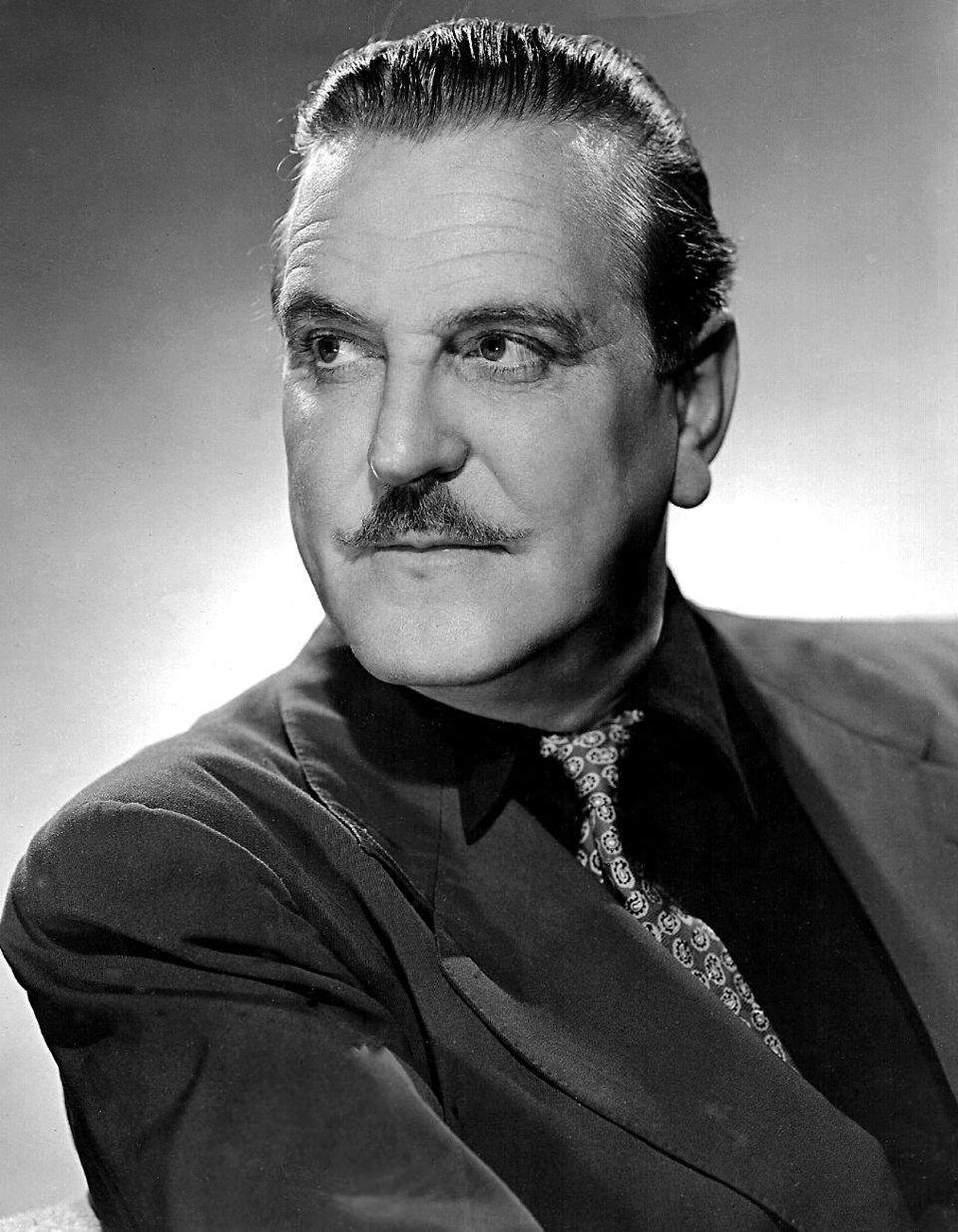
Konrad (Frank Morgan)
Played by Frank Morgan
A handsome meat-packing magnate who exudes charm and self-assurance. He is wealthy but morally lax, using his wit to seduce Luisa and manipulate those around him. His initial enchantment with Luisa gives way to frustration when reality disrupts his plans.
- 💼 wealthy
- 🕺 charming
- 💬 smooth-talker
- DM
Dr. Max Sporum (Herbert Marshall)
Played by Herbert Marshall
A principled, soft-spoken doctor whose kindness wins Luisa’s trust. He is mistaken for the 'husband' figure in Konrad’s scheme, yet he remains honest and compassionate. Their growing bond offers Luisa a chance at genuine partnership, even as circumstances threaten their future.
- 💉 doctor
- 💖 gentle
- 🧭 principled
-
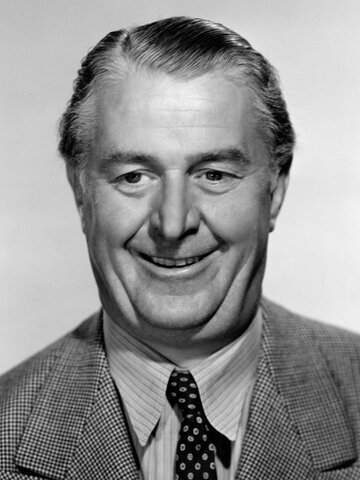
Detlaff (Reginald Owen)
Played by Reginald Owen
A worldly waiter who guides Luisa through the theatre’s social circles. He shelters her while also orchestrating events that reveal the gap between illusion and reality. Beneath a protective exterior lies a strategic arranger who believes in Luisa’s potential to do good.
- 🧭 mentor
- 🗺️ schemer
-
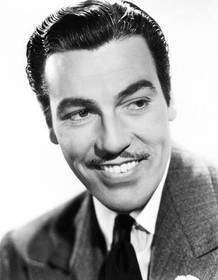
Joe (Cesar Romero)
Played by Cesar Romero
A bold, aggressive suitor who tries to push past Luisa’s boundaries. His advances trigger Luisa’s misidentification of Detlaff as her husband, catalyzing the night’s dramatic sequence. He serves as a foil to Luisa’s innocence, highlighting the dangers of the world she is entering.
- 💬 brash
Where and When Is The Good Fairy Set?
The Good Fairy is set in Budapest, Municipal Orphanage and Budapest movie palace (1930s). Here is why the time and place matter to the story.
When
1930s
Set in the interwar period, the story unfolds amid glamorous theaters, elegant parties, and social expectations in a European city. The era's charm masks a fragility of propriety and the moral tests faced by a young woman shaped by the orphanage's discipline. The environment invites both romance and wit as characters maneuver for advantage.
Where
Budapest, Municipal Orphanage, Budapest movie palace
Budapest serves as the bustling backdrop for Luisa's adventures, mixing grand theatre spaces with intimate corners of the city. The Budapest movie palace where she works anchors the social world she navigates, while the Municipal Orphanage grounds her moral compass. The city’s performances, parties, and salons reveal a society where appearances guide status.
- 🌆 Budapest
- 🎭 Movie palace
- 🏫 Municipal Orphanage
What Are the Themes of The Good Fairy?
3 ideas the story keeps returning to, among them Goodness, Deception and Love and Duty.
-
01
Goodness
Luisa's daily good deeds and her belief in making the world a better place drive the plot. Her innocence prompts others to reveal their true selves, from the flirtatious Konrad to the earnest Dr. Sporum. The idea of being a 'good fairy' becomes a running joke and a genuine moral test as her acts of kindness ripple through her surroundings. The film frames kindness as a catalyst for change, even when it complicates her own fortunes.
-
02
Deception
Social performance and mistaken identities propel the story. Luisa misreads adult relationships, while the men craft personas—Detlaff as protector, Konrad as pursuer—to influence outcomes. The 'good fairy' ruse hinges on lies that blur lines between magic and manipulation. The narrative uses humor to critique how appearances shape desire and opportunity.
-
03
Love and Duty
Romantic entanglements test loyalty and the meaning of fidelity. Luisa's affection for Dr. Sporum stands in contrast to Konrad's seduction and Detlaff's schemes. By choosing honesty and genuine connection over theatrical romance, she finds a path toward a modest, shared future. The good fairy motif reframes love as responsibility rather than entitlement.
What Kind of Film Is The Good Fairy?
Whimsical in tone, with steady pacing and a moderate story, going by the plot summary.
- Tone
- Whimsical
- Pacing
- Steady
- Story
- Moderate
- Intensity
- Low
- Ending
- Happy
A charming and whimsical romantic comedy that follows a naive young woman's gentle misadventures, creating a lighthearted and hopeful atmosphere filled with playful misunderstandings and innocent optimism.
- whimsical
- charming
- innocent
- playful
- gentle
- hopeful
- coming of age
- romantic entanglements
- innocence vs sophistication
- class differences
Content notes: lecherous behavior.
Quiz
How well do you remember The Good Fairy? Test yourself on the story.
Where to Watch The Good Fairy
. US availability and prices from JustWatch.
Streaming availability in the US, powered by 


