

- Born
- February 11, 1916
- Citizenship
- French
- Occupations
- literary editor, resistance fighter, left-wing political activist, author
- Years active
- 1940-1997
- Spouses
- Marguerite Duras
- Children
- 1
Dionys Mascolo's Career in Numbers
Dionys Mascolo's films in numbers — as an actor, not counting appearances as themselves: when they were made, the genres Dionys Mascolo works in most and the milestones along the way. The filmography runs from Jaune, Le Soleil (1971) to Flames (1978).
Dionys Mascolo Movies by Decade
- 1970s 8
Dionys Mascolo Movies by Genre
- Drama 4
- Comedy 1
- Romance 1
- Mystery 1
Drama is the genre Dionys Mascolo has worked in most, with 4 films, ahead of comedy (1).
Dionys Mascolo Career Milestones
- First film
- Jaune, Le Soleil 1971
- Biggest box office hit
- India Song $9.31K worldwide
- Newest film
- Flames 1978
Dionys Mascolo Filmography: Every Movie
Every film Dionys Mascolo is credited on, newest first, with the role, the box office and the Movie Echo Score. Re-order the list to see the best-rated films or the biggest hits first.
- 1978
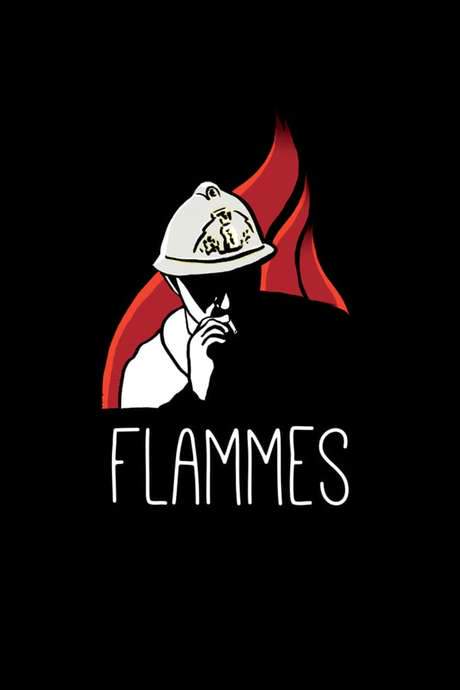 Flames as Le père de Barbara · Comedy
 - 1976
 Son nom de Venise dans Calcutta désert Drama
 - 1975
 India Song as Voix Intemporelle (voice) · Romance Worldwide box office: $9.31K
 - 1974
 My Little Loves as José Ramos · Drama
 - 1974
 Woman of the Ganges as Traveler · Drama
 - 1972
 Nathalie Granger as M. Granger · Drama
 - 1972
 Le Château de Pointilly as Le père
 - 1971
 Jaune, Le Soleil as Un juif · Mystery
Who Is Dionys Mascolo?
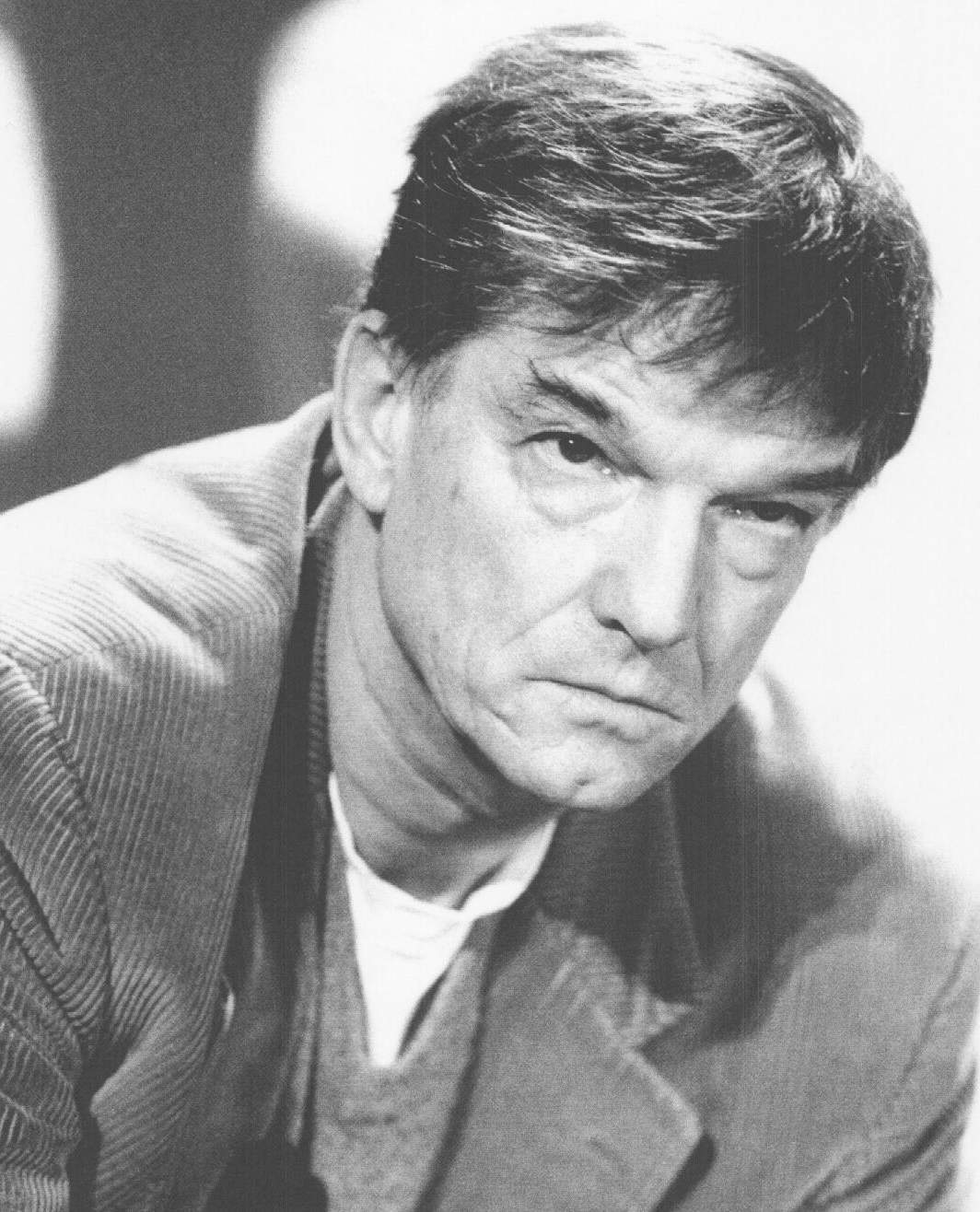
Dionys Mascolo was born in 1916. Credited on films since 1971, as an actor. The background, training and the roles that shaped the career.
Dionys Mascolo was a prominent French intellectual and political figure whose life spanned the turbulent decades of the twentieth century, leaving an indelible mark on literature, politics, and philosophy. Born on 11 February 1916 into a family of Italian immigrants, Mascolo was thrust into responsibility at a young age when his father's death forced him to support his family through various small jobs before finding his calling in the literary world. Shortly before the German occupation of France, the renowned publisher Gaston Gallimard hired him as a reader for Éditions Gallimard, where he became a central figure in the intellectual circles of the time, meeting influential writers such as Marguerite Duras and her then-husband Robert Antelme. During the dark years of the Occupation, Mascolo co-founded the groupe de la rue Saint-Benoît, a resistance collective that operated under the leadership of François Mitterrand, adopting the nom de guerre Lieutenant Masse to combat the Nazi forces. Following the liberation of France, he briefly aligned himself with the French Communist Party (PCF) in 1946, though his independent spirit led to his expulsion in 1949 for what the party deemed "behavior detrimental to the party," foreshadowing his lifelong commitment to intellectual autonomy over ideological conformity. After the war, he returned to Paris alongside figures such as Edgar Morin, continuing his engagement with the intellectual avant-garde that defined post-war French thought. Mascolo's personal life became inextricably linked with his literary pursuits when he married Marguerite Duras in Paris shortly after her divorce from Robert Antelme in 1947, with whom he had a son named Jean that same year, though the marriage ended in separation by 1956. His political activism intensified throughout the 1950s and 1960s, notably when he founded the journal Le 14 juillet in 1958 alongside Jean Schuster, creating a vocal platform for Anti-Gaullist sentiment during Charles de Gaulle's rise to power. As a vehement opponent of French colonialism, particularly the Algerian War, Mascolo courageously lent his signature to the historic Manifesto of the 121 in September 1960, risking his career and safety to denounce the government's military actions. As an author, he produced significant works exploring the intersection of communism, communication, and philosophy, drawing heavily from the ideas of Friedrich Nietzsche and Louis Antoine de Saint-Just while interrogating the complex role of intellectuals within revolutionary movements. His bibliography includes influential titles such as Le communisme. Révolution et communication (1953) and Autour d'un effort de mémoire (1987), cementing his legacy as a thinker who refused to separate artistic creation from political commitment until his death on 20 August 1997.
Who Dionys Mascolo Makes Movies With
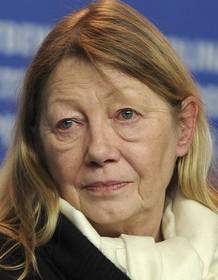
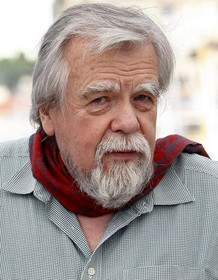
The actors and directors Dionys Mascolo shares the most films with. Françoise Lebrun comes first, with 4 films together, followed by Michael Lonsdale (3).
Dionys Mascolo: Questions & Answers
How many movies Dionys Mascolo has made, the biggest hit, the best-rated film, the award record and more, answered from the filmography above.
How many movies has Dionys Mascolo been in?
Dionys Mascolo is credited on 8 films, from 1971 to 1978. The filmography on this page lists every one of them, newest first, with the role and the Movie Echo Score.
What is Dionys Mascolo's highest-grossing movie?
India Song (1975) is Dionys Mascolo's biggest box office hit, with $9.31K worldwide. Across every film with box office figures, Dionys Mascolo's movies have made $9.31K.
Dionys Mascolo's biggest hits What is Dionys Mascolo's newest movie?
The most recent film on Dionys Mascolo's filmography is Flames (1978), in the role of Le père de Barbara.
Who does Dionys Mascolo work with most often?
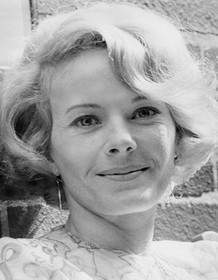
Dionys Mascolo shares the most films with Françoise Lebrun (4 films), Michael Lonsdale (3 films) and Delphine Seyrig (2 films).
The Best Dionys Mascolo Movies, Ranked
Top rated, most awarded and biggest box office hits from 8 credits.
Coming soon to your phone
The Plot Explained Movie Summary App
From blockbusters to hidden gems: plot summaries, endings explained and timelines on your phone. Save your favorites and never miss a twist again.
Be the first to know when it launches. Your email stays private, always. Learn more about the app
