

- Born
- August 14, 1897
- Birthplace
- Rome, Italy
- Citizenship
- Italian
- Occupations
- Actor
- Years active
- 1916-1945
Angelo Ferrari's Career in Numbers
Angelo Ferrari's films in numbers — as an actor, not counting appearances as themselves: when they were made, the genres Angelo Ferrari works in most and the milestones along the way. The filmography runs from Jealousy (1925) to Women Are No Angels (1943), and the 1930s were the busiest decade.
Angelo Ferrari Movies by Decade
- 1920s 2
- 1930s 3
- 1940s 3
The 1930s were Angelo Ferrari's busiest decade, with 3 films.
Angelo Ferrari Movies by Genre
- Drama 2
- Comedy 2
- War 2
- Romance 1
- Crime 1
Drama is the genre Angelo Ferrari has worked in most, with 2 films, ahead of comedy (2).
Angelo Ferrari Career Milestones
- First film
- Jealousy 1925
- Newest film
- Women Are No Angels 1943
Angelo Ferrari Filmography: Every Movie
Every film Angelo Ferrari is credited on, newest first, with the role, the box office and the Movie Echo Score. Re-order the list to see the best-rated films or the biggest hits first.
- 1943
 Melody of a Great City Drama
 - 1943
 Women Are No Angels Comedy
 - 1942
 The Great Love as Löwenbändiger · Romance
 - 1937
 The Man Who Was Sherlock Holmes as Gangster Fred im Expresszug · Crime
 - 1937
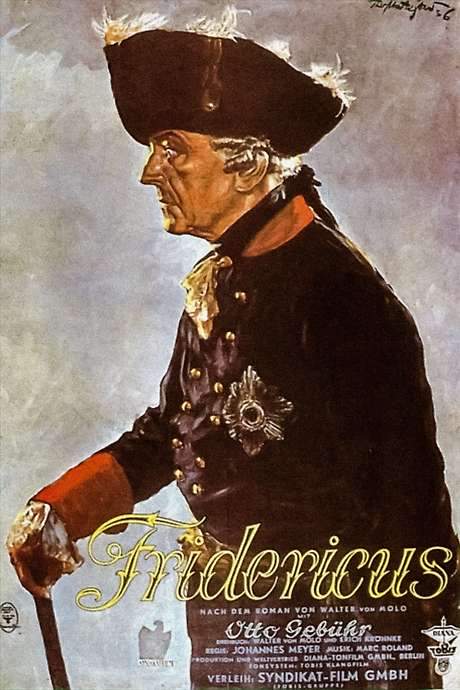 Fridericus as Französischer Colonel in Wien · War
 - 1931
 The Theft of the Mona Lisa as Italienischer Polizeikommissar · Drama
 - 1925
 Jealousy Comedy
 - 1925
 Cyrano de Bergerac as Baron Christian de Neuvillette · War
Who Is Angelo Ferrari?
Angelo Ferrari was born in Rome, Italy in 1897. Credited on films since 1925, as an actor. The background, training and the roles that shaped the career.
Angelo Ferrari was an Italian-born actor who carved out a significant niche for himself in the German film industry during the first half of the twentieth century, becoming one of the most prolific performers of his generation. Born on August 14, 1897, in the vibrant cultural landscape of Rome, Italy, Ferrari brought a distinct Mediterranean charisma and expressive physicality to his performances that distinguished him from his German contemporaries. His career commenced in 1916, during the twilight of World War I, launching him into the world of cinema at a time when the medium was still in its artistic infancy and silent films dominated the global market. Throughout the silent film era, Ferrari became an incredibly prolific presence on screen, appearing in dozens of productions that showcased his remarkable versatility and compelling screen presence. His early notable works included The Nude Woman (1922), The Green Manuela (1923), and Samson (1923), films that helped establish him as a reliable performer in the Weimar Republic's burgeoning film industry. As cinema transitioned to sound in the late 1920s, Ferrari adapted seamlessly, continuing to secure roles in an increasingly competitive landscape while maintaining his distinctive appeal. His filmography during the 1920s reads like a comprehensive index of Weimar cinema, with appearances in The Circus Princess (1925), The Golden Calf (1925), and Orient Express (1927), demonstrating his ability to navigate various genres from romance to adventure with equal finesse.
The 1930s and 1940s marked Ferrari's most intensive period of activity, as he became a staple of German cinema during a tumultuous historical epoch that saw the transition from the Weimar Republic to the Third Reich. His career persisted through dramatic political upheaval, with his output remaining remarkably consistent despite the increasing restrictions and ideological pressures placed upon the German film industry during the Nazi era. During these decades, he appeared in major productions such as The Love Express (1931), Victoria in Dover (1936), Tango Notturno (1937), and the controversial Condottieri (1937), working alongside many of the era's most prominent cinematic figures and directors. Even as World War II ravaged Europe and resources became scarce, Ferrari continued to act with remarkable dedication, completing roles in films like Diesel (1942), Attack on Baku (1942), and The Impostor (1944), maintaining his professional commitment until the very end of the conflict. Tragically, his life was cut short when he died on June 15, 1945, in Niederlehme, Germany, at the age of 47, just weeks after the war's conclusion in Europe and the surrender of Germany. His death marked the end of a nearly three-decade career that spanned over 100 films, leaving behind a complex legacy as one of the most industrious and recognizable character actors of German-language cinema's golden age.
Angelo Ferrari: Questions & Answers
How many movies Angelo Ferrari has made, the biggest hit, the best-rated film, the award record and more, answered from the filmography above.
How many movies has Angelo Ferrari been in?
Angelo Ferrari is credited on 8 films, from 1925 to 1943. The filmography on this page lists every one of them, newest first, with the role and the Movie Echo Score.
What is Angelo Ferrari's newest movie?
The most recent film on Angelo Ferrari's filmography is Melody of a Great City (1943).
The Best Angelo Ferrari Movies, Ranked
Top rated, most awarded and biggest box office hits from 8 credits.
Coming soon to your phone
The Plot Explained Movie Summary App
From blockbusters to hidden gems: plot summaries, endings explained and timelines on your phone. Save your favorites and never miss a twist again.
Be the first to know when it launches. Your email stays private, always. Learn more about the app
