Widow Clicquot 2024


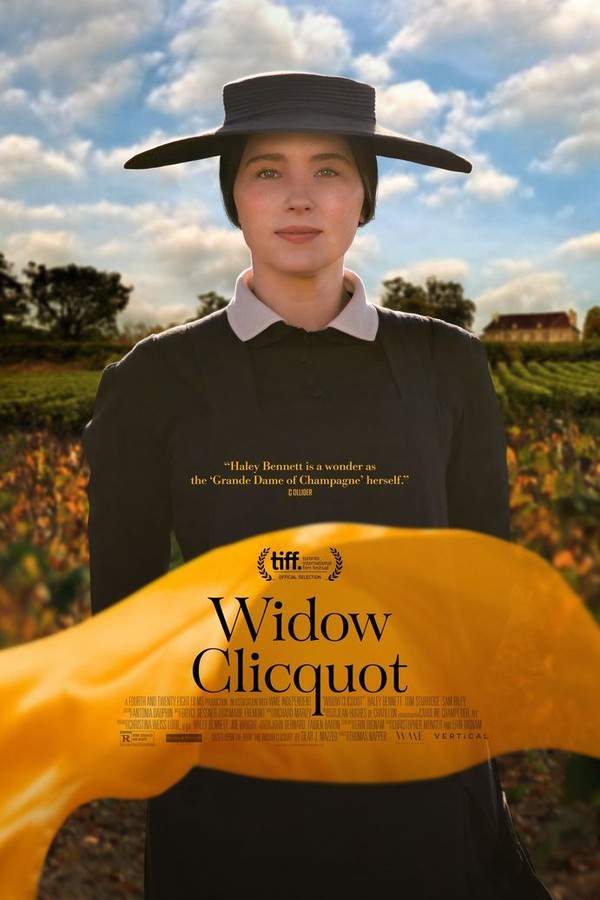
The story follows Barbe-Nicole Ponsardin, known as Widow Clicquot, as she builds a champagne empire in the late 1700s. Facing significant challenges and breaking through societal barriers, she demonstrates remarkable resilience and ingenuity in establishing a lasting legacy.


Does Widow Clicquot have end credit scenes?
No!
Widow Clicquot does not have end credit scenes. You can leave when the credits roll.
Where to Watch Widow Clicquot
See current US streaming, rental, and purchase options for Widow Clicquot (2024) via JustWatch.

Amazon Prime Video
HD
Amazon Prime Video with Ads
HD
The Roku Channel
HD
Amazon Video
SD
Apple TV Store
4K
Fandango At Home
SD
Google Play Movies
SD
Spectrum On Demand
HD
YouTube
SDStreaming availability powered by 
Meet the Full Cast and Actors of Widow Clicquot
Explore the complete cast of Widow Clicquot, including both lead and supporting actors. Learn who plays each character, discover their past roles and achievements, and find out what makes this ensemble cast stand out in the world of film and television.

Sam Riley
Louis Bohne

Nicholas Farrell
Jean-Remy Moet
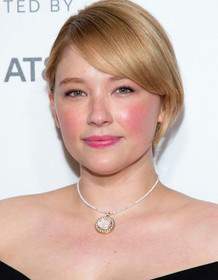
Haley Bennett
Barbe Nicole

Tom Sturridge
François

Paul Rhys
Droite

Ben Miles
Philippe

Cara Seymour
Jeanne-Marie Ponsardin
Mark Tandy
Magistrate #1
Anson Boon
Edouard
Phoebe Nicholls
Marie-Catherine Clicquot
Christopher Villiers
Nicolas Ponsardin
Leo Suter
Georges
Cecily Cleeve
Clementine
Natasha O'Keeffe
Anne
Chris Larkin
Muller
Ian Conningham
Paquet
Joseph Rapp
The Priest
Antoine Blanquefort
Magistrate #2
External Links and Streaming Options
Discover where to watch Widow Clicquot online, including streaming platforms, rental options, and official sources. Compare reviews, ratings, and in-depth movie information across sites like IMDb, TMDb, Wikipedia or Rotten Tomatoes.










Ratings and Reviews for Widow Clicquot
See how Widow Clicquot is rated across major platforms like IMDb, Metacritic, and TMDb. Compare audience scores and critic reviews to understand where Widow Clicquot stands among top-rated movies in its genre.

The Movie Echo Score
Overall, Widow Clicquot delivers striking visual and performance strengths but struggles with an uneven narrative structure. The film’s richly shot landscapes and period production design earn consistent praise, and Haley Bennett’s portrayal is widely regarded as compelling and emotionally resonant. However, several reviews note that the pacing and storytelling shift unevenly between romance and business narrative, which can undercut engagement. In net effect, the movie’s artistry and central performance give it appeal, even as its narrative inconsistencies temper its overall impact.
The Movie Echo Score Breakdown for Widow Clicquot

Art & Craft
In terms of art and craft, the film’s period production design and cinematography stand out as clear assets. Critics highlight the dusky earth tones and poem-like visual sensibility that sustain a cohesive tone of mystery. The richly shot rolling landscapes and attention to period detail elevate the viewing experience. Overall, Widow Clicquot’s visual craftsmanship consistently supports its historical setting and thematic ambitions.

Character & Emotion
When it comes to character and emotion, Haley Bennett’s performance anchors the film with a nuanced portrayal of strength and perseverance. Reviews note her ability to convey romance, grief, and determination through measured expressions. Emotional intelligence in supporting roles also contributes to audience connection. Despite occasional critiques of subdued chemistry, the central characterization maintains a resonant emotional core throughout.

Story & Flow
Story and flow in Widow Clicquot receive mixed responses, balancing ambitious scope with episodic pacing. Some appreciate the poem-like structure and the integration of business and romance beats, while others find the timeline shifts and bureaucratic elements disrupt coherence. Several critics mention that the narrative meanders in the second half and lacks a definitive momentum. Ultimately, the film’s storytelling ambition is evident but unevenly realized.

Sensory Experience
In terms of sensory experience, the film excels with its richly textured visual style and immersive sound design. The dusky color palette and period-appropriate soundtrack reinforce the historical milieu, and outdoor sequences underscore the Champagne landscape. While some viewers note a relative lack of varied settings, the cohesive audiovisual presentation consistently enhances the film’s tone and thematic resonance. Overall, the sensory design is a strong suit.

Rewatch Factor
Regarding rewatch factor, Widow Clicquot offers moments of visual splendor and strong central performance that could reward repeat viewings. The detailed period elements and nuanced portrayal keep the film engaging on subsequent watches. However, the uneven pacing and narrative shifts may limit its long-term appeal for some audiences. In sum, its aesthetic and performance highlights lend it moderate replay value despite narrative inconsistency.

65
Metascore
5.9
User Score


79%
TOMATOMETER

82%
User Score

6.3 /10
IMDb Rating
67
%
User Score

/5
Full Plot Summary and Ending Explained for Widow Clicquot
Read the complete plot summary of Widow Clicquot, including all major events, twists, and the full ending explained in detail. Explore key characters, themes, hidden meanings, and everything you need to understand the story from beginning to end.
In Napoleonic France, Barbe-Nicole Ponsardin Clicquot, Haley Bennett, is widowed by the early death of her husband François, an unsuccessful winemaker. Instead of selling off the vineyards, she resolves to use her own money to revive the flailing winery, determined to honor his memory and keep the lineage intact. She confronts a world that underestimates a woman’s claim to a thriving business, and she refuses to walk away from the land that defined their family.
Her bold vision leads her to adopt unconventional planting techniques, a move that invites skepticism from workers and from her father-in-law Philippe, who doubts whether radical methods can ever yield reliable results. Yet Barbe-Nicole remains steadfast, blending practical grit with a steady flair for experimentation, slowly reshaping the winery’s fate even as the pressures of war and embargoes tighten around them. She envisions a sparkling product that could rewrite their fortunes, and the idea of a pink champagne starts to crystallize in her plans.
The breakthrough comes when the wine gains the attention of the Clicquots’ friend, wine merchant Louis Bohne, Sam Riley. Together, they dream of reaching markets that have long resisted Napoleon’s strict embargoes. Their collaboration becomes a daring partnership, as they work to smuggle the new creation to Amsterdam, hoping to spark demand in a city hungry for novelty and luxury despite the political strain. The venture embodies a defiant optimism, a belief that quality can outpace restrictions.
But the voyage from bottle to market is perilous. The Amsterdam shipment is lost, a devastating setback that tests Barbe-Nicole’s resolve. To keep the winery afloat, she begins selling off personal possessions and shrinking the household to conserve every resource. Yet resilience is a deeply rooted habit by now, and soon Louis finds a path for a portion of the product to reach Russia, where the wine’s sweetness and charm win admirers in a climate far from home. This new frontier proves pivotal, especially as it unfolds in the lead-up to the Great Comet of 1811, a celestial omen that seems to echo the turning tides of the era.
With Napoleon finally exiled, the political chaos loosens its grip on trade and new opportunities emerge. Barbe-Nicole and Louis press their advantage, expanding sales in Russia more earnestly and with greater ambition than before. The wine’s reputation grows, and what began as a stubborn attempt to preserve a family legacy blossoms into a burgeoning business that spans continents and seasons of uncertainty.
Yet success draws scrutiny. Barbe-Nicole’s ascent unsettles many of her male peers, who challenge her authority in a system that has long constrained women from owning or steering a business of such scale. She faces a courtroom trial grounded in a law designed to prevent women from owning enterprises. Her accusers argue that her unwillingness to marry Louis—viewed as the social norm of the time—allows her to continue controlling the business as a widow. In response, Barbe-Nicole delivers a pointed rebuke, defending her autonomy and the merit of her work with a clarity that resonates beyond the courtroom.
Louis publicly declares his devotion, proposing marriage as a personal and professional alliance, but Barbe-Nicole remains resolute in her choice to chart her own path. She rejects the proposal, asserting that her commitment to the winery must stand on its own terms, free from pressure or expectation. The confrontation becomes a defining moment, crystallizing her as a figure who navigates tradition and autonomy with quiet, unwavering authority.
As the narrative moves toward its close, epistolary and card-based epilogues reveal the lasting arc of her decision. Barbe-Nicole never remarries, and the winery endures as a testament to a founder who steered it through crisis and skepticism alike. The story closes with the foreshadowing of a dynasty: the Veuve Clicquot champagne house rises from these early trials to become a lasting emblem of resilience, ingenuity, and a woman’s enduring influence on an industry long shaped by men.

Coming soon on iOS and Android
The Plot Explained Mobile App
From blockbusters to hidden gems — dive into movie stories anytime, anywhere. Save your favorites, discover plots faster, and never miss a twist again.
Sign up to be the first to know when we launch. Your email stays private — always.
Explore the mobile appWatch Trailers, Clips & Behind-the-Scenes for Widow Clicquot
Watch official trailers, exclusive clips, cast interviews, and behind-the-scenes footage from Widow Clicquot. Dive deeper into the making of the film, its standout moments, and key production insights.
Widow Clicquot Themes and Keywords
Discover the central themes, ideas, and keywords that define the movie’s story, tone, and message. Analyze the film’s deeper meanings, genre influences, and recurring concepts.
Widow Clicquot Other Names and Titles
Explore the various alternative titles, translations, and other names used for Widow Clicquot across different regions and languages. Understand how the film is marketed and recognized worldwide.
Similar Movies To Widow Clicquot You Should Know About
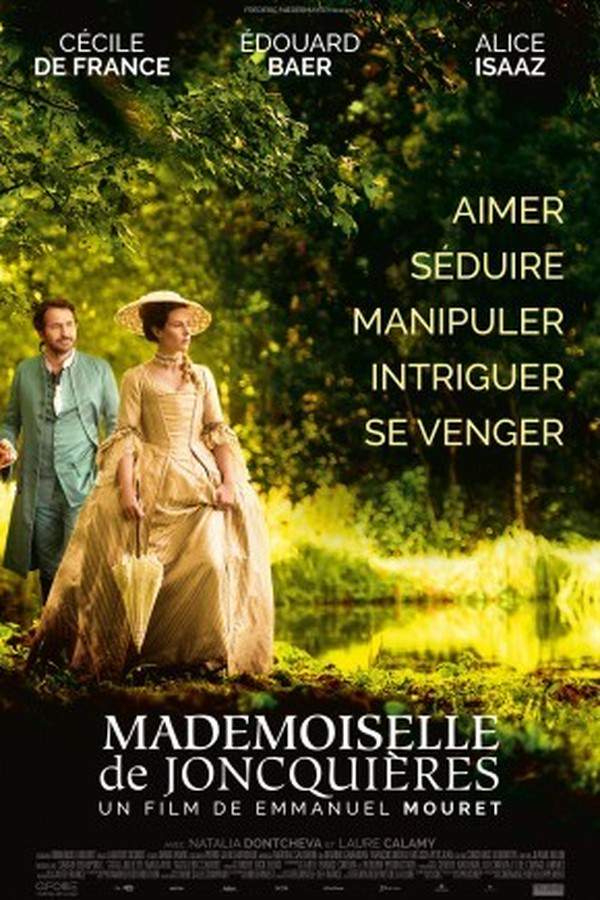
Browse a curated list of movies similar in genre, tone, characters, or story structure. Discover new titles like the one you're watching, perfect for fans of related plots, vibes, or cinematic styles.





Quick Links: Summary, Cast, Ratings, More

What's After the Movie?
Not sure whether to stay after the credits? Find out!
Check out our other apps:

SAT Sphere
Build confidence for the Digital SAT.

Mori Atlas
Discover wild places worth protecting.

Luntero
Search smarter for a home in Amsterdam.

Plot Explained
Unravel movie endings and hidden clues.

Pokechamp
Dive into Pokémon data and battle logic.

Driving Theory
Get ready for your European theory test.

Movie Dust
Plan your next cinema trip with ease.

Musemap
Find art and culture as you travel.

Selkobase
Compare credentials before committing.

Local Manual
Turn an unfamiliar country into practical next steps.

Lernavi
Compare school systems before your next move.

GymRoam
Find a workout stop wherever your plans take you.
Explore Our Movie Platform
New Movie Releases (2026)
Famous Movie Actors
Top Film Production Studios
Movie Plot Summaries & Endings
Major Movie Awards & Winners
Best Concert Films & Music Documentaries
Movie Collections and Curated Lists
© 2026 What's After the Movie. All rights reserved.
Privacy Policy