Where the Spirit Lives 1989


A moving tribute to a young First Nations girl’s courage. In 1937, Ashtecome and other children are kidnapped under a Canadian policy to erase Indigenous culture. At a boarding school she faces brutal pressure to adopt Western ways and English. A sympathetic white teacher helps, and Ashtecome—renamed Amelia—holds fast to her identity and her siblings'.


Does Where the Spirit Lives have end credit scenes?
No!
Where the Spirit Lives does not have end credit scenes. You can leave when the credits roll.
Meet the Full Cast and Actors of Where the Spirit Lives
Explore the complete cast of Where the Spirit Lives, including both lead and supporting actors. Learn who plays each character, discover their past roles and achievements, and find out what makes this ensemble cast stand out in the world of film and television.
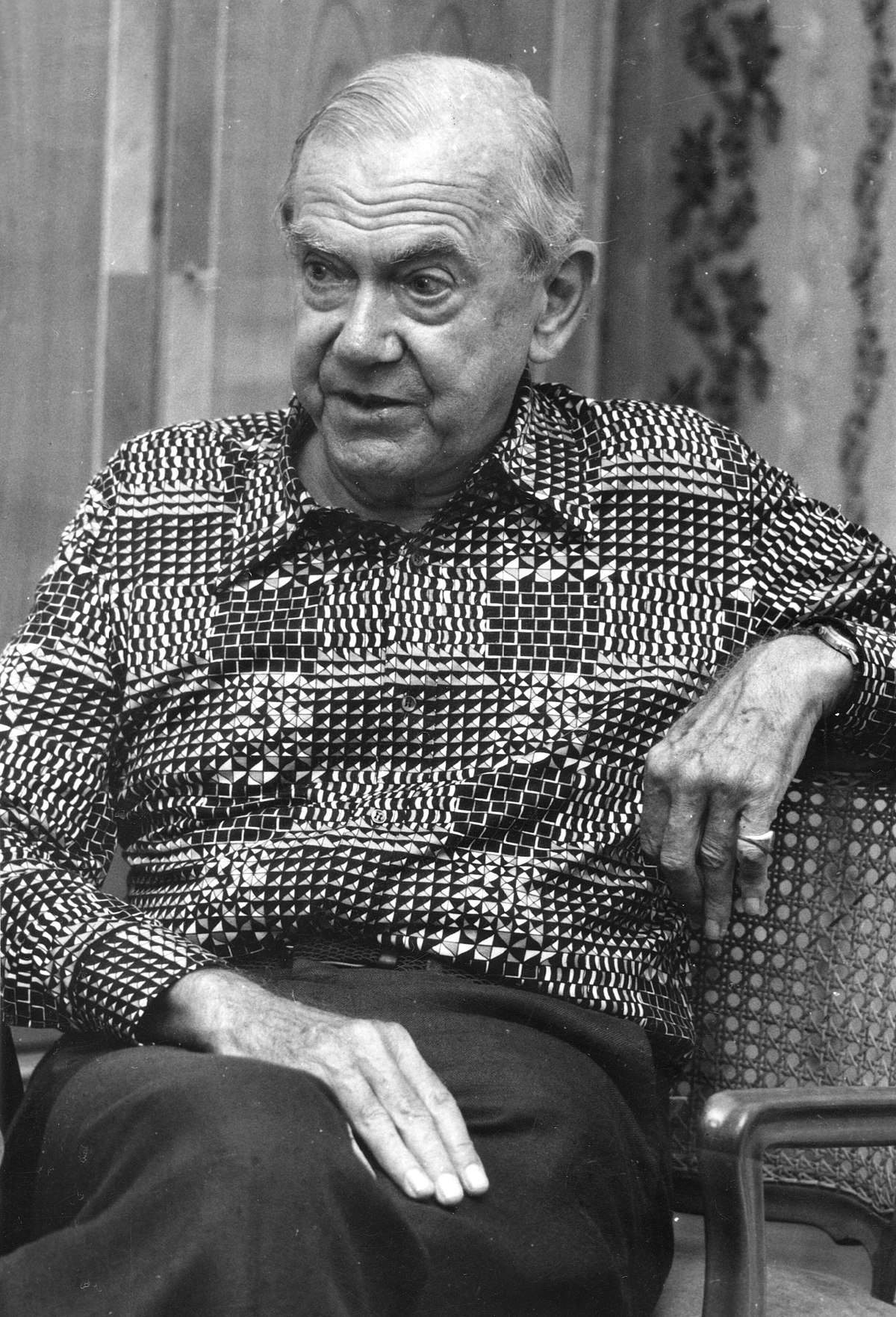
Graham Greene
Komi's Father

David Hemblen
Reverend Buckley
Ron White
Taggart
Michelle St. John
Komi / Amelia
Sam Malkin
Mr. Crawford
Ann-Marie MacDonald
Kathleen
Patricia Collins
Mrs. Barrington
Sarah Williams
Ruth
Marianne Jones
Komi's Mother
Chapelle Jaffe
Miss Appleby
Doris Petrie
Miss Weir
Barbara Wheeldon
Matron
John Friesen
Mr. Babcock
Clayton Julian
Pita / Abraham
Gus Chief Moon
Ka - moos - ee
Kim Bruisedhead Fox
Anataki
Margaret Cozry
Grandmother
Marge Fox
Anataki's Mother
Sean Mulcahy
Priest
Tina Louise Bomberry
Asst. Supervisor #2
Heather Hess
Rachel
Cynthia Debassige
Esther
Franklin Doss
George
Darlene Shilling
Rose
Margaret Martina
Sarah
Rudy Medicine Crane
Rachel's Mother
External Links and Streaming Options
Discover where to watch Where the Spirit Lives online, including streaming platforms, rental options, and official sources. Compare reviews, ratings, and in-depth movie information across sites like IMDb, TMDb, Wikipedia or Rotten Tomatoes.





Full Plot Summary and Ending Explained for Where the Spirit Lives
Read the complete plot summary of Where the Spirit Lives, including all major events, twists, and the full ending explained in detail. Explore key characters, themes, hidden meanings, and everything you need to understand the story from beginning to end.
Ashtoh-Komi is abducted in 1937 along with several other children as part of a Canadian policy to remove Indigenous kids from their families and educate them in Euro-Canadian ways. Taken to a harsh boarding school, she is forced to shed her language, customs, and identity, learning English and Western dress while facing strict discipline and an atmosphere that values conformity over culture. The atmosphere is cold and unforgiving, and Komi finds herself peering through the walls of a system designed to erase who she is.
One night, driven by a stubborn will to survive and a desire to stay with her little brother, Pita she hatches a plan to flee. The escape attempt is bold but brief in its success; the siblings are quickly pursued by the school’s Indian Agent, Taggart, who seizes the moment to haul them back and reinforce the punishment that awaits. Back inside, Komi’s spirit buckles under the weight of regimentation, isolation, and the sense that the world she knew is slipping away.
Amid the tension, a lifeline appears in the form of a sympathetic ally. Rachel, one of Komi’s few friends among the students, speaks up for her and pleads with the teachers to grant a reprieve, offering to help by teaching Komi how to behave. This flicker of kindness stands in stark contrast to the prevailing bigotry and rigidity that dominate daily life at the school, hinting at a possibility for something more humane within the system.
A pivotal figure in Komi’s journey is Kathleen Gwillimbury, a teacher who sees through the flaws and cruelty around her. Kathleeen’s empathy grows into a real partnership: she begins giving Komi English lessons and, in a remarkable exchange, learns Kainai words from Komi in return for teaching her the English equivalents. This two-way cultural dialogue becomes the heart of their bond, turning the classroom into a place of mutual discovery rather than punishment. Through these lessons, Komi begins to adapt to the school environment without losing the core of who she is, and the relationship helps her to navigate a world that wants to redefine her.
As the bond deepens, Komi embraces a new identity—Amelia—while her understanding of language and culture evolves. The bilingual exchange accelerates her English proficiency, and she finds a way to participate more fully in the school’s life, all the while gripping tightly to her Kainai roots. The journey is not linear, and the film does not shy away from the harsh realities of colonial education, but it is underscored by moments of genuine connection, learning, and resilience.
The turning point comes when the teachers’ lie about her parents’ death is revealed, shattering the illusion that her family is gone and prompting Komi to seize a final chance at freedom. Her escape, achieved on her own terms this time, marks a courageous assertion of autonomy and identity. In the end, the film portraits a quiet triumph: a young girl who refuses to surrender her heritage, who learns and grows through kindness and difficult conversations, and who finds a path to a future where she can be both true to herself and open to the world around her.
In this powerful, intimate portrayal, the story explores the tension between assimilation and identity, the potential for compassionate teachers to change lives, and the enduring strength of a child who refuses to be erased. It’s a portrait of endurance, tenderness, and the slow, nuanced reform that can arise when understanding eclipses prejudice.

Coming soon on iOS and Android
The Plot Explained Mobile App
From blockbusters to hidden gems — dive into movie stories anytime, anywhere. Save your favorites, discover plots faster, and never miss a twist again.
Sign up to be the first to know when we launch. Your email stays private — always.
Explore the mobile appDiscover Film Music Concerts Near You – Live Orchestras Performing Iconic Movie Soundtracks
Immerse yourself in the magic of cinema with live orchestral performances of your favorite film scores. From sweeping Hollywood blockbusters and animated classics to epic fantasy soundtracks, our curated listings connect you to upcoming film music events worldwide.
Explore concert film screenings paired with full orchestra concerts, read detailed event information, and secure your tickets for unforgettable evenings celebrating legendary composers like John Williams, Hans Zimmer, and more.


Where the Spirit Lives Themes and Keywords
Discover the central themes, ideas, and keywords that define the movie’s story, tone, and message. Analyze the film’s deeper meanings, genre influences, and recurring concepts.
Where the Spirit Lives Other Names and Titles
Explore the various alternative titles, translations, and other names used for Where the Spirit Lives across different regions and languages. Understand how the film is marketed and recognized worldwide.
Similar Movies To Where the Spirit Lives You Should Know About
Browse a curated list of movies similar in genre, tone, characters, or story structure. Discover new titles like the one you're watching, perfect for fans of related plots, vibes, or cinematic styles.





Quick Links: Summary, Cast, Ratings, More

What's After the Movie?
Not sure whether to stay after the credits? Find out!
Check out our other apps:

SAT Sphere
Build confidence for the Digital SAT.

Mori Atlas
Discover wild places worth protecting.

Luntero
Search smarter for a home in Amsterdam.

Plot Explained
Unravel movie endings and hidden clues.

Pokechamp
Dive into Pokémon data and battle logic.

Driving Theory
Get ready for your European theory test.

Movie Dust
Plan your next cinema trip with ease.

Musemap
Find art and culture as you travel.

Selkobase
Compare credentials before committing.

Local Manual
Turn an unfamiliar country into practical next steps.

Lernavi
Compare school systems before your next move.

GymRoam
Find a workout stop wherever your plans take you.
Explore Our Movie Platform
New Movie Releases (2026)
Famous Movie Actors
Top Film Production Studios
Movie Plot Summaries & Endings
Major Movie Awards & Winners
Best Concert Films & Music Documentaries
Movie Collections and Curated Lists
© 2026 What's After the Movie. All rights reserved.
Privacy Policy