Western Religion 2015


In 1879, skilled gunfighters from around the world gather in the Arizona town of Religion to participate in a renowned poker tournament. Attracted by a substantial gold prize, these players soon discover that the stakes are far higher than money; their very souls are on the line in this high-stakes competition.


Does Western Religion have end credit scenes?
No!
Western Religion does not have end credit scenes. You can leave when the credits roll.
Meet the Full Cast and Actors of Western Religion
Explore the complete cast of Western Religion, including both lead and supporting actors. Learn who plays each character, discover their past roles and achievements, and find out what makes this ensemble cast stand out in the world of film and television.

Claude Duhamel
Anton Stice
Stig Eldred
Homesteader
Peter Sherayko
Southern Bill
Jen Kuhn
Two-face Tilly
Peter Shinkoda
Chinaman Dan
James Anthony Cotton
Harvard Gold
Merik Tadros
Prince Zain Mohammed
Ardeshir Radpour
Cowboy
Jonathan Erickson Eisley
Railroad Man
Miles Szanto
Waylin Smith
Buddy Daniels Friedman
Outlaw
External Links and Streaming Options
Discover where to watch Western Religion online, including streaming platforms, rental options, and official sources. Compare reviews, ratings, and in-depth movie information across sites like IMDb, TMDb, Wikipedia or Rotten Tomatoes.






Take the Ultimate Western Religion Movie Quiz
Challenge your knowledge of Western Religion with this fun and interactive movie quiz. Test yourself on key plot points, iconic characters, hidden details, and memorable moments to see how well you really know the film.
Western Religion Quiz: Test your knowledge of the 2015 western film Western Religion with these ten questions ranging from easy to challenging.
Who hosts the first annual poker tournament in the town of Religion?
Full Plot Summary and Ending Explained for Western Religion
Read the complete plot summary of Western Religion, including all major events, twists, and the full ending explained in detail. Explore key characters, themes, hidden meanings, and everything you need to understand the story from beginning to end.
In Religion, Arizona, a harsh desert town becomes the stage for a high-stakes poker tournament where players gamble more than money—they stake their souls on the turn of a card. The film opens in 1879 with a mosaic of quick, interwoven glimpses that tease the backstories of the core players. The gunslinger Claude Duhamel as Anton Stice moves through this world with a shadowed past, having already killed four men over a seemingly petty insult. Nearby, Peter Shinkoda plays Chinaman Dan, a wanted bank robber whose presence signals that the game will draw danger as well as fortune. A third figure, Salt Peter, brings a sly, dapper energy to the tent city of Religion, all while a backdrop of dust, heat, and the clink of poker chips sets the mood.
At the center of this convergence is Harvard Gold, the town entrepreneur who hosts the “first annual” poker game as a clever way to drum up business and thrust Religion onto the map. The event is documented by Edward James of the New York Times, providing a modern observer’s lens on a frontier spectacle. The Last Chance Saloon serves as the tournament’s nerve center, its doors open to a procession of hopefuls and misfits who have traveled far for a taste of luck and legend. Among them are Waylin Smith, a spiritual “half injun” joined by his Apache guide, and a magician named Raven McCabe whose tricks hint at a world just beyond the fold of the cards. A carpenter named Bobby Shea rounds out the rough-and-tumble crowd, while Bootstrap Bess—the formidable madam of Bill’s house—has her own sharp interests in the prize: a large, ornate cross forged of pure gold.
The stage is set, the stakes are colossal, and the air crackles with competing ambitions. The Last Chance Saloon becomes a crucible where alliances form and fractures appear in equal measure, as the dozens of gold seekers collide under the watchful eye of Religion’s rough-hewn hospitality. The cross that Bootstrap Bess yearns to claim stands not merely as a trophy but as a symbol of what each player believes they deserve or fear to lose. As the tournament unfolds, the crowd watches the dynamic between Anton Stice and his fellow competitors tighten, their tensions bubbling toward a tipping point that could redefine what each man is willing to risk for glory—or redemption.
Among the players, Anton Stice moves with a studied, almost clinical charm, approaching each opponent with a proposition—offering the cross as if it were his to bestow. Yet a subtler current threads through the proceedings: Saint John, a reformed outlaw turned itinerant preacher, hints at a reckoning to come. The potential for old sins to resurface adds a layer of moral gravity to every hand dealt and every bluff uttered in the dim glow of lamps and the hum of whispered bets. The tournament is never merely about winning; it is about the possibility that one’s fate can be redirected by a moment of risk in a town where every decision feels like a vote on the soul.
As the cards fly and tempers flare, the film keeps its focus on the psychology of competition—the way men posture, negotiate, and press their luck when the reward is a gold cross that gleams with more weight than mere currency. The interplay between Stice’s threatening confidence, Dan’s wary evasions, and Gold’s strategic manipulations creates a layered, slow-burn tension that sustains the narrative beyond the surface spectacle of a frontier poker game. The atmosphere—dusty, tense, and ripe with possibility—invites viewers to consider what it truly means to win when every victory carries a cost and every loss threatens to redefine who you are.
In the end, the story offers a meditation on ambition, fate, and the uneasy line between redemption and ruin. The poker table in Religion is portrayed not just as a place to win wealth, but as a stage where choices ripple outward, reshaping lives and futures in ways that linger long after the final hand is sealed. The characters—bound by pasts, present wagers, and an uncertain future—remain vividly drawn as their fates converge, one card at a time, under the unforgiving glare of a desert sun.

Coming soon on iOS and Android
The Plot Explained Mobile App
From blockbusters to hidden gems — dive into movie stories anytime, anywhere. Save your favorites, discover plots faster, and never miss a twist again.
Sign up to be the first to know when we launch. Your email stays private — always.
Explore the mobile appWatch Trailers, Clips & Behind-the-Scenes for Western Religion
Watch official trailers, exclusive clips, cast interviews, and behind-the-scenes footage from Western Religion. Dive deeper into the making of the film, its standout moments, and key production insights.
Western Religion Themes and Keywords
Discover the central themes, ideas, and keywords that define the movie’s story, tone, and message. Analyze the film’s deeper meanings, genre influences, and recurring concepts.
Western Religion Other Names and Titles
Explore the various alternative titles, translations, and other names used for Western Religion across different regions and languages. Understand how the film is marketed and recognized worldwide.
Similar Movies To Western Religion You Should Know About
Browse a curated list of movies similar in genre, tone, characters, or story structure. Discover new titles like the one you're watching, perfect for fans of related plots, vibes, or cinematic styles.
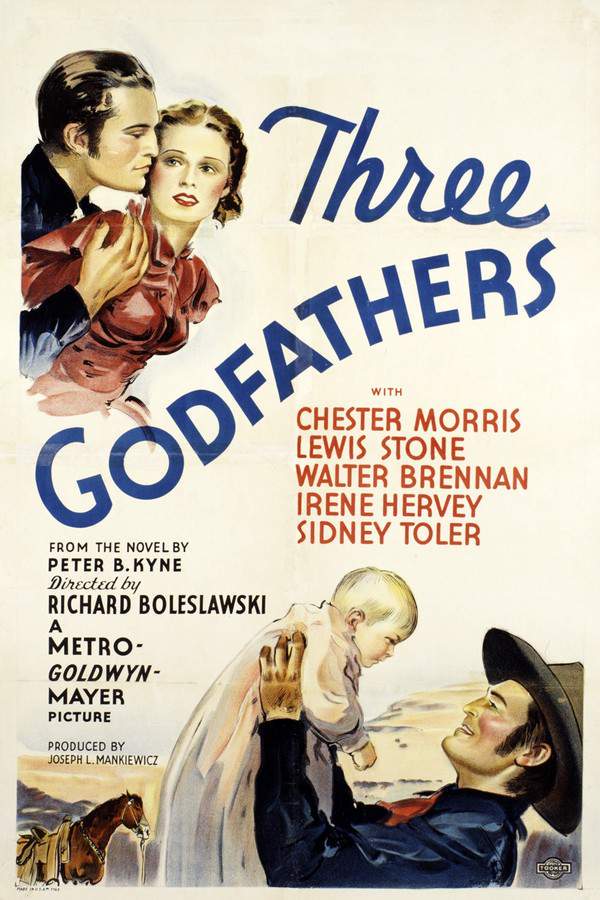


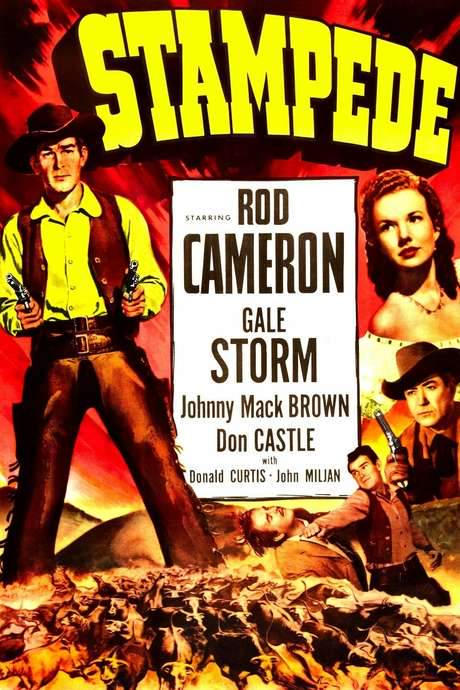


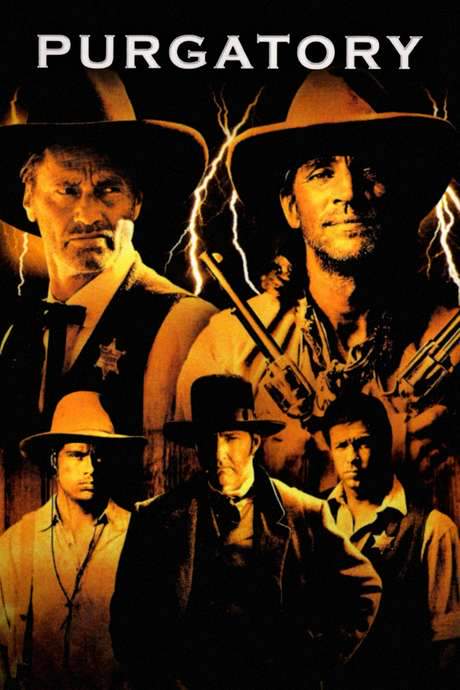
Quick Links: Summary, Cast, Ratings, More

What's After the Movie?
Not sure whether to stay after the credits? Find out!
Check out our other apps:

SAT Sphere
Build confidence for the Digital SAT.

Mori Atlas
Discover wild places worth protecting.

Luntero
Search smarter for a home in Amsterdam.

Plot Explained
Unravel movie endings and hidden clues.

Pokechamp
Dive into Pokémon data and battle logic.

Driving Theory
Get ready for your European theory test.

Movie Dust
Plan your next cinema trip with ease.

Musemap
Find art and culture as you travel.

Selkobase
Compare credentials before committing.

Local Manual
Turn an unfamiliar country into practical next steps.

Lernavi
Compare school systems before your next move.

GymRoam
Find a workout stop wherever your plans take you.
Explore Our Movie Platform
New Movie Releases (2026)
Famous Movie Actors
Top Film Production Studios
Movie Plot Summaries & Endings
Major Movie Awards & Winners
Best Concert Films & Music Documentaries
Movie Collections and Curated Lists
© 2026 What's After the Movie. All rights reserved.
Privacy Policy