
Uproar (2024): Cast, Ratings, Box Office & Ending

Uproar is a 2024 drama directed by Paul Middleditch and Hamish Bennett, starring Minnie Driver as Shirley Waaka, Julian Dennison and James Rolleston. It runs 1 hour 50 minutes and earned $768,664 worldwide on a $7 million budget. Critics gave it 100% on Rotten Tomatoes.
- Released
- Runtime
- 1h 50m (110 min)
- Directors
- Paul Middleditch and Hamish Bennett
- Genre
- Drama
- Original language
-
 English
 - Studio
- Firefly Films
- Budget
- $7M
- After the credits
- No No extra scene
What Is Uproar About?
The premise of Uproar without spoilers. The whole story and the ending explained are in the plot summary further down.
In 1981 New Zealand, the visit of a South African rugby team ignites passionate protests against racism. As the nation grapples with the controversy, seventeen-year-old Josh Waaka finds his previously sheltered existence challenged. He is forced to examine his own identity, his family's history, and the path he must forge for himself amidst the escalating unrest.
Uproar Themes & Keywords
· 41 tags- new zealand
- year 1981
- rugby
- student
- teenage boy
- 1980s
- dunedin
- 17 year old
- 17 year old boy
- maori
- mother son relationship
- springboks
+29 more Show fewer
- south african
- apartheid
- protest
- schoolboy
- overweight teenager
- rugby player
- teenage protagonist
- rugby team
- reference to apartheid in south africa
- police brutality
- drama competition
- anti apartheid movement
- video audition
- haka
- brothers relationship
- mother sons relationship
- widow young son relationship
- coming of age
- school
- gay slur
- protest march
- boy wears eyeglasses
- teacher
- drama club
- school uniform
- racism
- long haired male
- biracial
- overweight
Uproar Cast & Characters
Minnie Driver leads the cast as Shirley Waaka, with Julian Dennison as Josh Waaka and James Rolleston as Jamie Waaka. Directed by Paul Middleditch and Hamish Bennett; 20 actors are credited in all.
- Co-director Paul Middleditch
- Co-director Hamish Bennett
-
 Minnie Driver as Shirley Waaka
 -
 Julian Dennison as Josh Waaka
 -
 James Rolleston as Jamie Waaka
 - Mark Mitchinson as Principal Slane
Also Starring in Uproar
· 16 more- Rhys Darby Madigan
- Erana James Samantha
- Mabelle Dennison Tui
- Byron Coll Bullivant
- Craig Hall Drybergh
- John Leigh
- Milo Cawthorne
- Ascia Maybury Mrs. MacMenigall
- Hannah Marshall Deborah
- Leonard Mathews
- Troy Kingi
- Jeff Szusterman
- Jack Tyler Ted
- Dan Eady Man 2
- Marris Collins
- Mana Hira Davis
Uproar Reviews & Ratings
Critics gave Uproar 100% on Rotten Tomatoes. Our Echo Score gives it 83/100, strongest in character & emotion (85) and weakest in story & flow (72).
Uproar Echo Score Breakdown
The film’s primary strength lies in its earnest portrayal of youthful activism, supported by a warm, well‑executed period setting. Critics note competent direction and production design that anchor the narrative, while several reviewers cite occasional tonal shifts and predictable moments as minor drawbacks. Performances, especially by the lead, elevate the emotional core. Consequently, the movie offers a heartfelt experience that resonates despite its imperfections, granting it broad appeal for viewers seeking both relevance and sentiment.
Our own 0–100 rating, built from five aspects: art, character, story, the sensory experience and how well a film rewatches.
- Art & Craft 78
In terms of direction and visual crafting, the film presents a measured pacing that complements its period backdrop. The cinematography employs an understated color palette, reinforcing the nostalgic tone while the production design accurately reflects 1970s New Zealand. Editing remains smooth, though occasional tonal shifts introduce brief jarring moments. Overall, the artful execution sustains the story’s authenticity.
- Character & Emotion 85
When evaluating character work, the ensemble delivers nuanced performances that anchor the emotional resonance of the narrative. The lead actor conveys a believable blend of curiosity and resolve, while supporting roles, particularly the mother figure, oscillate between frustration and moments of depth. Chemistry among cast members feels natural, enhancing the depiction of familial and activist dynamics. Consequently, character portrayal emerges as a definitive asset of the film.
- Story & Flow 72
The story centers on a teenager’s awakening to social activism within a historically charged setting, offering an engaging premise that blends personal growth with broader political themes. While the plot maintains adequate momentum, some reviewers point to predictable beats and occasional superficial handling of complex issues. Originality is modest, yet the narrative’s heartfelt intent sustains audience interest. Overall, the storytelling balances earnest ambition with moments of uneven execution.
- Sensory Experience 75
The auditory and visual components reinforce the film’s period atmosphere, with a modest soundtrack that interweaves contemporary motifs and traditional sounds. Sound design subtly highlights both intimate scenes and larger protest sequences, while the visual style maintains cohesion through a restrained color scheme and thoughtful framing. Though not particularly groundbreaking, these sensory elements effectively support the emotional tone without overwhelming the narrative.
- Rewatch Factor 84
The film’s emphasis on genuine emotional moments and its relatable coming‑of‑age arc give it a lingering appeal that encourages repeat viewings. While the humor may not sustain constant laughter, the combination of heartfelt performances and socially relevant themes creates a lasting impression. Viewers are likely to return for both its uplifting scenes and its thought‑provoking commentary, lending it strong rewatch value.
-
 Rotten Tomatoes
 100% Tomatometer
Popcornmeter 84%
See on Rotten Tomatoes -
 TMDB
TMDB 59% User score
See on TMDB -
 Letterboxd
 3.6 /5
7274 ratings
See on Letterboxd
Uproar Plot Summary & Ending Explained
What happens in Uproar from start to finish, spoilers included, with a timeline of 12 key events and the ending explained. The opening is below; the full summary is a 5-minute read.
Spoilers ahead
In 1981, teenager Josh Waaka [Julian Dennison] lives with his widowed English-born mother Shirley [Minnie Driver] and his older brother Jamie Waaka [James Rolleston] in Dunedin. Josh and Jamie are of mixed Māori and European heritage, with their late father being Māori, and the family dynamic sits at the center of a city still wrestling with identity and politics. Josh attends the private St Gilbert’s School for Men, a place where discipline and tradition clash with growing calls for change. The school is steered by the stern Principal Slane [Mark Mitchinson], a figure who openly backs the 1981 Springboks tour and condemns anti-tour protests as unpatriotic. The contrast between the school’s rugby-obsessed culture and Josh’s own dreams creates a quiet but persistent tension within him.
Full summary
The whole story of Uproar, scene by scene, with the ending explained
Uproar Box Office & Budget
Uproar grossed $768,664 worldwide on a $7 million budget, 11% of what it cost. $26,316 came from the US and Canada and $742,348 (97%) from the rest of the world.
Worldwide gross
$768.7K
11% of its budget back
- US & Canada
- $26.3K
- International
- $742.3K
- Budget
- $7M
Uproar Trailers & Videos
The trailer of Uproar.
How Well Do You Know Uproar?
10 questions about the story, each with a hint if you get stuck. Pick an answer to see whether you were right.
Question 1 of 10
- Question 1: not answered
- Question 2: not answered
- Question 3: not answered
- Question 4: not answered
- Question 5: not answered
- Question 6: not answered
- Question 7: not answered
- Question 8: not answered
- Question 9: not answered
- Question 10: not answered
In which year does the story of Uproar begin?
Uproar Also Known As
9 alternative titles, including “업로어” and “Hlas srdce”.
- Also known as
-
- 업로어
- Hlas srdce
- 橄榄球骚乱
- Шумиха
- Wrzawa
- Vacarm
- Csetepaté
- Вълнение
- מסתער קדימה
Seen Uproar?
Movies Like Uproar
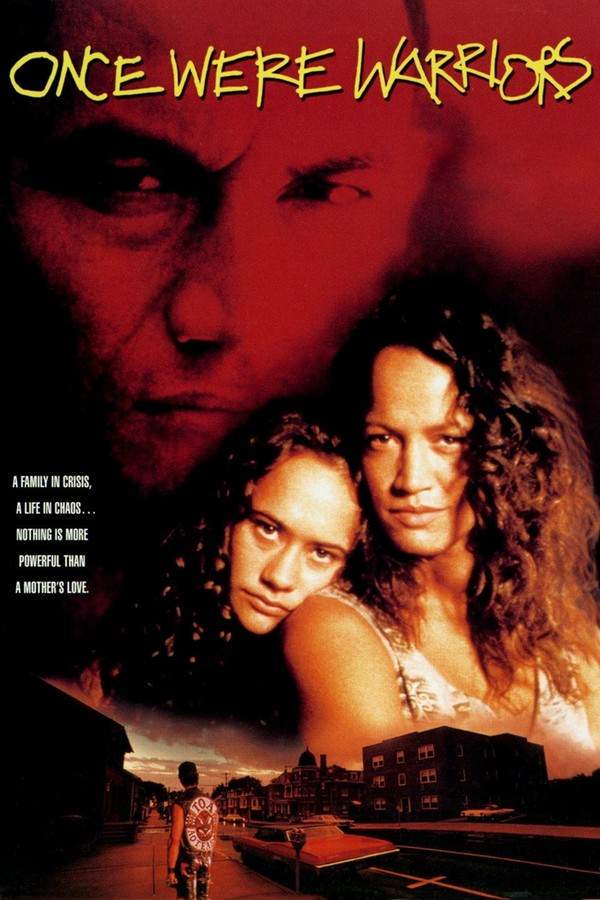
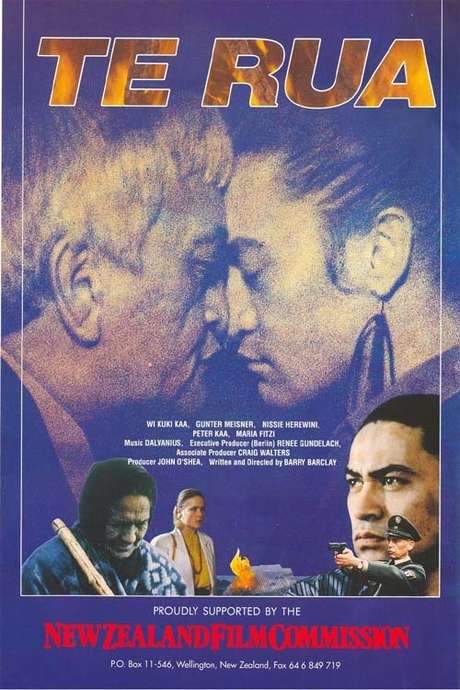
Films with a similar story, tone or audience, including Patu!, Bopha! and Once Were Warriors.






Uproar FAQ: Cast, Box Office & Runtime
Runtime, release date, director, cast, box office, ratings and post-credit scenes of Uproar, each answered in a sentence.
How long is Uproar?
Uproar runs 1 hour 50 minutes (110 minutes).
When was Uproar released?
Uproar was released on March 15, 2024.
Who directed Uproar?
Uproar was directed by Paul Middleditch and Hamish Bennett.
More films by Paul Middleditch Who is in the cast of Uproar?
Uproar stars Minnie Driver as Shirley Waaka, Julian Dennison as Josh Waaka and James Rolleston as Jamie Waaka, among 20 credited actors.
How much did Uproar make at the box office?
Uproar grossed $768,664 worldwide ($26,316 domestic, $742,348 international) on a budget of $7 million.
How is Uproar rated?
Uproar has 100% on Rotten Tomatoes, 59% on TMDB and 3.6/5 on Letterboxd.
Does Uproar have a post-credit scene?
No. Uproar has no extra scene during or after the credits.
Coming soon to your phone
The Plot Explained Movie Summary App
From blockbusters to hidden gems: plot summaries, endings explained and timelines on your phone. Save your favorites and never miss a twist again.
Be the first to know when it launches. Your email stays private, always. Learn more about the app
