Tree Without Leaves 1986


Haru, an aging scriptwriter, retreats to a remote cabin in Nagano’s forest to devote himself to his first novel. As the last living member of his lineage, he resolves to document the history and memories of the family he was raised in, using the solitude of the woods to confront his past.


Does Tree Without Leaves have end credit scenes?
No!
Tree Without Leaves does not have end credit scenes. You can leave when the credits roll.
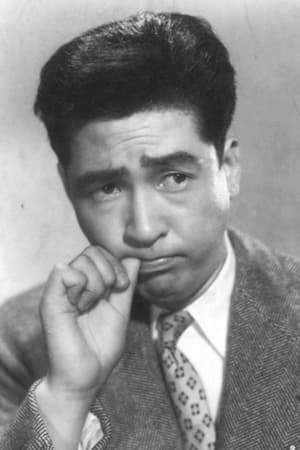
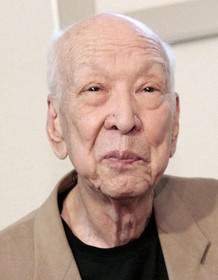
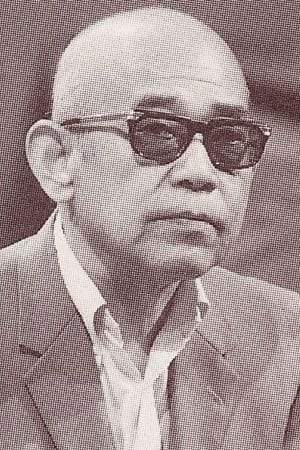
Meet the Full Cast and Actors of Tree Without Leaves
Explore the complete cast of Tree Without Leaves, including both lead and supporting actors. Learn who plays each character, discover their past roles and achievements, and find out what makes this ensemble cast stand out in the world of film and television.

External Links and Streaming Options
Discover where to watch Tree Without Leaves online, including streaming platforms, rental options, and official sources. Compare reviews, ratings, and in-depth movie information across sites like IMDb, TMDb, Wikipedia or Letterboxd.




Full Plot Summary and Ending Explained for Tree Without Leaves
Read the complete plot summary of Tree Without Leaves, including all major events, twists, and the full ending explained in detail. Explore key characters, themes, hidden meanings, and everything you need to understand the story from beginning to end.
Haru, an aging scriptwriter living alone in a house tucked away in the mountains, reflects on a childhood spent in Hiroshima Prefecture. The story centers on a family once defined by its wealth and status, with Haru as the youngest of four children born to a landowner who is gradually squeezed by debt and misfortune. The father is depicted as passive, acting as a guarantor for others’ debts, and his inaction steadily erodes the family’s fortune. As the pressure mounts, Haru’s older brother confronts the father about his failings, even threatening him with a knife in a heated clash. Unable to shake the old man from his stance, the brother ultimately leaves home and joins the police, setting the stage for a family fracture that will reshape everyone’s path.
The present-day Haru is visited by a woman who brings meals to the remote residence and discovers a draft of his novel, prompting a conversation about whether he has given up writing screenplays. Haru admits he is too old to make a living from it and, as the last surviving member of the family, he clings to the desire to preserve his mother’s memory. This moment underscores the film’s quiet, elegiac tone as it shifts between memory and present reality.
Meanwhile, the eldest sister of Haru’s youth agrees to a marriage with an émigré she does not love, but only on the condition that he pays 2,000 yen to help settle the family’s debts. Her pragmatic decision reflects the wider collapse of the estate and the social pressures that accompany bankruptcy. Despite her dowry, and despite the younger sister’s departure to the city in hope of a new life, the family’s finances cannot be saved. The estate is sold off piece by piece, and Haru and his parents are forced to move into the warehouse, while the main house is dismantled for its usable parts. The sense of loss is palpable as the family’s former home is torn apart and repurposed.
The dissolution of wealth is followed by tragedy as the mother dies, marking another irreversible turn in the family’s history. In the present, Haru hears his mother’s voice calling him to supper, a haunting reminder of the opening scene and a symbol of memory never fully leaving the living. The film’s mood rests on the tension between memory and reality, the bitterness of poverty, and the stubborn pull of family ties that endure even as the world around them changes.
The narrative unfolds with a restrained, reflective pace that invites the audience to inhabit Haru’s sense of time slipping away. The mountain setting frames a life once defined by property and status, now recast as a chronicle of resilience and endurance. Throughout, small moments—an unexpected visit, a draft of a novel in limbo, a marriage proposed for necessity—reveal how each family member navigates duty, desire, and the pressures of debt. The result is a portrait of a family whose fortunes rise and fall with the changing tides of history, yet whose memories—especially the memory of a mother—continue to shape the living.
The story’s emotional core rests on the quiet, almost ritual memories that persist as the family dissolves around Haru. In this way, the film asks us to consider how we hold on to people and places when the world around us has changed beyond recognition. The final image, with Haru listening for his mother’s voice at supper, lingers as a poignant reminder that some ties outlive fortune and time, offering a meditative reflection on home, loss, and the power of memory.

Coming soon on iOS and Android
The Plot Explained Mobile App
From blockbusters to hidden gems — dive into movie stories anytime, anywhere. Save your favorites, discover plots faster, and never miss a twist again.
Sign up to be the first to know when we launch. Your email stays private — always.
Explore the mobile appDiscover Film Music Concerts Near You – Live Orchestras Performing Iconic Movie Soundtracks
Immerse yourself in the magic of cinema with live orchestral performances of your favorite film scores. From sweeping Hollywood blockbusters and animated classics to epic fantasy soundtracks, our curated listings connect you to upcoming film music events worldwide.
Explore concert film screenings paired with full orchestra concerts, read detailed event information, and secure your tickets for unforgettable evenings celebrating legendary composers like John Williams, Hans Zimmer, and more.


Tree Without Leaves Themes and Keywords
Discover the central themes, ideas, and keywords that define the movie’s story, tone, and message. Analyze the film’s deeper meanings, genre influences, and recurring concepts.
Tree Without Leaves Other Names and Titles
Explore the various alternative titles, translations, and other names used for Tree Without Leaves across different regions and languages. Understand how the film is marketed and recognized worldwide.
Similar Movies To Tree Without Leaves You Should Know About
Browse a curated list of movies similar in genre, tone, characters, or story structure. Discover new titles like the one you're watching, perfect for fans of related plots, vibes, or cinematic styles.






Quick Links: Summary, Cast, Ratings, More

What's After the Movie?
Not sure whether to stay after the credits? Find out!
Check out our other apps:

SAT Sphere
Build confidence for the Digital SAT.

Mori Atlas
Discover wild places worth protecting.

Luntero
Search smarter for a home in Amsterdam.

Plot Explained
Unravel movie endings and hidden clues.

Pokechamp
Dive into Pokémon data and battle logic.

Driving Theory
Get ready for your European theory test.

Movie Dust
Plan your next cinema trip with ease.

Musemap
Find art and culture as you travel.

Selkobase
Compare credentials before committing.

Local Manual
Turn an unfamiliar country into practical next steps.

Lernavi
Compare school systems before your next move.

GymRoam
Find a workout stop wherever your plans take you.
Explore Our Movie Platform
New Movie Releases (2026)
Famous Movie Actors
Top Film Production Studios
Movie Plot Summaries & Endings
Major Movie Awards & Winners
Best Concert Films & Music Documentaries
Movie Collections and Curated Lists
© 2026 What's After the Movie. All rights reserved.
Privacy Policy