Torture Me But Kill Me with Kisses 1968


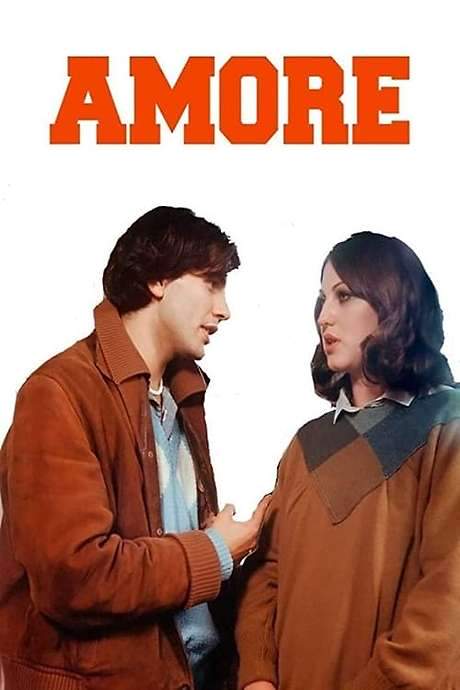
Marino travels to Rome for an event and unexpectedly meets Marisa, who becomes his great love. Their romance is tested by his disapproving father, the father’s death, and gossip that convinces Marino she has been unfaithful, causing her to flee. Remorseful, he searches and, by chance, finds her again, even confronting a deaf‑mute husband, proving love can survive any obstacle.


Does Torture Me But Kill Me with Kisses have end credit scenes?
No!
Torture Me But Kill Me with Kisses does not have end credit scenes. You can leave when the credits roll.
Meet the Full Cast and Actors of Torture Me But Kill Me with Kisses
Explore the complete cast of Torture Me But Kill Me with Kisses, including both lead and supporting actors. Learn who plays each character, discover their past roles and achievements, and find out what makes this ensemble cast stand out in the world of film and television.

Livio Lorenzon
Artemio Di Giovanni

Ugo Tognazzi
Umberto Ciceri

Pamela Tiffin
Marisa Di Giovanni
Nino Manfredi
Marino Balestrini
Checco Durante
Director of the waiter agency
Moira Orfei
Adelaide
Ettore Geri
Guest at the Party (uncredited)
Pietro Tordi
Fra' Arduino
Maria Tedeschi
Guest at the Party (uncredited)
Jed Curtis
A monk (uncredited)
Gianni Baghino
Patient in the Hospital (uncredited)
Ettore Garofolo
Barista (uncredited)
Alfonso Giganti
Onlooker (uncredited)
Luca Sportelli
The Hospital Consultant's Assistant (uncredited)
Fulvio Mingozzi
Guest at the Party (uncredited)
Anna Lina Alberti
employed in the ads of Il Messaggero (uncredited)
Domenico Ravenna
Party guest
Veriano Ginesi
Cleaning man and Ex boxer (uncredited)
Antonietta Fiorito
(uncredited)
Consalvo Dell'Arti
Guest at the Party (uncredited)
Edda Ferronao
Teresa, friend of Marisa
Enrico Marciani
The Hospital Consultant (uncredited)
Gigi Ballista
Engineer
Francesco Sormano
The General at the Party (uncredited)
Michele Cimarosa
Vincenzo Pittiluti, the barber
Samson Burke
Guido Scortichini (as Sam Burke)
Mara Krupp
False manicure of the ad (uncredited)
Donatella Della Nora
woman of the appointment at the Axum obelisk (uncredited)
External Links and Streaming Options
Discover where to watch Torture Me But Kill Me with Kisses online, including streaming platforms, rental options, and official sources. Compare reviews, ratings, and in-depth movie information across sites like IMDb, TMDb, Wikipedia or Letterboxd.




Take the Ultimate Torture Me But Kill Me with Kisses Movie Quiz
Challenge your knowledge of Torture Me But Kill Me with Kisses with this fun and interactive movie quiz. Test yourself on key plot points, iconic characters, hidden details, and memorable moments to see how well you really know the film.
Torture Me But Kill Me with Kisses (1968) Quiz: Test your knowledge of the 1968 Italian romantic drama "Torture Me But Kill Me with Kisses" with these ten varied‑difficulty questions.
Which actor portrays the character Marino Balestrini?
Full Plot Summary and Ending Explained for Torture Me But Kill Me with Kisses
Read the complete plot summary of Torture Me But Kill Me with Kisses, including all major events, twists, and the full ending explained in detail. Explore key characters, themes, hidden meanings, and everything you need to understand the story from beginning to end.
In Rome’s vibrant folklore festival, Marino Nino Manfredi Balestrini and Marisa Pamela Tiffin Di Giovanni cross paths for the first time, and the dialogue is light, courteous, and a touch hopeful. Marino speaks to her with genuine charm, but Marisa keeps her distance, guarded and wary of romantic entanglements. The scene feels simple, yet it plants a question about what the future might hold for two people from different worlds who unexpectedly meet.
A few months later, the scene shifts to Sacrofante Marche, a mountain village in the Marche region, where Marino has moved with a single purpose: to win Marisa over. He finds work as a barber, which suits his easygoing nature, and he throws himself into courting Marisa with a patient persistence. The village life—small streets, the scent of woodsmoke, and the clatter of everyday rhythm—forms a backdrop to their budding romance. The two fall deeply in love and begin to lay out plans for a shared life, dreaming of a future where constraints of class, family approval, and circumstance don’t stand in their way. But Marisa’s father is openly opposed, and that resistance casts a long shadow over their hope.
In a moment of desperate impulsiveness born of fear and longing, Marino and Marisa decide to act on their feelings in a reckless way that interrupts their days: they attempt suicide by lying on the railroad tracks. The gesture is dramatic and misguided, and a train conductor’s stern scolding interrupts their plan, reminding them of the fragility of life and the peril of such drastic measures.
The couple’s fortunes take a sudden turn when Marisa’s father dies of natural causes. This loss, though tragic, removes a key obstacle and opens a door to a brighter future. The sense of possibility returns, and for a moment it seems that the world might finally give them a chance at happiness.
Yet a new complication arrives in the form of a jealous landlady, a widow who fancies Marino and resents Marisa’s place in his life. She suggests, via insinuation, that Marisa spent a night with Guido Scortichini, a rumor that would threaten any budding romance. Guido Scortichini is portrayed by [Samson Burke], a reminder of the volatile social orbit around a working-class romance. The rumor inflames Marino’s jealousy, and he confronts Marisa, who, heartbroken, leaves him and heads to Rome. The search for truth becomes a test of endurance as Marino discovers the landlady’s lie and begins a frantic, frustrating hunt through the Eternal City, following a few scattered clues but unearthing no solid lead. He ends up penniless and despondent, wandering the streets as winter tightens its grip on the city.
Meanwhile, Marisa’s journey continues in Rome, where she takes on a string of temporary jobs in an effort to forget the pain of her separation from Marino. Eventually she finds work with Umberto Ciceri, a deaf and mute tailor whose quiet kindness and practical decency offer her a measure of comfort and stability. Umberto, a patient and generous man, sees her pain and offers a steadiness that contrasts with the upheavals of the past. The contrast between Marisa’s fragile past and Umberto’s steady presence becomes a quiet, sustaining thread through this part of the story.
Back in the capital, Marino hits rock bottom and makes a drastic choice on New Year’s Eve: he plans to end his life by leaping into the river Tiber from the Cavour Bridge. A figure named Mr Okay intervenes, saving him and bringing him to a hospital. The rescue marks a shift from despair to an uneasy hope, a moment of interruption in a life that seems determined to spiral downward.
Marisa, guided by a stubborn thread of concern and the newspaper accounts of Marino’s fate, comes to visit him in the hospital. Her appearance signals a turn of the wheel toward reconciliation, and for a moment it seems they might find a way back to one another. Yet fate has another turn in store: Marisa has become Mrs. Ciceri, having married her employer, Umberto. The revelation is a bitter irony—Marino’s hopes collide with the new life Marisa has chosen.
A new twist arrives as Marino, now wealthy after a lottery win sparked by a shared moment of luck with a bedmate who supplies the numbers, reenters the scene with a new air of confidence and entitlement. He finds Marisa in Umberto’s tailor workshop, and his wealth and self-possession sharpen his sense of superiority. He tests the boundaries of their past, attempting to reassert control over a story that has moved far beyond him. Umberto, who cannot hear or speak in the same way as others, continues to approach life with quiet generosity, unaware of the history between Marino and Marisa, and he remains soft-hearted toward the people around him, including Marino.
Marisa, though still capable of feeling, resists the temptation to fall back into old patterns. She rejects Marino’s arrogance, yet there remains a fragile possibility of reconciliation. The two rekindle a fragile, complicated passion, but the presence of Umberto — kind, patient, and loyal — complicates any simple resolution. The old plan to be together must be weighed against the reality of Marisa’s marriage and the ethical and emotional consequences that come with it.
In a turn that mirrors the tension between desire and responsibility, Marino and Marisa devise one last, dangerous scheme: to remove Umberto from their path under the pretense of a gas explosion. The plan fails in a dramatic reversal of luck, and Umberto survives the event, now able to speak and hear once more. With his return to health comes a vow he makes on his mother’s deathbed: if he ever regains his senses, he will become a monk. This declaration reframes the trio’s relationships, delivering a final blow to the idea that the lovers can simply be free to choose each other without consequence.
With Umberto’s blessing and a deeper understanding of the forces that have bound them, Marisa and Marino finally find a path toward a possible future together. The ending carries a quiet, bittersweet dignity: love endures, but it does so within the boundaries of responsibility, sacrifice, and the complicated layers of their intertwined lives. The film holds onto a hopeful note, suggesting that fidelity and compassion can outlast even a cascade of misunderstandings, missteps, and the pressures of circumstance.
- The romance is told with a patient, humane tone, rooted in ordinary moments that accumulate into a tale of longing, resilience, and the endurance of love.
- The performances—especially the contrast between the grounded warmth of Umberto Ciceri and the restless, searching energy of Marino—lend emotional weight to a story that traverses small-town life, the bustle of Rome, and the powder-keg of jealousy and longing.
- Throughout, the film keeps a steady focus on the humanity of its characters, avoiding sensationalism even as it navigates melodramatic turns, ensuring that every gesture and decision feels earned, lived, and true to the characters’ imperfect but heartfelt yearnings.

Coming soon on iOS and Android
The Plot Explained Mobile App
From blockbusters to hidden gems — dive into movie stories anytime, anywhere. Save your favorites, discover plots faster, and never miss a twist again.
Sign up to be the first to know when we launch. Your email stays private — always.
Explore the mobile appDiscover Film Music Concerts Near You – Live Orchestras Performing Iconic Movie Soundtracks
Immerse yourself in the magic of cinema with live orchestral performances of your favorite film scores. From sweeping Hollywood blockbusters and animated classics to epic fantasy soundtracks, our curated listings connect you to upcoming film music events worldwide.
Explore concert film screenings paired with full orchestra concerts, read detailed event information, and secure your tickets for unforgettable evenings celebrating legendary composers like John Williams, Hans Zimmer, and more.


Torture Me But Kill Me with Kisses Themes and Keywords
Discover the central themes, ideas, and keywords that define the movie’s story, tone, and message. Analyze the film’s deeper meanings, genre influences, and recurring concepts.
Torture Me But Kill Me with Kisses Other Names and Titles
Explore the various alternative titles, translations, and other names used for Torture Me But Kill Me with Kisses across different regions and languages. Understand how the film is marketed and recognized worldwide.
Similar Movies To Torture Me But Kill Me with Kisses You Should Know About
Browse a curated list of movies similar in genre, tone, characters, or story structure. Discover new titles like the one you're watching, perfect for fans of related plots, vibes, or cinematic styles.






-hbTR_oK2SWsInw.jpg)


Quick Links: Summary, Cast, Ratings, More

What's After the Movie?
Not sure whether to stay after the credits? Find out!
Check out our other apps:

SAT Sphere
Build confidence for the Digital SAT.

Mori Atlas
Discover wild places worth protecting.

Luntero
Search smarter for a home in Amsterdam.

Plot Explained
Unravel movie endings and hidden clues.

Pokechamp
Dive into Pokémon data and battle logic.

Driving Theory
Get ready for your European theory test.

Movie Dust
Plan your next cinema trip with ease.

Musemap
Find art and culture as you travel.

Selkobase
Compare credentials before committing.

Local Manual
Turn an unfamiliar country into practical next steps.

Lernavi
Compare school systems before your next move.

GymRoam
Find a workout stop wherever your plans take you.
Explore Our Movie Platform
New Movie Releases (2026)
Famous Movie Actors
Top Film Production Studios
Movie Plot Summaries & Endings
Major Movie Awards & Winners
Best Concert Films & Music Documentaries
Movie Collections and Curated Lists
© 2026 What's After the Movie. All rights reserved.
Privacy Policy