
There’s Always Tomorrow (1934): Cast & Plot
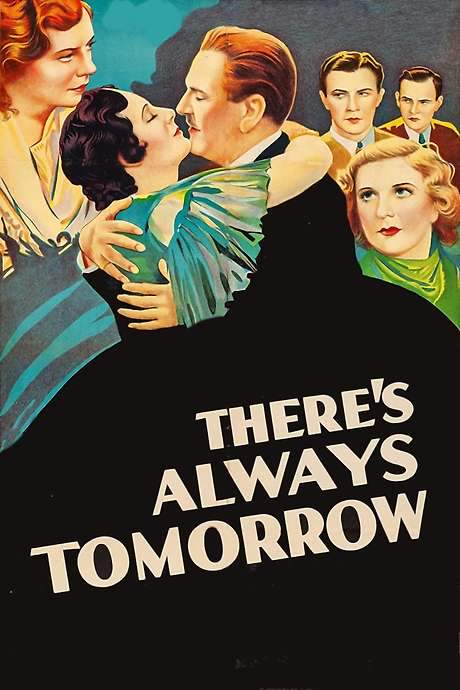
There’s Always Tomorrow is a 1934 romantic drama directed by Edward Sloman, starring Frank Morgan as Joseph White, Lois Wilson and Binnie Barnes. It runs 1 hour 26 minutes.
- Released
- Runtime
- 1h 26m (86 min)
- Director
- Edward Sloman
- Original language
-
 English
 - Studio
- Universal Pictures
- After the credits
- No No extra scene
What Is There’s Always Tomorrow About?
The premise of There’s Always Tomorrow without spoilers. The whole story is in the plot summary further down.
As big as the heart of humanity Ignored by his ever-busy wife and children, a middle-aged businessman finds companionship with a former female employee.
There’s Always Tomorrow Themes & Keywords
· 4 tags- career woman
- married man single woman relationship
- engine trouble
- child
There’s Always Tomorrow Cast & Characters
Frank Morgan leads the cast as Joseph White, with Lois Wilson as Sophie White and Binnie Barnes as Alice Vail. Directed by Edward Sloman; 13 actors are credited in all.
- Director Edward Sloman
-
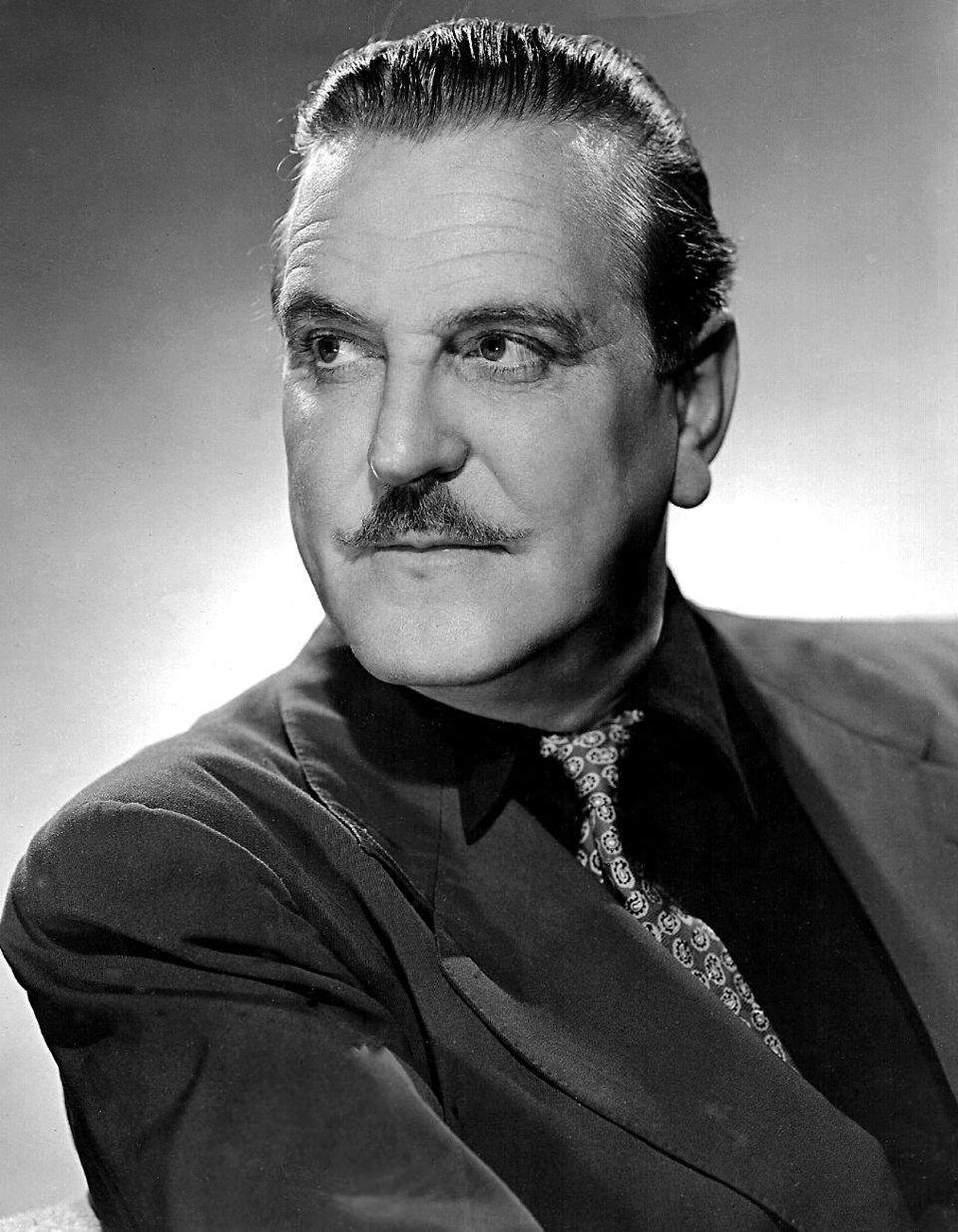 Frank Morgan as Joseph White
 - Lois Wilson as Sophie White
- Binnie Barnes as Alice Vail
-
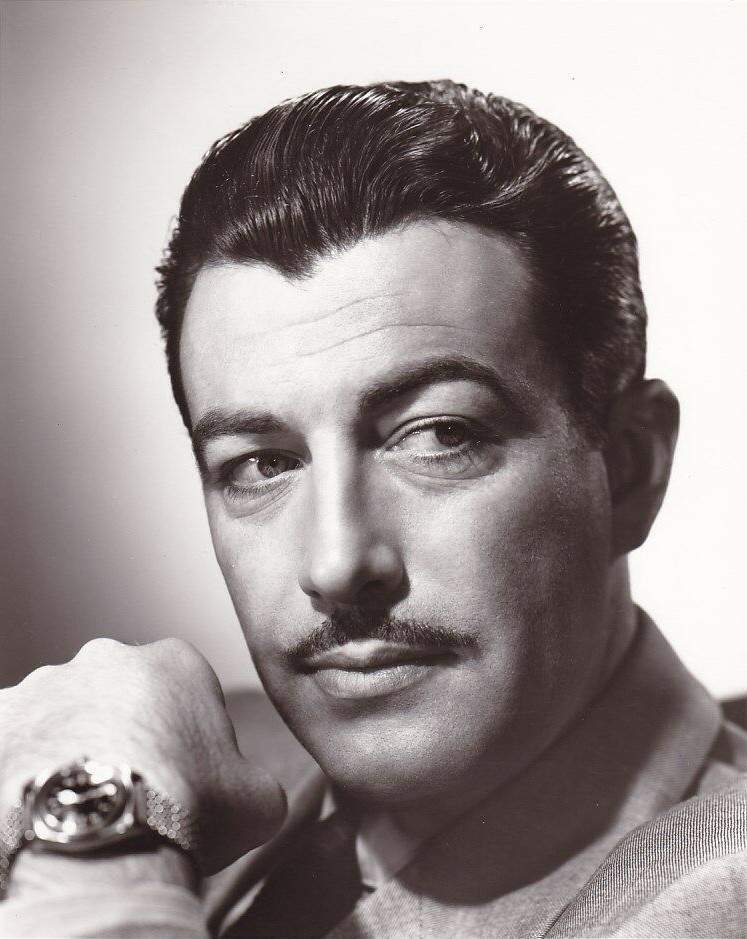 Robert Taylor as Arthur White
Also Starring in There’s Always Tomorrow
· 9 more- Elizabeth Young Helen Graham
- Louise Latimer Janet White
- Helen Parrish Marjorie White
- Dick Winslow Dick White
- Maurice Murphy Fred White
- Walter Brennan Auto mechanic
- Margaret Hamilton Ella
- Alan Hale Henry
- Lillian Leighton Flower peddler
There’s Always Tomorrow Plot Summary
What happens in There’s Always Tomorrow from start to finish, spoilers included, with a timeline of 14 key events. The opening is below; the full summary is a 4-minute read.
Spoilers ahead
Joseph White is a man who feels sidelined at home, as his wife Sophie White chooses to stay in with their five grown children rather than mark their wedding anniversary. Sophie’s constant focus on the needs and activities of the family leaves Joseph craving a quiet moment and a bit of companionship, something that seems increasingly scarce in a bustling house. One night, when he can’t find a peaceful corner to read his newspaper, he ends up on the porch, trying to savor a little solitude among the sounds of a busy household.
Full summary
The whole story of There’s Always Tomorrow, scene by scene
How Well Do You Know There’s Always Tomorrow?
10 questions about the story, each with a hint if you get stuck. Pick an answer to see whether you were right.
Question 1 of 10
- Question 1: not answered
- Question 2: not answered
- Question 3: not answered
- Question 4: not answered
- Question 5: not answered
- Question 6: not answered
- Question 7: not answered
- Question 8: not answered
- Question 9: not answered
- Question 10: not answered
What is the name of Joseph White's wife?
There’s Always Tomorrow Also Known As
2 alternative titles: “Too Late For Love” and “Siempre hay un mañana”.
- Also known as
-
- Too Late For Love
- Siempre hay un mañana
Seen There’s Always Tomorrow?
Movies Like There’s Always Tomorrow
Films with a similar story, tone or audience, including There’s Always Tomorrow, There’s Always Hope and There’s Always a Woman in Between.
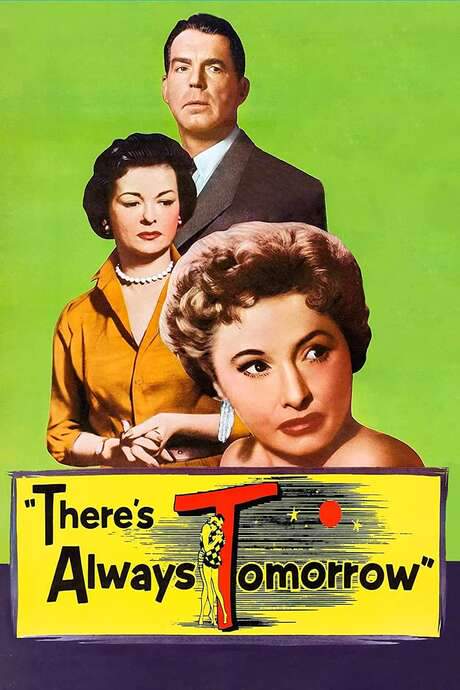







There’s Always Tomorrow FAQ: Cast, Runtime & Release Date
Runtime, release date, director, cast and post-credit scenes of There’s Always Tomorrow, each answered in a sentence.
How long is There’s Always Tomorrow?
There’s Always Tomorrow runs 1 hour 26 minutes (86 minutes).
When was There’s Always Tomorrow released?
There’s Always Tomorrow was released on November 1, 1934.
Who directed There’s Always Tomorrow?
There’s Always Tomorrow was directed by Edward Sloman.
More films by Edward Sloman Who is in the cast of There’s Always Tomorrow?
There’s Always Tomorrow stars Frank Morgan as Joseph White, Lois Wilson as Sophie White and Binnie Barnes as Alice Vail, among 13 credited actors.
Does There’s Always Tomorrow have a post-credit scene?
No. There’s Always Tomorrow has no extra scene during or after the credits.
Coming soon to your phone
The Plot Explained Movie Summary App
From blockbusters to hidden gems: plot summaries, endings explained and timelines on your phone. Save your favorites and never miss a twist again.
Be the first to know when it launches. Your email stays private, always. Learn more about the app
