The Funeral 1996


After a family member is killed, a criminal clan gathers for the funeral and finds themselves tangled in a web of deception. Driven by grief and a thirst for vengeance, they set out on a tense, emotionally charged quest to avenge the death, confronting betrayal and violence at every turn.

Does The Funeral have end credit scenes?
No!
The Funeral does not have end credit scenes. You can leave when the credits roll.
Meet the Full Cast and Actors of The Funeral
Explore the complete cast of The Funeral, including both lead and supporting actors. Learn who plays each character, discover their past roles and achievements, and find out what makes this ensemble cast stand out in the world of film and television.

Benicio Del Toro
Gaspare

Edie Falco
Union Speaker
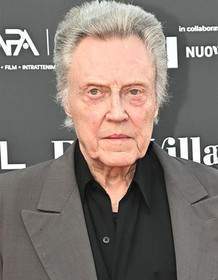
Christopher Walken
Ray Tempio

Chris Penn
Chez Tempio

Isabella Rossellini
Clara Tempio

John Ventimiglia
Sali

Paul Hipp
Ghouly
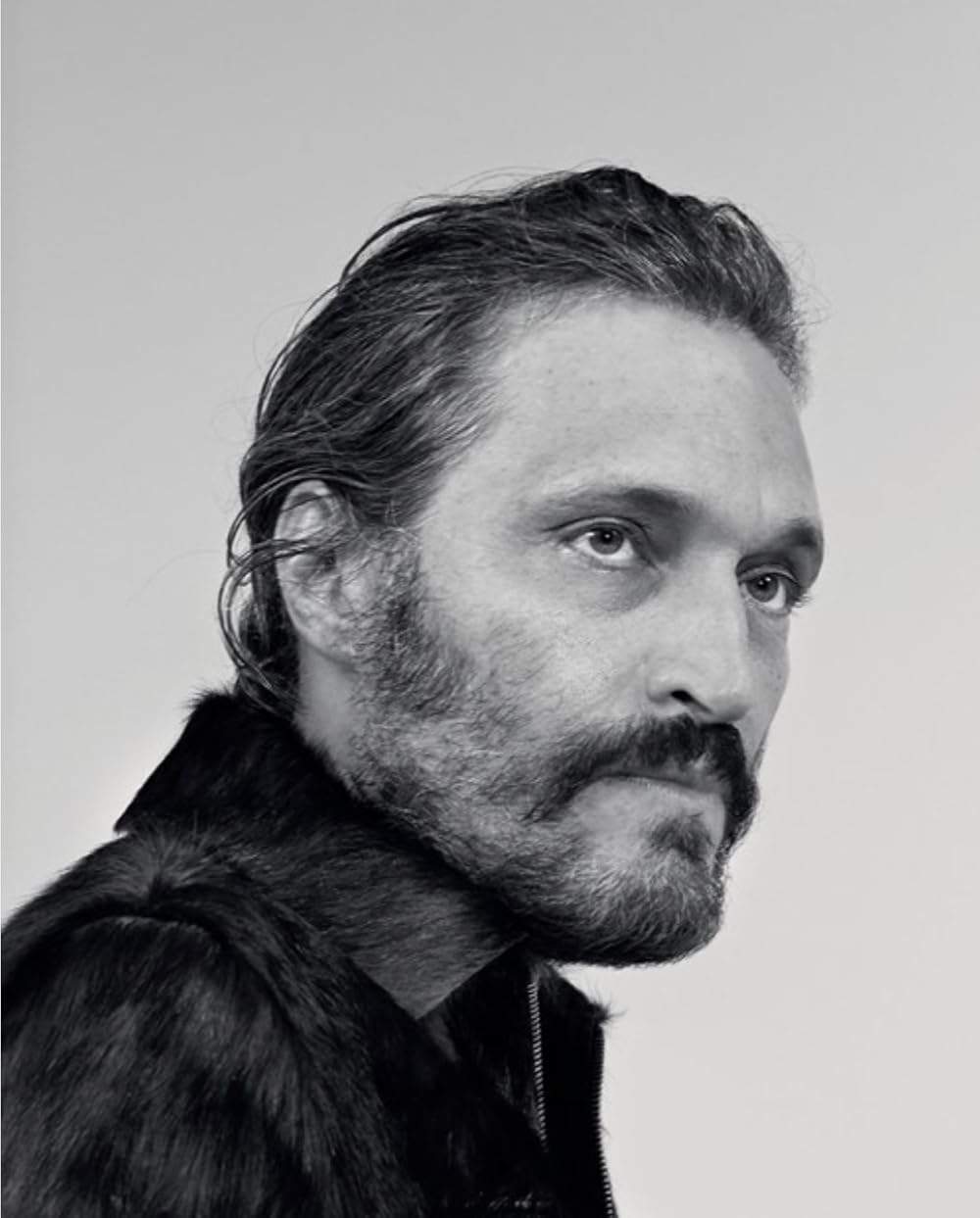
Vincent Gallo
Johnny

Annabella Sciorra
Jean
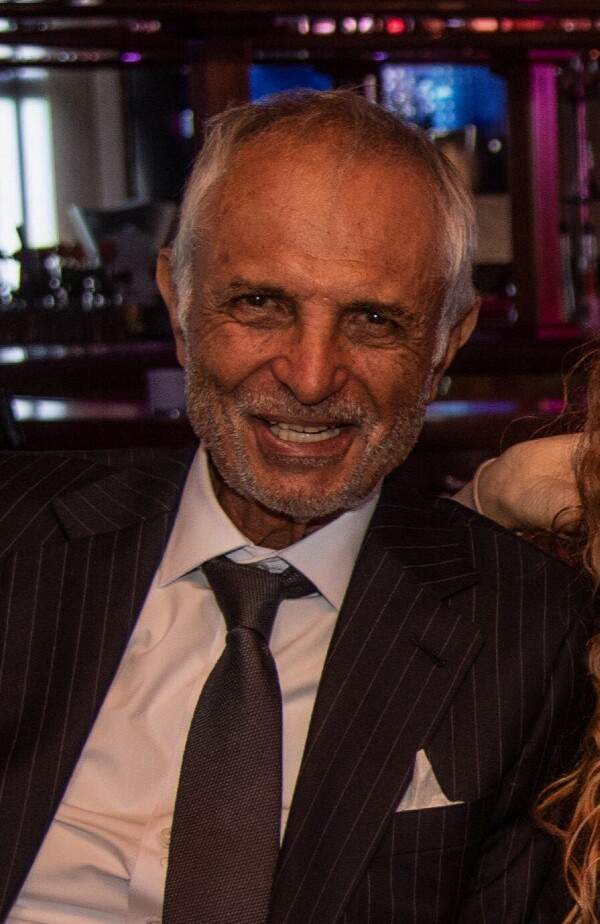
Robert Miano
Enrico

Gretchen Mol
Helen
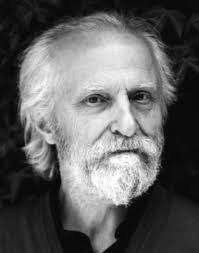
David Patrick Kelly
Michael Stein
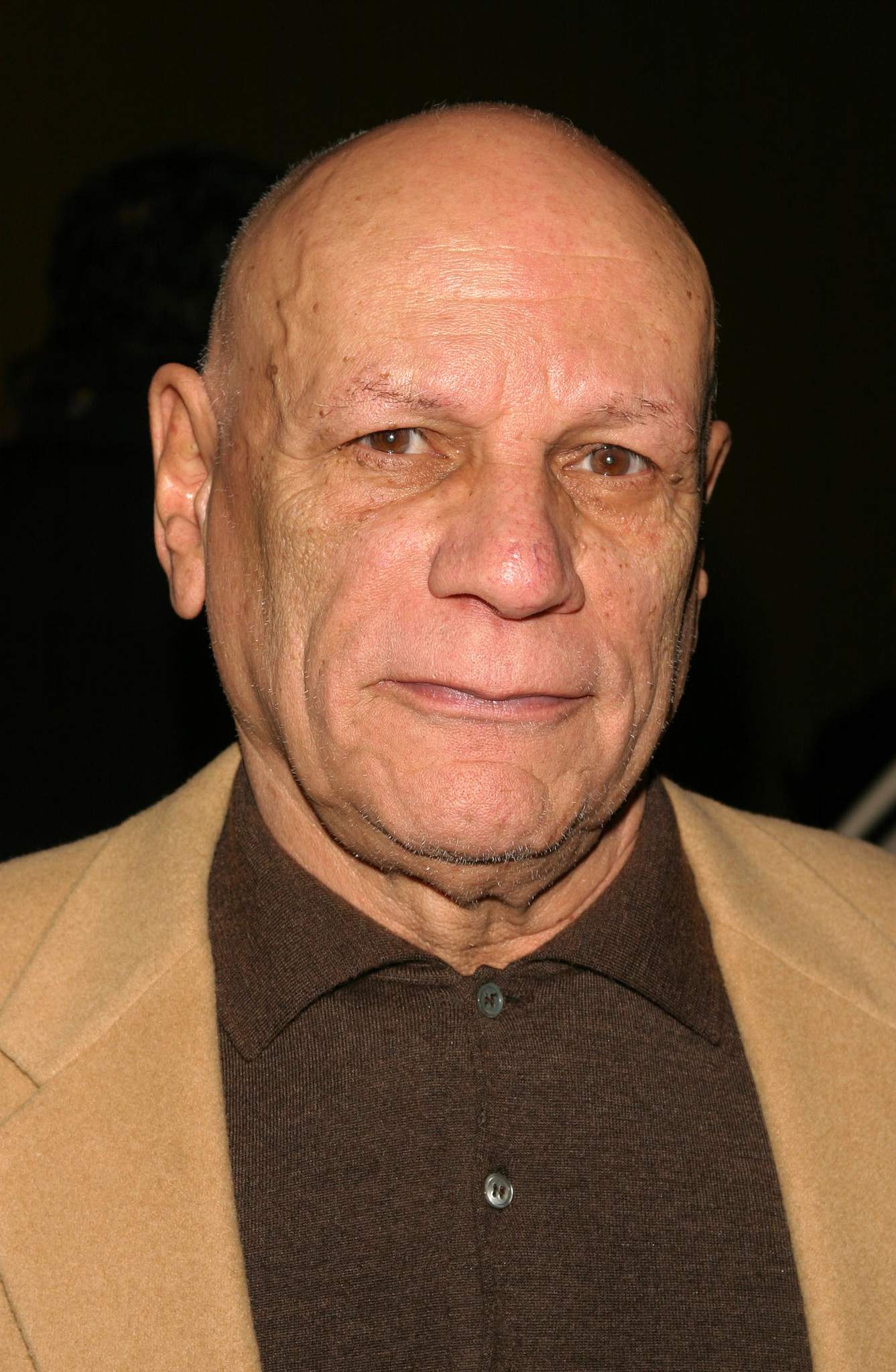
Victor Argo
Julius
Chuck Zito
Zito
Andrew Fiscella
Murder Witness
Joseph R. Gannascoli
Rocco (uncredited)
Santo Fazio
Undertaker
Frank John Hughes
Bacco
Frankie Cee
Bartender Frank
John 'Cha Cha' Ciarcia
Cha Cha
Amber Smith
Bridgette
Patrick McGaw
The Mechanic
Carrie Szlasa
Fox
Paul Perri
Young Ray
Anthony Alessandro
Doctor
Robert W. Castle
Priest
Heather Bracken
Liz
Gian DiDonna
Ray Sr
Dmitri Prachenko
Sentieri
Gregory Perrelli
Young Chez
Joey Hannon
Middle Chez
Lance Guecia
Flashback Victim
External Links and Streaming Options
Discover where to watch The Funeral online, including streaming platforms, rental options, and official sources. Compare reviews, ratings, and in-depth movie information across sites like IMDb, TMDb, Wikipedia or Rotten Tomatoes.







Take the Ultimate The Funeral Movie Quiz
Challenge your knowledge of The Funeral with this fun and interactive movie quiz. Test yourself on key plot points, iconic characters, hidden details, and memorable moments to see how well you really know the film.
The Funeral (1996) Quiz: Test your knowledge of the 1996 crime drama *The Funeral*, focusing on its characters, plot points, and thematic elements.
Which Tempio brother is the film’s opening funeral held for?
Full Plot Summary and Ending Explained for The Funeral
Read the complete plot summary of The Funeral, including all major events, twists, and the full ending explained in detail. Explore key characters, themes, hidden meanings, and everything you need to understand the story from beginning to end.
The film opens with the somber funeral for Johnny, one of the three Tempio brothers who carved a brutal empire in their corner of the city. The mood is heavy with loss, and the two surviving siblings, Chez Tempio and Ray Tempio, drift between grief and the hard-edged calculus that has always governed their lives. Flashbacks slice through the funeral like sharp memories: Johnny comes across as the most sensitive and conflicted of the brothers, his softer side peeking through the violence that defined him. The story hints at a man who once listened to revolutionary conversations, exposed to communist meetings as a spy, a detail that helps explain the complexity of loyalty and betrayal that threads through the Tempio clan. Into this already dangerous web steps the chief suspect in Johnny’s murder, the rival gangster Gaspare Spoglia, whose name immediately crystallizes the threat and sets the gears of vengeance grinding.
From that moment, the film tightens into a portrait of two brothers bound by blood and bent on retribution. Ray, the colder and more calculating of the two, makes a deliberate choice to pursue a brutal avengeance, while Chez—driven by a hotter temper—balances the plan with his own volatile impulses. Clara Tempio, Chez Tempio’s wife, becomes a counterweight in the story, struggling to understand and manage the obsessive path her husband has chosen. The other side of the family dynamic appears in softer, more cautious terms through Ray’s wife, Jeanette, whose quiet resistance to the cycle of violence underscores the emotional cost of their blood-soaked world. The tension between justice and vengeance is expertly laid out: who deserves mercy, who deserves punishment, and what happens when retaliation becomes a family motto.
The plot accelerates as Ray abducts Gaspare for questioning and they confront the corpse of Johnny to gauge the truth. Gaspare maintains his innocence with a chilling calm, offering a chilling argument grounded in the superstition of gangsters—namely, that wounds on a corpse bleed only if the killer dares approach the victim. This strange superstition is meant to test loyalty and preempt panic, and Ray seems prepared to bend logic to his purpose. He eventually releases Gaspare, but not before giving orders that his men should finish the job later. The interrogation scene serves as a grim litmus test for whether truth and vengeance can coexist in a world where fear and power drive every decision.
As the investigation unfolds, the killer who actually took Johnny’s life is finally unmasked: a man who claims that Johnny had wronged his girlfriend, inflaming him with a desire for revenge. Under pressure from Ray, the killer breaks and confesses that Johnny had beaten him and his friends in the past, providing a motive steeped in personal humiliation and anger. In a cold, methodical moment, Ray ends the man’s life, sealing Johnny’s fate and cementing the path of violence that the Tempios have chosen to walk. The burial of the killer’s body becomes a grim reminder of how vengeance can blur into ritual—an ongoing cycle that the brothers will feed with their own actions.
Back at the house, Chez’s introspection deepens. He reflects on the trajectories of his brothers and the lives they led before the tragedy fractured everything they cared about. The film then presses forward to its devastating climax: Chez returns to Ray’s house and, in a final, deadly confrontation, shoots Ray Tempio and his two bodyguards. The violence does not end there; Chez then trains the gun on Johnny, who lies in his casket, and fires one last time before placing the weapon in his own mouth and taking his own life. The air is heavy with the wail of the women who have lived with fear and loss—the family’s grief echoing through the room as the last life in the Tempio line slips away.
In the end, the film offers no neat closure or satisfaction. It presents a bleak meditation on loyalty, power, and the cost of living inside a code that equates family with violence. The Tempio brothers are dead not simply because of outside enemies, but because their world eroded the boundaries between love and hate, honor and brutality. The funeral hush that follows is not just for Johnny or Ray or Chez; it’s a eulogy for a way of life that rewarded bravado but demanded the ultimate price: the erasure of any ordinary future. The women in the story—Clara and the others left to mourn—stand as a quiet counterweight to the brutality, grounding the tale in human consequence even as the cycle of vengeance closes its grim arc. The film leaves viewers with a stark truth: sometimes the strongest bonds can drive people to the most irreversible acts, and the line between protector and predator can fatally blur when the creed is revenge.

Coming soon on iOS and Android
The Plot Explained Mobile App
From blockbusters to hidden gems — dive into movie stories anytime, anywhere. Save your favorites, discover plots faster, and never miss a twist again.
Sign up to be the first to know when we launch. Your email stays private — always.
Explore the mobile appWatch Trailers, Clips & Behind-the-Scenes for The Funeral
Watch official trailers, exclusive clips, cast interviews, and behind-the-scenes footage from The Funeral. Dive deeper into the making of the film, its standout moments, and key production insights.
Cars Featured in The Funeral
Explore all cars featured in The Funeral, including their makes, models, scenes they appear in, and their significance to the plot. A must-read for car enthusiasts and movie buffs alike.
The Funeral Themes and Keywords
Discover the central themes, ideas, and keywords that define the movie’s story, tone, and message. Analyze the film’s deeper meanings, genre influences, and recurring concepts.
The Funeral Other Names and Titles
Explore the various alternative titles, translations, and other names used for The Funeral across different regions and languages. Understand how the film is marketed and recognized worldwide.
Similar Movies To The Funeral You Should Know About
Browse a curated list of movies similar in genre, tone, characters, or story structure. Discover new titles like the one you're watching, perfect for fans of related plots, vibes, or cinematic styles.
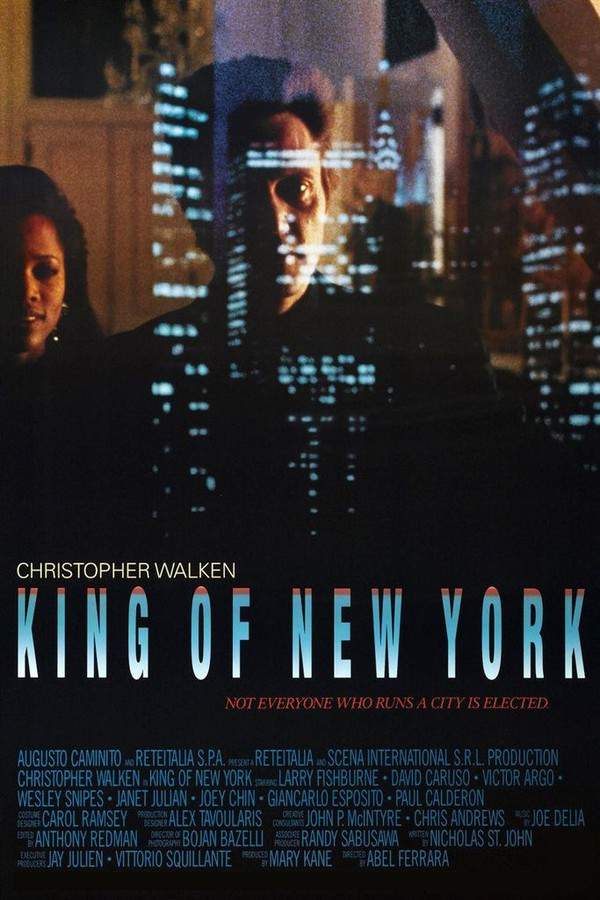
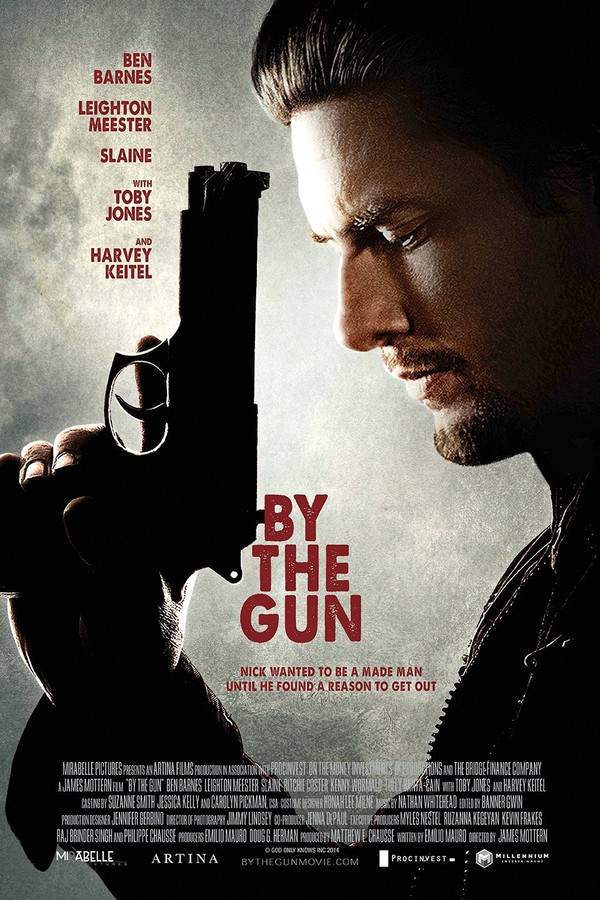






Quick Links: Summary, Cast, Ratings, More

What's After the Movie?
Not sure whether to stay after the credits? Find out!
Check out our other apps:

SAT Sphere
Build confidence for the Digital SAT.

Mori Atlas
Discover wild places worth protecting.

Luntero
Search smarter for a home in Amsterdam.

Plot Explained
Unravel movie endings and hidden clues.

Pokechamp
Dive into Pokémon data and battle logic.

Driving Theory
Get ready for your European theory test.

Movie Dust
Plan your next cinema trip with ease.

Musemap
Find art and culture as you travel.

Selkobase
Compare credentials before committing.

Local Manual
Turn an unfamiliar country into practical next steps.

Lernavi
Compare school systems before your next move.

GymRoam
Find a workout stop wherever your plans take you.
Explore Our Movie Platform
New Movie Releases (2026)
Famous Movie Actors
Top Film Production Studios
Movie Plot Summaries & Endings
Major Movie Awards & Winners
Best Concert Films & Music Documentaries
Movie Collections and Curated Lists
© 2026 What's After the Movie. All rights reserved.
Privacy Policy