The Young Stranger 1957


Seventeen isn’t just an age; it feels like an eternity for a wealthy film producer whose teenage son is increasingly withdrawn. After the boy becomes involved in a violent confrontation at a cinema, the pair’s already fragile communication collapses, pulling them deeper into familial conflict and emotional turmoil.

Does The Young Stranger have end credit scenes?
No!
The Young Stranger does not have end credit scenes. You can leave when the credits roll.
Meet the Full Cast and Actors of The Young Stranger
Explore the complete cast of The Young Stranger, including both lead and supporting actors. Learn who plays each character, discover their past roles and achievements, and find out what makes this ensemble cast stand out in the world of film and television.

Edith Evanson
Lottie (uncredited)
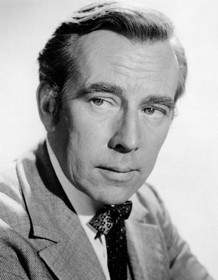
Whit Bissell
Grubbs

Leon Alton
Peter Kalish (uncredited)
Jack Mullaney
Confused Boy
James MacArthur
Hal Ditmar
James Gregory
Sergeant Shipley
Kim Hunter
Helen Ditmar
Marian Seldes
Mrs. Morse (uncredited)
Eddie Ryder
Man in Movie Theatre (uncredited)
Roxanne Arlen
Carhop (uncredited)
Jean Corbett
Woman in Movie Theatre (uncredited)
Paul Wallace
Boy (uncredited)
James Daly
Tom Ditmar
Byron Foulger
Mr. Doyle (uncredited)
Tom Pittman
Lynn Spears
Noble 'Kid' Chissell
Detective (uncredited)
Charles Davis
Detective
Gary Stewart
Boy (uncredited)
Murray Pollack
Theater Patron (uncredited)
Paul Power
Theater Patron (uncredited)
Oliver Cross
Man at Police Station (uncredited)
Bill Couch
Boy (uncredited)
Caryl Lincoln
Theater Patron (uncredited)
Whitey Haupt
Boy (uncredited)
Sid Kane
Man (uncredited)
Norman Ollestad
Boy (uncredited)
Guy Prescott
Man (uncredited)
Terry Kelman
Donald Morse (uncredited)
Jeffrey Silver
Jerry Doyle
Mitzi Blake
Usherette (uncredited)
Betty Hanna
Mrs. Doyle (uncredited)
Anthony Mazzola
Boy (uncredited)
Nancy Moore
Milk Counter Girl (uncredited)
Jimmy Pickford
Boy (uncredited)
Howard Price
Doorman at Movie Theatre (uncredited)
Barry Truex
Lynn Spears' Friend (uncredited)
External Links and Streaming Options
Discover where to watch The Young Stranger online, including streaming platforms, rental options, and official sources. Compare reviews, ratings, and in-depth movie information across sites like IMDb, TMDb, Wikipedia or Letterboxd.





Take the Ultimate The Young Stranger Movie Quiz
Challenge your knowledge of The Young Stranger with this fun and interactive movie quiz. Test yourself on key plot points, iconic characters, hidden details, and memorable moments to see how well you really know the film.
The Young Stranger (1957) Quiz: Test your knowledge of the 1957 drama *The Young Stranger*, focusing on its characters, plot points, and underlying themes.
What is the name of the son who gets into a fight at the theater?
Full Plot Summary and Ending Explained for The Young Stranger
Read the complete plot summary of The Young Stranger, including all major events, twists, and the full ending explained in detail. Explore key characters, themes, hidden meanings, and everything you need to understand the story from beginning to end.
In a privileged household, Hal Ditmar and Tom Ditmar navigate a crisis that tests family bonds and trust. After a theater dispute, Hal lands a punch on the theater manager, and the immediate question becomes whether he acted in self-defense. Neither the police nor the father are convinced by Hal’s account at first, and the tension between father and son deepens as the truth feels pressed into competing narratives. The matter lands in the hands of Sgt. Shipley, who probes what happened, while Mr. Ditmar takes Hal Ditmar home and lays into him with a chastening mix of disappointment and concern. The scene sets up a rift: Hal senses a lack of faith from the man he’s supposed to admire most, while the father wrestles with how to respond to a son who seems to undermine the family’s carefully curated image of success.
The following day, Hal endures teasing at school and confronts a broader social judgment—that he’s become a disruptive influence. His mother, Helen Ditmar, offers a counterpoint to the sharp tone at home, reminding Hal of a time when his father claimed him as the one real love in his life. The family’s fragile balance is underscored by a dinner conversation in which Mr. Ditmar hints that the police will summon Hal, yet withholds the reason. At night, the atmosphere thickens with marital strain: Mrs. Ditmar hints at separation after years of unresolved tension, even as her husband professes love. This intimate, maddening twilight of trust foreshadows how hard it will be for Hal to feel seen or protected within the family’s complicated dynamics, where affection is tangled with pride and expectation.
When the town’s authorities propose a pathway to avoid juvenile court if Hal will confess, he refuses to concede. In a display of leverage and desperation, the theater manager drops the charges—partly due to the influence of the family and partly to give Hal a chance at a break. Hal is asked to apologize, and his reaction is one of defiance rather than contrition. The resolution of the charges does little to mend the rift at home, and Mrs. Ditmar apologizes for her son, promising that there will be no more trouble. The moment crystallizes a core issue: Hal’s sense of injustice and his father’s effort to protect both the family’s reputation and his own vision of propriety clash in a way that leaves both parties raw and uncertain.
As the case moves to the police station, Mr. Ditmar confronts Hal about his behavior and the broader implications for their relationship. Hal articulates a stubborn resolve, feeling misunderstood and unappreciated by a father who seems to measure his worth by appearances rather than by genuine connection. The truth of the first assault—admitted by the manager as self-defense—contrasts with the second incident, which the manager denies was in self-defense. This discrepancy becomes a crucible for both Hal and his father, forcing them to reckon with how trust is earned and how love is expressed under pressure. The dialogue reveals a quiet, painful exchange: Mr. Ditmar recognizes his earlier misgivings, and the moment becomes a turning point in how he chooses to see his son.
In the end, a transformative recognition emerges. Mr. Ditmar acknowledges that the best thing for Hal, and perhaps the most meaningful act of parenting, is to stand with him in the aftermath rather than retreat behind a facade of control. The story concludes with a tender, unforced moment: the two men leave the police station side by side, with Mr. Ditmar placing his arm around Hal, signaling a renewed commitment to understanding and support. What began as a dispute over a theater altercation blossoms into a broader meditation on family, loyalty, and the fragile line between love and judgment.

Coming soon on iOS and Android
The Plot Explained Mobile App
From blockbusters to hidden gems — dive into movie stories anytime, anywhere. Save your favorites, discover plots faster, and never miss a twist again.
Sign up to be the first to know when we launch. Your email stays private — always.
Explore the mobile appWatch Trailers, Clips & Behind-the-Scenes for The Young Stranger
Watch official trailers, exclusive clips, cast interviews, and behind-the-scenes footage from The Young Stranger. Dive deeper into the making of the film, its standout moments, and key production insights.
Cars Featured in The Young Stranger
Explore all cars featured in The Young Stranger, including their makes, models, scenes they appear in, and their significance to the plot. A must-read for car enthusiasts and movie buffs alike.
The Young Stranger Themes and Keywords
Discover the central themes, ideas, and keywords that define the movie’s story, tone, and message. Analyze the film’s deeper meanings, genre influences, and recurring concepts.
The Young Stranger Other Names and Titles
Explore the various alternative titles, translations, and other names used for The Young Stranger across different regions and languages. Understand how the film is marketed and recognized worldwide.
Similar Movies To The Young Stranger You Should Know About
Browse a curated list of movies similar in genre, tone, characters, or story structure. Discover new titles like the one you're watching, perfect for fans of related plots, vibes, or cinematic styles.



Quick Links: Summary, Cast, Ratings, More

What's After the Movie?
Not sure whether to stay after the credits? Find out!
Check out our other apps:

SAT Sphere
Build confidence for the Digital SAT.

Mori Atlas
Discover wild places worth protecting.

Luntero
Search smarter for a home in Amsterdam.

Plot Explained
Unravel movie endings and hidden clues.

Pokechamp
Dive into Pokémon data and battle logic.

Driving Theory
Get ready for your European theory test.

Movie Dust
Plan your next cinema trip with ease.

Musemap
Find art and culture as you travel.

Selkobase
Compare credentials before committing.

Local Manual
Turn an unfamiliar country into practical next steps.

Lernavi
Compare school systems before your next move.

GymRoam
Find a workout stop wherever your plans take you.
Explore Our Movie Platform
New Movie Releases (2026)
Famous Movie Actors
Top Film Production Studios
Movie Plot Summaries & Endings
Major Movie Awards & Winners
Best Concert Films & Music Documentaries
Movie Collections and Curated Lists
© 2026 What's After the Movie. All rights reserved.
Privacy Policy