The Story of Gilbert and Sullivan 1953


Gilbert, originally a barrister who became a comic librettist, and Sullivan, a classically trained composer reluctantly drawn to lighter music, formed a partnership that produced fifteen comic operas between 1871 and 1896. Their collaboration earned widespread public acclaim and remains a celebrated chapter in theatrical history.


Does The Story of Gilbert and Sullivan have end credit scenes?
No!
The Story of Gilbert and Sullivan does not have end credit scenes. You can leave when the credits roll.
Meet the Full Cast and Actors of The Story of Gilbert and Sullivan
Explore the complete cast of The Story of Gilbert and Sullivan, including both lead and supporting actors. Learn who plays each character, discover their past roles and achievements, and find out what makes this ensemble cast stand out in the world of film and television.
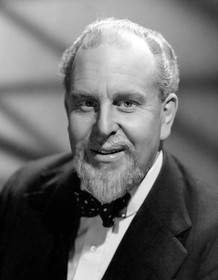
Robert Morley
William S. Gilbert
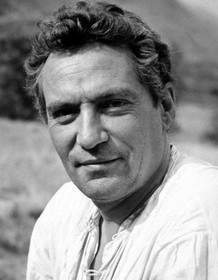
Peter Finch
Richard D'Oyly Carte

Michael Ripper
Louis
Maurice Evans
Arthur Sullivan
Isabel Dean
Mrs. Gilbert
Frank Williams
Singer Rehearsing
Wilfrid Hyde-White
Mr. Marston
Dinah Sheridan
Grace Marston
Bernadette O'Farrell
Jessie Bond
Muriel Aked
Queen Victoria
Martyn Green
George Grossmith
Eileen Herlie
Helen D'Oyly Carte
External Links and Streaming Options
Discover where to watch The Story of Gilbert and Sullivan online, including streaming platforms, rental options, and official sources. Compare reviews, ratings, and in-depth movie information across sites like IMDb, TMDb, Wikipedia or Letterboxd.




Take the Ultimate The Story of Gilbert and Sullivan Movie Quiz
Challenge your knowledge of The Story of Gilbert and Sullivan with this fun and interactive movie quiz. Test yourself on key plot points, iconic characters, hidden details, and memorable moments to see how well you really know the film.
The Story of Gilbert and Sullivan (1953) Quiz: Test your knowledge of the 1953 biographical film about the partnership of W.S. Gilbert and Arthur Sullivan, their operas, and the key figures surrounding their careers.
Which actor portrayed Arthur Sullivan in the film?
Full Plot Summary and Ending Explained for The Story of Gilbert and Sullivan
Read the complete plot summary of The Story of Gilbert and Sullivan, including all major events, twists, and the full ending explained in detail. Explore key characters, themes, hidden meanings, and everything you need to understand the story from beginning to end.
The story traces the evolving relationship between a gifted but uncertain artist, Arthur Sullivan [Maurice Evans], and the cultural force behind him, W.S. Gilbert [Robert Morley], as they navigate what it means to write music for the stage. Sullivan is urged by his friends and his fiancée, Grace [Dinah Sheridan], to aim for “serious” musical endeavors—dreams that include a cantata based on The Prodigal Son—yet he finds genuine acclaim in the light, comic touch of Trial by Jury, created in collaboration with Gilbert. This early success stirs mixed feelings: Sullivan’s talent is recognized, but Grace’s belief that he is wasting his gifts on trivial works casts a shadow over his future, hinting at the long shadow of criticism from the musical establishment that will shadow his career. The tension between a desire for artistic elevation and the lure of popular appeal becomes a throughline that shapes Sullivan’s choices and his working relationship with Gilbert.
Still wrestling with this dilemma, Sullivan enters a productive partnership with Gilbert and the impresario Richard D’Oyly Carte [Peter Finch], joining forces to craft more accessible operas that would reach broader audiences. The team produces The Sorcerer and, most famously, HMS Pinafore, works so successful that they are widely pirated in America, a reality that pushes the troupe to tour the United States to capitalize on the wave of enthusiasm. The Pirates of Penzance soon premieres in New York to widespread acclaim, and Carte responds by funding a new theatre in London to showcase the partnership’s oeuvre. The Savoy Theatre opens with the premiere of Iolanthe, an event that radiates excitement: Sullivan conducts the performance while Gilbert, anxious as ever, dodges the crowd outside before returning for a triumphant curtain call. The mood is buoyant, and the audience’s reaction seems to confirm that their blend of wit and melody has struck a chord. Yet behind the applause, Sullivan’s inner voice remains unsettled—he still longs to devote himself to more serious music, even as the public adores the lightness they’ve created together.
A pivotal moment arrives when Gilbert proposes a new piece built around the magical device of a lozenge, while Sullivan argues for keeping his focus on weightier musical ambitions. The dynamic tension between the two men deepens as Gilbert’s temperament—often irascible and sharp—meets Sullivan’s stubborn insistence on integrity in musical storytelling. Around this time, a friend and critic, [Joseph Bennett], writes a libretto for Sullivan’s cantata based on Longfellow’s The Golden Legend, suggesting a possible path toward “serious” composition. Yet Gilbert, inspired by the sight of a Japanese sword hanging in his study, pitches a fresh plot for a new comic opera, and Sullivan, drawn to the idea of a grander project, begins to sketch in earnest. Bennett visits Sullivan and learns that The Mikado is being rehearsed, not Bennett’s cantata, and the news serves as a reminder of how often literary and musical ambitions collide in the Savoy circle. When both works finally debut, Sullivan receives a knighthood, a public acknowledgment of his contributions to light music, even as he remains at odds with the notion that his art must stay light.
The pursuit of a grand opera continues to pull at Sullivan, and when Mrs. Helen D’Oyly Carte [Eileen Herlie] travels to Monte Carlo to check on her husband’s plans, she returns with news that he will build another theatre and wants Sullivan to compose an opera for it. Sullivan agrees, but Gilbert separately drafts yet another libretto for a comic piece, prompting Sullivan to accept that project as well, and The Gondoliers goes on to become another hit. Meanwhile, Gilbert, suffering from gout and in a particularly foul mood, scrutinizes the partnership’s finances, confronted by Carte over lavish expenditures, including a new carpet for the Savoy Theatre. Gilbert declares he will write no more Savoy operas, a vow that intensifies the strain between the two men even as a sustained string of successes continues on stage. Sullivan’s own ambitions steer him toward Ivanhoe, a grand opera that he presents to the Queen, while The Gondoliers remains a favorite for the public.
The Queen’s involvement in these events proves pivotal. She requests a private Windsor Castle performance of Sullivan’s work, but then chooses to hear The Gondoliers, a choice that reassures Sullivan that his future, even within the realm of lighter music, holds genuine significance. The two men—Sullivan and Gilbert—begin to imagine a revival of their partnership as the century turns, and Carte joins them in a quiet gesture of reconciliation, each of them in wheelchairs as they share a symbolic curtain call. Tragically, Sullivan’s death arrives during a rehearsal period for a revival of The Yeomen of the Guard, a somber reminder that even enduring collaborations must face mortality. In the years that follow, Gilbert is finally knighted, sealing a legacy that had both sparked controversy and sparked joy, and that ultimately bridged serious artistry with popular theater in a way that would endure in the memory of audiences around the world.

Coming soon on iOS and Android
The Plot Explained Mobile App
From blockbusters to hidden gems — dive into movie stories anytime, anywhere. Save your favorites, discover plots faster, and never miss a twist again.
Sign up to be the first to know when we launch. Your email stays private — always.
Explore the mobile appWatch Trailers, Clips & Behind-the-Scenes for The Story of Gilbert and Sullivan
Watch official trailers, exclusive clips, cast interviews, and behind-the-scenes footage from The Story of Gilbert and Sullivan. Dive deeper into the making of the film, its standout moments, and key production insights.
The Story of Gilbert and Sullivan Themes and Keywords
Discover the central themes, ideas, and keywords that define the movie’s story, tone, and message. Analyze the film’s deeper meanings, genre influences, and recurring concepts.
The Story of Gilbert and Sullivan Other Names and Titles
Explore the various alternative titles, translations, and other names used for The Story of Gilbert and Sullivan across different regions and languages. Understand how the film is marketed and recognized worldwide.
Similar Movies To The Story of Gilbert and Sullivan You Should Know About
Browse a curated list of movies similar in genre, tone, characters, or story structure. Discover new titles like the one you're watching, perfect for fans of related plots, vibes, or cinematic styles.






Quick Links: Summary, Cast, Ratings, More

What's After the Movie?
Not sure whether to stay after the credits? Find out!
Check out our other apps:

SAT Sphere
Build confidence for the Digital SAT.

Mori Atlas
Discover wild places worth protecting.

Luntero
Search smarter for a home in Amsterdam.

Plot Explained
Unravel movie endings and hidden clues.

Pokechamp
Dive into Pokémon data and battle logic.

Driving Theory
Get ready for your European theory test.

Movie Dust
Plan your next cinema trip with ease.

Musemap
Find art and culture as you travel.

Selkobase
Compare credentials before committing.

Local Manual
Turn an unfamiliar country into practical next steps.

Lernavi
Compare school systems before your next move.

GymRoam
Find a workout stop wherever your plans take you.
Explore Our Movie Platform
New Movie Releases (2026)
Famous Movie Actors
Top Film Production Studios
Movie Plot Summaries & Endings
Major Movie Awards & Winners
Best Concert Films & Music Documentaries
Movie Collections and Curated Lists
© 2026 What's After the Movie. All rights reserved.
Privacy Policy