The Seventh Continent 1989


Over three years, the film follows a middle‑class family caught in the monotony of daily routines and occasional minor setbacks. Beneath their seemingly calm, repetitive existence, the members conceal a dark, coordinated plan that slowly emerges as the story unfolds.

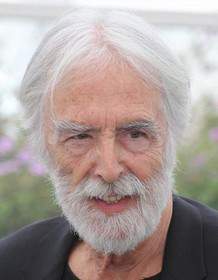
Does The Seventh Continent have end credit scenes?
No!
The Seventh Continent does not have end credit scenes. You can leave when the credits roll.
Meet the Full Cast and Actors of The Seventh Continent
Explore the complete cast of The Seventh Continent, including both lead and supporting actors. Learn who plays each character, discover their past roles and achievements, and find out what makes this ensemble cast stand out in the world of film and television.



External Links and Streaming Options
Discover where to watch The Seventh Continent online, including streaming platforms, rental options, and official sources. Compare reviews, ratings, and in-depth movie information across sites like IMDb, TMDb, Wikipedia or Rotten Tomatoes.






Take the Ultimate The Seventh Continent Movie Quiz
Challenge your knowledge of The Seventh Continent with this fun and interactive movie quiz. Test yourself on key plot points, iconic characters, hidden details, and memorable moments to see how well you really know the film.
The Seventh Continent (1989) Quiz: Test your knowledge of the 1989 Austrian film *The Seventh Continent* with these ten questions covering characters, plot details, and thematic elements.
What is the name of Georg's wife in the film?
Full Plot Summary and Ending Explained for The Seventh Continent
Read the complete plot summary of The Seventh Continent, including all major events, twists, and the full ending explained in detail. Explore key characters, themes, hidden meanings, and everything you need to understand the story from beginning to end.
The film unfolds in three parts, each built around a family whose quiet routines gradually reveal a mounting discomfort with the sterilized rhythms of modern life. In the first two segments, set in 1987 and 1988, we watch a single day in the life of Georg, Dieter Berner and his wife Anna Schober, Birgit Doll, together with their daughter Eva Schober, Leni Tanzer. The atmosphere is deliberate and restrained: the family performs ordinary tasks with a near-ritual precision, meals and chores unfolding in long, quiet takes. Dialogue, when it occurs, is sparse, and much of the emotional temperature is conveyed through gestures and glances rather than speech. Early in each chapter, a soft voice-over carries the wife’s reading of a letter addressed to Georg’s parents, recounting his professional successes. These letters, delivered with a calm cadence, illuminate a world where achievement is carefully documented, but human warmth feels almost absent. The day-to-day scenes are frequently almost wordless, creating a sense of stasis that hints at something unresolved beneath the surface.
In the final, decisive third part, which takes place in 1989, the family’s world explodes outward from the intimate sphere of routine into a dramatic, irreversible choice. The period begins with a visit to the grandparents, after which the husband narrates a letter written the following day, announcing that he and his wife have resigned from their jobs and decided “to leave.” The film shows them embracing a drastic plan: they intend to emigrate to Australia, close their bank accounts, sell their car, and purchase a large variety of cutting tools. A crucial moment arrives when he confesses that it was a hard decision whether to take Eva with them, but they decide to do so after Eva states that she is not afraid of death. This acceptance—whether genuine or instrumental—becomes the moral center around which the rest of the action turns.
A luxurious family meal anchors the sequence, a counterpoint to the upheaval that is about to unfold. During the meal, a phone call comes through and, in a deliberately transgressive gesture, they leave the phone dangling, choosing to ignore any further interruptions. What follows is a meticulous, almost clinical dismantling of the life they’ve built. They destroy every possession in the house in an automatic, passionless manner, ripping up cash and flushing it down the toilet. The only moment of uncontainable emotion occurs when Georg shatters the large fish tank; Eva screams and the scene lurches into a rare dissolution of composure as the family confronts mortality in the most visceral way. Throughout the destruction, the phone company arrives, insisting that the phone must be reconnected, and Georg responds with a practical stubbornness, muffling the bells and door chimes with cotton to maintain a sense of control.
The culmination is harrowingly stark: they commit suicide by overdosing on pills dissolved in water, Eva first, then Anna, and finally Georg, who vomits the liquid and must resort to injecting himself. In a stark final act of methodical control, Georg writes the names, dates, and times of death for all three on the wall, leaving a question mark for his own estimated time of death. An envelope addressed to Georg’s parents is taped to the door, a cold, formal touch that underscores the absence of appeal or plea. In his last moments, Georg lies beside Eva and Anna, watching the television’s static as the house quiets around him. Brief flashes from the film suggest that his life is briefly illuminated by memory or dream—moments that seem to flicker as if life itself is rushing past.
After the end, the film notes that, despite the explicit suicide note, Georg’s parents speculated about homicide and a police investigation was carried out. Yet the narrative remains clear: no evidence of murder is found, and the tragedy is presented as an act that crystallizes the family’s disintegration rather than a mystery to be solved.
Throughout the film, the visual style sustains a sense of clinical detachment—everyday rituals become a language of release rather than nourishment. The characters—Georg, [Dieter Berner], Anna Schober, [Birgit Doll], and Eva Schober, [Leni Tanzer]—are drawn with a quiet, almost clinical precision that makes their final, collective decision feel both inevitable and devastating. The work invites us to witness how comfort with routine can mask a deeper anxiety about existence, and how a single, irrevocable choice can reframe a lifetime of ordinary moments into a dramatic, unswerving statement about the limits of freedom, responsibility, and love.
- Georg, [Dieter Berner],
- Anna Schober, [Birgit Doll],
- Eva Schober, [Leni Tanzer]

Coming soon on iOS and Android
The Plot Explained Mobile App
From blockbusters to hidden gems — dive into movie stories anytime, anywhere. Save your favorites, discover plots faster, and never miss a twist again.
Sign up to be the first to know when we launch. Your email stays private — always.
Explore the mobile appDiscover Film Music Concerts Near You – Live Orchestras Performing Iconic Movie Soundtracks
Immerse yourself in the magic of cinema with live orchestral performances of your favorite film scores. From sweeping Hollywood blockbusters and animated classics to epic fantasy soundtracks, our curated listings connect you to upcoming film music events worldwide.
Explore concert film screenings paired with full orchestra concerts, read detailed event information, and secure your tickets for unforgettable evenings celebrating legendary composers like John Williams, Hans Zimmer, and more.


The Seventh Continent Themes and Keywords
Discover the central themes, ideas, and keywords that define the movie’s story, tone, and message. Analyze the film’s deeper meanings, genre influences, and recurring concepts.
The Seventh Continent Other Names and Titles
Explore the various alternative titles, translations, and other names used for The Seventh Continent across different regions and languages. Understand how the film is marketed and recognized worldwide.
Similar Movies To The Seventh Continent You Should Know About
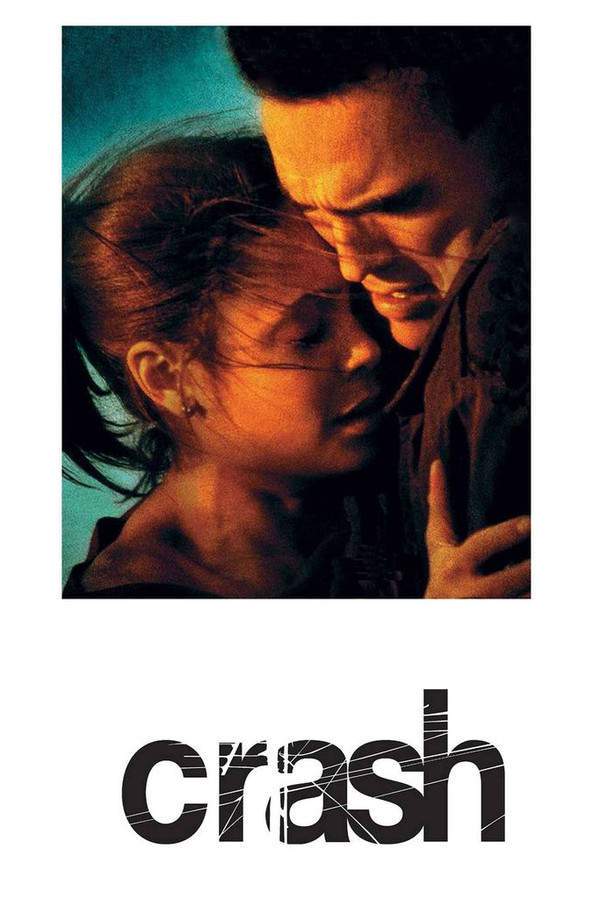
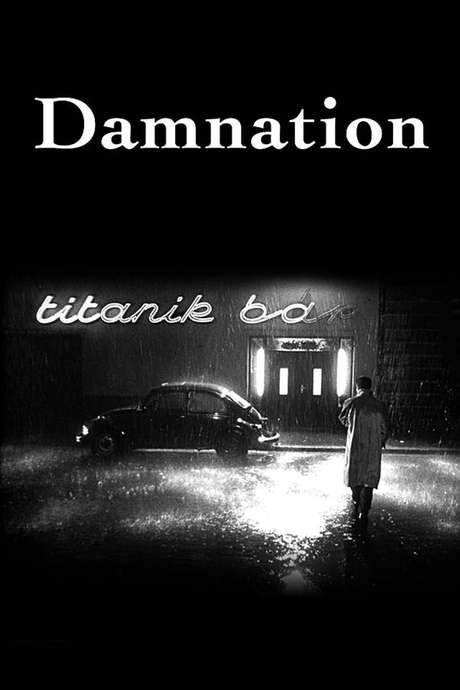
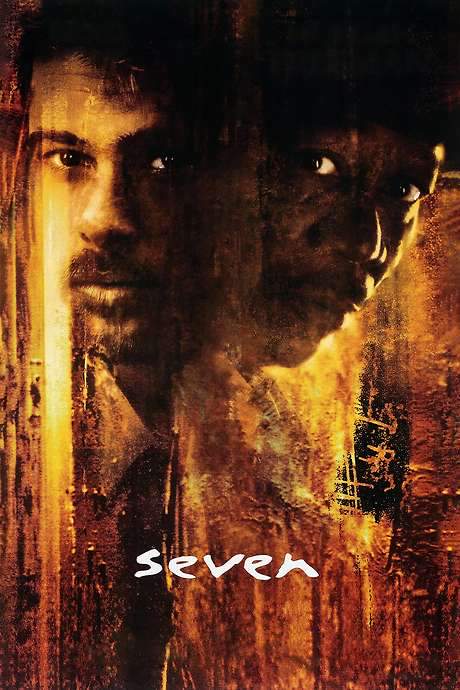
Browse a curated list of movies similar in genre, tone, characters, or story structure. Discover new titles like the one you're watching, perfect for fans of related plots, vibes, or cinematic styles.








Quick Links: Summary, Cast, Ratings, More

What's After the Movie?
Not sure whether to stay after the credits? Find out!
Check out our other apps:

SAT Sphere
Build confidence for the Digital SAT.

Mori Atlas
Discover wild places worth protecting.

Luntero
Search smarter for a home in Amsterdam.

Plot Explained
Unravel movie endings and hidden clues.

Pokechamp
Dive into Pokémon data and battle logic.

Driving Theory
Get ready for your European theory test.

Movie Dust
Plan your next cinema trip with ease.

Musemap
Find art and culture as you travel.

Selkobase
Compare credentials before committing.

Local Manual
Turn an unfamiliar country into practical next steps.

Lernavi
Compare school systems before your next move.

GymRoam
Find a workout stop wherever your plans take you.
Explore Our Movie Platform
New Movie Releases (2026)
Famous Movie Actors
Top Film Production Studios
Movie Plot Summaries & Endings
Major Movie Awards & Winners
Best Concert Films & Music Documentaries
Movie Collections and Curated Lists
© 2026 What's After the Movie. All rights reserved.
Privacy Policy