The Man in the White Suit 1951


Sidney Stratton, a shy inventor, creates a fabric that never gets dirty or wears out. Though it could make him wealthy, a single suit would eliminate repairs and new purchases, threatening the clothing industry. Determined to market it, Sidney must confront powerful garment manufacturers who resort to desperate measures.

Does The Man in the White Suit have end credit scenes?
No!
The Man in the White Suit does not have end credit scenes. You can leave when the credits roll.
Meet the Full Cast and Actors of The Man in the White Suit
Explore the complete cast of The Man in the White Suit, including both lead and supporting actors. Learn who plays each character, discover their past roles and achievements, and find out what makes this ensemble cast stand out in the world of film and television.
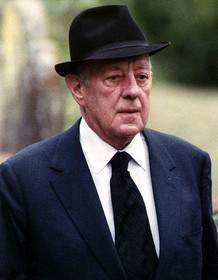
Alec Guinness
Sidney Stratton
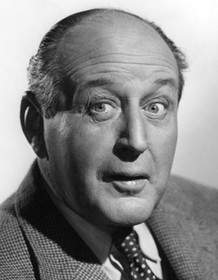
Cecil Parker
Alan Birnley

Judith Furse
Nurse Gamage

Duncan Lamont
Harry

Colin Gordon
Hill
Russell Waters
Davidson
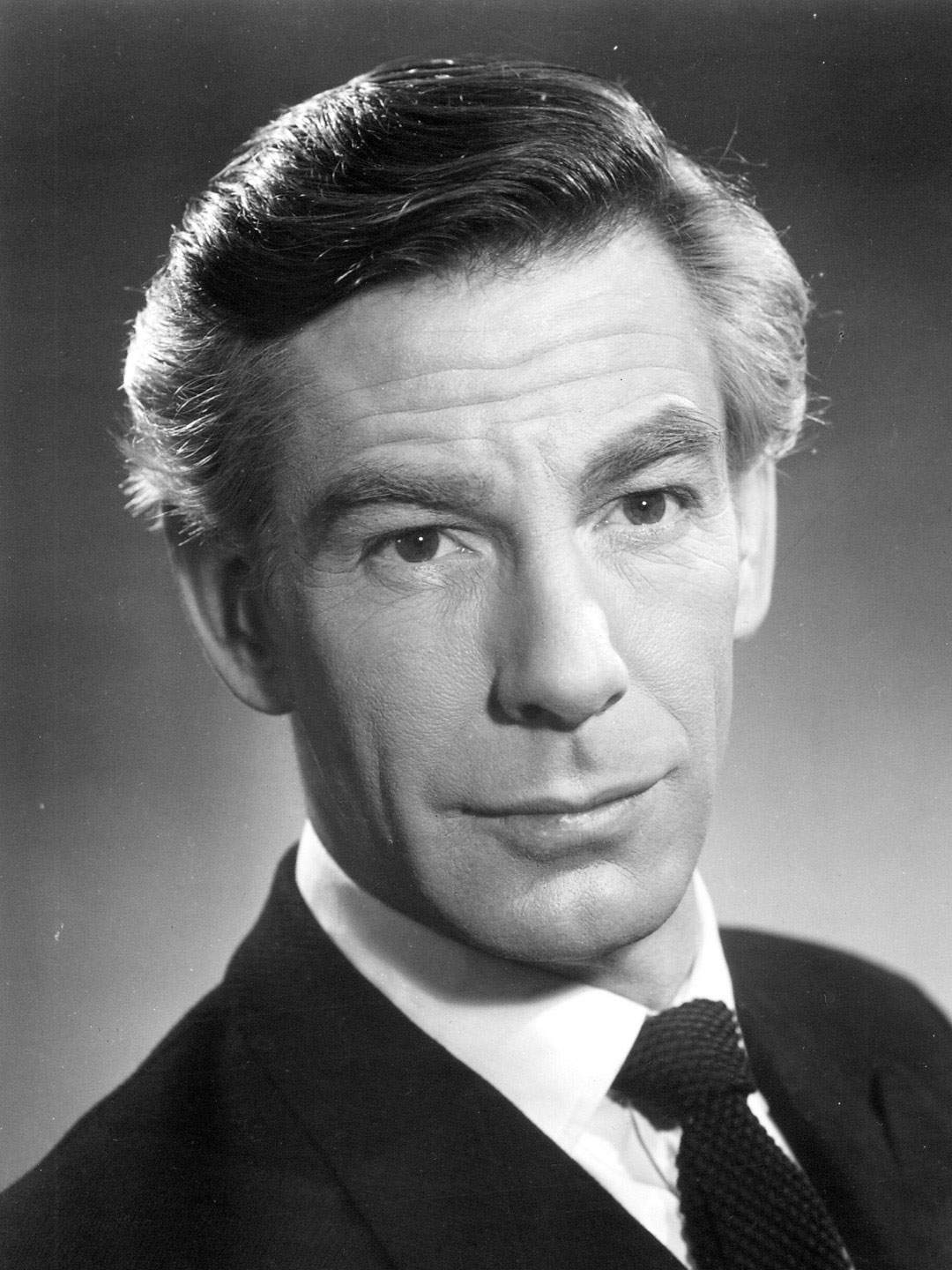
Michael Gough
Michael Corland
Charlotte Mitchell
Mill Girl
Harold Goodwin
Wilkins
David Boyd
Office Boy (uncredited)
Miles Malleson
The Tailor
Frank Howard
Mill Worker (uncredited)
Edie Martin
Mrs. Watson
George Benson
The Lodger
Ernest Thesiger
Sir John Kierlaw
Jim Brady
Mill Worker (uncredited)
Joan Greenwood
Daphne Birnley
Mandy Miller
Gladdie
Arthur Howard
Roberts
Roddy Hughes
Green
Ewan Roberts
Fotheringay
Desmond Roberts
Mannering
Scott Harrold
Express Reporter
Jack McNaughton
Taxi Driver
Howard Marion-Crawford
Cranford
Henry Mollison
Hoskins
Patric Doonan
Frank
Frank Atkinson
The Baker
Vida Hope
Bertha
Jack Arrow
Mill Worker (uncredited)
Dan Cressey
Lab Technician (uncredited)
Harold Coyne
Mill Worker (uncredited)
Joe Phelps
Mill Worker (uncredited)
Arthur Mullard
(uncredited)
Stuart Latham
Harrison
Laurence Hepworth
Chauffeur (uncredited)
Charles Saynor
Pete
Gertrude Kaye
Mill Worker (uncredited)
Billy Russell
Nightwatchman
Charles Cullum
1st Company Director
Brian Worth
King
Olaf Olsen
Knudsen
F.B.J. Sharp
2nd Company Director
Alan Haines
Reporter (uncredited)
Johnny Rossi
Baker (uncredited)
Andy Alston
Mill Worker (uncredited)
Jack Howarth
Receptionist at Corland Mill
John Rudling
Wilson
Jimmy Millar
Mill Worker (uncredited)
Joan Harben
Miss Johnson
Carol Wolveridge
Schoolgirl in Front of Class (uncredited)
External Links and Streaming Options
Discover where to watch The Man in the White Suit online, including streaming platforms, rental options, and official sources. Compare reviews, ratings, and in-depth movie information across sites like IMDb, TMDb, Wikipedia or Box Office Mojo.





Take the Ultimate The Man in the White Suit Movie Quiz
Challenge your knowledge of The Man in the White Suit with this fun and interactive movie quiz. Test yourself on key plot points, iconic characters, hidden details, and memorable moments to see how well you really know the film.
The Man in the White Suit: A quiz on the 1951 film that follows a brilliant chemist who creates a never‑wearing, self‑cleaning white fibre and the social turmoil his invention provokes.
Which actor portrays the chemist Sidney Stratton?
Full Plot Summary and Ending Explained for The Man in the White Suit
Read the complete plot summary of The Man in the White Suit, including all major events, twists, and the full ending explained in detail. Explore key characters, themes, hidden meanings, and everything you need to understand the story from beginning to end.
Sidney Stratton, a gifted research chemist and former Cambridge scholar, is driven by a bold dream: to create a fibre that never wears out and resists dirt. His obsession with perfecting this miracle material leads him to pursue costly laboratory facilities, a pursuit that repeatedly burns bridges with employers who don’t want to bankroll his experiments. He ends up working as a labourer at Birnley Mills, where his genius remains largely unseen by the day-to-day pace of the factory floor. Yet behind the scenes, Stratton uses restricted access to research gear, grinding away at the challenge until, through stubborn experimentation, he yields a breakthrough—an extraordinary synthetic fibre that behaves unlike any other textile.
The fabric itself commands attention. Woven into a suit, it shines with an intense, pure white glow, a feature born from traces of radioactive compounds in its molecular structure. Crucially, the material repels dye and resists wear, promising a revolution that could render conventional clothing obsolete. At first, the world sees a scientific triumph: the press hails Stratton as a pioneer, and mill owners sense an opportunity to redefine the industry’s prestige. The immediate response from the textile world is celebratory; the potential economic windfall appears enormous, and Stratton basks in the glow of public adulation.
But the jubilation is short-lived. As the implications sink in, both management and labor begin to glimpse the storm clouds gathering. If garments made from Stratton’s fibre never wear out, the demand for mass-produced clothing would plummet, threatening the livelihoods of thousands and destabilizing a delicate economic balance. Industrialists worry about ruinous unemployment and collapsing profits, while union leaders fear the loss of bargaining power and the social upheaval that could follow. Pressure mounts from all sides. In a fraught attempt to secure control over his invention, the mill owners press Stratton to relinquish the formula; meanwhile, some union figures push him to suppress it altogether. Stratton, however, remains steadfast, convinced of the greater good and unwilling to surrender his discovery for short-term gain or coercive deals.
The personal angle intensifies when the mill owner’s daughter enters the scene. Daphne Birnley is drawn into the conflict, initially tasked with persuading Stratton to abandon the work in exchange for a settlement of £5,000. She embodies a moral complexity: she is torn between a dutiful compliance with the interests of her father and a growing respect for Stratton’s unwavering conviction. As their interactions unfold, Daphne’s stance shifts from negotiation to endorsement of openness—she urges him to publish rather than conceal, recognizing the broader good his invention could serve. Yet the larger forces arrayed against him continue to press inward, and Stratton begins to comprehend that alliances are scarce. He discovers that even those closest to the venture—workers, bosses, and friends—are wary of the consequences and fear the disruption that would ripple through every level of society.
The tension crescendos into a dramatic chase through the night. Stratton, wearing the luminous white suit, is forced to run from a mob of industrialists and workers who view him as both an opportunity and a threat. The pursuit is relentless, and the street becomes a stage for a perilous confrontation between progress and panic. Just as the crowd seems poised to close in, a crucial flaw in the fabric reveals itself: the very material that promised liberation begins to fail. The radiant suit disintegrates before the spectators’ eyes, the glow fading as the fibres unravel. The crowd, lacking restraint and buoyed by conflicting motives, strips away the remnants of the garment, leaving Sidney Stratton standing in his underclothes, exposed to the judgment of a society that cannot decide whether to crown him as savior or exile him as trouble.
In the aftermath, the crowd’s triumph feels hollow. Among the onlookers, only Daphne Birnley and Bertha, a sympathetic mill worker, show a measure of pity for the scientist whose invention disrupted their world. The next morning, Stratton faces dismissal from Birnley Mills, a formal consequence of the social upheaval he sparked. He gathers his belongings, re-examines his laboratory notes, and experiences a sudden clarity: a fresh insight that reignites his determination. With a quiet resolve, he proclaims, “I see!” and steps forward with renewed vigor, certain that his quest is far from over and that a better path may lie ahead—one that will come from continuing to push the boundaries of science, even in the face of resistance.
In the end, the film leaves us with a moment of tempered hope and a warning about progress. The luminous fibre, though brilliant, exposes harsh truths about how society values invention, employment, and economic stability. Stratton’s journey—marked by genius, integrity, and relentless perseverance—remains a testament to the complex dance between scientific discovery and the human consequences it provokes.

Coming soon on iOS and Android
The Plot Explained Mobile App
From blockbusters to hidden gems — dive into movie stories anytime, anywhere. Save your favorites, discover plots faster, and never miss a twist again.
Sign up to be the first to know when we launch. Your email stays private — always.
Explore the mobile appWatch Trailers, Clips & Behind-the-Scenes for The Man in the White Suit
Watch official trailers, exclusive clips, cast interviews, and behind-the-scenes footage from The Man in the White Suit. Dive deeper into the making of the film, its standout moments, and key production insights.
The Man in the White Suit Themes and Keywords
Discover the central themes, ideas, and keywords that define the movie’s story, tone, and message. Analyze the film’s deeper meanings, genre influences, and recurring concepts.
The Man in the White Suit Other Names and Titles
Explore the various alternative titles, translations, and other names used for The Man in the White Suit across different regions and languages. Understand how the film is marketed and recognized worldwide.
Similar Movies To The Man in the White Suit You Should Know About
Browse a curated list of movies similar in genre, tone, characters, or story structure. Discover new titles like the one you're watching, perfect for fans of related plots, vibes, or cinematic styles.


Quick Links: Summary, Cast, Ratings, More

What's After the Movie?
Not sure whether to stay after the credits? Find out!
Check out our other apps:

SAT Sphere
Build confidence for the Digital SAT.

Mori Atlas
Discover wild places worth protecting.

Luntero
Search smarter for a home in Amsterdam.

Plot Explained
Unravel movie endings and hidden clues.

Pokechamp
Dive into Pokémon data and battle logic.

Driving Theory
Get ready for your European theory test.

Movie Dust
Plan your next cinema trip with ease.

Musemap
Find art and culture as you travel.

Selkobase
Compare credentials before committing.

Local Manual
Turn an unfamiliar country into practical next steps.

Lernavi
Compare school systems before your next move.

GymRoam
Find a workout stop wherever your plans take you.
Explore Our Movie Platform
New Movie Releases (2026)
Famous Movie Actors
Top Film Production Studios
Movie Plot Summaries & Endings
Major Movie Awards & Winners
Best Concert Films & Music Documentaries
Movie Collections and Curated Lists
© 2026 What's After the Movie. All rights reserved.
Privacy Policy