The Lamp Still Burns 1943


A tribute to the important work of female nurses during World War II.


Does The Lamp Still Burns have end credit scenes?
No!
The Lamp Still Burns does not have end credit scenes. You can leave when the credits roll.
Where to Watch The Lamp Still Burns
See current US streaming, rental, and purchase options for The Lamp Still Burns (1943) via JustWatch.


Streaming availability powered by 
Meet the Full Cast and Actors of The Lamp Still Burns
Explore the complete cast of The Lamp Still Burns, including both lead and supporting actors. Learn who plays each character, discover their past roles and achievements, and find out what makes this ensemble cast stand out in the world of film and television.

John Laurie
Mr. Hervey

Cathleen Nesbitt
The Matron

Jenny Laird
Ginger Watkins

Godfrey Tearle
Sir Marshall Freyne
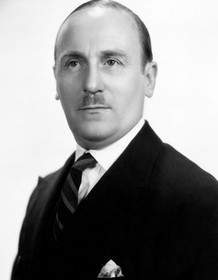
Wylie Watson
Diabetic Patient
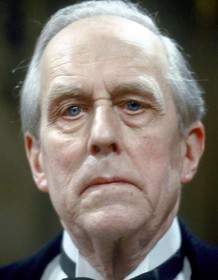
Jack May
Elderly Patient (uncredited)

Joan Young
Sister Sewerby (uncredited)
John Howard
Jimmy (uncredited)
Joyce Grenfell
Dr. Barrett
Ernest Thesiger
Chairman
Gordon Begg
Old Carter (uncredited)
Sophie Stewart
Christine Morris
Paul Merton
George (uncredited)
Ben Williams
Engineer Testing Machine (uncredited)
Stewart Granger
Laurence Rains
Megs Jenkins
Nurse (uncredited)
Janette Scott
(uncredited)
Valentine Dunn
Theatre Sister (uncredited)
Brefni O'Rorke
Mr. Lorrimer
Leslie Dwyer
Siddons
Aubrey Mallalieu
Rev. J. Ashton (uncredited)
Rosamund John
Hilary Clarke
Grace Arnold
Sister Grace Annie Sprock (uncredited)
Eric Micklewood
Mr. Trevor
David Keir
Mr. Purvis (uncredited)
Mignon O'Doherty
Sister Tutor
Joan Maude
Sister Catley
Patric Curwen
Mr. Lavery
Margaret Vyner
Pamela Siddell
External Links and Streaming Options
Discover where to watch The Lamp Still Burns online, including streaming platforms, rental options, and official sources. Compare reviews, ratings, and in-depth movie information across sites like IMDb, TMDb, Wikipedia or Letterboxd.




Take the Ultimate The Lamp Still Burns Movie Quiz
Challenge your knowledge of The Lamp Still Burns with this fun and interactive movie quiz. Test yourself on key plot points, iconic characters, hidden details, and memorable moments to see how well you really know the film.
The Lamp Still Burns Quiz: Test your knowledge of the 1943 film *The Lamp Still Burns*, covering characters, plot points, and themes.
Who works as the factory’s architect in the film?
Full Plot Summary and Ending Explained for The Lamp Still Burns
Read the complete plot summary of The Lamp Still Burns, including all major events, twists, and the full ending explained in detail. Explore key characters, themes, hidden meanings, and everything you need to understand the story from beginning to end.
Laurence Rains grows increasingly irritated when the factory’s architect, Hilary Clarke, insists on enlarging the first aid room to satisfy government regulations, even though the plant already records the best safety history in the country. His frustration resurfaces when he meets her again, now in a nurse trainee role, as she assists Dr. Barrett in treating one of his workers. The clash between duty and procedure begins to blur as he observes Clarke outside her architectural world, and she, in turn, starts to see the human stakes beyond blueprints and compliance.
From the outset, Clarke carries a hidden backstory. She reveals that she chose architecture largely to please her father, who had no sons to carry on his trade. But a defining moment comes when she watches how a young assistant at her firm, who is seriously injured in a traffic accident, is tended to by nurses. In that moment, Clarke discovers her true vocation lies not in designing spaces for safety alone, but in tending people within those spaces. The romance subplot soon thickens as Pamela Siddell, a violinist and Pamela Siddell, who is also Rains’ fiancée, catches wind of the obvious pull between her fiancé and Clarke.
Clarke’s path forward gets a powerful push from influence at the top. Through the backing of Sir Marshall Freyne—a client and a member of the board of Queen Eleanor’s Hospital—Clarke is allowed to embark on a demanding nurse training course. Yet she enters this rigorous program with a maturity that sets her apart from the typical nineteen- or twenty-year-old candidate, a factor that endears her to some teachers and irritates others.
Her independence is a recurring source of friction. The matron, a strict, by-the-book supervisor responsible for enforcing a long list of regulations—illustrated by the rule that nurses may not speak directly to doctors—finds Clarke’s questions provocative. This dynamic creates a tension-filled atmosphere at the hospital, where rules are many and deviations are watched carefully. The hospital becomes a space where personal conviction must contend with institutional norms, and Clarke’s bold approach to patient care often clashes with the formalities that govern nursing life.
The story’s romantic complications intensify when both Laurence Rains and Siddell become patients at the hospital after a catastrophic factory explosion. In those tense, uncertain days, the bond between Clarke and Rains deepens, while Siddell begins to reassess her engagement. The complications of love and loyalty are stark: Siddell eventually releases her fiancé from their engagement, recognizing that her own feelings have shifted and that a life together with Rains may be possible—or at least worth pursuing despite the social pressure to sacrifice personal happiness for professional duty.
But the film does not reduce the nurses’ world to romance alone. The ethos of nursing—its demands and sacrifices—remains central. The profession requires a total commitment, and Clarke’s friends and colleagues reflect that sentiment as well. Clarke’s own circle includes Christine Morris, a fellow nurse who, in a pivotal choice, decides in favor of love and relinquishes a career advancement to marry the man she loves. The moment is portrayed with quiet gravity, underscoring the film’s central tension: whether one can reconcile love with vocation, and whether the system can ever truly accommodate both.
In the end, Clarke makes a choice that mirrors the evolving values around women in the workforce and in relationships. Rains, for his part, vows to wait—and to fight for meaningful improvements to the hospital’s conditions and for the welfare of its nurses—if not immediately, then as a lasting goal. The conclusion leaves viewers with a measured, hopeful note: progress may be slow, but it is achievable when people choose courage, compassion, and a willingness to challenge outdated rules.

Coming soon on iOS and Android
The Plot Explained Mobile App
From blockbusters to hidden gems — dive into movie stories anytime, anywhere. Save your favorites, discover plots faster, and never miss a twist again.
Sign up to be the first to know when we launch. Your email stays private — always.
Explore the mobile appDiscover Film Music Concerts Near You – Live Orchestras Performing Iconic Movie Soundtracks
Immerse yourself in the magic of cinema with live orchestral performances of your favorite film scores. From sweeping Hollywood blockbusters and animated classics to epic fantasy soundtracks, our curated listings connect you to upcoming film music events worldwide.
Explore concert film screenings paired with full orchestra concerts, read detailed event information, and secure your tickets for unforgettable evenings celebrating legendary composers like John Williams, Hans Zimmer, and more.


The Lamp Still Burns Themes and Keywords
Discover the central themes, ideas, and keywords that define the movie’s story, tone, and message. Analyze the film’s deeper meanings, genre influences, and recurring concepts.
The Lamp Still Burns Other Names and Titles
Explore the various alternative titles, translations, and other names used for The Lamp Still Burns across different regions and languages. Understand how the film is marketed and recognized worldwide.
Similar Movies To The Lamp Still Burns You Should Know About
Browse a curated list of movies similar in genre, tone, characters, or story structure. Discover new titles like the one you're watching, perfect for fans of related plots, vibes, or cinematic styles.




Quick Links: Summary, Cast, Ratings, More

What's After the Movie?
Not sure whether to stay after the credits? Find out!
Check out our other apps:

SAT Sphere
Build confidence for the Digital SAT.

Mori Atlas
Discover wild places worth protecting.

Luntero
Search smarter for a home in Amsterdam.

Plot Explained
Unravel movie endings and hidden clues.

Pokechamp
Dive into Pokémon data and battle logic.

Driving Theory
Get ready for your European theory test.

Movie Dust
Plan your next cinema trip with ease.

Musemap
Find art and culture as you travel.

Selkobase
Compare credentials before committing.

Local Manual
Turn an unfamiliar country into practical next steps.

Lernavi
Compare school systems before your next move.

GymRoam
Find a workout stop wherever your plans take you.
Explore Our Movie Platform
New Movie Releases (2026)
Famous Movie Actors
Top Film Production Studios
Movie Plot Summaries & Endings
Major Movie Awards & Winners
Best Concert Films & Music Documentaries
Movie Collections and Curated Lists
© 2026 What's After the Movie. All rights reserved.
Privacy Policy