The Kill Team 2019

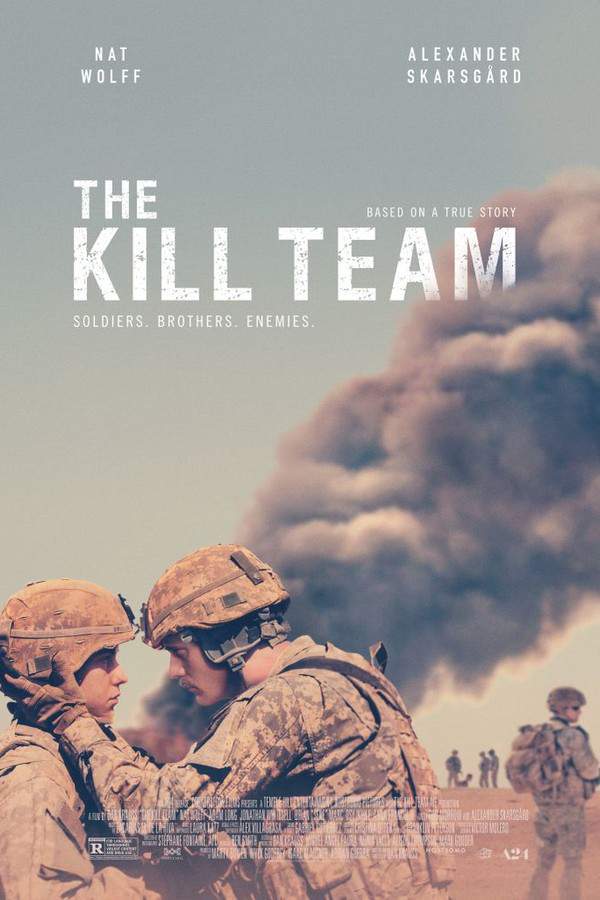
During a deployment in Afghanistan, idealistic soldier Andrew Briggman witnesses a series of disturbing killings carried out by his commanding officer, Sergeant Deeks. Torn between his duty and his conscience, Andrew struggles with the decision of whether to expose the atrocities or remain silent. He finds himself in a dangerous situation, fighting for his survival against his fellow soldiers as he navigates a complex web of loyalty and morality.


Does The Kill Team have end credit scenes?
No!
The Kill Team does not have end credit scenes. You can leave when the credits roll.
Where to Watch The Kill Team
See current US streaming, rental, and purchase options for The Kill Team (2019) via JustWatch.






Meet the Full Cast and Actors of The Kill Team
Explore the complete cast of The Kill Team, including both lead and supporting actors. Learn who plays each character, discover their past roles and achievements, and find out what makes this ensemble cast stand out in the world of film and television.







External Links and Streaming Options
Discover where to watch The Kill Team online, including streaming platforms, rental options, and official sources. Compare reviews, ratings, and in-depth movie information across sites like IMDb, TMDb, Wikipedia or Rotten Tomatoes.











Ratings and Reviews for The Kill Team
See how The Kill Team is rated across major platforms like IMDb, Metacritic, and TMDb. Compare audience scores and critic reviews to understand where The Kill Team stands among top-rated movies in its genre.

The Movie Echo Score
The Kill Team offers a compelling moral drama anchored by strong lead performances and moments of genuine tension, yet it struggles to deliver a fully satisfying narrative impact. Viewers frequently note the film’s lean, sincere direction and intermittent suspense, but also cite a thin plot and limited character insight. The balance of commendable acting and measured pacing against uneven story development yields a middling overall impression. Ultimately, the film stands as a respectable but flawed exploration of wartime morality.
The Movie Echo Score Breakdown for The Kill Team

Art & Craft
In terms of art and craft, the film presents lean, sincere direction and a gritty visual style that reinforce its thematic focus. The cinematography employs a subdued palette to evoke authenticity, while the editing maintains a measured pacing. However, some critics found the production design and scoring to lack the polish seen in its documentary form. Overall, the filmmaking is serviceable and occasionally striking but seldom fully immersive.

Character & Emotion
When it comes to character and emotion, the leads deliver notably credible and intense performances, particularly in the portrayal of conflicted and sociopathic soldiers. Reviews highlight the chemistry between Nat Wolff and Alexander Skarsgård and the palpable sense of moral conflict. Yet some supporting roles feel underwritten, leaving certain relationships and motivations less developed. On balance, the emotional resonance is strong in key moments, even if depth is uneven across the cast.

Story & Flow
Regarding story and flow, the narrative is concise but often underdeveloped, offering few original twists or deeper psychological insight. Critics and users alike remark on an almost procedural progression of events, with extended sequences that build tension but lack substantial payoff. The film covers the major plot points clearly but stops short of providing a nuanced exploration of its characters or stakes. Consequently, the storyline feels serviceable yet incomplete.

Sensory Experience
In the sensory experience, the film’s score and sound design create a tense atmosphere but occasionally feel hacky in execution. The visual style is consistently gritty, immersing viewers in a bleak military environment, though it lacks distinctive flair. Sound effects and ambient noise underscore moments of dread, yet they rarely elevate the scenes to a truly visceral level. Overall, the sensory elements support the mood without fully capitalizing on their potential.

Rewatch Factor
As a rewatch factor, The Kill Team has limited replay value due to its straightforward structure and uneven narrative depth. While the moral questions and standout performances may invite reflection, most viewers find little new to uncover on subsequent viewings. The film’s focus on tension over thematic complexity diminishes its lasting appeal. In sum, it offers a singular viewing experience that is engaging in parts but lacks the layers necessary to reward repeat watches.

60
Metascore
5.9
User Score


69%
TOMATOMETER

41%
User Score

6.0 /10
IMDb Rating

64
%
User Score

3.0
From 2 fan ratings

3.90/5
From 119 fan ratings
Full Plot Summary and Ending Explained for The Kill Team
Read the complete plot summary of The Kill Team, including all major events, twists, and the full ending explained in detail. Explore key characters, themes, hidden meanings, and everything you need to understand the story from beginning to end.
In 2009, Nat Wolff portrays Andrew Briggman, a young soldier serving with Bravo Company in the harsh environs of Afghanistan. The unit’s rhythm is disrupted when Staff Sergeant Deeks [Alexander Skarsgård] takes over as platoon leader after the death of Staff Sergeant Wallace in an IED attack during a village raid. Deeks makes a blunt vow to his men: they will track down and punish those responsible for the recent surge of American casualties, and Briggman becomes a crucial part of this mission by providing a dated and locational record of IED incidents.
From the outset, Briggman’s sense of right and wrong begins to clash with the orders and tactics of the new leadership. The platoon captures a wounded man suspected of planting an IED on a road, and Briggman refuses Deeks’ instruction to harm him, choosing instead to question the morality of violence and the costs of their mission. This moment plants seeds of doubt that will fester as the unit proceeds with a string of raids on civilian villages. Each raid intensifies the moral weight on Briggman, who is forced to weigh orders against his own sense of humanity.
During the very first raid, Briggman hears a gunshot and discovers a boy lying dead on the ground. The official account claims the boy tried to attack the soldiers with a grenade, but Briggman remains skeptical. He is moved to communicate with his father about what he witnessed, sending a message that hints at a growing disillusionment with the war’s toll. The emotional strain of what he perceives leads to tensions back at base, and the matter quickly becomes a matter of record when his father contacts the Criminal Investigation Division (CID) to question Deeks’ actions.
In the aftermath, Briggman is summoned to a tense briefing with his comrades, and Deeks accuses Marquez of reporting the death to CID. The conflict within the platoon surfaces through heated exchanges and the undercurrents of fear and professional obligation. Briggman’s father’s involvement escalates as the CID’s scrutiny becomes more pronounced, and a sense of inevitable conflict begins to pervade the unit’s atmosphere.
The second raid pushes Briggman further toward the edge. He witnesses Rayburn execute an unarmed man and plant an AK-47 on him, a chilling display that starkly contrasts with Briggman’s earlier beliefs about restraint and justice. Panicked, Briggman documents the incident for his father, who continues to press for accountability. Briggman’s attempt to inspect Deeks’ office for a cache of weapons is thwarted, and Deeks makes it clear that Briggman’s dissent will not be tolerated. The emotional pressure culminates in a moment of vulnerability as Briggman calls his father to describe the perilous position he finds himself in, breaking down as he explains the danger of their situation.
The third raid marks a devastating turn. The team captures an elderly civilian who remains silent, and Deeks orders Rayburn and Briggman to execute him, attempting to stage the scene as if the man had attacked with a grenade. Briggman, for the first time in his combat service, fires the fatal shot. The act drags the unit further into a moral morass, and the boys’ celebration back at base is tempered by Briggman’s trauma. His sense of guilt intensifies as Rayburn is summoned by CID for further questioning, and Briggman realizes that his own future may hinge on his ability to tell the truth.
Haunted by what he has done, Briggman contemplates a desperate end in Deeks’ office, unable to bear the weight of the actions he has witnessed and participated in. Yet the moment of reckoning is unavoidable. Briggman and Deeks are questioned by the CID, and Briggman, accompanied by his parents, is given the opportunity to speak openly about everything he knows and has experienced. The narrative leaves room for reflection on accountability, the costs of combat, and the long shadow cast by a single night of violence.
In the closing credits, the film grounds its dramatic arc in real events, revealing that in 2010 five U.S. Army soldiers were charged in connection with civilian killings. Specialist Adam Winfield (depicted as Briggman in the film) pleaded guilty to involuntary manslaughter and received a three-year sentence. He provided testimony against Staff Sergeant Gibbs (the film’s Deeks), who was sentenced to life imprisonment. The credits underscore the harsh truth at the center of the story: the line between duty and killing can blur in the heat of war, and the consequences reach far beyond the battlefield.
Through Briggman’s experience, the film examines how ordinary soldiers can become entangled in a web of orders, loyalties, and moral decisions under extreme stress. It portrays a journey from initial resolve to disillusionment, and finally to a painful confrontation with the consequences of violence. The performances, particularly in the moments of confrontation, offer a stark, unflinching look at how war can erode a soldier’s sense of right and wrong, leaving a lasting impact on individuals and families alike.

Coming soon on iOS and Android
The Plot Explained Mobile App
From blockbusters to hidden gems — dive into movie stories anytime, anywhere. Save your favorites, discover plots faster, and never miss a twist again.
Sign up to be the first to know when we launch. Your email stays private — always.
Explore the mobile appWatch Trailers, Clips & Behind-the-Scenes for The Kill Team
Watch official trailers, exclusive clips, cast interviews, and behind-the-scenes footage from The Kill Team. Dive deeper into the making of the film, its standout moments, and key production insights.
Cars Featured in The Kill Team
Explore all cars featured in The Kill Team, including their makes, models, scenes they appear in, and their significance to the plot. A must-read for car enthusiasts and movie buffs alike.
The Kill Team Themes and Keywords
Discover the central themes, ideas, and keywords that define the movie’s story, tone, and message. Analyze the film’s deeper meanings, genre influences, and recurring concepts.
The Kill Team Other Names and Titles
Explore the various alternative titles, translations, and other names used for The Kill Team across different regions and languages. Understand how the film is marketed and recognized worldwide.
Similar Movies To The Kill Team You Should Know About
Browse a curated list of movies similar in genre, tone, characters, or story structure. Discover new titles like the one you're watching, perfect for fans of related plots, vibes, or cinematic styles.
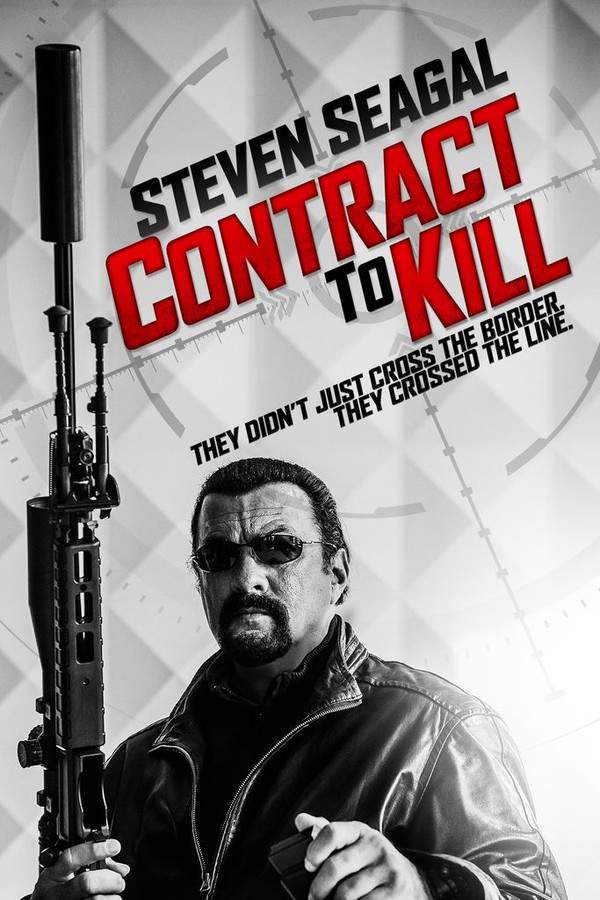
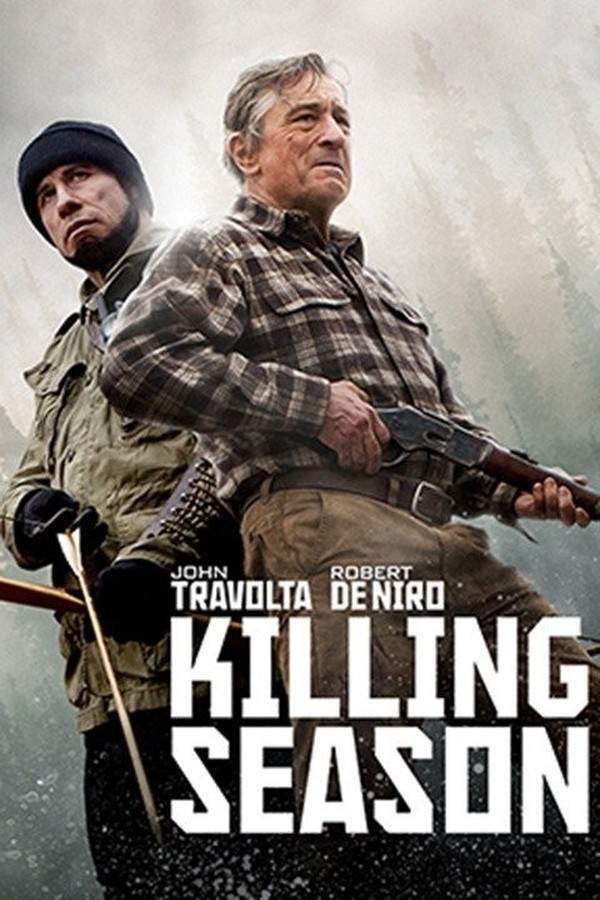
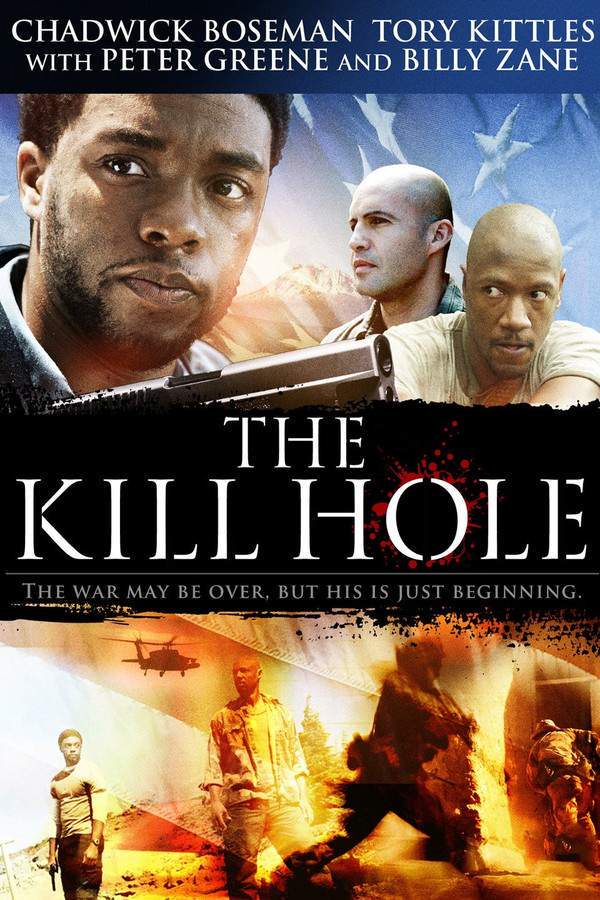
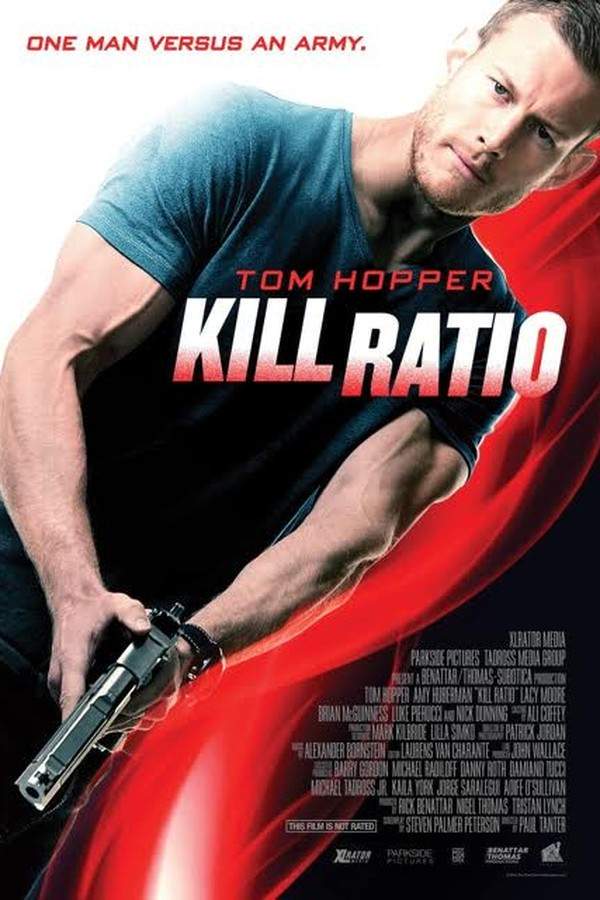




Quick Links: Summary, Cast, Ratings, More

What's After the Movie?
Not sure whether to stay after the credits? Find out!
Check out our other apps:

SAT Sphere
Build confidence for the Digital SAT.

Mori Atlas
Discover wild places worth protecting.

Luntero
Search smarter for a home in Amsterdam.

Plot Explained
Unravel movie endings and hidden clues.

Pokechamp
Dive into Pokémon data and battle logic.

Driving Theory
Get ready for your European theory test.

Movie Dust
Plan your next cinema trip with ease.

Musemap
Find art and culture as you travel.

Selkobase
Compare credentials before committing.

Local Manual
Turn an unfamiliar country into practical next steps.

Lernavi
Compare school systems before your next move.

GymRoam
Find a workout stop wherever your plans take you.
Explore Our Movie Platform
New Movie Releases (2026)
Famous Movie Actors
Top Film Production Studios
Movie Plot Summaries & Endings
Major Movie Awards & Winners
Best Concert Films & Music Documentaries
Movie Collections and Curated Lists
© 2026 What's After the Movie. All rights reserved.
Privacy Policy