The Ernest Green Story 1993


Ernest Green’s courageous stand transforms Central High School forever. The film chronicles his experience as a member of the Little Rock Nine, the nine African‑American teenagers who, in 1957, bravely integrated the all‑white Central High in Little Rock, Arkansas, enduring fierce opposition while pursuing their education and becoming enduring symbols of the Civil Rights Movement.


Does The Ernest Green Story have end credit scenes?
No!
The Ernest Green Story does not have end credit scenes. You can leave when the credits roll.
Meet the Full Cast and Actors of The Ernest Green Story
Explore the complete cast of The Ernest Green Story, including both lead and supporting actors. Learn who plays each character, discover their past roles and achievements, and find out what makes this ensemble cast stand out in the world of film and television.

CCH Pounder
Daisy Bates
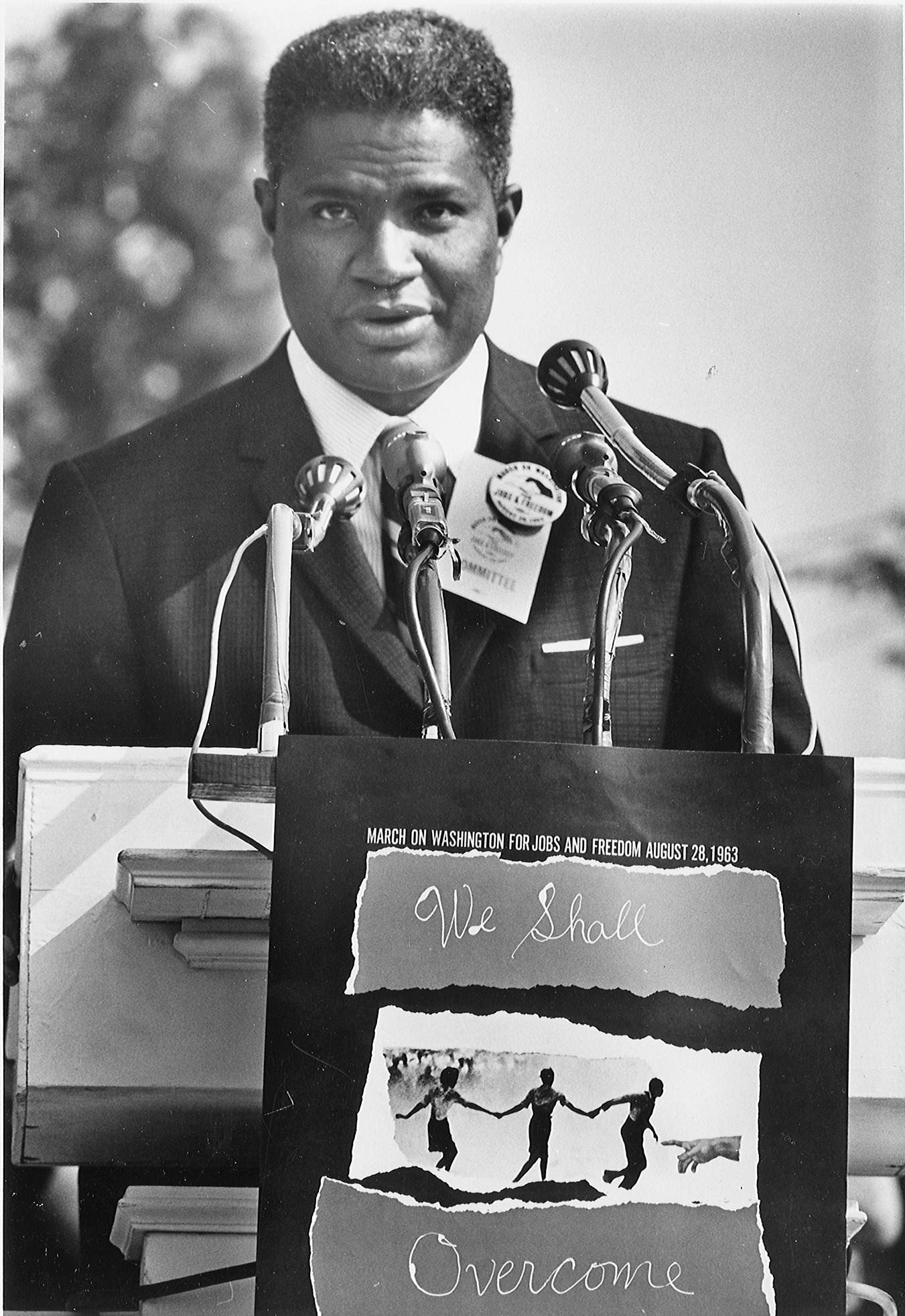
Ossie Davis
Grandfather

Tico Wells
Scott Green
Gary Grubbs
Coach Loomis
Ruby Dee
Lydia Wilson
Suli McCullough

Morris Chestnut
Ernest Green
Brian Stokes Mitchell
Thurgood Marshall
Eric Laneuville
James Harper
Gov. Orval Faubus
Dennis Letts
Gov. Marvin Griffin
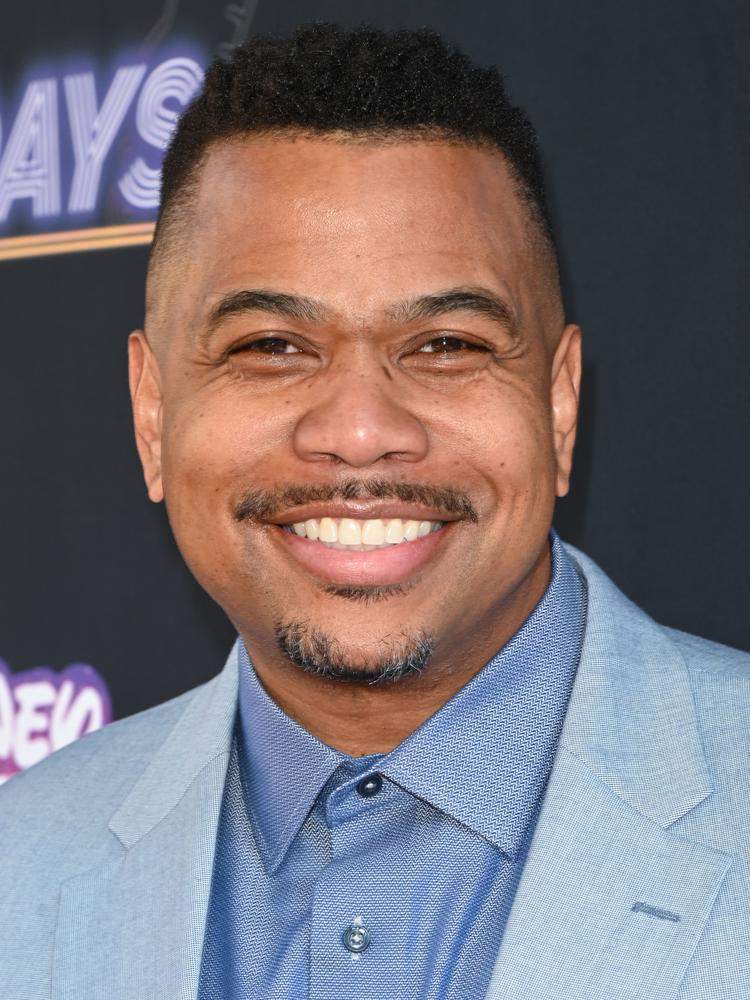
Omar Gooding
Marcus
Wayne Tippit
Principal Matthews
Avery Brooks
Rev. Lawson
Jerry Leggio
Mayor Woody Mann
Sean Serino
Carlotta
Jackie Stewart
Rev. Matcher
Sonny Shroyer
Coach Snell
Tina Lifford
Mrs. Green
John Boyd West
Starkey
Missy Crider
Charlene Talbot
Mark W. Johnson
Emmett Moody
Moses Peace
Minnijean's Father
Lisa Marie Russell
Elizabeth Eckford
John Hickman
Mr. Prior
Jacqueline Ann Shaw
Thelma Mothershed
Justice Pratt
Jason
Katharina Reinhardt
Mrs. Gaines
Sarah Boss
Rhonda
Frances Kemp
Grace Lorch
Anitra Lovelace
Gloria
Toya Stokes
Melba
Tommy Sanders
Governor's Aide Smiley
External Links and Streaming Options
Discover where to watch The Ernest Green Story online, including streaming platforms, rental options, and official sources. Compare reviews, ratings, and in-depth movie information across sites like IMDb, TMDb, Wikipedia or Rotten Tomatoes.





Take the Ultimate The Ernest Green Story Movie Quiz
Challenge your knowledge of The Ernest Green Story with this fun and interactive movie quiz. Test yourself on key plot points, iconic characters, hidden details, and memorable moments to see how well you really know the film.
The Ernest Green Story Quiz: Test your knowledge of the 1993 film about Ernest Green and the Little Rock Nine.
What high school did Ernest Green and the Little Rock Nine attempt to integrate?
Full Plot Summary and Ending Explained for The Ernest Green Story
Read the complete plot summary of The Ernest Green Story, including all major events, twists, and the full ending explained in detail. Explore key characters, themes, hidden meanings, and everything you need to understand the story from beginning to end.
Ernest Green reflects on a quiet morning ritual that becomes a turning point in American history: as he rides to Horace Mann, he passes the soon-to-open Central High, a school that will welcome nine African-American students. The scene shifts to the office of Orval Faubus, the Governor of Arkansas, where the Reverend of the local white church explains why he opposes integration, arguing that it is a matter of states’ rights. The conflict is framed from the start as a clash between courage and tradition, law and conscience.
In Ernest’s neighborhood, his best friend Marcus lays out a hopeful vision: becoming class president at the newly integrated Central High could be a way to change the world. Ernest weighs the fear of danger against the lure of opportunity, recalling the martyr-like statement Crispus Attucks might have inspired, “the first to defy is the first to die.” This moment captures a core tension of the film: the cost of standing up to entrenched racism. Marcus persuades him with a dream of the school’s promises—the lab, the chance to make discoveries, the sense that greatness could be found within its walls.
Ernest’s family stands behind him. His grandfather—Grandfather—offers quiet wisdom and steadfast support, even as his elderly neighbor worries about the danger that his son or grandson might face at Central High. The family’s faith in Ernest’s choices becomes a touchstone for the moral arc of the story, a reminder that personal bravery often travels with communal love.
As the Little Rock Nine prepare for their new reality, they meet their peers, the principal, and the counselors of Central High. Ernest emerges as a natural leader and earns the respect of Daisy Bates, an NAACP member who helps guide them through the legal and emotional maelstrom. The nine are warned that they will face restrictions at first, and the principal imposes limits on extracurricular activities, signaling the long road ahead.
The first day brings the cruel reality of the scene outside the school: National Guard troops stand guard to shield the students from the mobs. Inside the building, the atmosphere is tense and unequal. Elizabeth Eckford, in a harrowing moment, attempts to enter the building alone, only to be met with a wall of abuse and violence and is escorted back to safety. The other Black students are turned away as well, and a chilling sense of uncertainty settles over the hallways.
Back at home, Bates enlists Thurgood Marshall, the famed attorney, to argue the Nine’s right to attend Central High. For weeks, the students learn at home, their assignments provided by Bates as they ride out the initial refusal to admit them. When they are finally allowed back in, Ernest faces hostility from his physics teacher, Mr. Loomis, who doubts his abilities simply because of his race. The barrier of bias becomes a recurring obstacle, testing Ernest’s resolve and his belief in fairness.
Along the way, Ernest finds a fragile friendship with a white classmate who shares his passion for jazz, though such connections risk repeating history’s darkest chapters. He also encounters Charlene Talbot, a prejudiced white student who accuses him of inappropriate behavior, landing him in the principal’s office. Charlene Talbot becomes a reminder of the barriers that prejudice can erect even in small, everyday moments. Missy Crider, who portrays both Minnijean Brown and Charlene Talbot, navigates the complex emotional landscape of two very different experiences within the same school.
The social pressure intensifies: white students torment the Nine, steal Ernest’s physics notes, and, in one of the film’s starkest moments, Minnijean Brown stands up to the principal and is expelled. Elizabeth Eckford endures an assault on the stairs, and Ernest himself is suspended after defending himself in a confrontation. The escalating mistreatment tests the students’ endurance, their families’ faith, and the community’s willingness to insist on justice.
Meanwhile, Ernest’s brother Scott Scott Green grapples with the magnetic pull of fear and violence on the streets, choosing to rise in a different kind of bravery by protecting others. The film portrays a family and a community stretched to the limit by prejudice, yet driven by a stubborn belief that education and equality are worth fighting for.
Despite the hardships, the school year also yields small, meaningful victories. Ernest eventually passes physics and earns a degree of recognition for his intellect, proving to his doubters that mastery can triumph over bias. As spring arrives in 1958, he graduates with his peers, and his grandfather accompanies the moment with pride, capturing memories in photographs that celebrate perseverance and achievement.
The film’s epilogue sits with quiet honesty: Central High would close its doors briefly after Ernest’s graduation, a stark symbol of the resistance to integration in that era. Yet the real measure of the story is not the walls of the school but the path Ernest walks afterward—one that leads him to a life of advocacy with the NAACP, continuing the fight for civil rights beyond the classroom.
Thurgood Marshall looms over the legal strategy, Daisy Bates anchors the group’s leadership, and Rev. Lawson and Rev. Matcher provide moral perspectives on the community’s response. The narrative is anchored in the resilience of the Little Rock Nine and the families who stood by them, offering a window into courage, fear, and the long, ongoing struggle toward equality. The film honors those who dared to envision a different future and who chose to act, even when the odds were overwhelming. > the first to defy is the first to die
Note: All actor names linked are drawn from the provided cast list, and links are kept to the actors who appear in the cast information. Links are relative and framed to direct readers to the corresponding actor pages on What’s After the Movie.

Coming soon on iOS and Android
The Plot Explained Mobile App
From blockbusters to hidden gems — dive into movie stories anytime, anywhere. Save your favorites, discover plots faster, and never miss a twist again.
Sign up to be the first to know when we launch. Your email stays private — always.
Explore the mobile appDiscover Film Music Concerts Near You – Live Orchestras Performing Iconic Movie Soundtracks
Immerse yourself in the magic of cinema with live orchestral performances of your favorite film scores. From sweeping Hollywood blockbusters and animated classics to epic fantasy soundtracks, our curated listings connect you to upcoming film music events worldwide.
Explore concert film screenings paired with full orchestra concerts, read detailed event information, and secure your tickets for unforgettable evenings celebrating legendary composers like John Williams, Hans Zimmer, and more.


The Ernest Green Story Themes and Keywords
Discover the central themes, ideas, and keywords that define the movie’s story, tone, and message. Analyze the film’s deeper meanings, genre influences, and recurring concepts.

Unlock the World of Movies with Our Comprehensive Wiki
Dive into our Movie Wiki for in-depth film encyclopedia entries, including cast biographies, production trivia, plot synopses, behind-the-scenes facts, and thematic analyses. Whether you’re researching iconic directors, exploring genre histories, or discovering hidden easter eggs, our expertly curated movie database has everything you need to fuel your cinematic passion.
Similar Movies To The Ernest Green Story You Should Know About
Browse a curated list of movies similar in genre, tone, characters, or story structure. Discover new titles like the one you're watching, perfect for fans of related plots, vibes, or cinematic styles.
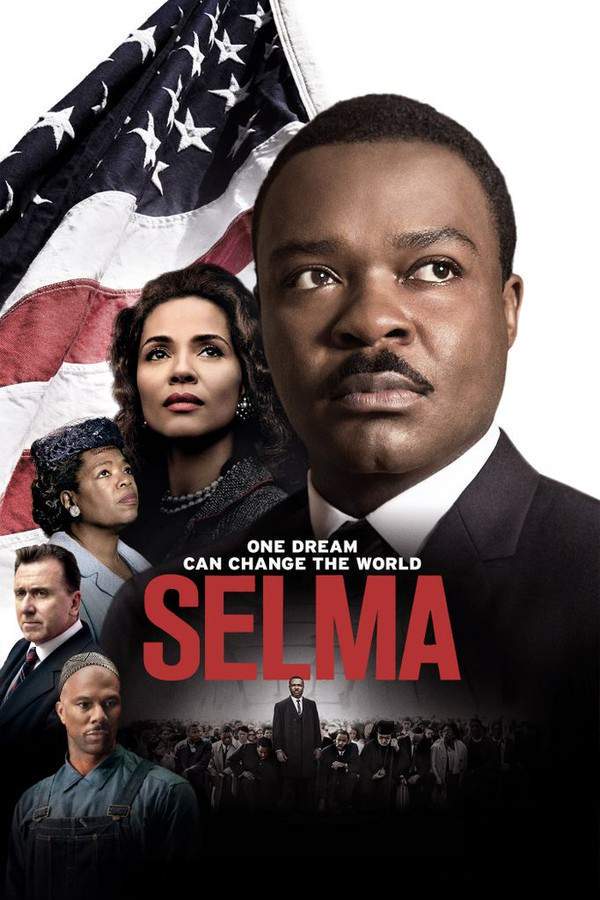
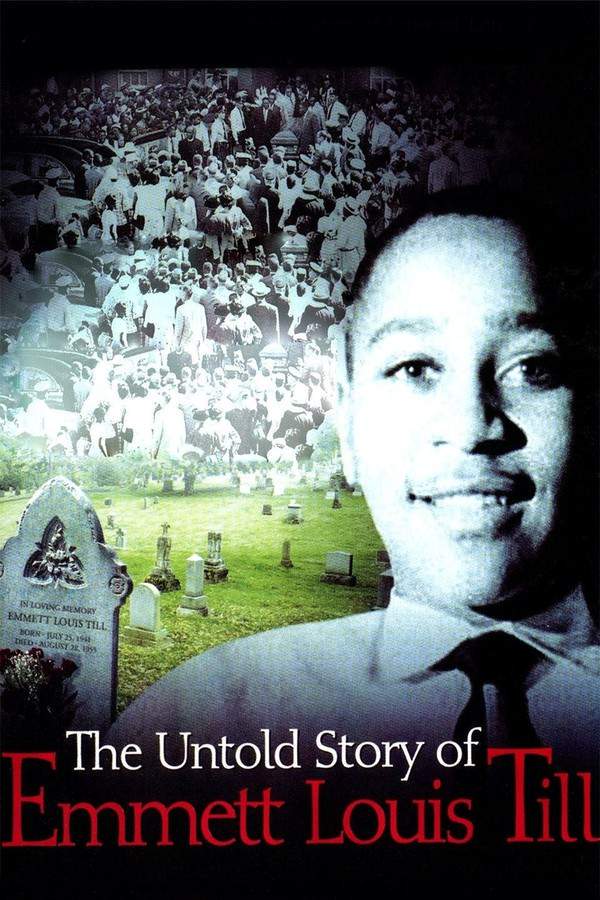


Quick Links: Summary, Cast, Ratings, More

What's After the Movie?
Not sure whether to stay after the credits? Find out!
Check out our other apps:

SAT Sphere
Build confidence for the Digital SAT.

Mori Atlas
Discover wild places worth protecting.

Luntero
Search smarter for a home in Amsterdam.

Plot Explained
Unravel movie endings and hidden clues.

Pokechamp
Dive into Pokémon data and battle logic.

Driving Theory
Get ready for your European theory test.

Movie Dust
Plan your next cinema trip with ease.

Musemap
Find art and culture as you travel.

Selkobase
Compare credentials before committing.

Local Manual
Turn an unfamiliar country into practical next steps.

Lernavi
Compare school systems before your next move.

GymRoam
Find a workout stop wherever your plans take you.
Explore Our Movie Platform
New Movie Releases (2026)
Famous Movie Actors
Top Film Production Studios
Movie Plot Summaries & Endings
Major Movie Awards & Winners
Best Concert Films & Music Documentaries
Movie Collections and Curated Lists
© 2026 What's After the Movie. All rights reserved.
Privacy Policy